Expert Guide: Interpreting a COA for Heavy Metals in Cannabis

When diving into the world of cannabis cultivation, ensuring your product is safe for consumption is crucial. One key aspect of this is interpreting a COA for heavy metals in cannabis. A COA, or Certificate of Analysis, provides vital information about the levels of heavy metals present in your cannabis products. Knowing how to read and understand this document can help you make informed decisions, whether you’re a first-time buyer or an experienced grower.
Certificates of Analysis are essential for confirming the safety and quality of cannabis. They detail the presence of heavy metals such as lead, arsenic, cadmium, and mercury, which can pose significant health risks if consumed in large amounts. By learning how to read a COA, you can ensure your cannabis meets safety standards and guidelines.
Recommended Strains
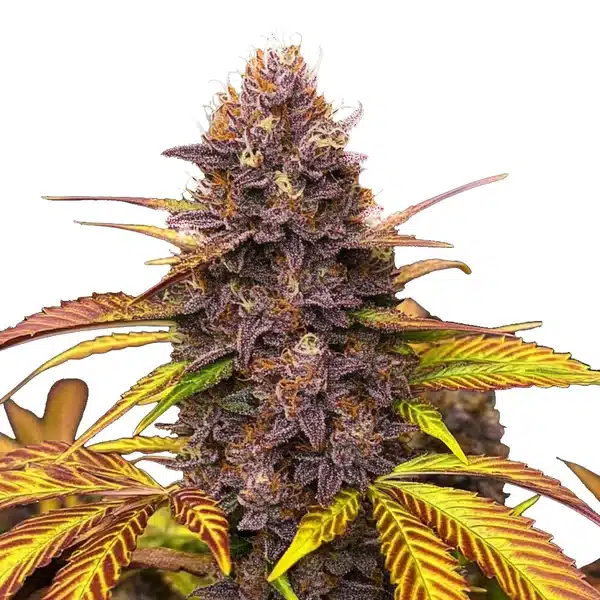
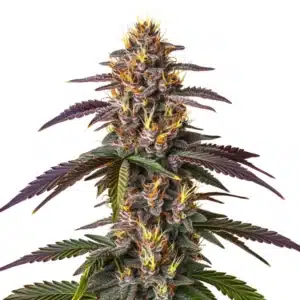
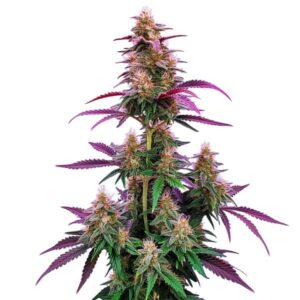
Blackberry Pie

|
THC | 18% - 20% (Medium) |

|
Type | Feminized |

|
Yield | Medium |

|
Phenotype | 50% Indica / 50% Sativa |

Blueberry
|
|
THC | 15% - 24% (High) |
|
|
Type | Feminized |
|
|
Yield | High |
|
|
Phenotype | 80% Indica / 20% Sativa |
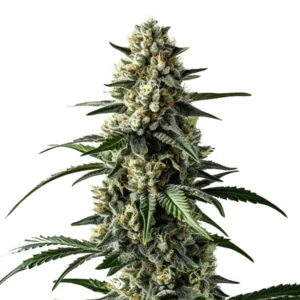
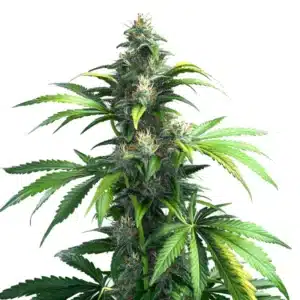
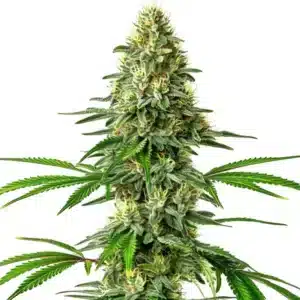
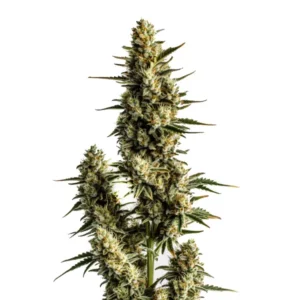
Blimburn Seeds offers a range of cannabis strains that undergo rigorous testing, including the GG4, Blueberry, and Blackberry Pie. These strains are not only popular but also tested for heavy metals to ensure consumer safety.
What is a COA and Why is it Important?
A COA is a document provided by certified laboratories that analyze cannabis products. It includes various test results, ensuring that the product is safe for consumption. The COA is a way to verify that the cannabis meets the required safety standards.
For consumers, interpreting COA heavy metals cannabis guidelines is crucial. By knowing the thresholds and what the numbers mean, you can make better choices about which products to purchase. This is particularly important in states with strict regulations on cannabis safety.
Besides to safety, COAs also provide transparency in the cannabis industry. Consumers can trust that they are getting products that have passed stringent tests, reinforcing the credibility of brands like Blimburn Seeds. Therefore, knowing COA heavy metals cannabis thresholds is not just about compliance but also about building consumer trust.
Moreover, as the cannabis market continues to grow, the importance of COA analysis for heavy metals in cannabis products cannot be overstated. It becomes a competitive advantage for brands that prioritize safety and quality, ensuring that consumers have access to reliable and safe products.
Promos & Deals
Heavy Metals in Cannabis: Knowing the Risks
Heavy metals are naturally occurring elements that can be toxic at high levels. In cannabis, these metals can be absorbed from the soil or water. Hence, it’s important to ensure they do not exceed safety thresholds.
The main heavy metals of concern in cannabis are lead, arsenic, cadmium, and mercury. Each of these has specific thresholds that should not be exceeded. Interpreting COA heavy metals cannabis thresholds helps ensure the product is safe and compliant with health standards.
Knowing these risks is vital for both growers and consumers. For growers, this means implementing best practices in cultivation to mitigate contamination risks. For consumers, cannabis heavy metals COA interpretation tips can guide purchasing decisions, ensuring products are within safe limits.
The presence of heavy metals can have long-term health implications, making it imperative to adhere to COA heavy metals cannabis safety standards. Regular testing and adherence to these standards protect consumers and maintain the integrity of the cannabis industry.
Reading the COA: A Step-by-Step Guide
When you receive a COA, begin by identifying the section that lists heavy metals. This section will usually be labeled clearly and include a table of results. The results will show the levels of each metal detected.
Next, compare these results against the safety standards set by regulatory bodies. This will often be expressed in parts per million (ppm) or micrograms per gram (µg/g). Knowing these units can help you understand the COA analysis for heavy metals in cannabis products.
It’s important to note that different jurisdictions may have varying acceptable limits for heavy metals. Therefore, knowing the specific regulations in your area is a vital part of interpreting a COA for heavy metals in cannabis effectively.
For added assurance, consult additional resources or experts who specialize in COA analysis. This can provide valuable insights and enhance your knowing of the results, ensuring that you make informed and safe choices.
The Impact of Soil and Water Conditions
Soil and water conditions play a significant role in the absorption of heavy metals by cannabis plants. Poor soil quality or contaminated water can lead to higher levels of heavy metals in the plant.
Growers should regularly test soil and water and adjust their cultivation practices accordingly. Using filtered water or soil amendments can help reduce the risk of heavy metal contamination. This is a crucial factor in interpreting COA heavy metals cannabis safety standards.
Incorporating sustainable agricultural practices can further mitigate the risk of contamination. Techniques like crop rotation, using organic fertilizers, and employing water purification systems are effective measures to ensure compliance with safety standards.
Brands like Blimburn Seeds emphasize the importance of environmental factors, ensuring that their products are not only compliant but also sustainably cultivated. This approach not only protects consumer health but also promotes environmental stewardship.

FAQs about interpreting a COA for heavy metals in cannabis
What are the common heavy metals found in cannabis?
The most common heavy metals found in cannabis are lead, arsenic, cadmium, and mercury. These elements can be detrimental to health if they exceed safe levels. They often find their way into cannabis through contaminated soil or water.
Knowing these metals and their potential impact is vital. For example, lead exposure can affect the nervous system, while mercury is harmful to the kidneys. This is why interpreting a COA for heavy metals in cannabis is so important.
Regular education on the risks associated with these metals can empower consumers to make better purchasing decisions. By prioritizing products that adhere to COA heavy metals cannabis safety standards, consumers can protect their health.
For growers, staying informed about these common contaminants and their sources can help in implementing effective mitigation strategies. This proactive approach ensures the production of safe and high-quality cannabis.
How do heavy metals get into cannabis plants?
Heavy metals can be absorbed by cannabis plants from the soil, water, or even through fertilizers. Poor cultivation practices can exacerbate this issue, leading to higher levels of these harmful metals.
To minimize the risk, growers should employ good agricultural practices. Regular testing of soil and water, along with the use of clean fertilizers, helps keep heavy metal levels in check.
Implementing comprehensive testing protocols is essential for identifying and addressing potential sources of contamination early. This ensures that any issues are rectified before they impact the final product.
Adhering to these practices not only ensures compliance with COA heavy metals cannabis safety standards but also enhances the reputation of growers committed to quality and safety.
What should I look for on a COA regarding heavy metals?
When looking at a COA, focus on the section dedicated to heavy metals. The results should display the levels of metals detected and compare them against regulatory limits. This allows you to determine whether the product is safe to use.
For peace of mind, consider purchasing from reputable sources like Blimburn Seeds, where strains such as Blackberry Pie are rigorously tested for heavy metal contamination.
Pay attention to the details provided in the COA, such as the testing methods used and the credibility of the laboratory. This information is crucial for accurate cannabis heavy metals COA interpretation tips.
Additionally, knowing the legal requirements for heavy metals in your specific region will further aid in interpreting COA results, ensuring that the products you choose are both safe and compliant.
Why is it important to test cannabis for heavy metals?
Testing cannabis for heavy metals is critical for consumer safety. These metals can pose serious health risks, especially if consumed over time. Testing ensures that the product complies with health regulations and is safe for use.
By interpreting COA heavy metals cannabis guidelines, consumers and growers alike can ensure they are not putting themselves or others at risk. It’s an essential step in maintaining product quality and safety.
Additionally, routine testing serves as a measure of quality control, enhancing the credibility of brands that prioritize consumer health. This commitment to safety is reflected in the meticulous practices of companies like Blimburn Seeds.
Regular testing also helps in identifying potential issues early, allowing for timely interventions and adjustments in cultivation practices. This proactive approach is fundamental in upholding the integrity of the cannabis industry.
What do I do if my cannabis fails the heavy metal test?
If your cannabis fails a heavy metal test, it’s important to identify the source of contamination. Review your cultivation practices, test your soil and water, and consider changing your supply sources.
It’s crucial to address the issue before selling or consuming the product. Ensuring compliance with safety standards protects both your health and your reputation as a responsible grower.
Consider consulting with experts or utilizing advanced testing methods to pinpoint the exact source of contamination. This information is invaluable in implementing effective corrective measures.
Furthermore, maintaining open communication with your supply chain partners can help in preventing future contamination, ensuring that all stages of production adhere to COA heavy metals cannabis safety standards.