Expert Guide: Indoor vs Outdoor Which Has Higher PGR Misuse Risk?

When it comes to growing cannabis, both indoor and outdoor setups have their unique challenges, especially concerning the misuse of plant growth regulators (PGRs). These chemicals can alter the growth patterns of plants, but not always in beneficial ways. Let’s delve into the indoor vs outdoor: which has higher risk of PGR misuse, and explore the factors that contribute to these risks.
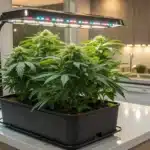
For indoor growers, the temptation to use PGRs can be high due to the controlled environment. Indoor setups allow for precise regulation of light, humidity, and temperature, which can be both an advantage and a drawback. On the other hand, outdoor growers face different challenges like weather fluctuations and pest control, which might lead them to consider PGRs as a solution.
Recommended Strains
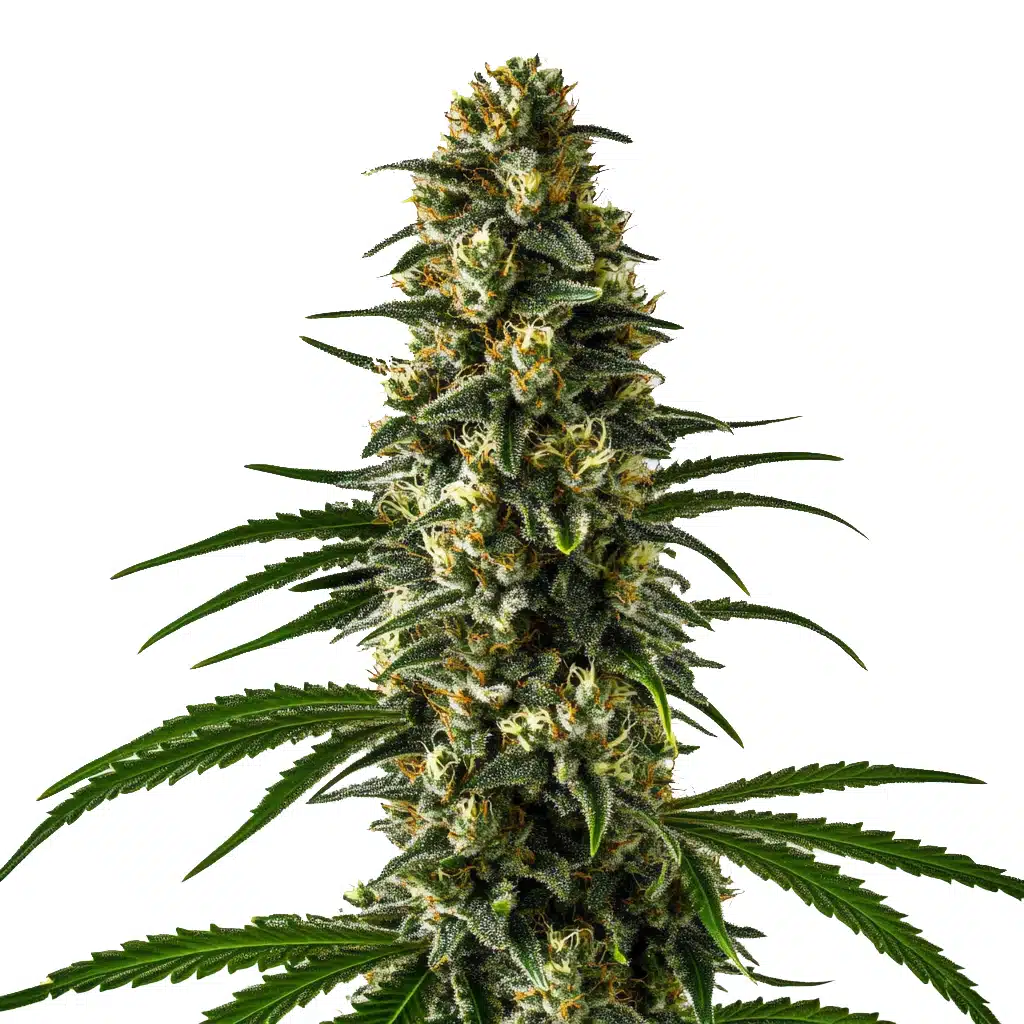
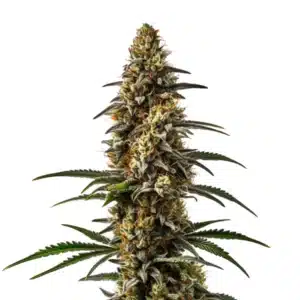
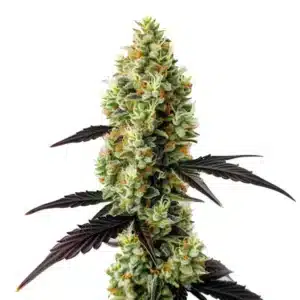
Girl Scout Cookies

|
THC | 18% - 25% (High) |

|
Type | Feminized |

|
Yield | High |

|
Phenotype | 60% Indica / 40% Sativa |

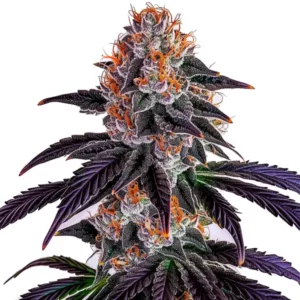
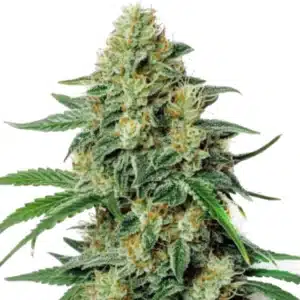
OG Kush
|
|
THC | 20% - 24% (High) |
|
|
Type | Feminized |
|
|
Yield | High |
|
|
Phenotype | 55% Indica / 45% Sativa |
When comparing PGR misuse in indoor vs outdoor environments, it’s essential to consider the availability and accessibility of these chemicals. Indoor growers often have easier access to PGRs through online stores and local suppliers, increasing the likelihood of misuse. Meanwhile, outdoor growers might rely more on natural growth methods, reducing their risk but not entirely eliminating it.
Indoor Plant Growth Regulator Misuse Risks
PGRs are popular among indoor growers because they promise bigger yields and faster growth. However, misuse can lead to several problems. Over-reliance on PGRs can stress the plants, leading to poor taste and reduced potency. This is particularly crucial for first-time cannabis seed buyers who may not be aware of the adverse effects.
Another risk is the lack of proper ventilation in indoor environments. PGRs can build up in the air, affecting not just the plants but also the health of the growers. It’s essential to ensure that indoor spaces are adequately ventilated and that PGRs are used sparingly to minimize health risks. Blimburn Seeds offers strains like Girl Scout Cookies, which thrive indoors with minimal PGR intervention.
Furthermore, the misuse of PGRs can result in the development of plant diseases and pest infestations, as the plants’ natural defense mechanisms may be compromised. Indoor growers should prioritize balanced nutrient management and regular monitoring to mitigate these risks. Implementing integrated pest management practices can also reduce reliance on chemical interventions.
Additionally, indoor growers should be aware of the potential long-term effects of PGR misuse on soil health and subsequent crops. Consistent use of PGRs may alter soil composition and microbial activity, affecting future plantings. Rotating crops and using organic amendments can help maintain soil vitality and reduce dependency on synthetic growth regulators.
Promos & Deals

Outdoor PGR Application Safety Concerns
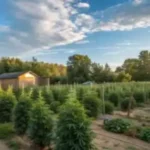
When analyzing indoor vs outdoor: which has higher risk of PGR misuse, outdoor cultivation naturally reduces excessive dependence on plant growth regulators. However, safety concerns still exist. Environmental factors such as rain and wind can wash away or spread PGRs, potentially affecting nearby wildlife, water sources, and surrounding plants. Therefore, outdoor growers must apply these regulators carefully while considering the broader ecological impact and local environmental regulations.
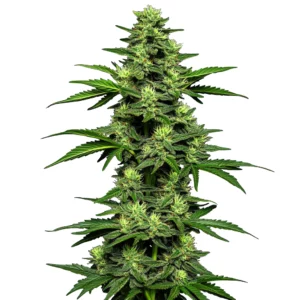
Outdoor growers should also be aware of the legal implications of PGR use. In many regions, there are strict regulations regarding chemical applications in agriculture. Proper record-keeping and adherence to guidelines are essential to avoid fines and other legal issues. For those growing strains like Blue Dream from Blimburn Seeds, natural growth methods can often be more rewarding.
The outdoor environment may also present challenges in controlling the precise application of PGRs, leading to accidental overuse. Growers should employ protective measures such as buffer zones and drift reduction technologies to minimize unintended exposure to non-target areas. This approach safeguards the ecosystem and ensures compliance with environmental standards.
Furthermore, outdoor growers can adopt sustainable practices such as companion planting and crop rotation to enhance plant health and resilience. These methods not only support natural growth but also reduce the dependency on PGRs, aligning with the growing demand for eco-friendly cultivation techniques. Blimburn Seeds’ range of outdoor-friendly strains is particularly suited for such sustainable practices.
Factors Affecting PGR Misuse Risk Indoors vs Outdoors
Several factors can influence the risk of PGR misuse in both indoor and outdoor settings. One significant factor is the grower’s experience. Beginners might misuse PGRs due to a lack of knowledge, while experienced growers may better understand the balance necessary for healthy plant growth. Sharing experiences with fellow growers can reduce these risks.
Another factor is economic pressure. As the demand for high-quality cannabis increases, some growers may resort to PGRs to boost their yield and meet market demands. This is especially true in indoor environments where the cost of maintaining a grow room can be high. However, strains like OG Kush from Blimburn Seeds offer robust yields with proper care, without the need for excessive PGRs.
besides to experience and economic pressures, the local availability of PGRs plays a crucial role in their misuse. Indoor growers often have easier access to these products, which may lead to their liberal use without considering the potential consequences. Educating growers about alternative methods and the risks of PGRs is vital for promoting responsible cultivation practices.
Legal regulations and environmental considerations also significantly impact PGR use. Indoor vs outdoor: which has higher risk of PGR misuse often depends on the local legal framework governing agricultural practices. Outdoor growers must navigate more stringent environmental regulations, which can act as a deterrent to PGR misuse. Staying informed about these regulations is essential for both indoor and outdoor growers.
Risk Assessment of PGR Use Indoors and Outdoors
Conducting a risk assessment can help growers decide whether to use PGRs. For indoor environments, assessing the ventilation system and knowing the potential health risks are crucial. Growers should be mindful of how PGRs might affect both their plants and their well-being.
Outdoor growers should consider the environmental impact and legal regulations. Risk assessments can include evaluating the proximity to water sources and protected wildlife areas. It’s essential to use PGRs judiciously and only when necessary to protect the surrounding ecosystem.
A comprehensive risk assessment involves analyzing the specific needs of each cultivation setup and identifying potential vulnerabilities. For indoor setups, this might include evaluating the impact of PGRs on air quality and plant health over time. Mitigating measures, such as improved ventilation and regular air quality monitoring, are essential components of a robust risk management strategy.
For outdoor growers, conducting a thorough assessment of the environmental factors, including weather patterns and soil composition, can inform more sustainable PGR application practices. Engaging with local agricultural experts and participating in community discussions can further enhance growers’ knowing of the best practices for minimizing risks associated with PGRs. This proactive approach ensures compliance and promotes environmental stewardship.
FAQs about indoor vs outdoor: which has higher risk of PGR misuse
What are PGRs, and why are they used in cannabis cultivation?
Plant Growth Regulators (PGRs) are chemicals that influence the growth processes of plants. In cannabis cultivation, they are often used to control plant size, shape, and flowering time. While they can lead to increased yields, misuse of PGRs can negatively affect the quality of the cannabis.
Growers use PGRs to optimize their crops, especially in controlled indoor settings. However, the risk of overuse is high, leading to potential health hazards and reduced plant quality. It’s vital for growers to fully understand the implications of PGR use and to seek alternatives whenever possible.
PGRs can also impact the overall aesthetics of the plant, altering its natural growth patterns and potentially affecting marketability. Indoor growers, in particular, should weigh these factors carefully when considering PGR use. Blimburn Seeds provides a selection of strains that naturally exhibit desirable traits, reducing the need for chemical interventions.
Knowing the specific action mechanisms of different PGRs allows growers to make informed decisions about their application. This knowledge is crucial for tailoring growth strategies to individual strain requirements, ensuring optimal outcomes while minimizing potential drawbacks associated with PGR misuse.
Are there natural alternatives to PGRs for indoor cannabis growing?
Yes, there are several natural alternatives to PGRs that can be used in indoor cannabis growing. Techniques such as topping, pruning, and using organic fertilizers can promote healthy growth without the need for chemical regulators.
Blimburn Seeds offers strains like Girl Scout Cookies that respond well to natural growth methods. These techniques not only maintain plant health but also ensure a more organic final product, which is appealing to many consumers.
Other natural growth-promoting techniques include optimizing light cycles and ensuring proper nutrient balance. Indoor growers can also explore the use of organic amendments and beneficial microbes to enhance soil health and plant vigor. These approaches align with sustainable cultivation practices and can effectively replace the need for PGRs.
Moreover, integrating holistic management practices such as crop rotation and intercropping can support plant health and reduce pest pressures, further diminishing the reliance on chemical growth regulators. Blimburn Seeds continues to innovate by developing strains that thrive under natural cultivation methods, offering growers a diverse range of options for achieving high-quality yields.
How can outdoor growers minimize the risks associated with PGRs?
Outdoor growers can minimize risks by carefully monitoring the amount and frequency of PGR application. They should also consider the broader environmental impact, ensuring that PGRs do not contaminate water sources or harm local wildlife.
Using Blimburn Seeds strains such as Blue Dream, which are naturally resilient, can also help reduce the need for PGRs. Additionally, staying informed about local regulations and best practices will help outdoor growers maintain compliance and protect their crops.
Engaging in regular soil and water testing can help outdoor growers identify potential contamination issues early, allowing for timely corrective actions. Implementing buffer zones and natural barriers can further protect sensitive areas from unintended exposure to PGRs.
Collaborating with local environmental agencies and agricultural experts can provide valuable insights into sustainable practices and regulatory compliance. By fostering a culture of knowledge sharing and community engagement, outdoor growers can enhance their cultivation practices and contribute to a healthier ecosystem.
What are the signs of PGR misuse in cannabis plants?
Signs of PGR misuse in cannabis plants include unnatural growth patterns, such as excessively dense buds or stunted growth. The plants may also exhibit poor color, flavor, and reduced psychoactive effects.
Growers should regularly inspect their plants for these signs and adjust their growing practices accordingly. Consulting with experienced growers or agricultural experts can provide valuable insights and help identify the best course of action.
Additional indicators of PGR misuse may include leaf deformities, reduced root development, and increased susceptibility to pests and diseases. Indoor growers, in particular, should be vigilant in monitoring these symptoms to prevent long-term damage to their crops.
Implementing a structured observation and documentation process can aid in identifying patterns and potential causes of PGR-related issues. By maintaining detailed records, growers can make informed adjustments to their cultivation practices, ensuring healthier plants and more sustainable outcomes.
Is it possible to grow high-quality cannabis without PGRs?
Absolutely, it’s possible to grow high-quality cannabis without relying on PGRs. By selecting the right strains and optimizing growing conditions, growers can achieve excellent results. Blimburn Seeds offers a variety of strains, including OG Kush, that perform exceptionally well without the need for chemical growth regulators.
Emphasizing proper care, including adequate light, water, and nutrients, will naturally encourage healthy growth. Many experienced growers find that the flavor and potency of cannabis grown without PGRs are superior, making it a worthwhile endeavor.
Focusing on genetic selection and environmental optimization allows growers to harness the full potential of cannabis plants naturally. High-quality compost and organic soil amendments can provide essential nutrients for robust growth, further eliminating the need for PGRs.
Moreover, cultivating a deep knowing of plant physiology and growth cycles can enable growers to fine-tune their cultivation methods. This approach not only enhances yield quality but also aligns with the increasing consumer demand for organically grown cannabis. Blimburn Seeds remains committed to supporting growers in achieving these goals through their diverse strain offerings.