Proven Botrytis in Cannabis Detection & Treatment: Expert Tips

Botrytis in cannabis, often called bud rot, is a common challenge for both novice and experienced growers. Knowing botrytis in cannabis (bud rot) detection & treatment is essential, as this fungal disease can quickly devastate your crop if not identified early and managed properly. Learning to recognize the signs of infection and applying effective treatment strategies is crucial for maintaining healthy, productive plants.
Bud rot usually starts inside the dense buds, making it difficult to spot until it’s too late. The disease thrives in environments with high humidity and poor airflow. Recognizing the signs of botrytis infection in weed early, such as browning and wilting buds, can save your harvest.
Recommended Strains

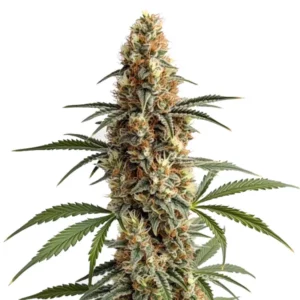
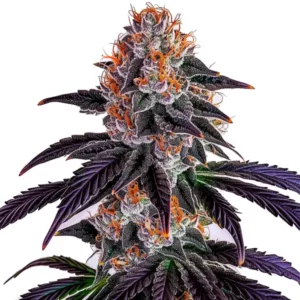
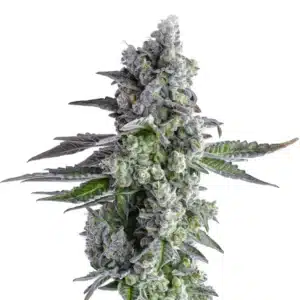
Blackberry Moonrocks

|
THC | 26% - 33% (High) |

|
Type | Feminized |

|
Yield | High |

|
Phenotype | 80% Indica / 20% Sativa |

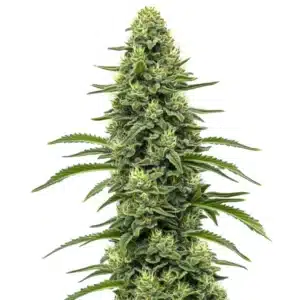
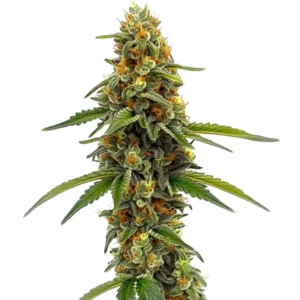
GG4
|
|
THC | 27% (High) |
|
|
Type | Feminized |
|
|
Yield | High |
|
|
Phenotype | 40% Indica / 60% Sativa |
Implementing the best treatment for bud rot in marijuana involves a combination of prevention and active measures. By knwoing the lifecycle of botrytis and employing organic solutions for cannabis bud rot, growers can protect their plants effectively. Let’s dive into expert tips for tackling this issue.
Identifying Botrytis in Cannabis Plants
Spotting botrytis in cannabis plants requires a keen eye. Early detection is vital for preventing widespread damage. One telltale sign includes a brown, mushy appearance on the buds. This often starts at the base and works its way outward.
Look for signs of botrytis infection in weed, such as grayish mold on the surface of the buds. This mold can spread quickly, especially in humid conditions. It’s important to regularly inspect your plants, especially after rain or high humidity periods.
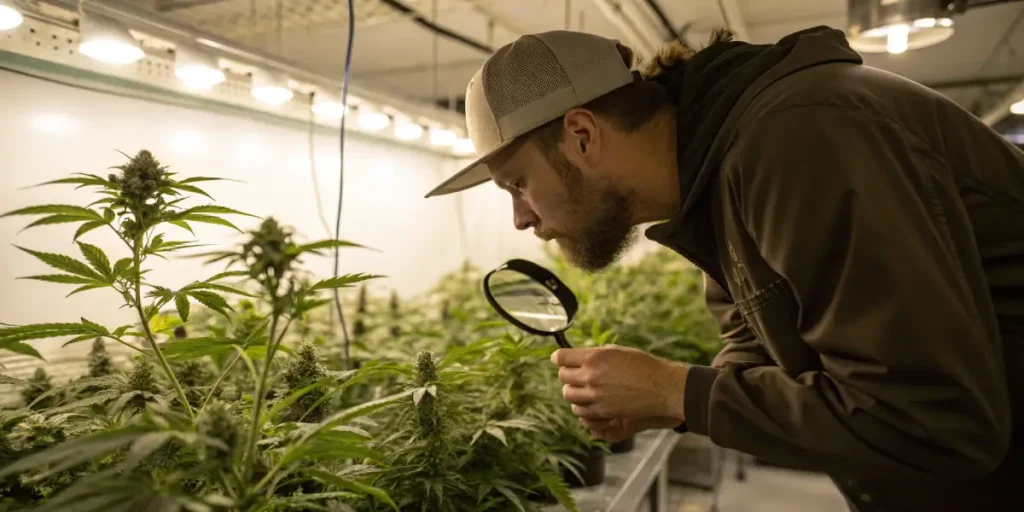
Knowing how to identify botrytis in cannabis plants can be the difference between a successful harvest and a complete loss. Consistent monitoring and having a proactive mindset are crucial. Utilize tools like magnifying glasses to enhance your inspection process, making it easier to spot potential issues early.
It’s also beneficial to familiarize yourself with the typical lifecycle of botrytis in cannabis (bud rot) detection & treatment. Knowing the conditions that favor its growth helps you anticipate potential problems before they escalate. This approach not only saves your plants but also ensures the quality of your yield.
Visual Cues to Watch For
Inspecting cannabis plants regularly helps in detecting early signs of infection. Check for discolored, mushy spots on the buds and any unusual odor. A musty smell often accompanies botrytis infection, indicating decay within the flowers.
Be aware of leaf wilt around the infected buds. This can be a precursor to more extensive damage. Leaf tips may also turn brown and appear burnt.
Visual cues are your first line of defense in botrytis in cannabis (bud rot) detection & treatment. Regularly observing your plants for any changes in color, texture, or smell can give you an early warning sign that something is amiss. This vigilance is particularly important during the flowering stage, when the risk of infection is highest.
Using technology to aid in inspection, such as smartphone apps or digital microscopes, can enhance your ability to spot problems early. These tools offer a closer look at the plant’s surface, making it easier to identify subtle signs of botrytis before they become major issues.
Promos & Deals
Preventing Bud Rot in Outdoor Cannabis
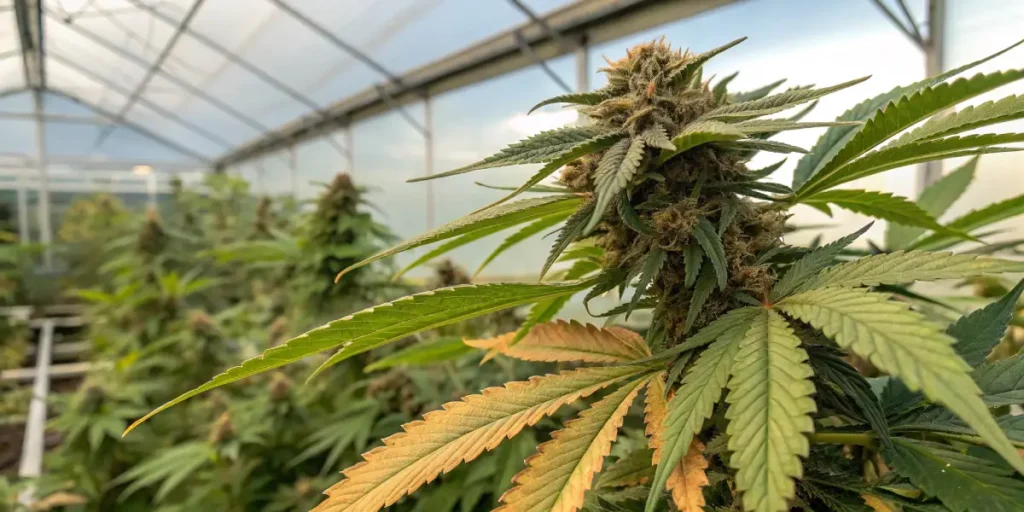
Preventing bud rot in outdoor cannabis requires strategic planning. Controlling environmental factors such as humidity and airflow is key. Start by ensuring your plants have enough space to allow air circulation.
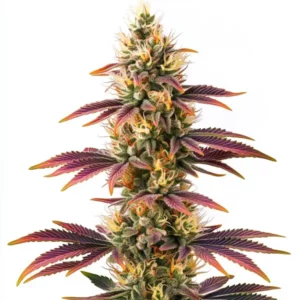
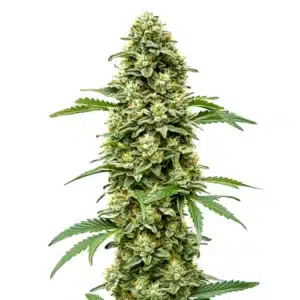
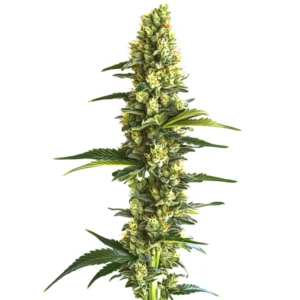
Consider using strains from Blimburn Seeds that are resistant to mold and mildew. Strains like Blackberry Moonrocks, Mamba Negra, and GG4 are known for their resilience. These strains are bred to withstand challenging conditions, making them ideal for outdoor growing.
Another effective strategy for preventing bud rot in outdoor cannabis is the strategic placement of plants. Positioning them to take advantage of natural wind patterns can enhance airflow, reducing humidity around the buds. This simple step can significantly lower the risk of infection.
Besides to choosing mold-resistant strains, consider implementing companion planting techniques. Certain plants can help deter pests and improve soil health, creating a more balanced ecosystem that discourages the growth of botrytis in cannabis (bud rot) detection & treatment.
Environmental Control Strategies
Managing humidity levels is crucial. Outdoor growers should monitor weather forecasts and prepare for rainy periods by using temporary shelters or greenhouses. These structures help keep excessive moisture at bay.
Pruning lower branches encourages better airflow through the plant. This reduces the likelihood of moisture build-up, which is a common precursor to botrytis infections.
Environmental control strategies go beyond just managing humidity; they also involve soil management and plant spacing. Ensuring your soil has good drainage prevents water accumulation, which can contribute to higher humidity levels around the plant.
Utilize natural barriers or windbreaks to shield your plants from excessive rain and wind, which can damage the plant structure and create entry points for botrytis spores. These strategies are essential in the comprehensive prevention of bud rot in outdoor cannabis.
Best Treatment for Bud Rot in Marijuana
Once detected, the best treatment for bud rot in marijuana involves immediate action. Begin by removing infected parts of the plant. This prevents the spread of the fungus to healthy areas.
Using organic solutions for cannabis bud rot is both effective and eco-friendly. These solutions help eliminate pathogens without harming the plant or the environment.
Besides to removal and organic solutions, maintaining a clean growing environment is vital. Regularly sanitize tools and equipment to prevent the transfer of botrytis spores between plants.
Consider integrating a rotation of organic fungicides to enhance the effectiveness of your treatment regime. This approach reduces the chance of the fungus developing resistance, ensuring the best treatment for bud rot in marijuana remains effective over time.
Organic Solutions and Practices
Consider using an organic fungicide specifically designed for cannabis. Products containing Bacillus subtilis or copper-based sprays can help control the spread of botrytis.
Neem oil is another organic option. It works by creating an inhospitable environment for the fungus, thus preventing further growth. Regular applications can help keep your plants healthy.
Organic solutions for cannabis bud rot not only address current infections but also improve plant resilience. Implementing regular treatments with beneficial microorganisms strengthens the plant’s immune response over time.
Moreover, rotating different organic solutions can prevent the fungus from adapting to a single treatment method. By varying your approach, you maintain an effective line of defense against botrytis in cannabis (bud rot) detection & treatment.
Post-Treatment Care and Monitoring
After treating your plants, ongoing monitoring is essential. Check for any new signs of infection and maintain optimal growing conditions to prevent recurrence.
Continue to monitor environmental factors such as humidity and airflow. Adjust your growing practices as needed to maintain a healthy environment for your plants.
Post-treatment care involves more than just monitoring; it’s about creating a sustainable growing environment. This includes regularly updating your knowledge on pest and disease management to anticipate and counteract potential threats.
Implementing a consistent feeding and watering schedule tailored to your plant’s needs can further enhance its recovery and resilience. This comprehensive approach is key to preventing future outbreaks of botrytis in cannabis (bud rot) detection & treatment.
Long-term Strategies for Healthy Plants
Regular inspections remain crucial. Set a schedule for checking your plants thoroughly, especially during high-risk periods like flowering. Early detection can save entire crops.
Invest in high-quality seeds from Blimburn Seeds. Their selection of resilient strains provides a strong foundation for healthy growth and disease resistance.
Long-term strategies also involve soil health management. Regularly test and amend your soil to ensure it provides the essential nutrients and structure for robust plant growth.
Educate yourself about emerging technologies and practices in cannabis cultivation. Staying informed empowers you to make decisions that enhance both yield and the effectiveness of botrytis in cannabis (bud rot) detection & treatment.
FAQs about botrytis in cannabis (bud rot) detection & treatment
What are the first signs of botrytis in cannabis?
The first signs of botrytis in cannabis often include browning and wilting of the buds. You may also notice a grayish mold forming on the bud surface. These symptoms usually appear after periods of high humidity or rain.
It’s crucial to regularly inspect your plants, especially during the flowering stage. Early detection can prevent the spread of the infection to healthy parts of the plant, saving your harvest.
Knowing how to identify botrytis in cannabis plants early is critical for successful management. Along with visual cues, changes in the plant’s odor can be an immediate red flag indicating infection.
Regular training and education on botrytis in cannabis (bud rot) detection & treatment can arm you with the knowledge needed to spot these early signs, ensuring a proactive response to the disease.
How can I prevent bud rot in outdoor cannabis plants?
To prevent bud rot in outdoor cannabis, focus on controlling the environment. Ensure proper spacing between plants to improve airflow and reduce humidity around the buds. Regular pruning can also help.
Choose mold-resistant strains from Blimburn Seeds, such as “Blackberry Moonrocks” or “Gorilla G4.” These strains are bred for resilience and can withstand challenging growing conditions.
Besides to these measures, employing a pest management strategy that reduces insect damage can minimize entry points for botrytis spores, further preventing bud rot in outdoor cannabis.
Utilizing cover crops and organic mulches can improve soil health and structure, promoting better growth conditions and reducing the likelihood of botrytis in cannabis (bud rot) detection & treatment complications.
Are there organic solutions for treating bud rot?
Yes, there are several organic solutions for treating bud rot. Neem oil and copper-based sprays are popular choices. They create a hostile environment for the fungus without harming the plant.
Incorporating beneficial microorganisms, like Trichoderma, can also bolster your plant’s defenses. These natural allies help outcompete harmful pathogens and prevent infections.
Organic solutions for cannabis bud rot extend to using compost teas and plant-based extracts, which can enhance plant immunity and deter fungal growth.
Implementing these organic practices as part of a broader integrated pest management plan can significantly reduce the incidence and severity of botrytis in cannabis (bud rot) detection & treatment.
What should I do if I find botrytis on my plants?
If you find botrytis on your plants, act quickly. Remove the infected parts immediately to prevent the fungus from spreading. Dispose of these parts carefully to avoid contaminating healthy plants.
Consider using an organic fungicide to treat the remaining plants. Maintaining optimal growing conditions will also help prevent future occurrences.
Besides to immediate removal, isolating affected plants from the rest of your crop can prevent cross-contamination and further outbreaks.
Continually reassess and adapt your growing environment to ensure it remains unfavorable for the development of botrytis in cannabis (bud rot) detection & treatment.
Why is humidity control important in preventing bud rot?
Humidity control is critical in preventing bud rot because the fungus thrives in moist environments. High humidity levels can lead to condensation on the buds, creating ideal conditions for botrytis to develop.
By monitoring and adjusting humidity levels, you can create an environment that is less conducive to fungal growth. This is especially important during the flowering stage when the buds are densest.
Effective humidity control can be achieved through the use of dehumidifiers and proper ventilation systems, which ensure consistent airflow around the plants.
Implementing these measures as part of your overall strategy for botrytis in cannabis (bud rot) detection & treatment helps maintain a healthy and productive growing environment.