PGR vs Nutrients in Cannabis: Key Differences

PGRs and nutrients are not the same thing. Nutrients are the essential food a cannabis plant needs to grow, while plant growth regulators (PGRs) are chemicals that alter how it grows. Synthetic PGRs can force denser, heavier buds but are often reported to cost flavor and potency and raise residue concerns, whereas good nutrition builds quality from the inside out. The practical takeaway for most growers: you can grow big, dense buds without synthetic PGRs by pairing strong genetics like GG4, Northern Lights and Blue Dream with balanced feeding and training. This guide breaks down the differences and how to get there, and fits alongside our guide to PGR weed.
PGRs vs Nutrients at a Glance
How synthetic PGRs and nutrients differ, side by side:
Recommended Strains

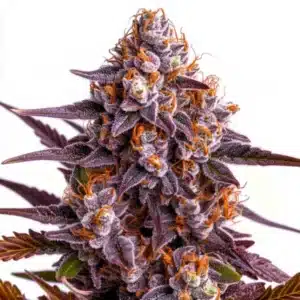
Blue Dream

|
THC | 17% - 24% (High) |

|
Type | Feminized |

|
Yield | High |

|
Phenotype | 50% Indica / 50% Sativa |

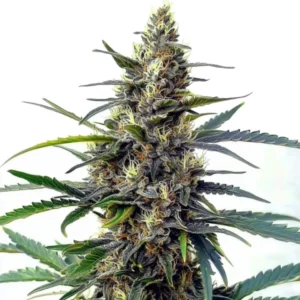
Northern Lights
|
|
THC | 17% (Medium) |
|
|
Type | Feminized |
|
|
Yield | High |
|
|
Phenotype | 90% Indica / 10% Sativa |
| Aspect | Synthetic PGRs | Nutrients |
|---|---|---|
| Role | Alter or force growth (a hormonal shortcut) | Feed the plant (essential building blocks) |
| Necessity | Optional, and often avoided | Required for any grow |
| Effect on buds | Denser and heavier, but often reported lower in aroma and potency | Healthy growth that preserves flavor and potency |
| Residue / safety | Possible residue concerns | No residue concern when used correctly |
| Best for | Rarely, specific commercial targets | Quality-focused growers of every level |
Promos & Deals
Plant Growth Regulators in Cannabis
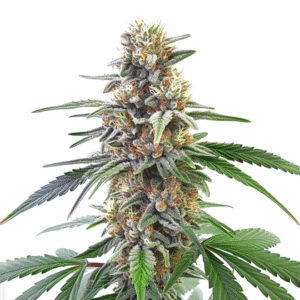
PGRs are synthetic or natural compounds that control the growth processes in plants. They can influence everything from the root to the flower, making them a powerful tool in cannabis cultivation. But their effects can be a double-edged sword.
Many growers use PGRs to produce denser, more compact buds. However, this can sometimes come at the expense of flavor and potency. Imagine a beautifully wrapped gift with nothing exciting inside. That’s how some view PGR-enhanced buds.
The impact of PGRs compared to nutrients on cannabis growth is a topic of much debate among cultivators. While PGRs can significantly boost the biomass, they may also lead to inconsistencies in quality and potency, which can be a concern for those focused on crafting premium cannabis products. Knowing how PGRs differ from nutrients in cannabis farming is key for growers aiming to optimize their cultivation methods.
Another consideration is the environmental aspect. The use of synthetic PGRs can potentially lead to residual chemical build-up in the soil, affecting future planting cycles. This aspect highlights the importance of considering sustainable practices in cannabis farming, especially for those who prioritize eco-friendly cultivation methods.
How PGRs Work
PGRs can be likened to steroids for plants. They accelerate growth by mimicking plant hormones, which can lead to faster maturity and bigger buds. However, the quality of the buds can be compromised. Some consumers report a chemical taste, which can detract from the overall experience.
One real-world example is the use of Paclobutrazol, a popular PGR. It’s known for increasing yield but might leave a residue that affects taste. This is why many cultivators opt for natural methods, avoiding synthetic PGRs altogether.
The differences between PGRs and nutrients for cannabis plants become apparent when considering the biological mechanisms they influence. While nutrients support the plant’s natural metabolic processes, PGRs modify the hormonal pathways, which can lead to unpredictable outcomes. This distinction is crucial for growers aiming to achieve specific cultivation goals, whether related to yield, potency, or sustainability.
Moreover, the effects of plant growth regulators vs nutrients on cannabis yield are not only quantitative but also qualitative. While PGRs might promise higher output, the resulting product might not meet the sensory expectations of connoisseurs who value aroma and flavor as much as the size and density of the buds.
Considerations for Using PGRs
Before you decide to use PGRs, weigh the pros and cons. While they can give you bigger yields, the flavor profile of your cannabis might suffer. For those who prioritize taste, this trade-off might not be worthwhile.
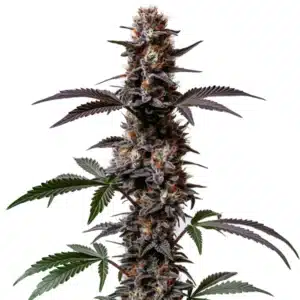
Choosing the right strain is also important. Strains like GG4 from Blimburn Seeds may naturally produce big yields without needing PGRs. This strain is known for its robust growth and potency, making it a favorite among growers.
Legal and ethical considerations also play a significant role in the decision to use PGRs. As regulations evolve, some regions have started to restrict the use of certain PGRs due to potential health risks. Staying informed about the legal landscape helps ensure compliance and protects the reputation of growers committed to quality and safety.
Additionally, the long-term effects of using PGRs should be a part of any cultivator’s strategic planning. While short-term benefits might seem attractive, knowing how PGRs differ from nutrients in cannabis farming can guide more sustainable and health-conscious cultivation practices, ultimately leading to more successful outcomes.
The Function of Nutrients in Cannabis Cultivation
Nutrients are the building blocks of life for cannabis plants. They include elements like nitrogen, phosphorus, and potassium, essential for growth and health. Think of them as a balanced diet for your plants.
Unlike PGRs, nutrients are necessary for any plant to survive. They ensure that your cannabis plants grow strong, healthy, and potent. Without them, you might end up with stunted plants that produce low yields.
In the debate of plant growth regulators versus nutrients in cannabis cultivation, nutrients are often seen as the cornerstone of plant health. They work harmoniously with the plant’s natural processes, supporting robust development and resilience against pests and diseases. This holistic approach is favored by many who wish to maintain the integrity of the cannabis plant.
Moreover, maintaining a well-balanced nutrient regimen can significantly affect the plant’s final output. Strains like Northern Lights from Blimburn Seeds are particularly responsive to nutrient adjustments, making them an excellent choice for growers looking to fine-tune their feeding strategies for optimal results.
Types of Nutrients
There are two main categories of nutrients: macronutrients and micronutrients. Macronutrients include nitrogen, phosphorus, and potassium. These are required in larger quantities.
Micronutrients, such as zinc and iron, are needed in smaller amounts but are equally important. A deficiency in any of these can lead to poor plant health and reduced yields.
Knowing the differences between PGRs and nutrients for cannabis plants is crucial for effective cultivation. While macronutrients provide the basic sustenance necessary for growth, micronutrients play a vital role in enzyme function and overall plant vitality, supporting a balanced and thriving ecosystem within each plant.
For those cultivating strains like Blue Dream from Blimburn Seeds, attention to both macro and micronutrients can make a significant difference. This strain’s potential for high yield and quality can be fully realized through careful nutrient management, showcasing the impact of PGRs compared to nutrients on cannabis growth in a nuanced light.
Benefits of Using Nutrients
Proper nutrient management ensures that your cannabis plants achieve maximum potency and flavor. In the context of PGR vs nutrients in cannabis: differences, it’s important to understand that, unlike PGRs, nutrients don’t compromise the taste or quality of the buds.
For example, using a balanced fertilizer can lead to vigorous growth and lush foliage. This is especially true for strains like Blue Dream from Blimburn Seeds, which require a steady supply of nutrients to reach their full potential.
Emphasizing nutrients over PGRs aligns with a more organic and sustainable approach to cannabis farming. This method respects the natural growth processes and can lead to a more consistent and high-quality product, appealing to consumers who value purity and natural cultivation methods.
Furthermore, the long-term sustainability of nutrient-focused cultivation should not be underestimated. By ensuring that plants receive the appropriate nutrients, growers can avoid the pitfalls of over-reliance on synthetic growth enhancers, fostering a healthier growing environment and more predictable results.
Choosing Between PGRs and Nutrients
Deciding whether to use PGRs or stick with nutrients can be challenging. It’s important to consider your goals and the type of cannabis you want to produce.
For those aiming for high yields, PGRs might be tempting. However, if quality and taste are your priorities, focusing on nutrients is the way to go. This approach ensures that your cannabis plants develop naturally, with robust flavors and aromas.
The choice between plant growth regulators versus nutrients in cannabis cultivation often depends on the grower’s philosophy and objectives. Those committed to quality and consumer experience typically prioritize nutrients, while others may explore PGRs to meet specific production targets.
Ultimately, the decision involves weighing the effects of plant growth regulators vs nutrients on cannabis yield and quality. Growers must assess their priorities, resources, and the demands of their target market to make informed choices that align with their cultivation goals.
Making an Informed Decision
Evaluate your resources and expertise before making a decision when comparing PGR vs nutrients in cannabis: differences. PGRs require more precision and advanced knowledge to apply correctly, while nutrients are essential for any grower, regardless of experience level.
If you’re new to cannabis cultivation, starting with a nutrient-focused approach might be best. This allows you to learn the basics without the added complexity of PGRs.
Experienced growers might experiment with PGRs to see the effects of plant growth regulators vs nutrients on cannabis yield. However, always remember that quality should never be sacrificed for quantity.
For those considering experimentation, consulting with experts and conducting small-scale trials can provide valuable insights into how PGRs differ from nutrients in cannabis farming. This approach helps mitigate risks and ensures that any new methods align with the overarching goals of the cultivation project.

How to Grow Dense Buds Without PGRs
You do not need synthetic PGRs for compact, heavy buds. Start with genetics bred for density and resin, such as GG4, Northern Lights or Blue Dream, then let good growing do the rest. Feed a balanced diet of macro- and micronutrients, give strong light, and keep airflow and humidity in check. Train the plants instead of drugging them: topping, low-stress training (LST) and a SCROG net spread the canopy so more bud sites get direct light and fatten naturally. Some growers add gentle natural inputs like kelp or seaweed. Avoid over-feeding (which causes nutrient burn), and be patient through a proper flush and harvest window. The payoff is dense, flavorful buds with none of the residue questions that come with synthetic PGRs.
FAQs about PGR vs nutrients in cannabis: differences
What are the primary differences between PGRs and nutrients?
PGRs are chemicals that alter plant growth, while nutrients are the essential elements cannabis needs to survive. PGRs can push yield but may cost taste and potency and leave residues; nutrients support overall plant health and flavor. If quality matters most, nutrients are the priority; PGRs are an optional shortcut with trade-offs.
How do PGRs impact cannabis growth?
PGRs mimic plant hormones to speed growth and swell bud size, but this can dull taste and quality, sometimes leaving a chemical aftertaste. Many growers skip them in favor of a natural, nutrient-led approach that protects flavor and keeps the harvest residue-free.
Are there any legal considerations when using PGRs?
Yes. Some regions restrict or ban certain PGRs on consumable crops over health concerns, so check local rules before using them. Beyond legality, using banned PGRs can harm product quality and your reputation. For the detail, see our guide on whether PGRs are legal in cannabis cultivation.
What are the effects of plant growth regulators vs nutrients on cannabis yield?
PGRs can raise yield by producing larger, denser buds, but often at the expense of flavor and overall quality. Nutrients support healthy growth without altering the natural taste. Many growers accept a slightly lower yield in exchange for cleaner, more potent and flavorful buds.
How can I achieve the best results in cannabis farming?
Focus on a balanced approach: high-quality nutrients, strong light, good airflow and a strain suited to your setup. Robust Blimburn genetics like GG4, Northern Lights and Blue Dream give big, dense buds on nutrients alone, with no synthetic PGRs required. If you ever experiment with PGRs, do it cautiously and never trade quality for size.
How do you grow dense buds without PGRs?
Pick dense, resinous genetics, then feed and train them well. A balanced nutrient diet, strong light and good airflow build healthy structure, while topping, LST and a SCROG net spread the canopy so more bud sites fatten. Gentle natural inputs like kelp can help. Done this way, buds get dense and flavorful with no synthetic PGR residue.