Purple Thai Strain: Genetics and Effects

Purple Thai is a classic, sativa-dominant landrace cross known for its energetic, cerebral high and distinctive sweet, spicy flavor with hints of purple color. A piece of cannabis history, it is an important parent behind many legendary strains. For anyone who loves pure, old-school sativas, it is essential knowledge. Here is a closer look at its genetics, flavor, effects, and growing.
Genetics and lineage
Purple Thai is a sativa-dominant strain built from landrace genetics, generally traced to a cross of a Highland Thai and a Highland Oaxacan Gold line. That pure-sativa heritage is the source of its soaring, energetic effect and its long, airy flowering structure.
Recommended Strains

Purple Thai

|
THC | 20% - 24% (High) |

|
Type | Feminized |

|
Yield | High |

|
Phenotype | 20% Indica / 80% Sativa |
Purple Thai Regular
|
|
THC | 22% - 24% (High) |
|
|
Type | Regular |
|
|
Yield | High |
|
|
Phenotype | 30% Indica / 70% Sativa |
Its real significance is historical. Purple Thai is an ancestor of several legendary strains, most notably in the family tree of Haze, which makes it a cornerstone of sativa genetics. Blimburn offers it directly, so you can see a full set of specifications on the Purple Thai seeds page.
Promos & Deals
Appearance, aroma and flavor
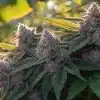
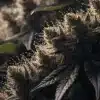
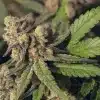
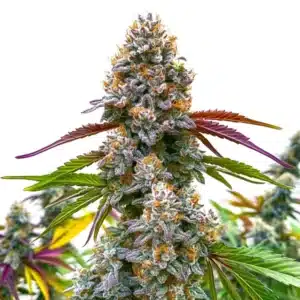
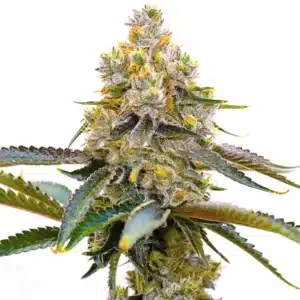
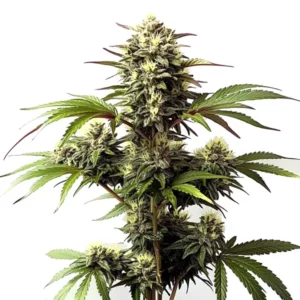
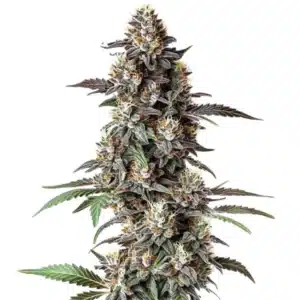
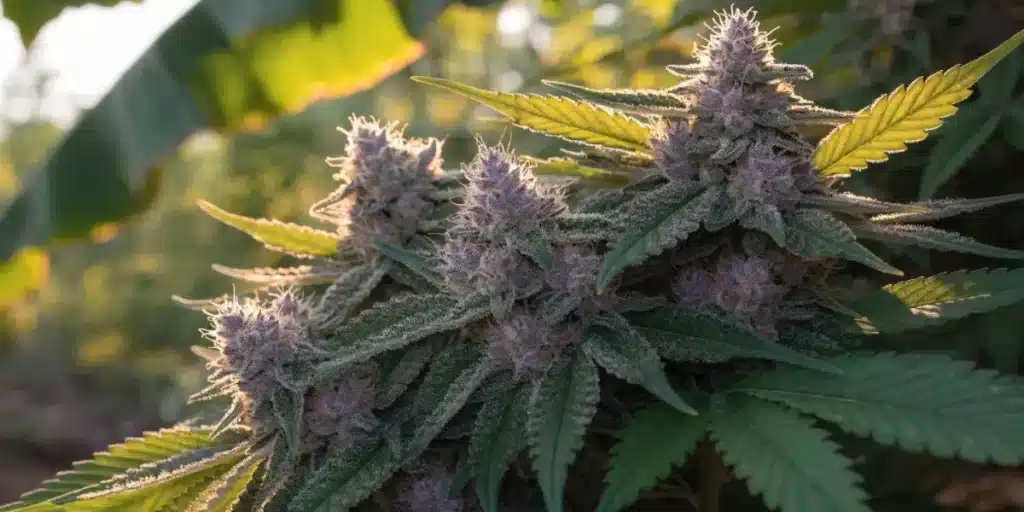
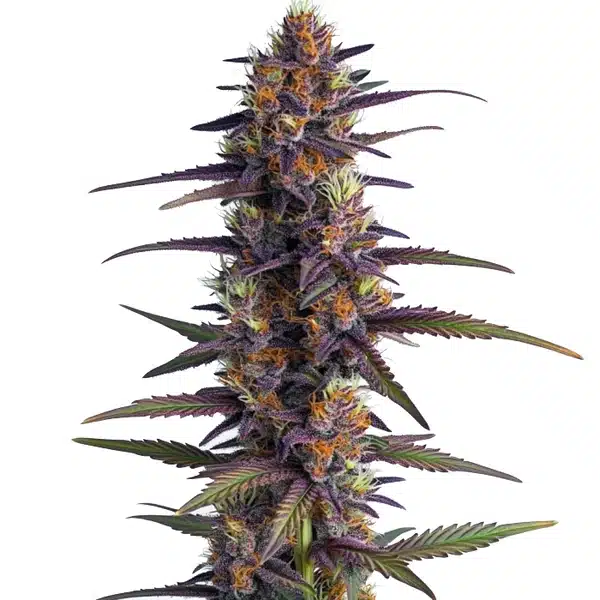
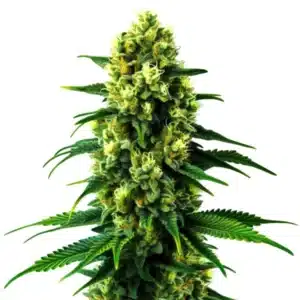
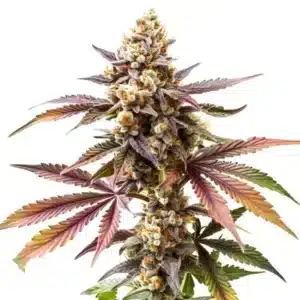
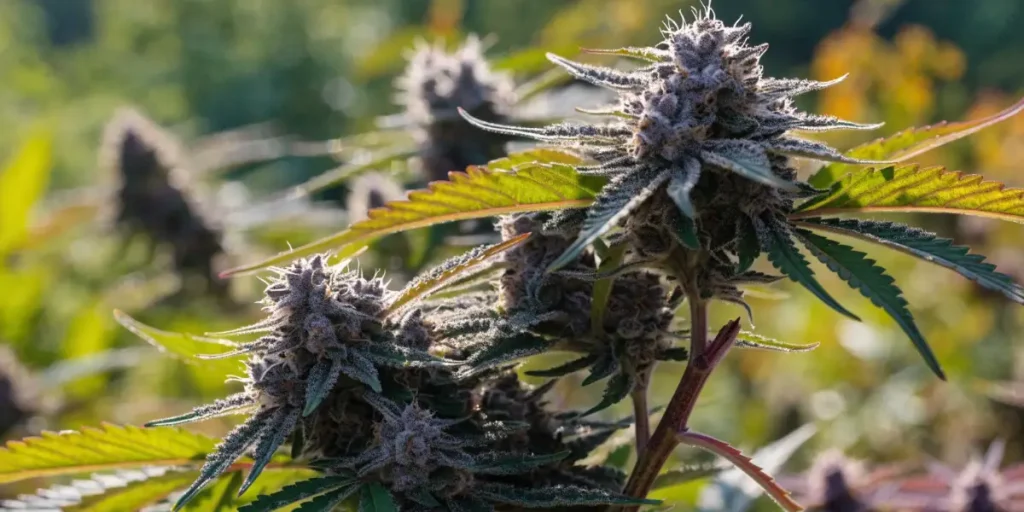
Purple Thai produces tall plants with long, airy, sativa-structured colas that can show purple hues as they mature, wrapped in a light coat of trichomes. It has the lanky, classic look of a true landrace sativa rather than a dense modern hybrid.
The aroma and flavor are sweet and spicy, with earthy and subtly fruity notes typical of old-school Thai genetics. It is a distinctive, vintage profile rather than a loud modern candy or gas, which suits its clear, energetic effect.
Effects
Purple Thai is a classic daytime sativa. The effect is energetic, uplifting, and strongly cerebral, sparking a happy, creative, and talkative headspace that many people reach for in the morning or early afternoon.
It is a clear-headed, active high rather than a sedating one, so it suits daytime use. If you enjoy pure, energizing sativas, you can explore more in our sativa seeds collection.
Growing Purple Thai
Purple Thai is a demanding but rewarding grow that reflects its landrace sativa heritage. It stretches tall and takes a long flowering time, so it suits patient growers with plenty of height, ideally in a warm climate or indoors with room to train it.
Cooler nights late in flower can bring out its purple color, and steady airflow keeps the long, airy colas healthy. For the full cultivation breakdown, including flowering time and yield, see our dedicated Purple Thai grow guide.
Why grow Purple Thai
Purple Thai is a strong pick if you want a genuine, old-school sativa with an energetic, cerebral high and a distinctive sweet, spicy flavor. It is a rare taste of pure landrace genetics in a market dominated by dense modern hybrids.
It is also a piece of cannabis history, an ancestor of legendary strains like Haze. For growers who value heritage, a clear daytime effect, and a classic sativa experience, Purple Thai is a connection to the roots of the plant.
A landrace piece of history
Purple Thai matters as much for its legacy as for its own effect. As a landrace-derived sativa, it carries genetics shaped over generations in their region of origin, and breeders drew on it to build some of the most famous sativas in the world, including the Haze family that reshaped modern cannabis.
For a grower, that means Purple Thai is both a demanding heritage strain and a window into where today’s energetic sativas came from. Growing it is a way to experience the pure, soaring character that later breeders refined, tamed, and crossed into the strains on shelves now.
Tips for growing a tall landrace sativa
Purple Thai behaves like the pure sativa it is, which means serious stretch and a long bloom. Flip it to flower much earlier than you would an indica, since it can double or more in height, and use training such as topping, LST, or a ScrOG net during veg to spread the canopy and keep the airy bud sites at an even level. Indoors, plan for that height before you flip rather than fighting it later.
Patience is non-negotiable with a landrace Thai. It takes a long flowering time, and harvesting early sacrifices both the soaring effect and the yield. Keep airflow strong through the loose, airy colas to prevent mold, let cooler nights late in flower coax out the purple color, and feed steadily through the extended bloom. The reward is a genuine, old-school sativa harvest that modern hybrids cannot replicate.
Who Purple Thai suits best
Purple Thai is a natural fit for experienced growers who want a pure, energetic landrace sativa and can give it the height, warmth, and patience it needs. Its clear, cerebral high suits daytime creativity and activity. If you want a fast, compact, sedating plant or a heavy body stone, a modern indica will suit you far better than this tall, old-school sativa.
Frequently asked questions
What strains make Purple Thai?
Purple Thai is a sativa-dominant landrace cross, generally traced to a Highland Thai and a Highland Oaxacan Gold line. That pure-sativa heritage gives it a soaring, energetic effect, a long flowering structure, and a sweet, spicy flavor. It is also an important ancestor of legendary strains, most notably in the family tree of Haze.
Is Purple Thai indica or sativa?
Purple Thai is a sativa-dominant, landrace-derived strain. The effect is energetic, uplifting, and strongly cerebral, sparking a happy, creative, and talkative headspace. That makes it a classic daytime strain for morning or early-afternoon use rather than an evening, sedating one. It is a clear-headed, active high.
What does Purple Thai taste like?
Purple Thai has a sweet, spicy flavor with earthy and subtly fruity notes typical of old-school Thai genetics. It is a distinctive, vintage profile rather than a loud modern candy or gas, which suits its clear, energetic effect. That classic landrace taste is part of what makes the strain a piece of cannabis history.
Why is Purple Thai important?
Purple Thai is a landrace-derived sativa and an ancestor of several legendary strains, most notably in the family tree of Haze. That makes it a cornerstone of sativa genetics. Growing it connects you to the pure, soaring character that later breeders refined and crossed into many of the energetic strains available today.
Is Purple Thai hard to grow?
Yes, it is demanding. As a landrace sativa, Purple Thai stretches tall and takes a long flowering time, so it rewards patient growers with plenty of height, ideally in a warm climate or indoors with room to train it. The payoff is a genuine, old-school sativa experience that modern hybrids do not replicate.