Proven PGR-Treated Cannabis Effects: Quality and Safety Essentials

PGR-treated cannabis refers to marijuana plants that have been exposed to plant growth regulators. These chemicals are used to manipulate the development of the plant, often making them more appealing in appearance. However, it’s crucial to consider both quality and safety aspects before opting for such cannabis. PGR-treated cannabis effects on quality and safety have become a hot topic among growers and users.
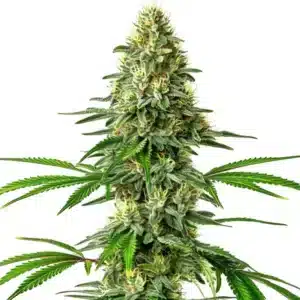
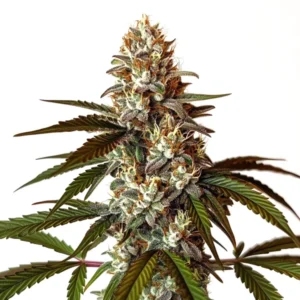
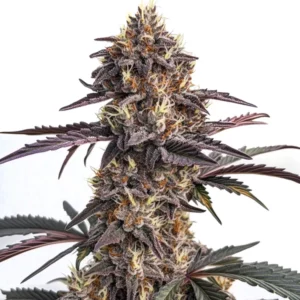
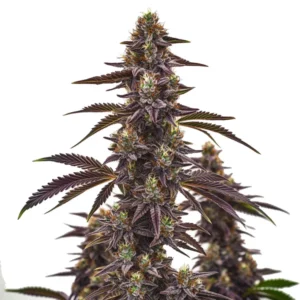
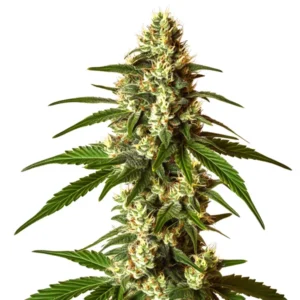
When looking at the PGR-treated cannabis quality impact, the physical appearance might seem impressive. Plants can appear bushier, with denser buds, which might attract first-time buyers. However, the internal quality, like flavor and aroma, often suffers. For instance, original strains like Gorilla G4 from Blimburn Seeds boast rich aromas that PGR-treated counterparts might lack.
Recommended Strains

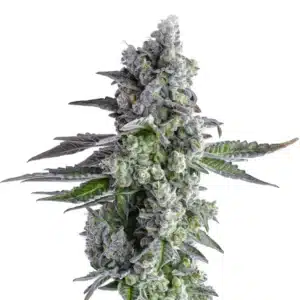
OG Kush

|
THC | 20% - 24% (High) |

|
Type | Feminized |

|
Yield | High |

|
Phenotype | 55% Indica / 45% Sativa |
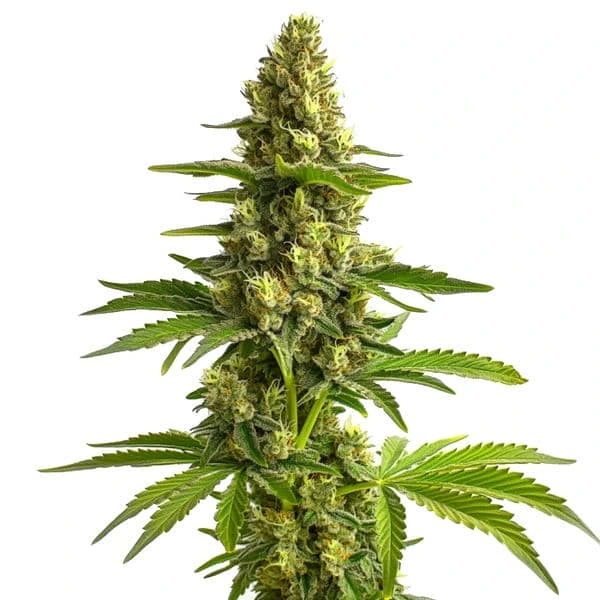
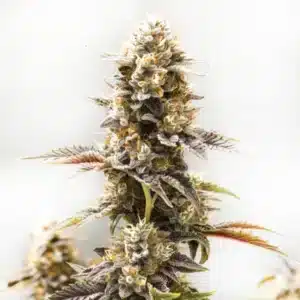
Bruce Banner #3
|
|
THC | 20% - 29% (High) |
|
|
Type | Feminized |
|
|
Yield | High |
|
|
Phenotype | 50% Indica / 50% Sativa |
Safety of PGR-treated cannabis consumption is another pressing concern. While the external look of the cannabis may seem fine, the chemicals used can pose potential health risks. The effects of PGR-treated cannabis on health can include respiratory issues and other long-term health implications. Many experienced users prefer natural growth methods to avoid these risks.
Quality Differences in PGR-Treated Cannabis
PGR-treated cannabis often shows significant differences in quality compared to naturally grown cannabis. The buds can appear more appealing, with a larger size and heavier weight. This is due to the chemicals promoting more cell division and growth, leading to denser buds. However, this growth comes at a cost.
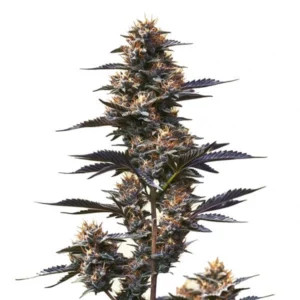
Typically, the flavor profile and potency may be compromised. A natural strain like Bruce Banner from Blimburn Seeds offers a robust taste and balanced effects that PGR-treated versions cannot match. The trade-off between appearance and quality is a crucial consideration for both growers and consumers.
Moreover, the PGR-treated cannabis quality impact extends beyond just flavor and aroma. The chemical composition of the plant can also be altered, affecting the overall cannabinoid profile. This shift can lead to a different experience for the consumer, one that may not align with the desired effects typically associated with the strain. Growers seeking to maintain strain integrity often steer clear of PGRs to preserve the quality differences in PGR-treated cannabis.
Beyond the immediate quality concerns, there is also the issue of consumer trust. As awareness of the PGR-treated cannabis effects on quality and safety grows, consumers are becoming more discerning. They are actively seeking out products that guarantee purity and authenticity, often turning to trusted brands like Blimburn Seeds, which prioritize natural cultivation methods.
Effects of PGR-Treated Cannabis on Health
Health impacts are a primary concern with PGR-treated cannabis. Certain plant growth regulators may leave residues that are harmful when inhaled. For instance, some PGRs used can be carcinogenic. This poses a significant risk to users who may unknowingly consume such products.
Smoking or vaporizing cannabis that contains these chemicals can lead to respiratory problems. Long-term exposure even at low levels can accumulate, increasing health risks over time. For safe consumption, many turn to trusted strains like OG Kush from Blimburn Seeds, known for its natural cultivation methods.
Besides to respiratory issues, there is the potential for other systemic health concerns. The effects of PGR-treated cannabis on health can extend to the liver and kidneys, where toxins may be processed and stored, leading to further complications. Over time, the accumulation of these substances can result in chronic health problems that are difficult to treat.
Furthermore, the presence of PGR-treated cannabis health risks underscores the importance of stringent testing and regulation within the industry. Consumers should demand transparency and opt for brands that provide lab-tested results to ensure the safety of PGR-treated cannabis consumption. This proactive approach helps mitigate risks and promotes healthier consumption practices.
Safety of PGR-Treated Cannabis Consumption
The safety of consuming PGR-treated cannabis is often debated. While no immediate dangers might be evident, the long-term health risks cannot be ignored. Studies on the safety of PGR-treated cannabis consumption suggest a need for caution, especially for regular users.
For those growing cannabis, knowing what goes into the cultivation process is vital. Choosing natural growth over chemical enhancement ensures safety and preserves the plant’s natural qualities. This is why many growers and users prefer strains from reputable sources like Blimburn Seeds.
An additional aspect of safety is the environmental impact of using PGRs. These chemicals can leach into the soil and waterways, potentially affecting local ecosystems. By opting for naturally grown cannabis, not only is personal safety prioritized, but environmental health is also considered, aligning with more sustainable agricultural practices.
Moreover, the safety of PGR-treated cannabis consumption is linked to the integrity of the supply chain. Ensuring that every step, from seed to sale, prioritizes health and safety can prevent the introduction of harmful substances. Consumers and growers alike are encouraged to support practices that emphasize transparency and responsibility, hallmarks of brands like Blimburn Seeds.
Promos & Deals
Real-Life Examples and Practical Advice
Imagine you’re a beginner looking to grow your first cannabis plant. The allure of large, dense buds might tempt you to use PGRs. However, considering the PGR-treated cannabis quality impact, you might end up with a product that lacks the desired potency and taste.
Experienced growers often advise starting with a strain known for its natural resilience and quality, such as Zkittlez from Blimburn Seeds. This strain can provide a rewarding growing experience without the need for chemical enhancements.
Another practical piece of advice is to educate yourself on the cultivation techniques that optimize plant health naturally. This includes knowing soil health, nutrient cycles, and light exposure. By mastering these fundamentals, growers can enhance their yields and quality without resorting to PGRs.
Additionally, networking with other growers and participating in community forums can provide valuable insights into best practices and emerging trends. Sharing experiences about the effects of PGR-treated cannabis on quality and safety can help cultivate a more informed and health-conscious community.
- Choose strains with naturally high yields to avoid using PGRs.
- Regularly test your soil and plants to ensure no chemical residues.
- Opt for organic fertilizers to maintain plant health and quality.
- Consider the long-term health implications before using PGR-treated cannabis.
- Always source seeds from trusted suppliers like Blimburn Seeds.
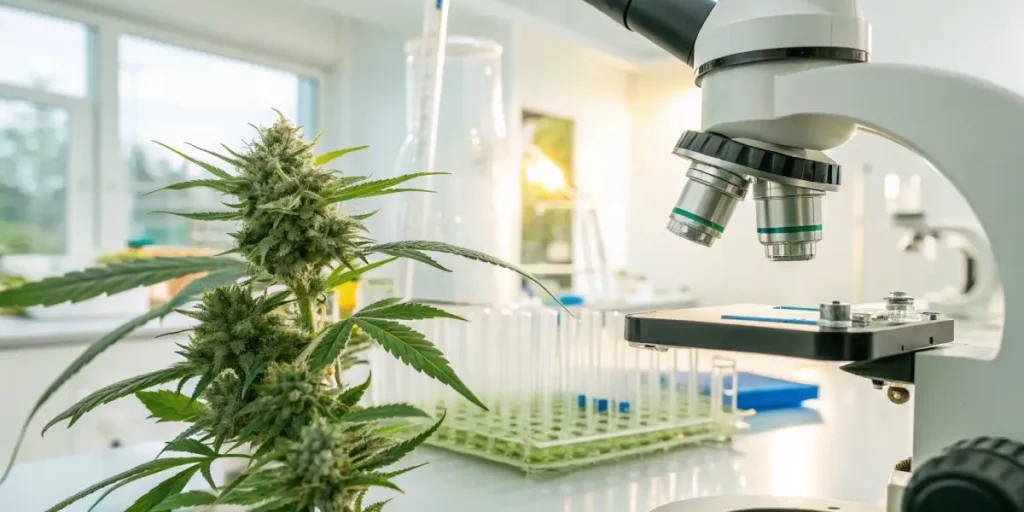
FAQs about PGR-treated cannabis effects on quality and safety
What are the main risks of PGR-treated cannabis?
PGR-treated cannabis can pose several health risks. The chemicals used in these treatments may leave harmful residues. When consumed, these residues can lead to respiratory issues and other health problems. Over time, exposure to these chemicals can accumulate in the body, potentially leading to more severe health concerns.
Additionally, PGRs can alter the natural chemical composition of the cannabis. This might affect not only the taste and aroma but also the overall safety of the product. It’s always advisable to opt for naturally grown cannabis to minimize these risks.
The potential for adverse reactions also extends to those with sensitive health conditions. Individuals with pre-existing respiratory or immune system issues may experience exacerbated symptoms, highlighting the need for caution when considering PGR-treated cannabis. Ensuring products are thoroughly tested and verified can mitigate these risks.
Furthermore, the environmental impact of PGRs should not be overlooked. These chemicals can contribute to soil degradation and water pollution, affecting broader ecological systems. By choosing products free from PGRs, consumers support more sustainable cultivation practices that protect both human health and the environment.
How does PGR-treated cannabis affect the quality of the plant?
While PGR-treated cannabis may look more appealing due to its denser buds and larger size, the internal quality often suffers. The flavors and aromas can be muted, and the potency might not match that of naturally grown cannabis. This is because the chemicals focus on external growth rather than enhancing the natural qualities of the plant.
For growers and users looking for cannabis that offers a rich experience, choosing strains like those from Blimburn Seeds, which are known for their natural growth and robust flavors, is recommended. The quality difference is significant and can impact the overall enjoyment of the product.
Moreover, the use of PGRs can lead to inconsistencies in cannabinoid and terpene profiles. This can result in unpredictable effects and experiences for consumers, undermining the reliability that many seek in their cannabis products. Maintaining consistency in quality is crucial for consumer trust.
To combat these issues, many cultivators are turning to breeding techniques that prioritize natural genetic potential. By selecting for traits that naturally enhance yield and potency, growers can achieve desirable results without compromising the quality that is often lost with PGR-treated cannabis.
Are there safe ways to enhance cannabis growth without PGRs?
Yes, there are several natural methods to enhance cannabis growth without resorting to PGRs. Organic fertilizers and natural soil amendments can boost plant health and yield. Additionally, proper light management and watering techniques can significantly impact growth.
Some strains, like those from Blimburn Seeds, are bred to thrive without the need for chemical enhancements. By selecting the right strains and employing natural cultivation techniques, growers can achieve impressive results while maintaining the plant’s quality and safety.
Innovative cultivation practices such as companion planting and permaculture can also support plant health and resilience. These methods promote biodiversity and soil health, creating a more sustainable growing environment that naturally enhances cannabis growth.
Furthermore, advancements in hydroponics and aeroponics provide alternative methods to boost yield and quality. These systems allow for precise control over nutrient delivery and environmental conditions, maximizing plant potential without the use of harmful chemicals.
What are some alternatives to PGR-treated cannabis?
Alternatives to PGR-treated cannabis include naturally grown strains that have not been exposed to chemical growth regulators. Many growers and users prefer organic options that guarantee no harmful residues are present in the final product.
Strains like GG4, Bruce Banner 3, and OG Kush from Blimburn Seeds are popular choices. These strains offer a balanced experience with rich flavors and aromas, ensuring a safe and enjoyable consumption.
Additionally, the rise of artisanal and craft cannabis has provided consumers with more options focused on quality and sustainability. These products often come from smaller operations that prioritize organic practices and attention to detail, offering an alternative to mass-produced, PGR-treated cannabis.
Consumers can also explore CBD-dominant strains that provide therapeutic effects without the psychoactive properties of THC. These strains are often cultivated with care to maintain purity and potency, offering a natural alternative to PGR-enhanced products.
Why do some growers still use PGRs despite the risks?
Some growers use PGRs because they can produce visually appealing plants with larger, denser buds. These characteristics can attract buyers looking for high yields and impressive-looking products. However, this often comes at the expense of the plant’s natural qualities and safety.
Despite the potential short-term benefits, the long-term health risks associated with PGR-treated cannabis make it a less appealing option for many informed consumers and responsible growers. The trend is shifting towards natural cultivation methods that prioritize quality and safety over appearance.
Economic pressures and market demands can also drive the use of PGRs. In competitive markets, the visual appeal of cannabis can significantly influence purchasing decisions, prompting some growers to prioritize appearance over quality and safety of PGR-treated cannabis consumption.
Nonetheless, consumer awareness and demand for transparency are leading to a gradual shift away from PGRs. As more consumers prioritize health and authenticity, growers who emphasize sustainable and natural practices, like those associated with brands such as Blimburn Seeds, are gaining favor in the market.