Essential Risk Assessment for PGR Residues in Inhaled Products

When diving into the world of cannabis cultivation, both new and experienced growers need to be aware of the potential risks associated with plant growth regulators (PGRs). These chemical substances are often used to influence plant growth and development. However, their residues in inhaled products can pose significant health risks. Conducting a thorough risk assessment for PGR residues in inhaled products is crucial to ensure safety and quality.
Risk assessment of PGR residues in inhalation products involves evaluating the potential hazards these chemicals might present when inhaled. By knowing the possibility of inhalation exposure to PGR residues, growers can take informed steps to minimize risks. This process also ensures that the final product is safe for consumers, whether it’s through smoking or vaporization.
Recommended Strains

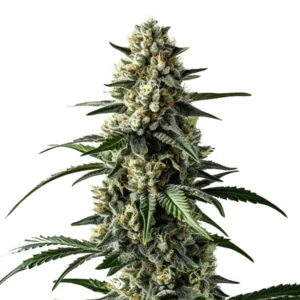
GG4

|
THC | 27% (High) |

|
Type | Feminized |

|
Yield | High |

|
Phenotype | 40% Indica / 60% Sativa |

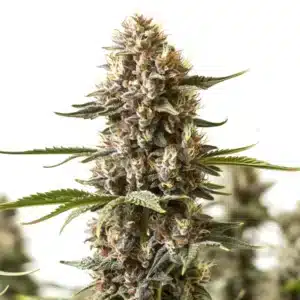
Blue Dream
|
|
THC | 17% - 24% (High) |
|
|
Type | Feminized |
|
|
Yield | High |
|
|
Phenotype | 50% Indica / 50% Sativa |
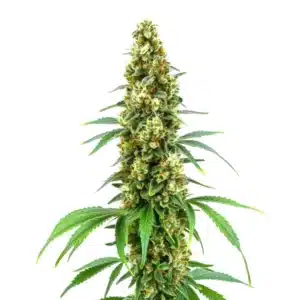
Take, for example, the popular strain GG4, available through Blimburn Seeds. As a high-yielding strain, growers might be tempted to use PGRs to enhance growth. However, by evaluating PGR residue risks in inhaled pharmaceuticals, producers can avoid unnecessary exposure to harmful substances, maintaining the strain’s integrity and safety.
What Are PGRs?
Plant growth regulators (PGRs) are chemicals used in agriculture to modify plant growth processes such as flowering, fruiting, and root growth. In cannabis cultivation, PGRs can be used to increase yields, enhance appearance, and improve plant strength. However, PGRs can leave residues on the plants, which may end up in the final inhaled product.
Some common PGRs include paclobutrazol, chlormequat chloride, and daminozide. These substances can have adverse effects on human health if inhaled, as they may lead to respiratory issues or other health concerns. Therefore, a safety analysis of inhaled product PGR residues is necessary to protect consumers.
Knowing the function of PGRs in plant cultivation requires acknowledging their dual nature. While beneficial for certain agricultural practices, their misuse can lead to unintended health risks. This is particularly relevant in cannabis products, where purity and safety are paramount for consumer trust and satisfaction.
Furthermore, the regulatory landscape surrounding PGR use is evolving, with more jurisdictions recognizing the need for stringent control. Cultivators must stay informed and adapt to these changes, ensuring that their practices align with both legal standards and consumer safety expectations.
Conducting a Risk Assessment
For effective risk assessment for PGR residues in inhaled products, it is important to identify which PGRs have been used during cultivation. This involves checking labels, consulting with suppliers, and possibly conducting laboratory tests. Identifying the PGRs is the first step towards a comprehensive assessment.
Next, evaluate the concentration levels of these PGR residues in the final product. This helps in determining whether the levels are within a safe range for human consumption. Employing lab testing is a reliable method to measure these concentrations accurately. Regular testing should be part of a grower’s routine to ensure ongoing safety.
Risk assessment of PGR residues in inhalation products also involves knowing the cumulative effect of multiple PGRs. It is not just the presence of a single PGR that matters, but the combined impact of all used substances. This holistic approach is crucial for a complete inhalation exposure to PGR residues risk evaluation.
Besides, growers should document all aspects of their cultivation process. This documentation not only aids in the risk assessment process but also provides transparency to consumers and regulatory bodies. By maintaining clear records, growers can more easily identify potential risks and implement corrective measures if necessary.
Promos & Deals

Real-Life Impact of PGR Residues
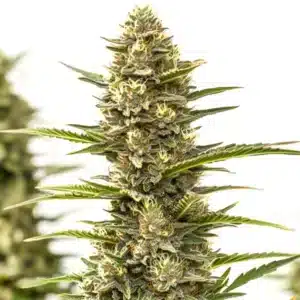
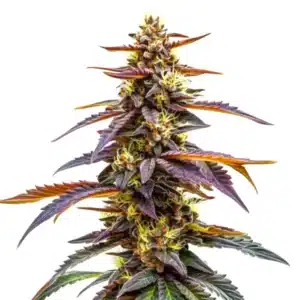
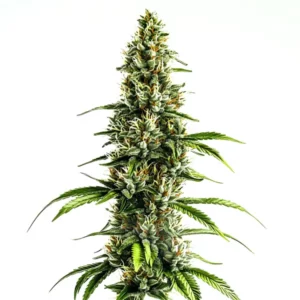
While PGRs can boost cannabis growth, their residues can negatively affect the final product’s safety. For example, a grower using PGRs on their Blue Dream strain from Blimburn Seeds might enhance yield but at the cost of potential health risks to users if residues remain on the buds.
Inhalation of PGR residues can lead to adverse health effects. Consumers may experience respiratory irritation, headaches, or even more severe consequences depending on the residue levels. This potential impact underlines the importance of PGR residue impact assessment in respiratory products.
The influence of PGR residues extends beyond consumer health; it can also affect market perception. Strains known for high PGR residue levels risk losing consumer trust, impacting brand reputation and sales. This highlights the commercial importance of rigorous risk assessments.
Moreover, the flavor and aroma of cannabis, which are critical to consumer satisfaction, can be compromised by PGR residues. This alteration in product quality further emphasizes the need for thorough evaluation and adoption of practices that prioritize natural growth processes.
Minimizing Risks
To minimize risks, growers should consider organic or natural alternatives to PGRs. These alternatives can promote plant growth without leaving harmful residues. Additionally, implementing good cultivation practices such as proper ventilation and controlled environment can reduce the need for chemical growth enhancers.
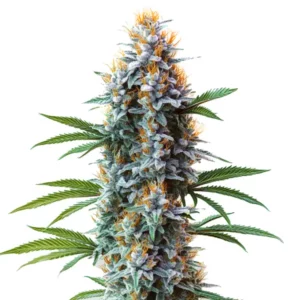
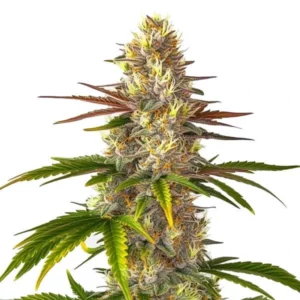
Another strategy is to choose strains that naturally exhibit desirable growth characteristics. For instance, the Tangie strain from Blimburn Seeds is known for its robust growth and impressive yields without the need for PGRs. Selecting such strains can help growers achieve their goals safely.
Education is a powerful tool in risk management. Providing growers with training on the potential impacts of PGRs and the benefits of risk assessment for PGR residues in inhaled products can significantly reduce the likelihood of harmful exposure.
Moreover, establishing a community of practice among growers can facilitate the exchange of knowledge and experiences, promoting best practices that enhance both safety and product quality. This collective approach can drive industry standards toward safer cultivation methodologies.

FAQs about risk assessment for PGR residues in inhaled products
What are the health risks of inhaling PGR residues?
Inhaling PGR residues can lead to a range of health issues, including respiratory problems, allergic reactions, and other more severe health effects. These risks depend on the type and concentration of PGRs used in the cultivation process. Therefore, evaluating PGR residue risks in inhaled pharmaceuticals is critical to ensure consumer safety.
Long-term exposure to certain PGRs can potentially lead to chronic health conditions. This makes it crucial for both growers and consumers to be aware of the sources of their cannabis products and the cultivation practices involved. Knowing the potential health implications is a key aspect of conducting a safety analysis of inhaled product PGR residues.
Furthermore, the impact of PGR residues on vulnerable populations, such as those with pre-existing respiratory conditions, should not be underestimated. Tailoring risk assessments to account for these groups can prevent significant health complications.
The continuous monitoring of health outcomes related to PGR exposure can provide valuable data for improving risk assessment methodologies, ensuring that they remain relevant and effective in protecting public health.
How can I ensure my cannabis is free from harmful PGR residues?
To ensure your cannabis is free from harmful PGR residues, purchase products from reputable sources that provide transparent information about their cultivation practices. Look for brands that conduct regular lab testing and offer Certificates of Analysis (COAs) for their products.
Additionally, consider growing your own cannabis using organic methods. This gives you control over what goes into your plants and allows you to avoid PGRs altogether. By conducting a thorough risk assessment for PGR residues in inhaled products, you can produce safer cannabis for personal use.
Choosing to support brands like Blimburn Seeds, known for their commitment to quality and transparency, can also ensure you are getting products that have undergone rigorous safety checks.
Ultimately, consumer awareness and demand for PGR-free products can drive industry standards, promoting safer cultivation methods and encouraging more brands to adopt clean growing practices.
Are there regulations for PGR residues in cannabis products?
Regulations for PGR residues in cannabis products can vary by region. Some areas have strict guidelines and testing requirements, while others may have looser regulations. It’s important for growers and consumers to be aware of the local laws and standards governing PGR use and residue limits.
As the industry evolves, more jurisdictions are implementing stricter regulations to address the safety concerns associated with PGR residues. Staying informed about these regulations and conducting regular risk assessments can help ensure compliance and consumer safety.
Regulatory frameworks are increasingly focusing on comprehensive testing requirements, including risk assessment of PGR residues in inhalation products. Adhering to these regulations not only ensures compliance but also enhances consumer confidence.
Besides, active participation in industry discussions about regulatory developments can provide growers with insights into future trends and expectations, allowing them to adapt proactively to new standards.
Can PGR residues affect the flavor and aroma of cannabis?
Yes, PGR residues can affect the flavor and aroma of cannabis. These chemicals can alter the natural terpene profile of the plant, resulting in a less desirable taste and smell. This can diminish the overall experience for consumers who value the distinctive characteristics of different strains.
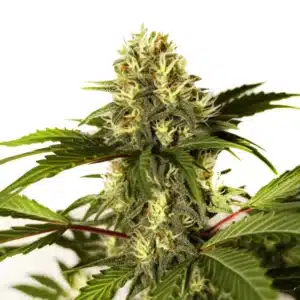
Choosing strains like Critical Daddy Purple from Blimburn Seeds, known for their natural flavor and aroma, can help maintain the quality of the final product. Proper risk assessment of PGR residues in inhalation products ensures that these natural properties are preserved.
The impact on flavor and aroma is not just a sensory issue but also a marker of quality and purity. Consumers seeking a premium experience often associate natural flavors and aromas with authenticity and craftsmanship.
By prioritizing the preservation of natural terpene profiles, growers can differentiate their products in a competitive market, offering consumers a purer, more enjoyable cannabis experience.
Why is lab testing important for assessing PGR residues?
Lab testing is crucial for assessing PGR residues because it provides accurate and reliable data on the concentration levels of these chemicals in cannabis products. This information is vital for conducting a thorough risk assessment for PGR residues in inhaled products and ensuring they are safe for consumption.
Through lab testing, growers can identify any potential contamination and take corrective actions before the products reach consumers. This process not only protects consumer health but also helps maintain the integrity and reputation of the brand.
Regular lab testing also aids in building a comprehensive database of PGR residue levels across different strains and cultivation methods. This data is invaluable for ongoing research and development, driving improvements in cultivation practices.
Moreover, transparent lab testing practices can enhance brand credibility, as consumers are increasingly demanding detailed information about the products they consume, including their safety evaluations.