Expert Guide: How to Test for Daminozide in Cannabis Easily

Testing for daminozide in cannabis is crucial for ensuring safety and quality. Daminozide, initially used as a plant growth regulator, poses health risks when present in marijuana. Therefore, it’s essential to know how to test for daminozide in cannabis effectively.
Daminozide contamination can occur during cultivation, particularly when growers seek to enhance growth. However, detecting daminozide residue in marijuana is straightforward if you follow the right procedures. Various methods are available to identify this chemical in your crops.
Recommended Strains
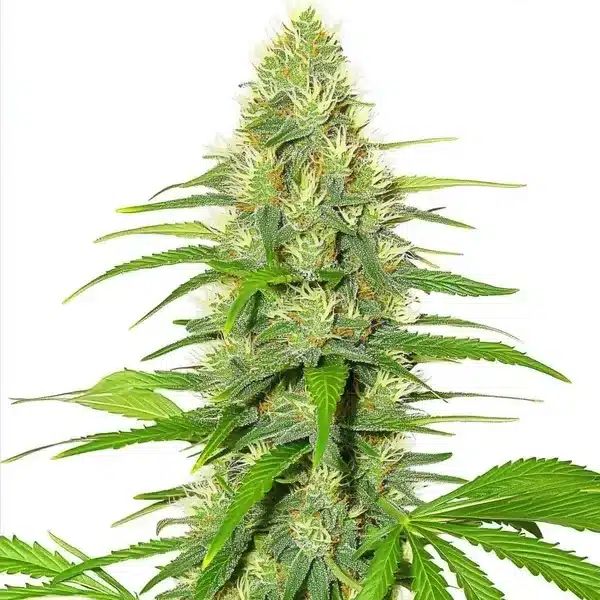
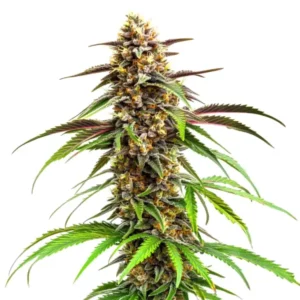
White Widow

|
THC | 18% - 25% (High) |

|
Type | Feminized |

|
Yield | High |

|
Phenotype | 45% Indica / 55% Sativa |

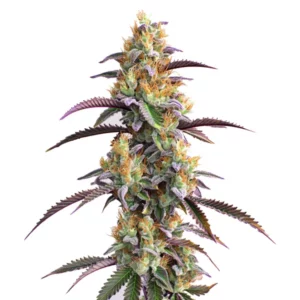
Purple Haze
|
|
THC | 14% - 18% (Medium) |
|
|
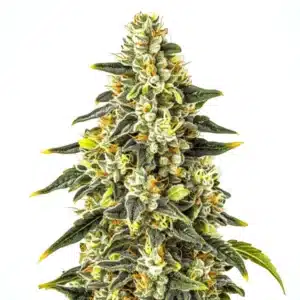
Type | Feminized |
|
|
Yield | Medium |
|
|
Phenotype | 40% Indica / 60% Sativa |
Many cannabis enthusiasts, from first-time buyers to seasoned growers, prioritize safety. Knowing how to test for daminozide in cannabis ensures you maintain the integrity of your product. Let’s explore the techniques and tools available for analyzing daminozide presence in hemp.
Why Testing for Daminozide Matters
Daminozide is not approved for use on cannabis plants. Its presence can lead to health issues and legal complications. Testing daminozide levels in cannabis helps prevent these problems, ensuring your products are safe for consumption.
For growers, detecting daminozide residue in marijuana is a sign of maintaining high cultivation standards. Whether you’re growing Blimburn Seeds White Widow or GG4, ensuring your crops are free from harmful chemicals is paramount.
Knowing how to test for daminozide in cannabis is vital for legal compliance and consumer trust. Authorities are increasingly vigilant about the presence of unapproved substances in cannabis products. By implementing effective testing methods, growers can avoid potential fines and recalls.
Furthermore, the reputation of a brand like Blimburn Seeds depends on the consistent quality and safety of its products. Regular testing fortifies customer confidence and strengthens market position. Testing daminozide levels in cannabis not only protects consumers but also safeguards your business interests.
Promos & Deals


Common Testing Methods for Daminozide
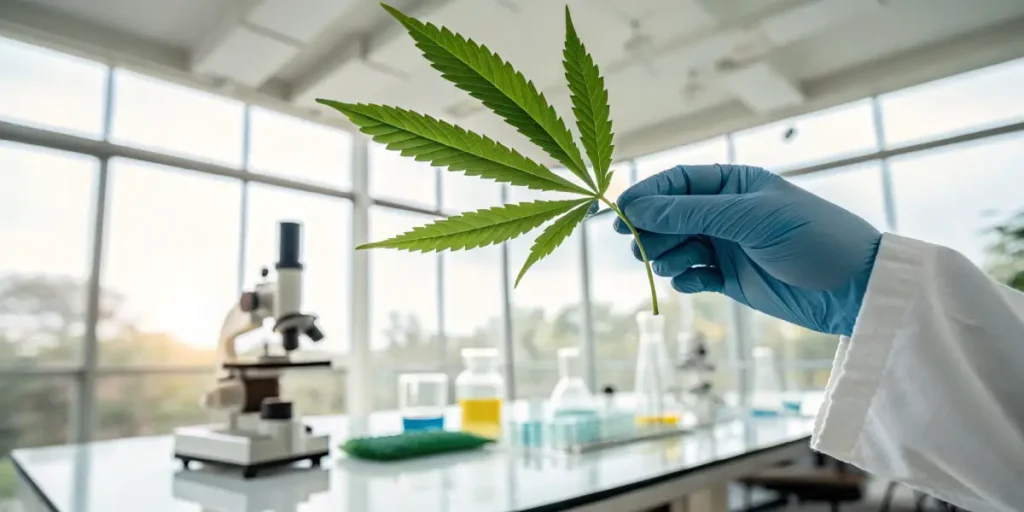
Several methods are available for testing daminozide levels in cannabis. High-performance liquid chromatography (HPLC) is a sophisticated technique used by many labs. It separates and quantifies components in a sample, providing precise results.
Another method is gas chromatography-mass spectrometry (GC-MS). This technique is effective for detecting daminozide residue in marijuana. It combines gas chromatography and mass spectrometry to identify substances in a sample.
These methods to identify daminozide in weed are crucial for ensuring accuracy. Labs equipped with these technologies can deliver comprehensive results, helping growers maintain compliance and safety. Professional testing services are invaluable for large-scale operations.
Moreover, advancements in analytical techniques continue to improve the sensitivity and precision of cannabis testing. As technology evolves, the industry can expect more efficient and cost-effective solutions for analyzing daminozide presence in hemp. Staying informed about these developments is key for forward-thinking growers.
Home Testing Kits
For those who prefer a DIY approach, home testing kits are available. These kits provide a convenient way to conduct a cannabis daminozide contamination test. While not as accurate as lab tests, they offer quick insights.
Home kits usually involve a simple process. You collect a sample, apply a testing solution, and compare the results against a color chart. This method is user-friendly, making it accessible even for first-time buyers.
Besides to ease of use, home testing kits offer a cost-effective option for regular monitoring. They are particularly beneficial for small-scale growers looking to maintain the quality of their cannabis without investing in expensive lab tests. However, knowing the limitations of these kits is crucial to avoid misinterpretations.
Despite their convenience, home kits should complement, not replace, more detailed analyses. When growing premium strains like Blimburn Seeds Purple Haze, combining home testing with periodic lab verification ensures the highest standards of safety and quality.
Sending Samples to a Lab
Professional lab testing is the most accurate method for analyzing daminozide presence in hemp. Laboratories have advanced equipment and expertise to deliver precise results. This option is ideal for growers with larger operations.
When sending samples to a lab, ensure they’re properly labeled and packaged. Labs provide detailed reports, helping you make informed decisions about your cultivation practices. This approach is crucial for maintaining quality, especially with high-value strains like GG4.
Choosing the right laboratory is a critical step in the testing process. Look for labs with a strong track record and accreditation in cannabis testing. Their expertise in detecting daminozide residue in marijuana will be instrumental in achieving reliable results.
Moreover, fostering a relationship with a trusted lab can streamline the testing process, ensuring timely results and recommendations. This partnership is beneficial for ongoing quality assurance and can enhance your cultivation practices over time.
Implementing a Regular Testing Routine
Establishing a routine for testing daminozide levels in cannabis is beneficial. Regular testing helps detect contamination early, preventing health hazards and ensuring compliance with regulations.
For growers, a testing schedule should align with your cultivation cycle. Test at different stages of growth to monitor daminozide levels effectively. This proactive approach enhances crop safety and quality.
Regular testing routines not only help in early detection but also provide valuable data over time. Analyzing trends in test results can help identify potential sources of contamination, enabling more targeted interventions. This data-driven approach is essential for optimizing growing conditions and product quality.
Furthermore, a well-established routine builds discipline and consistency in cultivation practices. For growers of Blimburn Seeds’ strains, adhering to a regular testing schedule ensures that each batch meets the highest safety standards, reinforcing customer trust and satisfaction.
Using Technology for Consistent Testing
Technology plays a vital role in modern cannabis cultivation. Digital tools and apps can assist in planning and tracking your testing routine. These technologies help streamline the testing process, making it easier to manage.
By leveraging technology, you can set reminders and log results for better analysis. This method is particularly useful for large-scale operations where manual tracking might be challenging.
Advanced software solutions can integrate with lab testing services, providing seamless data transfer and analysis. These platforms offer growers real-time insights into their cultivation practices, enhancing decision-making and efficiency. Such integration is invaluable for maintaining high standards in cannabis production.
Additionally, technology can facilitate remote monitoring, allowing growers to track testing results from anywhere. This capability is particularly advantageous for operations with multiple cultivation sites, ensuring uniform quality across all locations.
FAQs about how to test for daminozide in cannabis
What is daminozide, and why is it used?
Daminozide, also known as Alar, is a chemical used as a plant growth regulator. It helps improve the size, color, and firmness of fruits. However, it is not approved for use on cannabis plants due to potential health risks.
In cannabis cultivation, avoiding daminozide is crucial. Using this chemical can lead to contamination, making it unsafe for consumption. Therefore, testing daminozide levels in cannabis is essential for maintaining safety.
Knowing the function and risks of daminozide underscores the importance of rigorous testing protocols. By comprehensively analyzing daminozide presence in hemp, growers can prevent potential health hazards and ensure compliance with industry standards.
Besides, awareness of chemicals like daminozide informs better cultivation practices. Growers can focus on sustainable and safe alternatives, thus enhancing the overall quality of cannabis products and protecting consumer health.
Are home testing kits reliable for detecting daminozide?
Home testing kits offer a convenient way to conduct a preliminary cannabis daminozide contamination test. They are user-friendly and provide quick insights. However, their accuracy may not match professional lab tests.
For more precise results, especially with valuable strains like White Widow, consider sending samples to a lab. Home kits are useful for regular monitoring but should not replace comprehensive lab testing.
While home kits present an accessible option, growers should remain cautious of their limitations. Results can vary based on the kit’s quality and the user’s adherence to instructions. Ensuring accuracy in testing daminozide levels in cannabis often requires complementary lab analysis.
Ultimately, the choice between home testing and lab testing depends on the grower’s objectives and resources. For consistent quality assurance, combining both methods is recommended, particularly for premium strains from Blimburn Seeds.
How often should I test my cannabis for daminozide?
Regular testing is recommended throughout the cultivation process. Start testing early in the growth cycle and continue until harvest. This approach helps identify contamination at different stages.
For consistent results, establish a testing schedule. Frequency may vary depending on the strain and cultivation practices. Regular testing ensures you maintain high-quality, safe cannabis products.
Determining the optimal testing frequency involves considering factors such as the specific strain, environmental conditions, and historical contamination levels. Tailoring the schedule to your unique operation can improve efficiency and effectiveness.
Moreover, integrating testing into the overall cultivation strategy supports proactive management. For growers of Blimburn Seeds’ products, this comprehensive approach ensures each crop meets the desired standards of safety and quality.
What should I do if I find daminozide in my cannabis?
If testing reveals daminozide contamination, take immediate action. Remove affected plants and assess your cultivation practices. Consider consulting with experts to address and prevent further contamination.
Implementing preventive measures, such as choosing daminozide-free products and practices, is crucial. Regular testing and monitoring help maintain the safety and quality of your cannabis crops.
Besides to corrective measures, conducting a thorough investigation into the source of contamination is essential. Identifying and addressing the root cause will prevent recurrence and protect future crops.
Furthermore, documenting these incidents and responses creates a valuable resource for continuous improvement. This proactive stance not only safeguards current operations but also contributes to the long-term success of your cannabis cultivation endeavors.
Can I prevent daminozide contamination in my cannabis crop?
Yes, prevention is possible with proper practices. Choose daminozide-free fertilizers and growth regulators. Verify that your suppliers adhere to safety standards.
Regular testing is also a preventive measure. By consistently analyzing daminozide presence in hemp, you can detect and address contamination early. This proactive approach ensures a safe and high-quality cannabis crop.
Additionally, implementing best practices in cultivation and handling reduces the risk of contamination. Educating staff on proper procedures and maintaining clean facilities are integral to preventing daminozide presence.
Collaborating with trusted suppliers like Blimburn Seeds can further fortify your preventive measures. Their commitment to quality and safety aligns with your goals of producing superior cannabis products free from harmful chemicals.