Best Light Dep Strains for Optimal Cannabis Yields

Unlock the potential of cannabis cultivation with light dep strains, which are engineered for rapid flowering and robust growth. Key terpenes like Myrcene and Limonene enhance flavor and effects, while flowering times as short as 8 weeks ensure swift harvests. Selecting the right strain can significantly impact your yield and overall cultivation success.
Light Dep Weed: A Cultivation Revolution
What is Light Dep Weed?
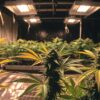
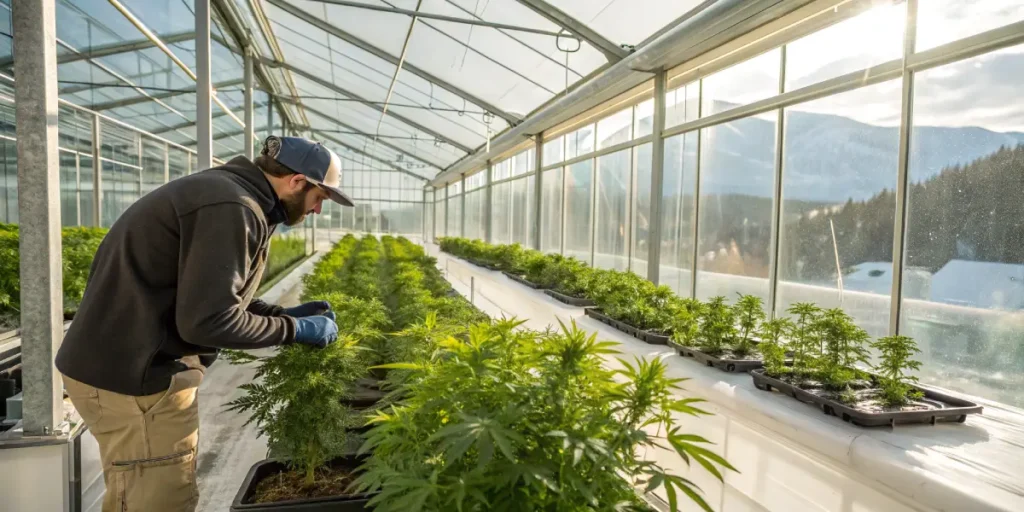
Light dep weed refers to cannabis grown using light deprivation techniques, which simulate shorter daylight hours to induce early flowering. This method allows for precise control over the plant’s growth cycle, enabling multiple harvests per year. By covering plants with blackout tarps, you can mimic the natural shortening of days, prompting the plants to flower sooner.
Recommended Strains

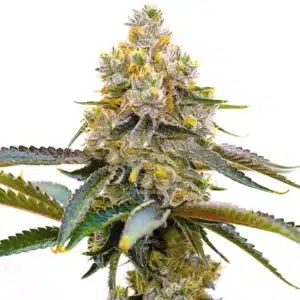
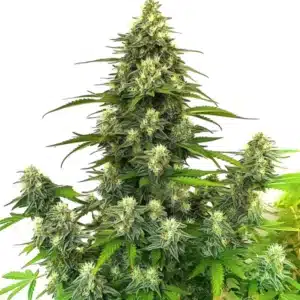
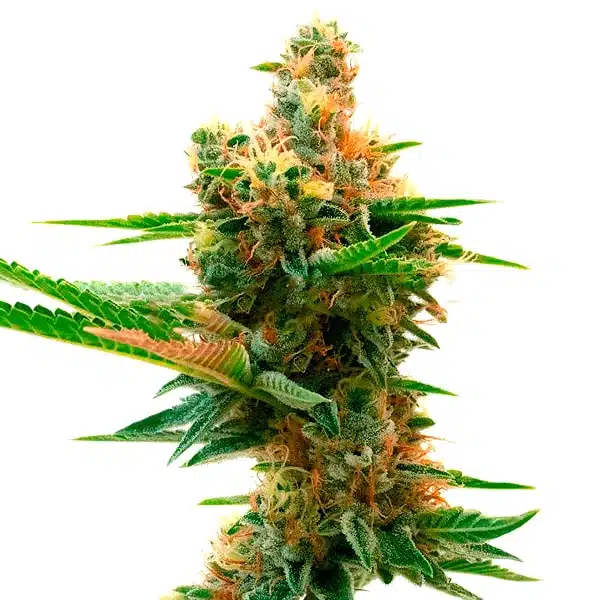
Glookies Autoflower

|
THC | 22% - 25% (High) |

|
Type | Autoflowering |

|
Yield | High |

|
Phenotype | 70% Indica / 30% Sativa |
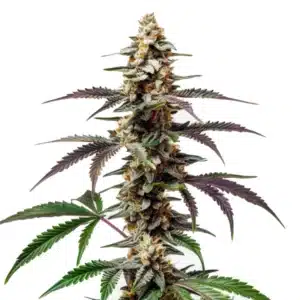
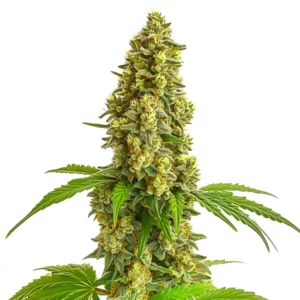
Island Sweet Skunk
|
|
THC | 18% - 23% (Medium) |
|
|
Type | Feminized |
|
|
Yield | High |
|
|
Phenotype | 25% Indica / 75% Sativa |
For successful light dep cultivation, plants require at least 8 hours of direct sunlight to thrive. Indica strains with mountainous genetics are particularly suited to this method due to their ability to flourish in lower light conditions. Ensuring complete darkness during the night cycle is crucial to prevent revegetation, which can occur if light leaks disrupt the dark period.
Benefits of Light Dep Techniques
Light dep techniques offer several advantages, including faster harvests and improved bud quality. By controlling the flowering period, you can optimize your harvest schedule to align with market demands or personal preferences. This method is particularly beneficial in avoiding theft, as it allows for discreet and timely harvests.
However, managing a light dep setup requires diligence, as environmental factors like humidity and pests can pose challenges. Proper ventilation and pest control measures are essential to maintain plant health and maximize yield. Despite the initial setup costs, the long-term benefits make light dep cultivation a worthwhile investment for serious growers.
Promos & Deals
Selecting the Best Light Dep Strains
Key Characteristics of Light Dep Strains
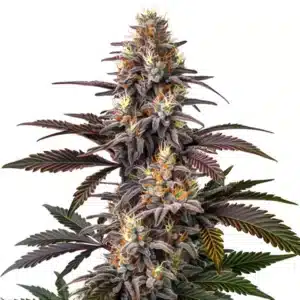
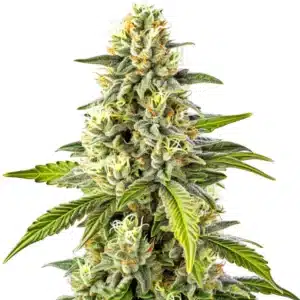
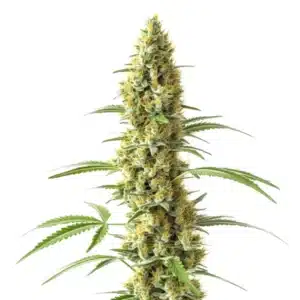
When choosing light dep strains, prioritize those with short flowering times and resilience to environmental stressors. Strains like Gelato 41 and GG4 are ideal due to their rapid flowering periods of 8-9 weeks and high THC content, reaching up to 30%. These strains are known for their dense, resinous buds, which are highly sought after in the market.
Compact growth is another desirable trait, as it facilitates easier management under tarps or in greenhouses. Strains with unique terpene profiles, such as Myrcene and Limonene, offer distinctive aromas and flavors that can enhance the appeal of your harvest. Selecting strains with these characteristics ensures a successful light dep cultivation experience.
Top Strains
For year, consider strains like Gelato 41, known for its creamy flavor and balanced growth, and GG4, which offers sticky, resin-covered buds. Both strains thrive in light dep environments, producing high yields and potent effects. Super Lemon Haze, with its citrusy aroma and energizing effects, is another excellent choice, though it requires a slightly longer flowering period.
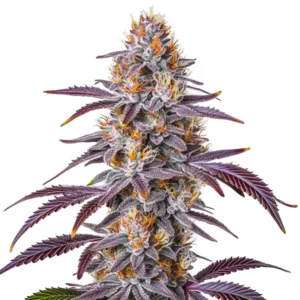
Other top contenders include Wedding Cake, which is resilient and delivers heavy yields, and Purple Punch, valued for its speed and rich grape notes. Each of these strains offers unique benefits, making them ideal for light dep setups.
| Feature | Gelato 41 | GG4 | Super Lemon Haze |
|---|---|---|---|
| THC Content | 25-30% | 30% | 20-25% |
| Flowering Time | 8 weeks | 8-9 weeks | 9-10 weeks |
| Dominant Terpene | Myrcene | Caryophyllene | Limonene |
| Yield | 1.5 oz/ft² (450 g/m²) | 2 oz/ft² (600 g/m²) | 1.8 oz/ft² (550 g/m²) |
| Flavor Profile | Creamy, Dessert-like | Earthy, Pine | Citrus, Sweet |
Comparing Light Dep and Light Assist Weed
Pros and Cons of Each Method
Light dep cultivation allows for precise control over flowering times, enabling multiple harvests annually. This method is ideal for outdoor or greenhouse setups where natural light can be manipulated. However, it requires careful management to prevent light leaks, which can disrupt the flowering cycle and lead to revegetation.
In contrast, light assist weed involves supplementing natural light with artificial sources to extend daylight hours. This method is beneficial in regions with shorter growing seasons but can increase operational costs due to energy consumption. Both methods have their place, depending on environmental conditions and cultivation goals.
Professional Tips for Light Dep Cultivation
- Maintain 58-62% RH during the curing process to preserve terpenes and prevent mold. Use a digital hygrometer for accuracy.
- Ensure complete darkness during the night cycle to avoid revegetation. Even minor light leaks can delay flowering.
- Use strains with short flowering times, like Gelato 41, to maximize harvests within a limited growing season.
- Implement organic pest control to protect plants from infestations without affecting bud quality.
- Monitor temperature fluctuations closely, keeping it between 68°F – 77°F (20°C – 25°C) to prevent plant stress.
- Consider the upfront cost of setting up a light dep system as an investment in higher quality and yield.
FAQs on Light Dep Strains
How to store light dep weed for maximum freshness?
Store light dep weed in airtight glass jars at 58-62% RH and 59-70°F (15-21°C) to maintain potency and flavor. Avoid exposure to light and air to prevent degradation. Use humidity packs to regulate moisture levels and ensure long-term freshness.