Expert Guide: Heavy Metals in Cannabis Explained & Mitigated

Heavy metals in cannabis explained means looking at what happens when elements like lead, cadmium, and mercury end up in your favorite plant. These metals can sneak in during cultivation. They might enter through the soil, water, or even the air. Once in the plant, they can make their way into your system, potentially causing health issues.
What are the health effects of metals in cannabis? If consumed over time, they can lead to serious health risks. For instance, lead exposure can harm the nervous system, while cadmium is linked to kidney damage. Knowing how these metals affect your health is crucial for both personal safety and enjoyment.
Recommended Strains
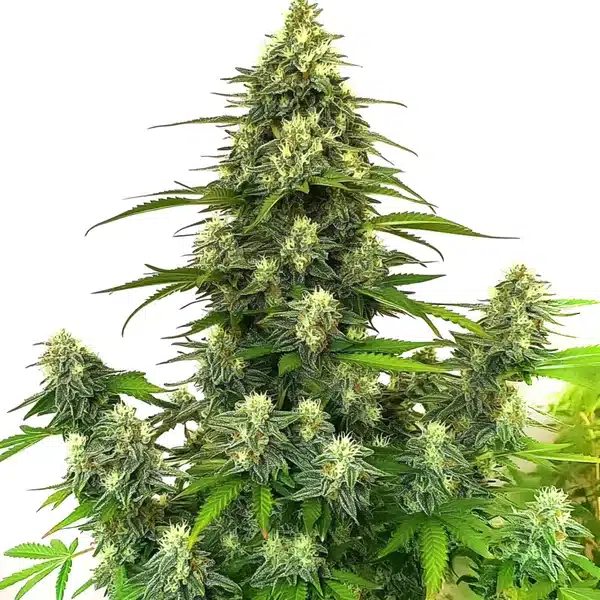
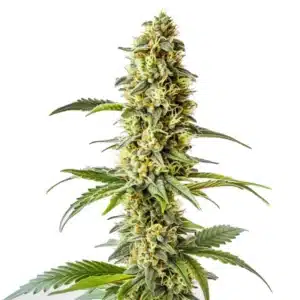
GG4 Autoflower

|
THC | 18% - 24% (High) |

|
Type | Autoflowering |

|
Yield | High |

|
Phenotype | 40% Indica / 60% Sativa |

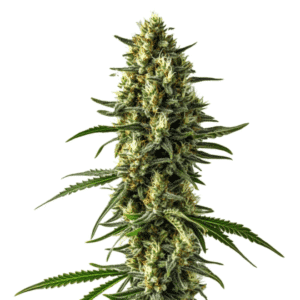
GG4
|
|
THC | 27% (High) |
|
|
Type | Feminized |
|
|
Yield | High |
|
|
Phenotype | 40% Indica / 60% Sativa |
Growers need to be aware of metals contamination in cannabis explained by environmental factors. This is crucial for ensuring a safe product. By knowing the sources of heavy metals in cannabis cultivation, growers can take action to mitigate these risks. Let’s delve deeper into how these elements find their way into cannabis and what can be done about it.
Sources of Metals in Cannabis Cultivation
Heavy metals can enter cannabis plants through several channels. The soil is a primary source, especially if it’s been previously used for industrial activities. Using contaminated water for irrigation can also introduce these metals to the plants.
Another source is airborne particles from industrial pollution. These particles can settle on the plants and be absorbed. Additionally, fertilizers and pesticides may contain metals. Choosing organic and tested products can help reduce this risk.
Knowing heavy metals contamination in cannabis explained in the context of environmental sources is essential for growers. The geographical location of a cultivation site can play a significant role, as areas near industrial zones may have higher levels of pollutants. Growers should conduct thorough site assessments to identify potential environmental hazards.
Furthermore, the choice of materials used in cultivation, such as pots and tools, should be scrutinized. Metals used in equipment can leach into the soil, adding to the contamination. By selecting materials that are non-reactive and safe, growers can further reduce the risks associated with heavy metals in cannabis cultivation.
Promos & Deals


Testing for Heavy Metals in Cannabis Products
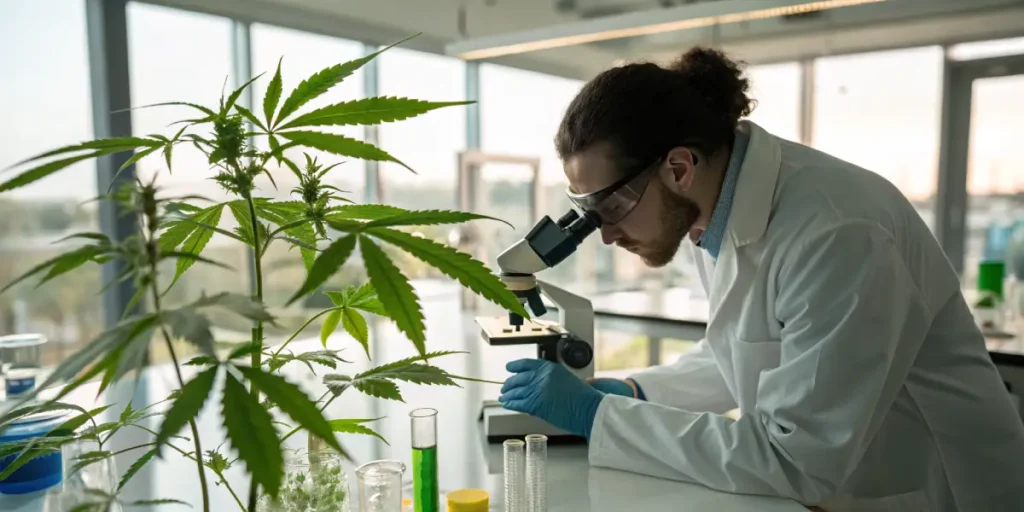
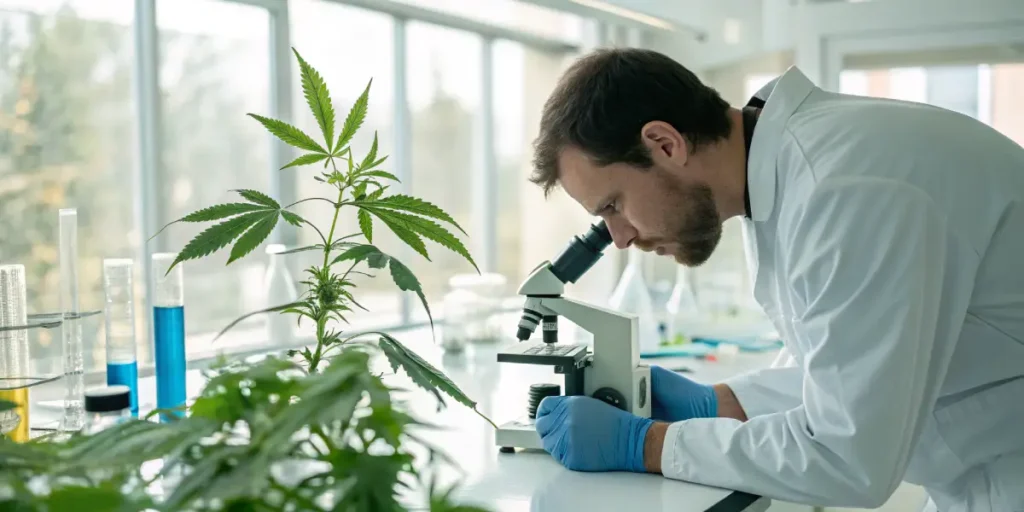
Testing for metals in cannabis products is a crucial step in ensuring a safe experience for consumers. Labs use advanced techniques to detect and quantify the presence of heavy metals in cannabis. This process involves analyzing samples for traces of harmful elements.
Regular testing is essential for both growers and consumers. For growers, it means they can adjust their cultivation practices accordingly. For consumers, it provides peace of mind that they’re consuming a product free from harmful contaminants.
Testing for heavy metals in cannabis products involves not only advanced laboratory techniques but also a commitment to regular monitoring. By establishing testing schedules, growers can track trends and identify potential issues early. This proactive approach allows for timely interventions, ensuring the ongoing safety of the product.
Consumers should seek out brands like Blimburn Seeds that prioritize transparency in their testing processes. Detailed lab reports should be readily available, providing assurance of the product’s safety. This level of detail helps consumers make informed choices and supports trust between growers and users.
Strategies to Mitigate Heavy Metals in Cannabis
To mitigate heavy metals, start with clean soil. Testing soil before planting can reveal any potential issues. Opt for high-quality, uncontaminated soil to minimize risks. Using raised beds can also help, as they allow for better control over soil quality.
Water quality is another critical factor. Use filtered or tested water to reduce the chances of introducing metals. This step is especially important in areas with known water contamination issues.
Implementing strategies to mitigate heavy metals in cannabis requires a multifaceted approach. Besides to using clean soil and water, integrating crop rotation practices can also help. By changing the types of plants grown in a plot, growers can prevent the buildup of specific contaminants, maintaining soil health over time.
Another effective strategy is the use of phytoremediation plants, which can naturally absorb heavy metals from the soil without harming the cannabis plants. This approach helps in cleaning up contaminated areas and reducing potential risks. By incorporating these plants into the cultivation environment, growers can enhance their mitigation efforts.
Health Effects of Heavy Metals in Cannabis Consumption
The health effects of heavy metals in cannabis consumption can be severe. Long-term exposure can lead to chronic health issues. For instance, mercury exposure is known to affect the nervous system and can be particularly harmful to pregnant women.
Consuming cannabis with heavy metals over time can lead to a buildup in the body. This accumulation can cause symptoms like fatigue, headaches, and more severe conditions such as organ damage. Being aware of these risks is crucial for making informed choices.
Knowing heavy metals risks in cannabis consumption helps consumers make better decisions. Awareness of the potential health effects of these contaminants, such as cognitive decline and cardiovascular issues, underscores the importance of consuming products that have been rigorously tested for safety.
Consumers should remain informed about the sources of metals and the testing methods used by brands. By prioritizing safety and choosing reputable sources like Blimburn Seeds, consumers can enjoy cannabis with confidence, knowing they are minimizing potential health risks.
Practical Steps for Growers to Minimize Risks
Growers can take several practical steps to minimize heavy metals risks. First, select strains that are less prone to absorbing these metals. For example, GG4 Auto from Blimburn Seeds is bred for resilience, making it a reliable choice.
Implementing good agricultural practices is crucial. This includes regular soil and water testing, as well as choosing fertilizers that are free from heavy metals. Organic options are generally safer and can contribute to a healthier crop.
Maintaining a clean growing environment also helps. Ensure that equipment and tools are free from contaminants. Regular cleaning and maintenance prevent the introduction of harmful substances to your plants.
Practical steps for minimizing risks also include establishing a comprehensive monitoring system. By keeping detailed records of soil and water tests, as well as the use of fertilizers and other inputs, growers can identify patterns and potential problems early, allowing for timely interventions.
Educating the cultivation team on the importance of preventing heavy metals contamination in cannabis explained is another vital step. Training sessions and regular updates on best practices ensure that everyone involved in the growing process is aware of the risks and knows how to mitigate them effectively.
FAQs about heavy metals in cannabis explained
What are common heavy metals found in cannabis?
Common heavy metals found in cannabis include lead, cadmium, mercury, and arsenic. These elements can enter the plant through various environmental sources, such as contaminated soil, water, or air. Knowing these sources helps in taking preventive measures during cultivation.
Lead often comes from industrial areas, while cadmium can be present in phosphate fertilizers. Mercury contamination is rare but can occur through atmospheric deposition. Arsenic may be introduced through contaminated water sources or certain pesticides.
Identifying these common heavy metals in cannabis is crucial for growers to implement proper prevention strategies. By knowing the various sources of contamination, such as industrial runoff or the use of certain pesticides, growers can take targeted measures to reduce the risk of these metals entering their crops.
Besides to environmental sources, the genetic makeup of certain cannabis strains may influence their ability to absorb metals. Selecting strains with lower uptake potential is a proactive way to mitigate contamination risks, ensuring a safer product for consumers.
How can consumers ensure their cannabis is free of heavy metals?
Consumers can ensure their cannabis is free of heavy metals by purchasing products from reputable brands that conduct regular testing. Look for lab reports or certifications that confirm the absence of these harmful elements in the product.
Engaging with brands that prioritize transparency and safety, like Blimburn Seeds, is a smart move. They offer detailed information about their growing practices and testing procedures, ensuring consumers receive safe and clean cannabis.
Researching and choosing brands with a strong commitment to quality assurance and testing is key for consumers who wish to avoid heavy metals contamination in cannabis explained. Detailed lab results should indicate not only the absence of heavy metals but also provide information on other potential contaminants.
Consumers should also stay informed about the latest regulations and standards regarding heavy metals in cannabis explained. Being aware of these guidelines allows consumers to ask informed questions and demand higher safety standards from the brands they support.
Are organic cannabis products free from heavy metals?
While organic cannabis products are generally less likely to contain heavy metals, they are not completely immune. Organic farming practices focus on natural inputs, reducing the risk of contamination. However, heavy metals can still be present in the environment.
It’s essential for organic growers to test their soil and water regularly. By doing so, they can identify and address any potential contamination sources. This proactive approach ensures the production of clean and safe cannabis.
Organic cannabis products offer a promising approach to reducing heavy metals contamination, but vigilance is still required. Soil amendments and water sources must be carefully monitored and tested to ensure they do not contribute to heavy metals contamination in cannabis explained.
Even in organic farming, environmental factors such as air quality and nearby industrial activities can introduce risks. Regular testing and adherence to stringent organic standards help mitigate these concerns, providing consumers with a safer option.
What testing methods are used to detect heavy metals in cannabis?
Testing methods for detecting heavy metals in cannabis typically involve advanced analytical techniques. Inductively Coupled Plasma Mass Spectrometry (ICP-MS) is a common method, known for its sensitivity and accuracy in detecting trace elements.
Other methods include Atomic Absorption Spectroscopy (AAS) and X-ray Fluorescence (XRF). These techniques provide reliable results that help growers and consumers ensure the safety and quality of their cannabis products.
Advanced testing methods are essential for accurately assessing the presence of heavy metals in cannabis explained. These techniques not only detect but also quantify the levels of heavy metals, providing precise data that informs both cultivation practices and consumer safety.
Regular updates in testing technology continue to improve the accuracy and efficiency of detecting heavy metals in cannabis. As new methods emerge, they offer even more robust tools for ensuring that cannabis products meet the highest safety standards.
Why is it important to address heavy metals in cannabis cultivation?
Addressing heavy metals in cannabis cultivation is vital for consumer health and safety. These metals can pose significant health risks if consumed over time. Ensuring cannabis is free from heavy metals protects consumers and enhances their overall experience.
For growers, addressing these risks is important for maintaining product integrity and meeting regulatory standards. By implementing safe cultivation practices, growers can produce high-quality cannabis that is both safe and enjoyable for consumers.
Addressing heavy metals in cannabis cultivation is not only a regulatory requirement but also a moral responsibility. Ensuring that products are free from harmful contaminants supports the industry’s reputation and fosters consumer trust and loyalty.
By prioritizing the minimization of heavy metals risks, growers contribute to a safer and more sustainable cannabis industry. This commitment to safety and quality sets a standard that can help guide future practices and innovations in cannabis cultivation.