Why Cannabis Accumulates Heavy Metals: Expert Insights Revealed

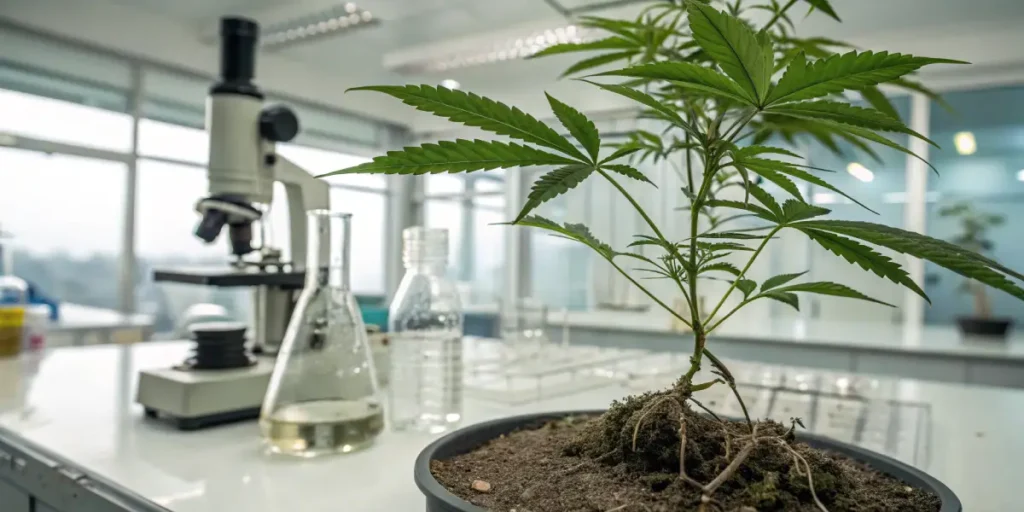
Cannabis is known for its ability to absorb heavy metals from the soil, a phenomenon often explored when discussing why cannabis accumulates heavy metals. This characteristic, while concerning for consumers, can be advantageous for environmental cleanup. But why does this happen? It’s all about the cannabis plant’s unique biology and its interaction with the soil environment.
The roots of cannabis plants are exceptionally efficient at absorbing nutrients. However, they don’t discriminate solely in favor of beneficial elements. They also absorb heavy metals, which can then accumulate in the plant’s tissues. This process makes cannabis both a potential health concern and a powerful tool for soil remediation.
Recommended Strains


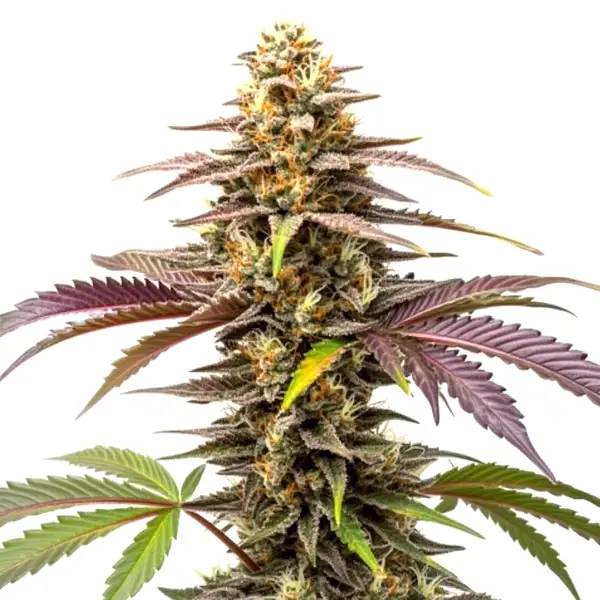
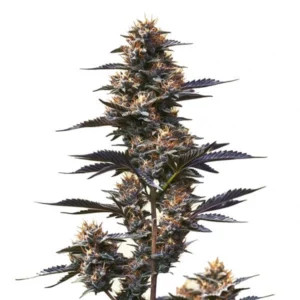
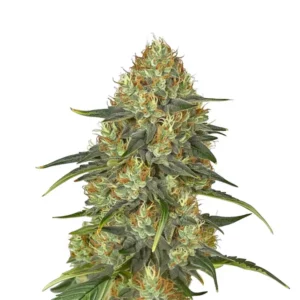
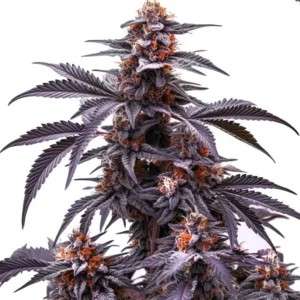
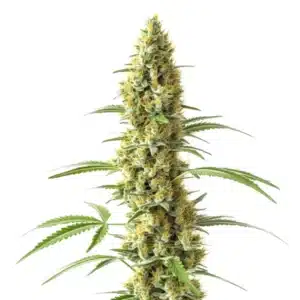
When you think of cannabis strains like the GG4 from Blimburn Seeds, you might not immediately consider its heavy metal absorption potential. Yet, this strain, like many others, is adept at pulling metals like lead, cadmium, and arsenic from the soil. This ability is a double-edged sword, necessitating mindful cultivation practices.
Cannabis Heavy Metal Absorption Mechanisms
Cannabis plants have a natural affinity for absorbing heavy metals due to their root structure and metabolic processes. The roots secrete acids that break down minerals in the soil, facilitating the uptake of both nutrients and heavy metals. This is part of their survival mechanism, ensuring that they can thrive even in less-than-ideal soil conditions.
This absorption process is not just a passive activity. Cannabis plants actively regulate the uptake by modifying root exudates, which can alter the chemical form of heavy metals, making them easier to absorb. Knowing cannabis heavy metal absorption mechanisms is crucial for growers who aim to optimize nutrient uptake while minimizing the accumulation of unwanted elements.
Moreover, the efficiency of this absorption mechanism is influenced by the plant’s health and maturity. Young plants might absorb metals at different rates compared to mature plants. As the plant evolves, so do its metabolic needs, which in turn affects how cannabis plants accumulate heavy metals over time.
Factors Influencing Heavy Metal Uptake in Cannabis
Soil composition plays a significant role in how cannabis plants accumulate heavy metals. Soils rich in organic matter can enhance the availability of heavy metals, making them more accessible to plant roots. Additionally, pH levels influence metal solubility in the soil. More acidic soils often result in increased heavy metal uptake.
Beyond soil chemistry, environmental factors such as temperature, humidity, and precipitation patterns can also dictate the rate of heavy metal uptake. For instance, areas with heavy rainfall might experience leaching, which can alter the concentration of metals in the soil. Knowing these factors influencing heavy metal uptake in cannabis can help growers optimize their cultivation practices.
Furthermore, microbial activity in the soil can either facilitate or hinder the uptake of heavy metals. Certain soil microbes can bind heavy metals, making them less available to plants. This symbiotic relationship can be harnessed to control the levels of heavy metals absorbed by cannabis plants, providing an additional layer of management for cultivators.
Promos & Deals
Heavy Metals in Cannabis Cultivation Soil
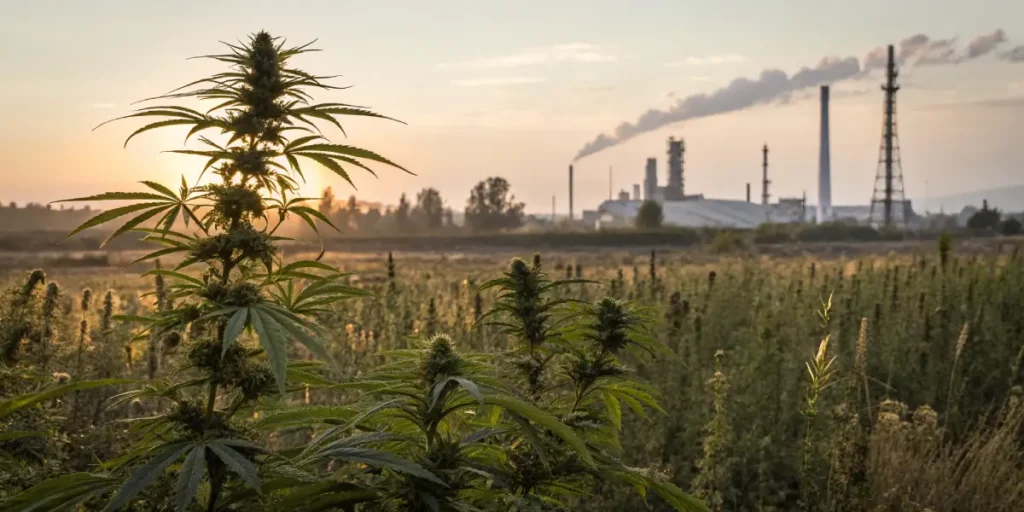
The presence of heavy metals in cultivation soil is a primary concern for cannabis farmers. Sources of these metals can include industrial pollution, agricultural runoff, and even natural mineral deposits. Knowing these sources can help growers mitigate contamination risks.
Regular soil testing is crucial. It helps identify the presence and concentration of heavy metals, allowing farmers to make informed decisions about soil amendments and crop management. This proactive approach is key to ensuring safe and healthy cannabis products.
Additionally, the history of land use is an important factor in assessing heavy metals in cannabis cultivation soil. Previous industrial activities or the use of certain pesticides can leave residues that persist in the soil for decades. Being aware of these historical factors can aid in anticipating potential contamination challenges.
Furthermore, the proximity to pollution sources such as highways or factories can influence the levels of heavy metals present in the soil. Growers should be vigilant about these external threats and consider them when planning their cultivation sites to ensure minimal exposure to contaminants.
How Cannabis Plants Accumulate Heavy Metals
Cannabis accumulates heavy metals through its roots, which absorb both nutrients and metals dissolved in the soil water. These metals then travel through the plant’s vascular system, integrating into tissues like leaves and buds. This process is part of the plant’s natural growth cycle, aimed at maximizing nutrient uptake.
Environmental conditions, such as temperature and humidity, can also affect metal accumulation. For example, higher temperatures can increase the rate of transpiration, leading to greater uptake of soil water and dissolved metals. Growers should monitor these conditions to manage the levels of heavy metals in their crops.
The choice of soil amendments can also play a role in how cannabis plants accumulate heavy metals. Certain amendments can either bind or release metals within the soil, influencing their availability to plants. By carefully selecting the right amendments, growers can help manage metal uptake.
Additionally, the genetic predisposition of specific cannabis strains can determine their capacity to accumulate heavy metals. Breeding programs focusing on reducing metal uptake could be pivotal in developing strains that are both safe and effective for consumption and phytoremediation.
Practical Steps for Growers
To minimize heavy metal absorption, growers should start by selecting clean soil and water sources. Regular testing for contaminants is essential, especially in areas prone to industrial pollution. This ensures that the soil remains safe for cultivation.
- Use organic fertilizers and amendments. They tend to contain fewer heavy metals compared to synthetic alternatives.
- Adjust soil pH to neutral levels. This can reduce the solubility of heavy metals, making them less available to plants.
- Choose strains known for lower heavy metal uptake. As mentioned, strains like GG4 and Z OG can vary in their absorption capacities.
Implementing these practices can help ensure that the cannabis you grow is as safe and healthy as possible, both for personal use and for the market.
Another effective strategy is the use of cover crops. These plants can help stabilize soil and reduce erosion, which in turn minimizes the movement of heavy metals. Cover crops also enhance soil structure and health, creating a more balanced environment for cannabis cultivation.
Engaging in community initiatives to monitor local environmental conditions can also be beneficial. By collaborating with other growers and environmental organizations, cannabis cultivators can stay informed about regional pollution sources and collectively work towards solutions to reduce heavy metal contamination.
FAQs about why cannabis accumulates heavy metals
What are heavy metals, and why are they a concern in cannabis?
Heavy metals are metallic elements with high density that can be toxic in low concentrations. Examples include lead, cadmium, and mercury. In cannabis, these metals can accumulate in plant tissues, posing health risks to consumers. The concern is particularly significant for medical cannabis users who may be more vulnerable to toxic exposure.
Moreover, heavy metals are not only harmful when ingested. They can also affect the growth and development of cannabis plants, potentially leading to reduced yields and compromised plant health. Therefore, knowing why cannabis accumulates heavy metals is crucial for maintaining both product safety and plant vitality.
The risks associated with heavy metals extend beyond health concerns. From a regulatory perspective, the presence of heavy metals can lead to product recalls and legal challenges, impacting a grower’s reputation and financial stability. Thus, mitigating heavy metal contamination is not just a health imperative but also a business necessity.
Besides, the environmental impact of heavy metals cannot be overlooked. These elements can persist in ecosystems, affecting wildlife and water quality. By knowing and addressing why cannabis accumulates heavy metals, growers can contribute to broader environmental conservation efforts while ensuring their products remain safe for consumers.
How can cannabis growers test for heavy metals in their soil?
Growers can test for heavy metals using commercial soil testing kits or by sending soil samples to a laboratory. These tests will provide a detailed analysis of the metal concentrations present in the soil, offering insights into potential contamination levels.
Once the results are available, growers can take corrective actions such as amending the soil with materials that bind heavy metals or adjusting pH levels. Regular testing should be part of any responsible cultivation practice, ensuring that the plants remain safe for consumption.
Advanced testing techniques, such as inductively coupled plasma mass spectrometry (ICP-MS), offer precise measurements of heavy metal concentrations. While more expensive, these methods provide a comprehensive knowing of soil composition, enabling growers to make informed decisions about soil management.
Partnering with local agricultural extension services can also be beneficial. These organizations often offer support and resources for soil testing and can help growers interpret results and implement effective soil management strategies to reduce heavy metal uptake.
Are there specific cannabis strains that are better at absorbing heavy metals?
Yes, some cannabis strains are more effective at absorbing heavy metals due to their genetic makeup and root structures. Strains like those offered by Blimburn Seeds, such as Black Domina, have been noted for their phytoremediation potential.
Growers interested in using cannabis for environmental cleanup may choose these strains for their heightened absorption capabilities. However, for personal consumption, selecting strains with lower absorption rates might be preferable to minimize health risks.
Research into the genetic basis of heavy metal absorption is ongoing. By knowing the specific genes and pathways involved, breeders can develop new strains tailored for either phytoremediation or reduced heavy metal uptake, depending on the grower’s needs.
Besides to genetic factors, cultivation techniques such as soil management and nutrient supplementation can influence a strain’s ability to absorb heavy metals. By optimizing these practices, growers can maximize the benefits of specific strains while minimizing potential risks.
What practices can reduce heavy metal accumulation in cannabis?
To reduce heavy metal accumulation, growers can adopt several practices. These include using clean water sources, selecting organic fertilizers, and regularly testing their soil. Maintaining the right soil pH and choosing appropriate strains are also effective strategies.
Additionally, knowing the local environment and its potential sources of contamination can help growers mitigate risks. By being proactive, they can ensure that their cannabis remains free from harmful metal concentrations.
Implementing buffer zones around cultivation sites can serve as a protective measure against contamination from adjacent areas. These zones can trap pollutants before they reach the cannabis plants, acting as a first line of defense against heavy metal accumulation.
Furthermore, employing sustainable farming practices such as crop rotation and reduced tillage can improve soil health and decrease the likelihood of heavy metal uptake. These methods promote biodiversity and strengthen the soil ecosystem, creating a more resilient environment for cannabis cultivation.
Can cannabis phytoremediation impact the plant’s quality?
Phytoremediation involves using plants to clean contaminated environments, which can affect the cannabis plant’s quality. While the process is beneficial for the environment, it may lead to higher concentrations of heavy metals in the plant, potentially impacting its safety and effectiveness.
However, when done correctly, phytoremediation doesn’t necessarily compromise the plant’s quality. With careful management and controlled conditions, plants can be used for environmental purposes while still producing safe, high-quality cannabis.
Balancing the dual objectives of phytoremediation and product quality requires precise control over growing conditions and careful selection of cannabis strains. By monitoring and adjusting factors such as nutrient levels and environmental conditions, growers can optimize both the cleanup process and the quality of the cannabis produced.
Moreover, ongoing research into cannabis phytoremediation is exploring ways to enhance the plant’s ability to sequester heavy metals without affecting its yield or potency. Innovations in this area could provide new solutions for growers looking to leverage cannabis for environmental benefits while maintaining product excellence.