Essential Guide: Proven Heavy Metal Uptake in Cannabis Plants

Heavy metal uptake in cannabis plants is a growing concern for cultivators. This natural process involves the absorption of metals like lead, cadmium, and mercury. These metals can accumulate in the plant tissues, potentially affecting the quality and safety of the crop.
Cannabis, known for its phytoremediation abilities, tends to absorb metals from its environment. This trait can be beneficial for soil cleaning but raises concerns for growers targeting consumable products. The uptake process is influenced by various factors, including soil composition, pH levels, and plant genetics.
Recommended Strains
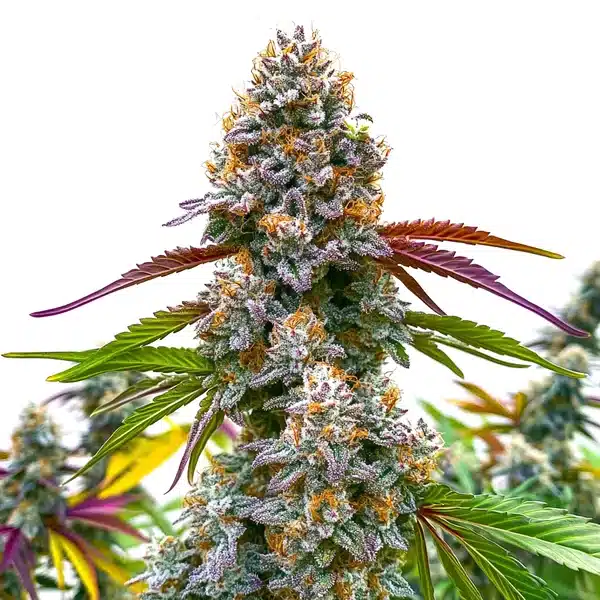
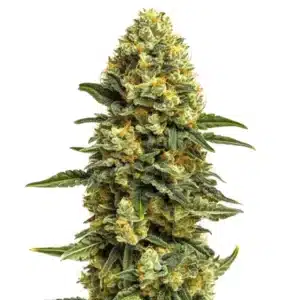
Critical Daddy Purple

|
THC | 19% (Medium) |

|
Type | Feminized |

|
Yield | High |

|
Phenotype | 50% Indica / 50% Sativa |
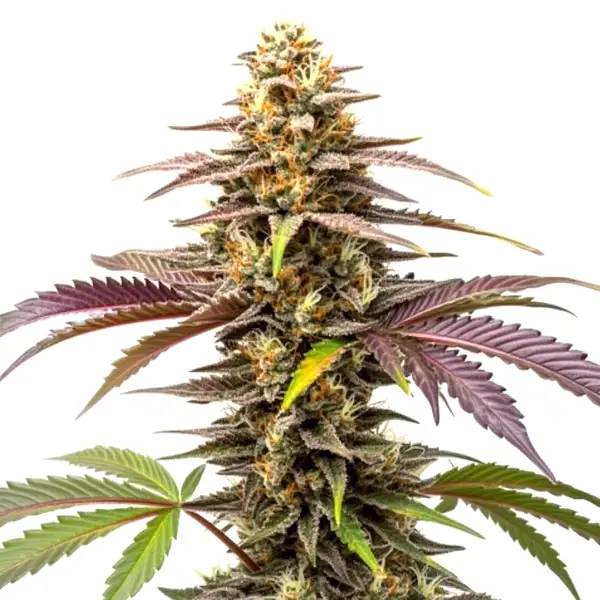
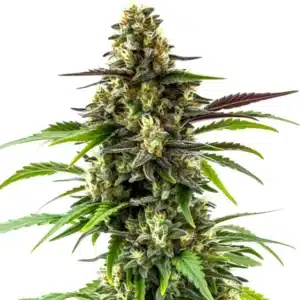
Z OG
|
|
THC | 16% - 20% (Medium) |
|
|
Type | Feminized |
|
|
Yield | High |
|
|
Phenotype | 75% Indica / 25% Sativa |
For those growing cannabis, especially strains from Blimburn Seeds such as GG4, careful monitoring is essential. Adjusting growing conditions can help manage metal absorption, ensuring safe and high-quality harvests. Let’s delve deeper into the mechanisms and mitigation strategies.
Factors Influencing Heavy Metal Uptake
The impact of soil metals on cannabis growth is significant. Soil composition plays a crucial role in metal absorption. Sandy soils, for instance, often lead to higher metal uptake compared to clay-rich soils. This is due to their lower cation exchange capacity, which affects how metals bind to soil particles.
pH levels also influence heavy metal absorption in cannabis cultivation. Acidic soils often increase the availability of metals, making them more accessible to plant roots. Regular soil testing and pH adjustments can help control this. Adding lime is one way to raise pH levels, reducing metal solubility.
Temperature and humidity also play a role in the heavy metal uptake in cannabis plants. Extreme temperatures can stress plants, altering their absorption capabilities. Consistent monitoring of environmental conditions allows growers to maintain optimal growth settings, minimizing metal absorption.
Additionally, organic matter in soil can influence the bioavailability of metals. High levels of organic content may bind metals, reducing their uptake by plants. This highlights the importance of soil composition in developing an effective cannabis heavy metal contamination mitigation strategy.
Promos & Deals


Strategies for Mitigating Heavy Metal Uptake
Cannabis heavy metal contamination mitigation requires proactive strategies. One effective method is using raised beds with clean, tested soils. This limits the plant’s exposure to contaminated ground soil. Alternatively, using hydroponic systems can offer more control over nutrient and metal exposure.
Another approach involves selecting cannabis strains known for lower metal uptake. Strains like Blue Dream from Blimburn Seeds are less prone to absorbing high levels of metals. This can be an efficient strategy for minimizing risks, especially in areas with known soil contamination issues.
Implementing cover crops can also be a useful strategy. These plants can help stabilize soil and reduce erosion, preventing further contamination. By improving soil structure, cover crops enhance the conditions for cannabis growth while minimizing metal uptake.
Furthermore, integrating advanced soil amendments like biochar can aid in reducing heavy metal bioavailability. Biochar, known for its absorbent properties, can effectively trap metals, lowering their absorption by cannabis plants and contributing to a cleaner crop.
Monitoring and Testing
Monitoring metal uptake in hemp plants is crucial for quality assurance. Regular testing of both soil and plant tissues helps identify contamination levels. This process involves sampling and analyzing the presence of metals such as lead and arsenic.
Conducting these tests at various growth stages provides insights into how metals accumulate over time. It allows growers to implement timely interventions, such as adjusting soil pH or nutrient profiles. Test results can also inform the choice of future cultivation methods.
Advancements in testing technology have made it easier for growers to monitor metal levels accurately. Portable testing kits now allow for on-site analysis, providing immediate feedback and enabling quicker response times for adjustments.
Establishing a routine testing schedule and collaborating with experienced laboratories enhances the accuracy and reliability of results. This partnership ensures that growers remain informed about the bioaccumulation of metals in marijuana plants and can adapt practices as needed.
Real-Life Examples of Heavy Metal Uptake Management
Consider a grower using Blimburn Seeds Critical Daddy Purple in a region with metal-rich soils. By employing raised beds filled with purchased topsoil, they significantly reduce metal exposure. This strategy, combined with regular pH testing, keeps metal levels in check.
Another example is a hydroponic grow operation focusing on bioaccumulation of metals in marijuana plants. By controlling nutrient solutions, they manage the metal content directly. This method provides a cleaner and safer end product, crucial for medical cannabis producers.
In some regions, growers have adopted the use of natural barriers like hedgerows to prevent metal runoff from adjacent lands. These barriers act as a filter, limiting the amount of metals entering the cultivation area and contributing to a safer growing environment.
Additionally, urban growers have found success by utilizing rooftop gardens, where the soil can be fully controlled and tested before use. This approach minimizes the impact of soil metals on cannabis growth, ensuring a healthier harvest.
Best Practices for Growers
Developing best practices for managing heavy metal uptake in cannabis plants is essential. Start with comprehensive soil analysis before planting. This step identifies potential metal hotspots and informs soil amendment choices.
For ongoing cultivation, maintaining detailed logs of soil treatments, pH levels, and test results enhances decision-making. This record-keeping helps identify trends and successful strategies over multiple grow cycles.
Educating staff and workers on the importance of monitoring heavy metal absorption in cannabis cultivation can lead to more vigilant practices. Training programs can equip them with the knowledge needed to identify potential risks early.
Investing in high-quality, metal-free fertilizers and growing media also supports best practices. These inputs reduce the risk of introducing new metals into the cultivation environment, promoting a cleaner and safer growth cycle.
Strain Selection and Genetic Considerations
Choosing the right cannabis strain is vital for managing heavy metal risks. Strains like Z OG from Blimburn Seeds offer desirable traits, such as lower metal uptake. Genetic factors influence a plant’s ability to absorb and tolerate metals.
When selecting seeds, consider both the environmental conditions and specific strain attributes. Some strains may thrive in metal-rich soils but require additional mitigation strategies to ensure safety. Doing thorough research on strain characteristics aids in making informed choices.
Genetic advancements in cannabis breeding continue to evolve, offering new strains with enhanced resistance to metal uptake. These innovations provide growers with more options to tailor cultivation strategies to their specific environmental challenges.
Collaborating with breeders and researchers can offer valuable insights into the latest developments in strain genetics. This knowledge helps growers choose strains that align with their goals of reducing heavy metal uptake in cannabis plants.

FAQs about heavy metal uptake in cannabis plants
What are heavy metals and why are they a concern in cannabis cultivation?
Heavy metals include elements like lead, cadmium, and mercury. These metals are naturally occurring but can be harmful when accumulated in high concentrations. In cannabis cultivation, they pose a risk to both plant health and consumer safety.
When cannabis plants absorb heavy metals, these can end up in products consumed by humans. This raises health concerns, making it essential for growers to monitor and manage metal uptake effectively. Adhering to safe levels ensures compliance with health standards.
Beyond human health concerns, the presence of heavy metals in cannabis can also affect the plant’s growth and yield. Metals can interfere with nutrient uptake, leading to stunted growth and lower-quality crops.
Addressing the challenge of heavy metal uptake in cannabis plants requires a comprehensive approach that considers both environmental and cultivation factors. By implementing strategic practices, growers can protect both their crops and consumers.
How do cannabis plants absorb heavy metals?
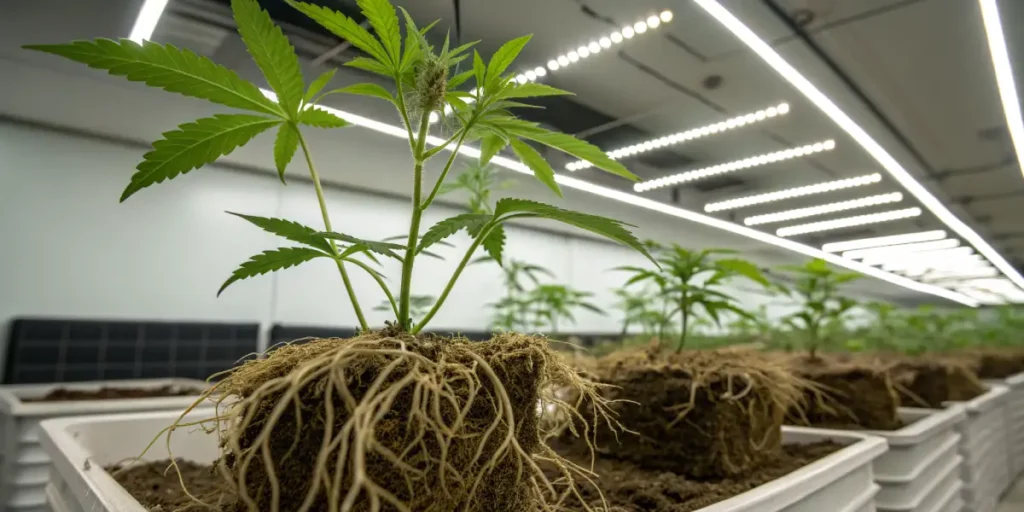
Cannabis plants absorb heavy metals primarily through their roots. These metals are then transported to various parts of the plant. Factors like soil type, pH levels, and plant species influence the rate and extent of absorption.
The process is part of the plant’s natural nutrient uptake system. While some metals are necessary for plant growth, excessive amounts can lead to toxicity. Managing soil and environmental conditions helps control this natural absorption process.
Root architecture and mycorrhizal associations can also influence heavy metal absorption in cannabis cultivation. Certain root structures may be more efficient at preventing metal uptake, offering yet another layer of protection.
Knowing the specific mechanisms by which metals are absorbed and transported within the plant can guide the development of more targeted mitigation strategies, leading to healthier and more productive cannabis crops.
Can certain cannabis strains reduce heavy metal uptake?
Yes, some cannabis strains exhibit lower tendencies for heavy metal uptake. This can be due to genetic traits that affect root absorption and metal transport within the plant. Choosing strains like GG4 or Blue Dream from Blimburn Seeds can be beneficial.
These strains are bred for various environmental conditions and may naturally resist high metal absorption. However, it’s still important to implement other mitigation strategies alongside strain selection for optimal results.
Research into the genetic basis of metal uptake resistance is ongoing, with new discoveries offering potential for genetically engineered strains with even greater resilience. This research is crucial for advancing cannabis heavy metal contamination mitigation efforts.
Incorporating strain rotation into cultivation practices can also prevent the buildup of metals in specific strains over time. This practice helps maintain soil health and supports sustainable growing practices.
What techniques can mitigate heavy metal contamination in cannabis?
Several techniques can help reduce heavy metal contamination. Using raised beds with clean soil, adjusting soil pH, and implementing proper nutrient management are effective strategies. Hydroponics offers another level of control over metal exposure.
Regular testing and monitoring also play a crucial role. By keeping track of metal levels in soil and plants, growers can make informed decisions and adjustments. These proactive measures ensure safer and healthier cannabis crops.
Implementing phytoremediation techniques using specific plants that absorb metals can cleanse soil over time, preparing it for future cannabis cultivation. This natural approach offers a sustainable solution to heavy metal issues.
Community collaboration can enhance mitigation efforts. Sharing resources and knowledge among local growers fosters a collective approach to tackling heavy metal challenges, benefiting the broader cultivation community.
How often should I test my soil and plants for heavy metals?
Testing frequency can depend on environmental conditions and past metal levels. However, it’s generally recommended to test soil and plant tissues at least once per grow cycle. Testing at different stages provides a comprehensive view of metal uptake.
Regular testing helps identify trends and potential issues early on. This allows for timely interventions and adjustments to cultivation practices. Partnering with a reliable laboratory ensures accurate and actionable results.
In high-risk areas, increasing the frequency of testing can provide additional security. More frequent tests offer a clearer picture of how environmental fluctuations impact metal uptake, allowing for adaptive management strategies.
Utilizing digital tools and platforms for tracking test data can streamline the monitoring process. These technologies facilitate data analysis, supporting more effective and dynamic cultivation management.