Expert Guide: How to Detect Microbial Contamination in Cannabis

Growing cannabis is both an art and a science. For many, it’s an exciting journey full of discovery. Yet, one of the challenges growers face is ensuring their plants remain free from microbial contamination. Microbial contamination in cannabis can affect both the quality and safety of the final product. Whether you’re a seasoned grower or buying seeds for the first time, knowing how to detect microbial contamination in cannabis is crucial.
Microbial contamination can come from bacteria, molds, and yeasts. These microbes can thrive in the warm, humid environments where cannabis plants grow. Identifying microbial contamination in cannabis samples early can save you a lot of headaches. From ensuring consumer safety to maintaining the integrity of your crop, the stakes are high.
Recommended Strains

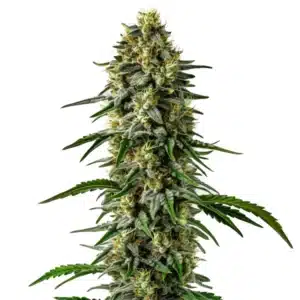
Green Crack

|
THC | 21% (Medium) |

|
Type | Feminized |

|
Yield | High |

|
Phenotype | 35% Indica / 65% Sativa |

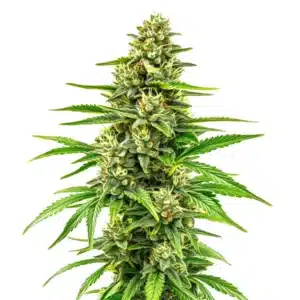
Blue Dream
|
|
THC | 17% - 24% (High) |
|
|
Type | Feminized |
|
|
Yield | High |
|
|
Phenotype | 50% Indica / 50% Sativa |
Cannabis strains like Blue Dream, Green Crack, and Girl Scout Cookies from Blimburn Seeds are renowned for their quality. However, even the best strains need careful monitoring to ensure they remain uncontaminated. Let’s dive into the methods for detecting microbial contamination and the steps you can take to protect your investment.
Why Microbial Testing is Essential
Microbial contamination screening for cannabis products is a necessary step for any grower. Knowing how to detect microbial contamination in cannabis is essential to ensure products are safe for consumption and meet quality standards. Proper testing protects both the producer and the consumer, reducing potential legal and health risks. Contaminated cannabis can lead to serious health issues, especially for individuals with compromised immune systems.
Testing cannabis for microbial contamination is not just about safety. It’s also about quality. Cannabis strains like Blue Dream from Blimburn Seeds are prized for their unique flavors and effects. Microbial contamination can alter these characteristics, affecting the overall user experience. By implementing regular microbial testing, you can preserve the distinct attributes of your chosen strains.
Beyond safety and quality, knowing how to test cannabis for microbial contamination is part of responsible cultivation. Consistent testing demonstrates a commitment to excellence and accountability. In markets with stringent regulations, adhering to these practices is not just beneficial but necessary. Growers who invest in high-quality testing often find their products gain a competitive edge, fostering trust and loyalty among consumers.
Moreover, microbial testing is an evolving field with new technologies enhancing detection accuracy. As methods improve, incorporating these advancements into your routine can offer deeper insights into your cultivation practices. Whether employing traditional culture methods or embracing newer techniques, staying informed about the latest in cannabis microbial contamination detection methods can significantly impact your operation’s success.
Common Sources of Contamination
Contamination can occur at various stages of cannabis production. The growing environment itself is a potential source. High humidity and warm temperatures create perfect conditions for mold and bacteria. Poor ventilation and inadequate sanitation practices can exacerbate the problem.
Harvesting and handling also play significant roles. If tools and equipment are not properly sanitized, they can introduce contaminants. Similarly, improper storage can lead to microbial growth. It’s essential to monitor these processes closely to prevent contamination.
Knowing how to detect microbial contamination in cannabis begins with recognizing these common sources. Implementing robust environmental controls, such as dehumidifiers and air circulation systems, can mitigate the risks associated with poor growing conditions. Likewise, enforcing stringent cleaning protocols and regular equipment checks can substantially reduce contamination risks during handling and storage.
Additionally, training your staff on proper hygiene and handling techniques is vital. Educating your team about the importance of clean practices and the potential consequences of negligence can foster a culture of vigilance. Regular workshops and updates on best practices ensure everyone involved is equipped to contribute to a contamination-free environment.
Promos & Deals
Techniques for Microbial Testing in Cannabis
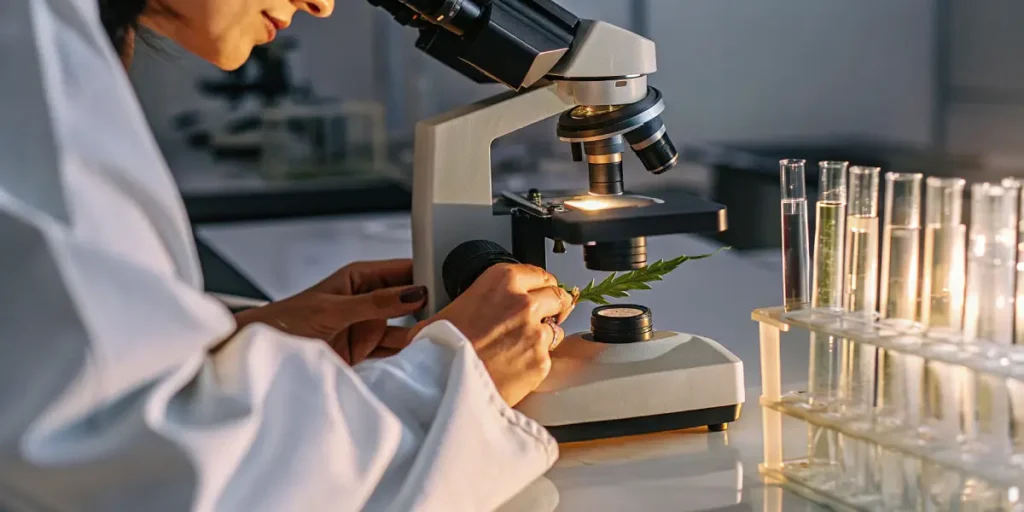
There are several cannabis microbial contamination detection methods available. Each has its advantages and can be used alone or in combination. The choice of method often depends on the specific needs and resources of the grower.
One popular technique is culture testing. This involves taking a sample from the plant and placing it in a growth medium to see if microbes develop. While effective, it can be time-consuming as cultures may take days to grow.
Advanced techniques for microbial testing in cannabis, such as DNA-based methods, are gaining traction due to their precision and speed. These methods allow for the detection of specific microbial genomes, providing a detailed picture of the microbial landscape in your crops. This precision can help growers tailor their responses, addressing specific contaminants effectively.
Beyond just detection, these methods can offer insights into microbial dynamics within your growing environment. Knowing how different strains interact with environmental microbes can inform cultivation strategies, potentially enhancing both yield and quality. For growers committed to excellence, integrating these advanced techniques can be a game-changer in maintaining high standards.
Advanced Testing Methods
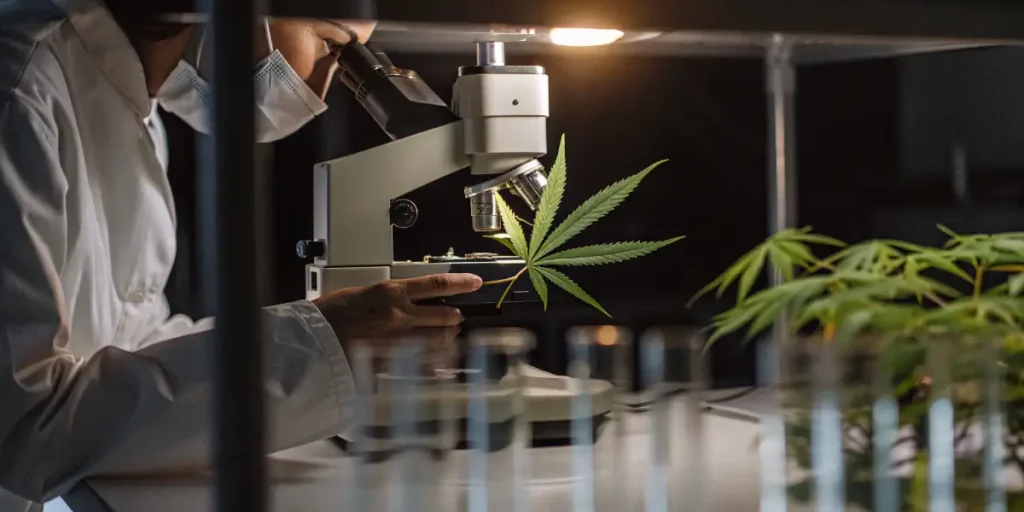
Polymerase Chain Reaction (PCR) testing is a more advanced method used when evaluating how to detect microbial contamination in cannabis. It works by identifying the DNA of microbes, delivering fast and highly accurate results. Although it is typically more expensive than traditional culture testing, its speed and precision make it a preferred choice for many producers and laboratories.
Another method is enzyme-linked immunosorbent assay (ELISA) testing. This involves antibodies that react to specific microbes, indicating their presence. ELISA can be a cost-effective alternative with reasonable accuracy.
PCR and ELISA are just the tip of the iceberg when it comes to advanced cannabis microbial contamination detection methods. Other promising approaches, like next-generation sequencing, offer even more detailed microbial profiling. These cutting-edge technologies can reveal microbial communities’ complexities, offering data that can optimize growing conditions and improve crop resilience.
For growers aiming to maintain the premium quality associated with strains like Green Crack from Blimburn Seeds, investing in these sophisticated methods is a wise decision. While the initial investment might be higher, the long-term benefits include enhanced product quality, safety, and marketability. Knowing and utilizing these techniques can transform how you manage and maintain your cannabis crops.
Practical Steps for Growers
Maintaining a clean growing environment is crucial. Regularly clean and disinfect all equipment and surfaces. Proper ventilation can help reduce humidity, preventing mold and bacterial growth.
Implementing a routine testing schedule is another important step. Regular testing ensures that any potential contamination is caught early. This proactive approach can save both time and resources in the long run.
Besides to cleanliness and routine testing, documenting your processes is invaluable. Keeping detailed records of environmental conditions, testing results, and any interventions can help identify patterns or recurring issues. This data-driven approach allows for informed decision-making and continuous improvement in your growing practices.
Furthermore, collaborating with experts or consultants can provide an external perspective on your operations. These professionals can offer insights into optimizing your setup and suggest new technologies or methods to enhance your contamination prevention strategies. By leveraging external expertise, you can stay ahead of potential issues and maintain the highest standards of quality and safety.
Real-Life Applications
Imagine you’re growing Girl Scout Cookies from Blimburn Seeds. You’ve invested time and resources into cultivating this strain to perfection. By using microbial testing, you can ensure that nothing compromises its quality.
For instance, if you notice a sudden change in the plant’s appearance or smell, microbial testing can help identify the cause. Acting quickly can prevent further contamination, protecting your entire crop.
Real-life situations often require quick thinking and decisive action. In the event of suspected contamination, knowing how to detect microbial contamination in cannabis swiftly can make all the difference. By having a well-established protocol, you can isolate and address issues without significant disruption to your operations.
Moreover, real-world success stories often involve a combination of vigilance, technology, and adaptability. Learning from others in the industry who have successfully navigated contamination challenges can provide valuable lessons. Networking with peers and participating in industry forums can offer insights and strategies that might not be immediately apparent in isolation.
What to Do if You Detect Contamination
Detecting contamination can be alarming, but quick action is key. Isolate the affected plants to prevent the spread to healthy ones. This containment step is crucial in managing the situation.
Next, identify the source. Was it the environment, the tools, or perhaps human error? Knowing the cause can help you prevent future occurrences. Implement corrective measures immediately to safeguard your remaining crop.
Creating a comprehensive action plan for contamination events is essential. This plan should include steps for containment, investigation, and resolution. Having a clear protocol ensures that everyone involved knows their role and can act swiftly to mitigate risks.
Additionally, post-contamination analysis can be invaluable. Reviewing the incident, knowing what went wrong, and adjusting your practices accordingly is critical for preventing recurrence. This reflective practice can fortify your operations, making them more resilient to future challenges.
Preventative Measures
Prevention is always better than cure. Start by choosing high-quality seeds from a reputable source like Blimburn Seeds. This ensures that you’re starting with a strong genetic foundation.
Regularly inspect your plants for any signs of microbial growth. Even if you don’t see contamination, testing should be an ongoing part of your cultivation process. This proactive approach can catch issues before they escalate.
Incorporating preventative strategies into your daily routine is crucial. Simple actions like monitoring humidity levels, ensuring proper airflow, and maintaining cleanliness can significantly reduce the risk of contamination. These day-to-day practices form the backbone of a successful prevention strategy.
Furthermore, fostering a culture of continuous learning and improvement is essential. Encouraging your team to stay updated on the latest research and innovations in cannabis cultivation can introduce new preventative measures. Regular training sessions and workshops can ensure that everyone is equipped with the knowledge to maintain a contamination-free environment.
FAQs about how to detect microbial contamination in cannabis
How can I tell if my cannabis is contaminated?
Signs of microbial contamination in cannabis can include unusual smells, discoloration, or a visible layer of mold. Regularly inspecting your plants is crucial. If you notice any of these signs, consider testing your plants as a precaution.
Professional testing is the most reliable way to identify contamination. Laboratories can provide insights into the specific types of microbes present, allowing you to take targeted action to address the issue.
Implementing regular checks as part of your cultivation process helps in identifying microbial contamination in cannabis samples early. This vigilance can prevent minor issues from escalating into major problems. By integrating frequent inspections into your routine, you can catch potential contamination before it affects your entire crop.
Furthermore, knowing the signs of contamination can empower you to act swiftly. Knowledge of what to look for, such as changes in color or texture, equips you to take immediate action. This proactive stance is vital in maintaining the health and quality of your plants.
What are the risks of consuming contaminated cannabis?
Consuming contaminated cannabis can lead to health issues, especially for those with weakened immune systems. Symptoms can range from mild allergic reactions to severe respiratory problems.
For this reason, growers must ensure their cannabis is free from contaminants before it reaches consumers. Regular testing and good cultivation practices can mitigate these risks significantly.
Knowing the potential health risks underscores the importance of cannabis microbial contamination detection methods. Ensuring your cannabis is safe for consumption not only protects your customers but also enhances your brand’s reputation. Consumers are becoming increasingly aware of product safety, and demonstrating a commitment to quality can be a significant competitive advantage.
Moreover, legal implications can arise from selling contaminated products. Compliance with health and safety regulations is not only a legal obligation but also an ethical one. By prioritizing safety, you can avoid potential liabilities and build trust with your consumer base.
How often should I test my cannabis for microbial contamination?
Testing frequency can depend on several factors, including the size of your operation and the conditions in which your cannabis is grown. However, a regular schedule, such as monthly testing, is often advised.
For strains like Blue Dream, frequent testing ensures that you maintain the high quality and unique characteristics that make it popular. It’s always better to test more frequently than to risk contamination.
Determining the right frequency for microbial testing involves balancing risk and resources. Factors such as climate conditions, plant health, and past contamination history should inform your testing schedule. A tailored approach ensures that your testing regimen is both efficient and effective.
Moreover, seasonal variations may impact microbial growth rates, suggesting the need for more frequent testing during certain periods. By adjusting your schedule to account for these variables, you can enhance the precision of your contamination prevention efforts.
Are there specific strains more susceptible to contamination?
While all cannabis strains can be susceptible to microbial contamination, some may be more prone due to their growth characteristics. Strains that require higher humidity levels, for example, might be at greater risk.
Regardless of the strain, implementing robust preventative measures is key. Regular monitoring and testing can help you identify and address issues before they become widespread.
Knowing the unique needs of each strain is crucial in implementing effective contamination prevention strategies. Strains that thrive in particular environments may have specific vulnerabilities. Recognizing these can help tailor your approach, ensuring optimal growing conditions while minimizing contamination risks.
Additionally, engaging with breeders and other experts can provide valuable insights into the characteristics and needs of different strains. This knowledge can inform decisions about how to best protect each strain from potential contaminants, ensuring their quality and integrity are preserved.
Can I prevent contamination by using organic growing methods?
Organic growing methods can reduce some risks associated with chemical contamination, but they don’t eliminate the risk of microbial contamination. Good hygiene and regular testing remain essential.
Even with organic practices, factors like environmental conditions and human handling can introduce microbes. Comprehensive management practices are necessary to ensure your cannabis remains safe and high quality.
Integrating organic methods with comprehensive contamination prevention strategies can offer a holistic approach to cultivation. While organic methods emphasize natural inputs and sustainability, they must be complemented with rigorous hygiene practices to ensure complete protection against microbial threats.
Furthermore, the organic certification process often includes stringent standards for contamination prevention. By adhering to these guidelines, you not only enhance your product’s appeal but also contribute to a safer and more sustainable cultivation environment.