Best Cannabis Plants for Warm and Humid Climates

Quick answer: the best cannabis for warm, humid climates is mold-resistant genetics with airy, open bud structure, mostly sativa-dominant or sativa-leaning hybrids like Durban Poison, Amnesia Haze and Super Silver Haze, plus heat-tolerant picks such as OG Kush grown with care. Beyond genetics, airflow, plant spacing, mulching and humidity management are what protect a harvest from mold and heat stress. Here are the top strains and the techniques that make them succeed.
Sativa vs Indica for Hot, Humid Climates
Sativa-dominant strains usually handle heat and humidity best. Evolved in equatorial regions, they have open structures and airy buds that promote airflow and resist mold, which is why Durban Poison performs so well in humidity. Dense indicas like OG Kush can take the heat but trap moisture in their tight buds, so they need careful monitoring to avoid bud rot in damp conditions.
Recommended Strains
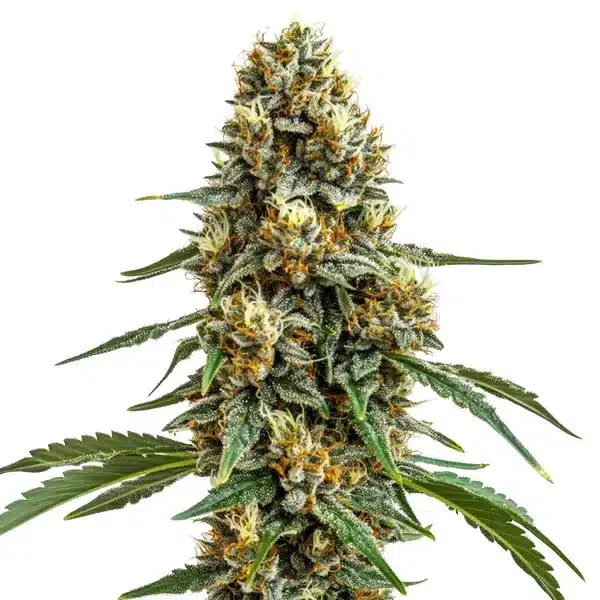
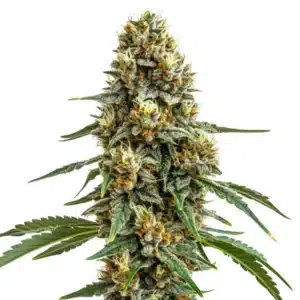
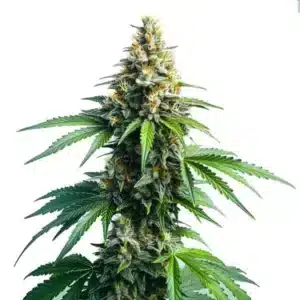
Durban Poison

|
Type | Feminized |

|
THC | 15% - 25% (High) |

|
Phenotype | 10% Indica / 90% Sativa |

|
Yield | High |

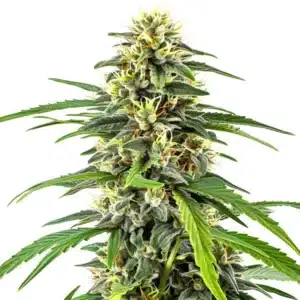
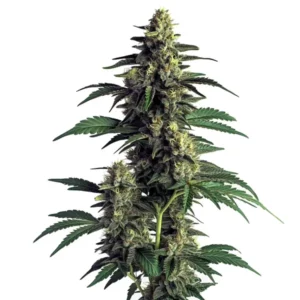
Durban Poison Autoflower
|
|
Type | Autoflowering |
|
|
THC | 21% - 25% (High) |
|
|
Phenotype | 20% Indica / 80% Sativa |
|
|
Yield | Low |
Promos & Deals
Top Strains for Tropical, Humid Climates
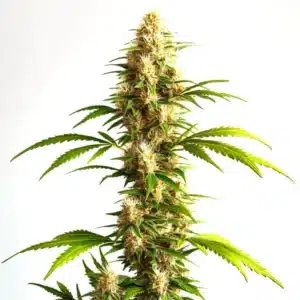
For humid and tropical regions, Durban Poison and Amnesia Haze are standouts: both have airy, mold-resistant buds and thrive in high humidity, Durban Poison bringing a sweet, piney, energizing character and Amnesia Haze a citrusy, potent one. Their open structure keeps air moving through the canopy, cutting the risk of mold and mildew even through long rainy seasons.
Best Strains for Greenhouse Growing
A greenhouse adds control, suiting strains like GG4 and Super Silver Haze. GG4 is a potent, balanced hybrid that does well under cover, while Super Silver Haze brings a citrusy, uplifting character and strong resistance to mold and pests. The controlled environment helps both reach their potential while you manage humidity and airflow.
Techniques for Heat Resistance
Simple measures boost resilience: a two-inch layer of organic mulch insulates soil, cuts evaporation and keeps roots cooler, important when soil can top 90 F (32 C). Water-storing polymers mixed into the soil hold moisture for steadier hydration during dry spells. Together these keep plants stable through heat without constant watering.
CO2 and Airflow
In controlled spaces like greenhouses, maintaining healthy CO2 helps photosynthesis and growth, but it must be balanced with strong ventilation to avoid heat and humidity building up. In humid climates, airflow is the priority: moving air keeps leaf surfaces dry and discourages mold. See the table below for the key environmental targets.
| Feature | Durban Poison | Amnesia Haze | OG Kush |
|---|---|---|---|
| THC Content | 22-26% | 20-25% | 18-23% |
| Dominant Terpene | Terpinolene | Myrcene | Caryophyllene |
| Climate Suitability | High Humidity | Tropical | High Heat |
| Yield | 1.5-2 oz/ft² (450-600 g/m²) | 1.8-2.2 oz/ft² (550-650 g/m²) | 2-2.5 oz/ft² (600-750 g/m²) |
| Flowering Time | 9-10 weeks | 10-11 weeks | 8-9 weeks |
More Humidity-Resistant Strains
Beyond the classics, a few more varieties cope well with damp heat. Pineapple Express brings a tropical, fruity profile and vigorous growth, Blue Dream is a resilient, balanced hybrid that many humid-climate growers rely on, and CBD-rich options like CBD Critical Mass suit growers who want mold-aware genetics with a gentler effect. As always, favor airy structure and shorter flowering so buds finish before the wettest part of the season.
Ventilation and Airflow: Your Main Defense
In humidity, moving air is the single best defense against mold. Space plants at least a few feet apart, prune lower and inner growth to open the canopy, and keep a steady breeze through the garden or greenhouse with fans and extraction. Good airflow dries leaf surfaces and dense colas, exactly where bud rot starts. Combined with mold-resistant genetics, strong ventilation turns a risky humid grow into a manageable one.
Why Sativas Rule Humid Tropics
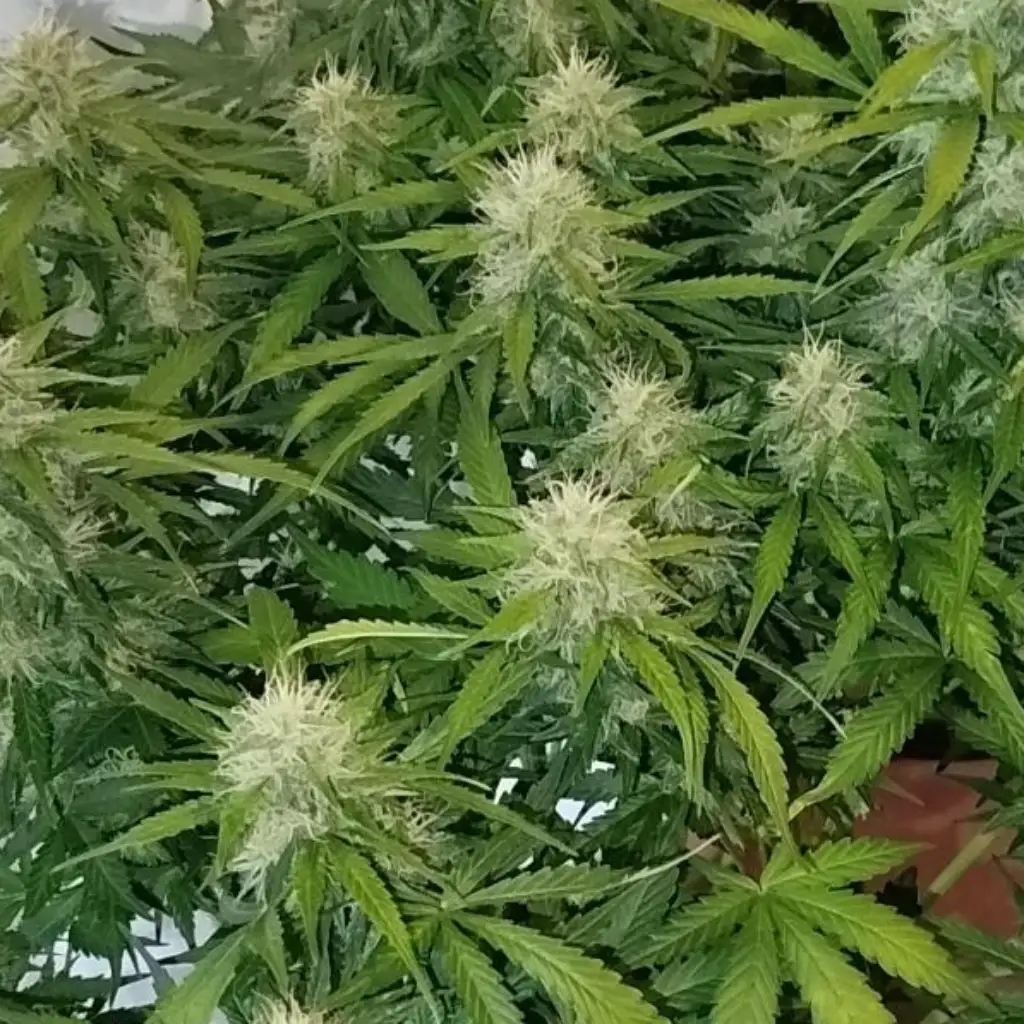
Sativas evolved in warm, humid equatorial regions, so their lanky frames and loose, airy buds are a built-in adaptation: air passes through easily and moisture does not linger, which is why they resist rot better than dense indicas. The biggest danger in a very humid grow is bud rot inside tight colas, so this open structure is a real advantage. Choosing sativa-leaning, climate-adapted genetics gives you a head start before any technique.
Professional Tips for Hot, Humid Climates
Keep vegetative temperatures around 68-77 F (20-25 C), since above 85 F (29 C) stresses plants; run 20/4 light for autoflowers to push growth with less heat stress; cure at 58-62% RH; feed a nitrogen-forward ratio in veg; space plants at least 3 feet apart for airflow; and hold soil pH around 6.0-6.5 to avoid lockout in the heat. Shade cloth during peak sun and mulching round out a heat-and-humidity plan.

FAQs on Growing in Hot Climates
What strains are good in hot weather?
Airy, mold-resistant strains do best in heat and humidity, especially sativa-leaning varieties like Durban Poison, Amnesia Haze and Super Silver Haze, plus heat-tolerant OG Kush grown with care. Their open structure improves airflow and resists bud rot. Pair the right genetics with spacing and ventilation for the best results.
How to protect cannabis plants from heat stress?
Use shade cloth to cut direct midday sun, mulch to keep soil moisture and roots cooler, and water-storing polymers for steadier hydration. Keep temperatures below about 85 F (29 C) where you can, and maintain airflow. Early or late watering reduces evaporation and heat stress during the hottest part of the day.
What is the best cannabis for high humidity?
The best choices are mold-resistant strains with airy, open buds, mostly sativa-dominant or sativa-leaning hybrids such as Durban Poison, Amnesia Haze and Pineapple Express, plus shorter-flowering and autoflower options that finish before the wettest weeks. Pair resilient genetics with good airflow and spacing.
How do I stop mold when growing in humidity?
Choose mold-resistant, airy-budded genetics, space plants well, prune to open the canopy, and keep air moving with fans and extraction. Lower humidity in flower, avoid late high-nitrogen feeding, and scout dense colas daily near harvest. Airflow plus resistant strains prevents most bud rot in humid climates.
Do autoflowers grow well in hot, humid climates?
Often yes. Fast autoflowers finish before the wettest, most mold-prone weeks and let you stagger several outdoor runs in a warm season. Choose airy, resilient auto genetics, give them strong light and good airflow, and water early or late to limit heat stress. Their speed is a real advantage in humidity.
Can you grow cannabis in a tropical climate?
Yes, with the right approach. Choose airy, mold-resistant, often sativa-leaning genetics, space plants for airflow, prune to open the canopy, and shelter buds from heavy rain. Shorter-flowering strains and autoflowers that finish before the wettest weeks help. Airflow plus resilient genetics are the keys in the tropics.