
Essential Guide: qPCR vs Plating Methods for Cannabis Testing

When it comes to cannabis microbial testing, ensuring safety and quality is crucial. Knowing qPCR vs plating methods for cannabis microbial testing is essential, as these are the two primary approaches used in the industry. Each method has its own strengths and limitations, and knowing how they differ can help growers, processors, and buyers make more informed decisions about product safety and compliance.
QPCR, or quantitative Polymerase Chain Reaction, is a molecular technique that detects and quantifies DNA. It is known for its speed and accuracy in identifying microbial contamination. On the other hand, plating methods involve growing microbes on a nutrient medium to detect their presence. This traditional approach has been used for decades.
Recommended Strains

Skywalker

|
THC | 21% (Medium) |

|
Type | Feminized |

|
Yield | Medium |

|
Phenotype | 45% Indica / 55% Sativa |
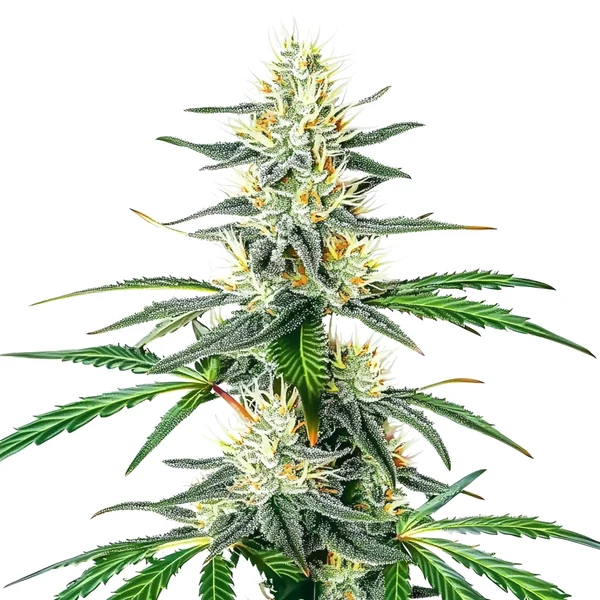
Dama Blanca
|
|
THC | 18% - 20% (Medium) |
|
|
Type | Feminized |
|
|
Yield | Medium |
|
|
Phenotype | 45% Indica / 55% Sativa |
For instance, growers of the popular Blimburn Seeds strain, “Skywalker” often need to choose between these methods to ensure their cannabis meets safety standards. The choice can impact not just regulatory compliance but also the quality of the final product.
qPCR and Plating Methods: How They Work
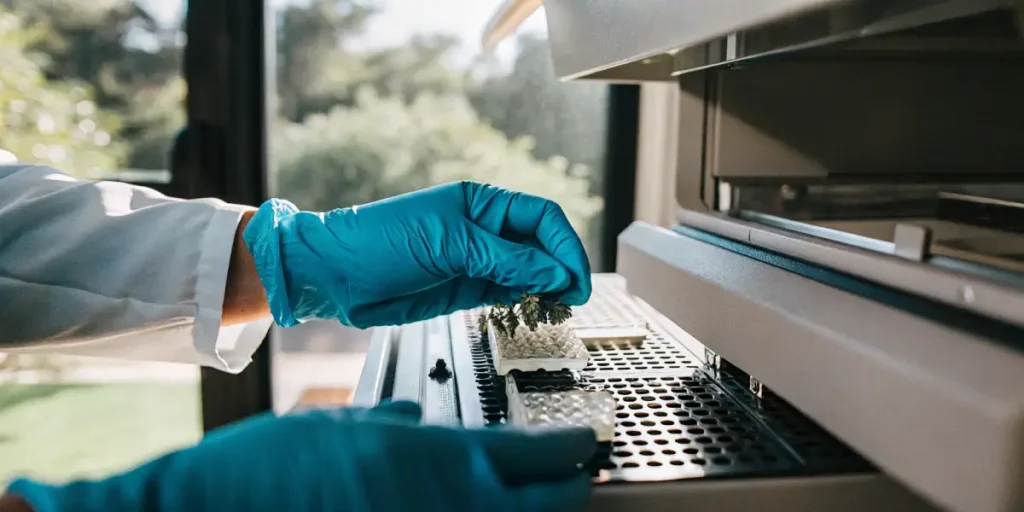
The qPCR approach uses specific primers to amplify DNA, making it easy to detect even small amounts of microbial DNA. This method is fast, often providing results within hours. It is especially useful for busy commercial growers who need quick answers.
Plating methods, by contrast, involve culturing samples on agar plates. This process can take days, as it relies on the growth of microbial colonies. While slower, it provides a visual representation of microbial presence, which some growers find valuable for a detailed analysis.
Knowing the differences between qPCR and plating in cannabis testing is essential for optimizing safety protocols. While qPCR offers rapid insights, plating methods provide a tangible aspect that can be reassuring for those who prefer a hands-on approach to microbial detection.
In the comparison of qPCR and plating methods for cannabis microbial testing, each offers unique insights. qPCR’s precision is advantageous for detecting specific pathogens, whereas plating methods can reveal the diversity of the microbial environment, aiding in comprehensive safety assessments.
Promos & Deals



Accuracy and Efficiency in Cannabis Testing
When comparing qPCR vs plating methods for cannabis microbial testing, accuracy is a key factor. qPCR is often praised for its high sensitivity and ability to detect specific microbes. This precision makes it a preferred choice for detecting pathogens that could affect strains like “Dama Blanca” from Blimburn Seeds.
In terms of efficiency, qPCR typically outperforms plating methods. The quick turnaround time can be essential for growers facing tight deadlines. However, plating methods offer a thoroughness that some growers appreciate, particularly when analyzing a wide range of potential contaminants.
qPCR vs plating cannabis microbial testing accuracy is a critical consideration for growers. The ability of qPCR to quickly and accurately identify contaminants can significantly impact the overall quality control process for cannabis products.
Cannabis testing qPCR vs plating efficiency is often a deciding factor for large-scale operations. The rapid results provided by qPCR can streamline production timelines, ensuring that products meet market demands without compromising safety standards.
Practical Examples from the Cannabis Industry
Consider a grower cultivating the “OG Kush” strain from Blimburn Seeds. They need to ensure their product is free from harmful microbes. Opting for qPCR might be beneficial if they require fast results to meet a shipment deadline. The speed of qPCR can mean the difference between meeting or missing a delivery date.
Alternatively, a small-scale grower focused on artisanal quality might prefer plating methods. Despite being slower, plating provides a comprehensive overview of the microbial environment. This insight can be valuable for growers who prioritize craftsmanship and quality over speed.
Real-world applications of qPCR and plating methods comparison in cannabis safety highlight how different testing strategies can affect production outcomes. For high-value strains, the choice of method can influence not only compliance but also consumer satisfaction.
In the competitive cannabis market, deciding between qPCR and plating methods can also impact brand reputation. Growers using qPCR can promote their commitment to cutting-edge safety practices, while those using plating methods may emphasize traditional quality assurance techniques.
Advantages and Disadvantages
qPCR offers significant advantages in terms of speed and specificity. This method can target specific microbial DNA sequences, providing a clear picture of contamination levels. Such precision is particularly advantageous when testing high-value strains like “Moby Dick” from Blimburn Seeds.
However, qPCR can be more expensive upfront due to the technology and expertise required. Plating methods, while slower, are often less costly and can be a more accessible option for smaller operations. They provide a tangible way to visualize microbial growth, which can be reassuring for some growers.
The cannabis microbial testing qPCR advantage over plating is evident in situations where rapid response is crucial. The ability to quickly identify and address potential threats can prevent delays and protect the integrity of the product.
Nonetheless, the slower pace of plating methods can offer a different kind of advantage, particularly in knowing the broader microbial landscape. Growers can leverage this detailed insight to make strategic decisions about cultivation practices and product development.
Choosing the Right Method for Your Needs
Deciding between qPCR vs plating methods for cannabis microbial testing often comes down to specific needs and resources. For large operations with high throughput, the efficiency of qPCR might be worth the investment. The ability to quickly identify microbial threats can streamline production and ensure compliance with safety standards.
Smaller growers, or those focused on specific quality traits, might find plating methods more aligned with their goals. The detailed insights provided by this approach can enhance knowing of the microbial landscape, leading to more informed cultivation practices.
For growers weighing qPCR vs plating methods for cannabis microbial testing, it’s essential to consider long-term goals. While qPCR offers immediate benefits in speed and precision, plating methods contribute valuable data over time, aiding in sustainable cultivation practices.
Ultimately, the choice also depends on the specific strains being cultivated. Some strains may present unique microbial challenges that are better suited to the particular strengths of either qPCR or plating methods, emphasizing the importance of tailored testing strategies.
FAQs about qPCR vs plating methods for cannabis microbial testing
What is the main difference between qPCR and plating methods?
The primary difference lies in their approach to detecting microbes. qPCR uses molecular techniques to identify and quantify DNA, offering quick and precise results. Plating methods rely on cultivating microbes on nutrient media, which is a slower process but provides a visual confirmation of microbial presence.
Growers often choose based on their specific needs. If speed and specificity are priorities, qPCR might be the preferred method. On the other hand, if visual confirmation and cost are more important, plating methods could be the better choice.
The differences between qPCR and plating in cannabis testing highlight how each method serves unique operational needs. Knowing these differences allows growers to align their testing strategies with their production goals and market demands.
In evaluating qPCR vs plating methods for cannabis microbial testing, it’s crucial to factor in the operational scale and target market. Each method’s distinct advantages can cater to different segments of the cannabis industry, from mass production to artisanal craft cultivation.
How does qPCR offer an advantage over plating in cannabis testing?
qPCR is advantageous because of its high sensitivity and rapid turnaround time. It can detect and quantify specific pathogens quickly, which is crucial for maintaining cannabis quality and meeting regulatory demands. This makes it highly efficient for large-scale operations.
While plating methods provide a broader picture of microbial growth, they cannot match the speed and precision of qPCR. This efficiency is particularly beneficial for growers needing fast and accurate results to ensure the safety of their crops.
The cannabis testing qPCR vs plating efficiency debate often centers around the speed at which results can be obtained. For growers under tight deadlines, qPCR’s rapid diagnostics offer a significant operational advantage.
Nevertheless, the broader insights from plating methods can complement qPCR’s fast results, creating a comprehensive testing approach that maximizes both speed and depth of analysis in ensuring product safety.
Are there any limitations to using qPCR in cannabis microbial testing?
Despite its advantages, qPCR can be limited by its cost and complexity. The equipment and expertise required can be significant investments, which might not be feasible for all growers. Additionally, qPCR can sometimes miss detecting viable but non-culturable organisms, which plating methods might catch.
For some growers, these limitations mean that qPCR is best used in conjunction with other methods, ensuring a comprehensive approach to microbial testing. Balancing these factors is crucial for effective cannabis cultivation and safety.
qPCR’s limitations in cannabis microbial testing highlight the importance of using a multi-faceted approach. By integrating qPCR with traditional plating methods, growers can achieve a more robust safety strategy that addresses both acute and latent microbial threats.
Ultimately, the choice between qPCR and plating methods should consider both immediate needs and potential long-term microbial risks, ensuring a balanced and effective testing regimen tailored to specific cultivation conditions.
Can plating methods still be relevant in modern cannabis testing?
Yes, plating methods remain relevant, especially for their ability to provide a visual assessment of microbial growth. This can be particularly useful for smaller growers or those focusing on artisanal quality, where knowing the full microbial profile is important.
While slower, plating methods offer insights into microbial diversity that can inform cultivation practices. This approach can be a valuable part of a broader testing strategy, complementing more advanced techniques like qPCR.
The relevance of plating methods in modern cannabis testing cannot be overstated, as they offer insights into the complexity of microbial ecosystems that qPCR alone may not reveal. This thoroughness is invaluable for developing comprehensive safety protocols.
Integrating qPCR and plating methods allows growers to capitalize on the strengths of both approaches, ensuring a holistic knowing of microbial dynamics that aligns with both regulatory requirements and quality assurance goals.
What factors should influence the choice between qPCR and plating methods?
Factors such as the scale of operation, budget, and specific testing needs should guide the choice. Large-scale operations may benefit from the speed and precision of qPCR, while smaller or boutique growers might prioritize the thoroughness and cost-effectiveness of plating methods.
Knowing the specific microbial risks associated with different cannabis strains is also important. For example, strains with higher susceptibility to certain pathogens might require the precise detection capabilities of qPCR, whereas others might be adequately monitored through plating.
When evaluating qPCR vs plating methods for cannabis microbial testing, consider the unique microbial challenges of each strain. Tailoring the testing approach to these challenges ensures optimal safety and quality outcomes.
The choice between qPCR and plating methods often involves balancing immediate operational needs with long-term cultivation goals. By aligning testing strategies with production objectives, growers can enhance both efficiency and product integrity.