Essential Microbial Monitoring Protocols for Cannabis Growers

Cannabis growers face unique challenges when it comes to maintaining a clean, healthy growing environment. Microbial monitoring protocols for cannabis growers are essential in ensuring the quality and safety of the final product. By implementing effective microbial safety protocols for cannabis facilities, growers can prevent contamination and ensure a successful harvest.
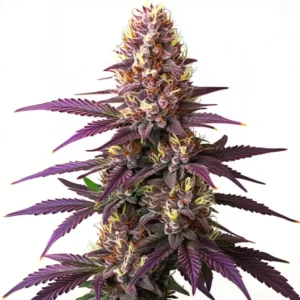
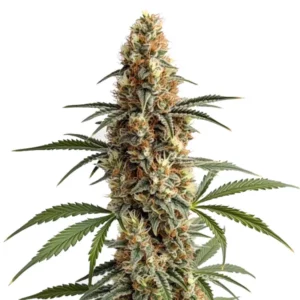
To avoid pitfalls in cannabis production, it’s crucial to establish cannabis grower microbial contamination guidelines. These guidelines help to identify potential sources of contamination and outline steps to mitigate these risks. Whether you’re growing classic strains like Great White Shark or new favorites like Critical Daddy Purple from Blimburn Seeds, keeping your cannabis clean is key.
Recommended Strains

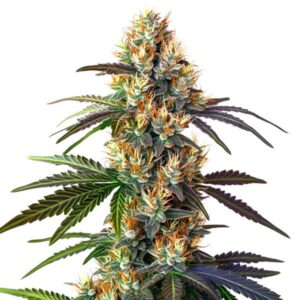
Great White Shark

|
THC | 21% - 24% (High) |

|
Type | Feminized |

|
Yield | High |

|
Phenotype | 80% Indica / 20% Sativa |
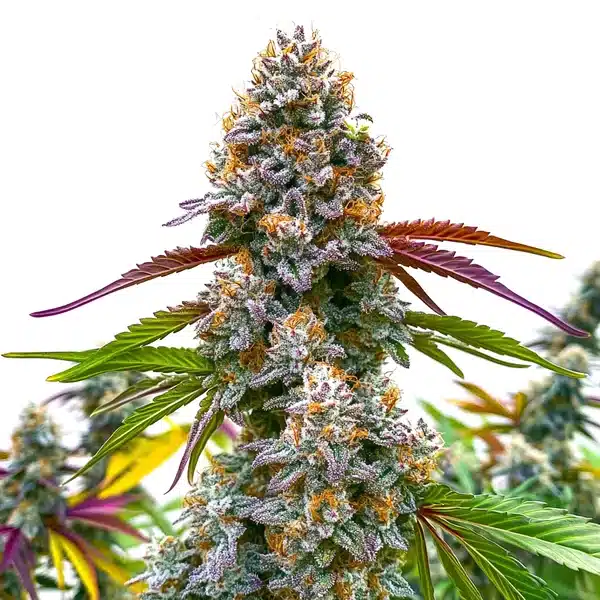
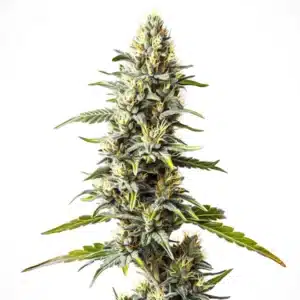
Critical Daddy Purple
|
|
THC | 19% (Medium) |
|
|
Type | Feminized |
|
|
Yield | High |
|
|
Phenotype | 50% Indica / 50% Sativa |
One major aspect of microbial monitoring is knowing the microbial testing procedures for cannabis cultivation. These procedures help in identifying unwanted microbes such as molds, yeasts, and bacteria that can affect the health of the cannabis plants and the safety of the product.
Effective Microbial Testing Procedures
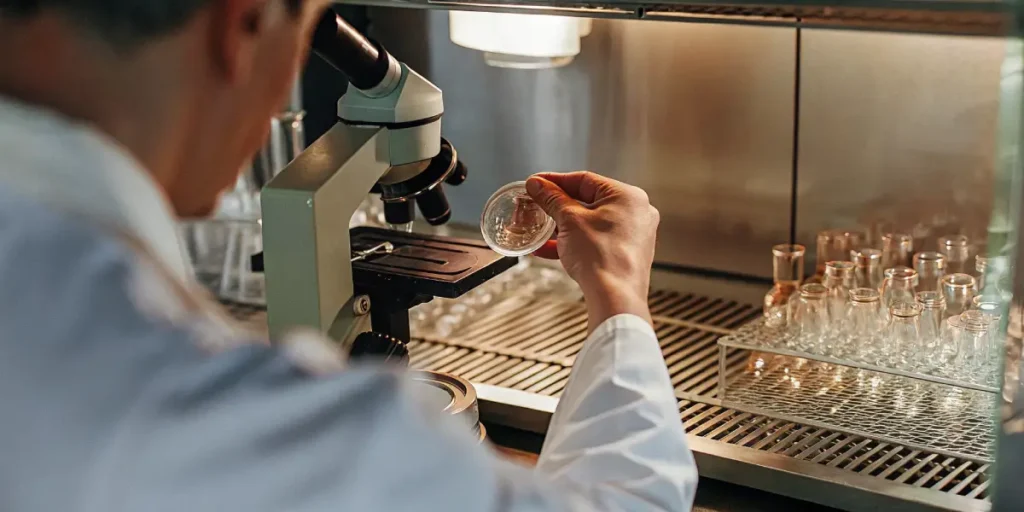
Microbial testing procedures are vital in the cannabis cultivation process. These procedures involve sampling and analyzing different parts of the cannabis plant as well as the growing environment. Regular testing helps in identifying microbial threats before they become a serious issue.
Testing typically includes methods like swabbing plant surfaces and testing soil samples. Using lab tests, growers can identify the presence of harmful microbes. For instance, if you’re growing Blueberry from Blimburn Seeds, you’ll want to ensure the environment is free from molds and bacteria that can ruin the plant.
Besides to swabbing and soil sampling, water testing is a crucial component of microbial testing procedures for cannabis cultivation. Water sources can harbor harmful microbes that may spread throughout the grow environment. Regularly testing water used for irrigation can help prevent unexpected contaminations that could compromise the health of the plants.
Furthermore, incorporating air sampling into the testing routine can provide insight into airborne microbial threats. This is particularly important in indoor grow facilities where air circulation can impact the spread of microorganisms. By knowing the complete microbial landscape, growers can implement more targeted and effective microbial monitoring protocols for cannabis growers.
Implementing a Testing Schedule
A consistent testing schedule forms the backbone of effective microbial monitoring protocols for cannabis growers. By setting regular intervals for testing, growers can stay ahead of potential microbial issues. For instance, testing once a week can provide a clear picture of the microbial landscape within the grow area.
Growers should consider factors like plant growth stages when planning their testing schedule. During the flowering stage, plants are more susceptible to microbial threats. Regular testing during this phase ensures that any microbial contamination is caught early and dealt with swiftly.
Establishing a testing schedule also allows growers to track trends in microbial levels over time. By comparing test results from different phases of the growth cycle, growers can identify patterns or recurring issues that may require specific interventions. This proactive approach enhances the effectiveness of microbial monitoring protocols.
Additionally, documenting testing results and interventions provides valuable data that can be used to refine microbial safety protocols for cannabis facilities. This ongoing process of evaluation and adjustment ensures that growers are always utilizing the best practices for microbial control in cannabis growing.
Promos & Deals
Practical Steps for Microbial Control
Best practices for microbial control in cannabis growing include maintaining cleanliness, managing humidity levels, and ensuring proper ventilation. These steps help in creating an environment that discourages microbial growth.
For example, regularly cleaning tools and equipment reduces the chance of transferring microbes from one part of the grow area to another. Additionally, controlling humidity levels can prevent the growth of mold and mildew, which thrive in moist conditions.
Implementing these fundamental practices is complemented by the use of microbial monitoring protocols for cannabis growers. This ensures that the growing environment remains consistently optimal for plant health and yield. Regular sanitation and environmental management are key components of effective microbial monitoring in cannabis production.
Another practical step is the use of microbial inoculants, which introduce beneficial microbes into the grow environment. These beneficial organisms can outcompete harmful microbes, providing an additional layer of protection for the plants. This approach aligns with the cannabis grower microbial contamination guidelines aimed at fostering a healthy microbial balance.
Utilizing Environmental Controls
Environmental controls involve managing the conditions in which cannabis plants grow. By optimizing these conditions, growers can minimize the risk of microbial contamination. This includes regulating temperature, humidity, and light exposure.
Using dehumidifiers and fans can effectively manage humidity levels. Keeping humidity at optimal levels is particularly important when growing strains like Sour Diesel from Blimburn Seeds, which can be sensitive to mold.
Temperature control is equally important. High temperatures can encourage microbial growth, while lower temperatures can slow it down. Maintaining a stable temperature helps keep the grow environment healthy and productive.
Implementing automated environmental control systems can enhance the precision and consistency of these measures. Such systems allow growers to maintain the ideal growing conditions round-the-clock, reducing the risk of human error and ensuring that best practices for microbial control in cannabis growing are consistently applied.
Sanitation Protocols
Sanitation protocols are a cornerstone of effective microbial monitoring in cannabis production. Regular cleaning of the grow area, including floors, walls, and surfaces, helps eliminate potential microbial hotspots.
Tools and equipment should also be regularly sanitized. Using alcohol or bleach solutions can effectively kill most microbes. Regular inspections can help identify areas that may need more attention or adjustments in cleaning routines.
Incorporating sanitation protocols into the daily routine of the grow facility can significantly reduce the risk of cross-contamination. For instance, having dedicated tools for different sections of the grow area minimizes the movement of microbes from one section to another, adhering to cannabis grower microbial contamination guidelines.
Additionally, establishing clear hygiene protocols for personnel, such as wearing protective clothing and washing hands thoroughly before entering the grow space, further supports effective microbial monitoring protocols for cannabis growers. This holistic approach to sanitation ensures that every potential contamination vector is addressed.
Advanced Techniques in Microbial Monitoring
For those looking to take their microbial monitoring protocols for cannabis growers to the next level, advanced techniques can provide an edge. Techniques such as DNA sequencing and microbial profiling provide in-depth insights into the microbial community within the grow area.
These advanced methods can identify not only harmful microbes but also beneficial ones that can aid plant growth. By knowing the microbial ecosystem, growers can make informed decisions on how to manage their grow environment effectively.
The integration of advanced microbial monitoring techniques allows for a more nuanced knowing of microbial dynamics. This can be particularly beneficial for large-scale operations where precision in microbial safety protocols for cannabis facilities is paramount. By employing these sophisticated approaches, growers can optimize plant health and yield.
Furthermore, advancements in technology have made these techniques more accessible. As costs continue to decrease, even smaller operations can benefit from the detailed insights provided by these advanced microbial testing procedures for cannabis cultivation, ultimately enhancing the overall effectiveness of microbial control strategies.
DNA Sequencing
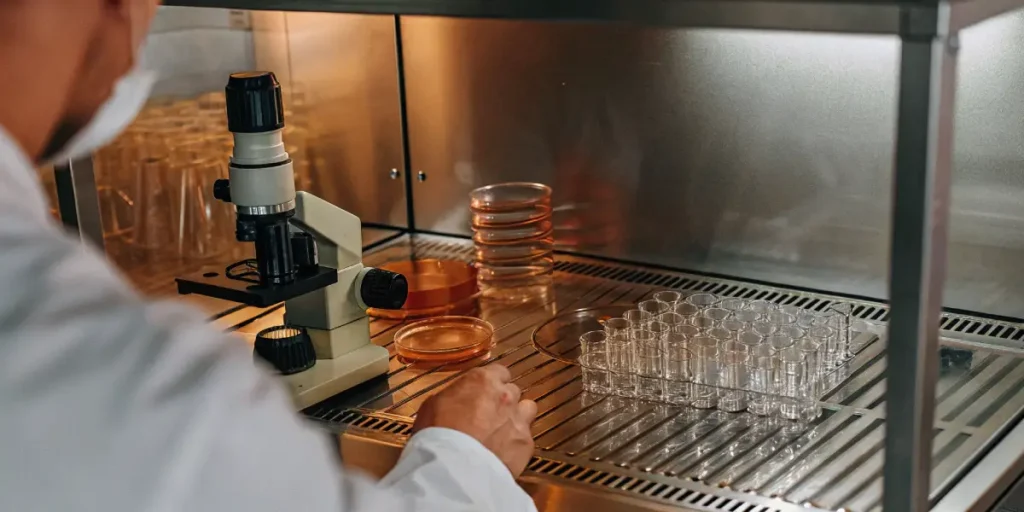
DNA sequencing involves analyzing the genetic material of microbes to identify them accurately. This technique can detect even low levels of microbial presence, allowing growers to intervene before problems arise.
While DNA sequencing can be costly, the detailed information it provides can be invaluable, especially for large-scale operations. It helps in tailoring specific microbial control strategies that are more effective.
Incorporating DNA sequencing into microbial monitoring protocols for cannabis growers allows for the early detection of potential threats, providing a proactive approach to contamination prevention. This level of precision is especially beneficial in environments where maintaining high product quality is critical.
Moreover, DNA sequencing can reveal the presence of beneficial microbes that may contribute to plant health. By fostering these organisms, growers can enhance their cultivation practices, particularly when growing robust strains like Raspberry Cough from Blimburn Seeds, where maximizing yield and quality is a priority.
Microbial Profiling
Microbial profiling provides a comprehensive overview of the microbial populations within the grow environment. This includes both harmful and beneficial microbes, giving a complete picture of the microbial dynamics at play.
By knowing which microbes are present, growers can make informed decisions about interventions. For example, if harmful bacteria are identified, steps can be taken to eliminate them while preserving beneficial counterparts.
Microbial profiling can guide the development of tailored microbial safety protocols for cannabis facilities. By knowing the specific microbial challenges and opportunities within their grow environment, growers can implement more effective microbial control strategies.
This approach to profiling not only aids in the prevention of contamination but also supports sustainable cultivation practices. By leveraging the presence of beneficial microbes, growers can reduce reliance on chemical interventions, promoting a more eco-friendly approach to cannabis cultivation.
FAQs about microbial monitoring protocols for cannabis growers
What are the main sources of microbial contamination in cannabis growing?
Microbial contamination in cannabis growing often comes from environmental factors such as soil, water, and air. These elements can introduce bacteria, molds, and other microorganisms into the growing environment. Human handling and contact with contaminated surfaces or tools can also be significant sources of contamination.
To counteract these risks, growers should implement strict sanitation protocols and regularly test their growing environment. By maintaining a clean space and monitoring potential contamination sources, the threat posed by microbes can be greatly reduced.
Knowing the main sources of contamination allows growers to focus their efforts on the most critical areas. This knowing is integral to the development of effective microbial monitoring protocols for cannabis growers, ensuring that resources are allocated efficiently.
Additionally, educating personnel about these contamination sources can help in maintaining vigilance. When everyone involved in the cultivation process is aware of the risks and best practices for microbial control in cannabis growing, the overall effectiveness of contamination prevention efforts is enhanced.
How can I monitor microbial levels in my cannabis grow room?
Monitoring microbial levels involves regular testing and sampling of the grow environment. This can include swabbing plant leaves, testing soil samples, and analyzing water used for irrigation. Using both rapid tests and lab analyses can provide a comprehensive view of microbial activity.
Incorporating these practices into your routine helps identify microbial threats early. Regular monitoring ensures that any fluctuations in microbial levels are detected promptly, allowing for quick intervention if necessary.
Developing a comprehensive monitoring strategy that combines different methods can provide a clearer picture of microbial dynamics. Rapid tests offer immediate insights, while lab analyses provide detailed information, both essential components of microbial monitoring protocols for cannabis growers.
Furthermore, utilizing technology such as remote sensors for real-time monitoring can enhance the ability to track microbial levels continuously. This level of oversight contributes to maintaining a stable and healthy grow environment, aligning with the best practices for microbial control in cannabis growing.
Why is it important to manage humidity in cannabis growing?
Humidity management is critical in cannabis growing because high humidity levels can promote the growth of molds and mildews. These microbes can damage the plants and compromise the safety and quality of the cannabis product.
By using dehumidifiers and fans, growers can keep humidity levels within an optimal range. This not only protects the plants but also maintains the integrity of strains like Gelato from Blimburn Seeds, which can be particularly susceptible to mold.
Effective humidity control is a fundamental aspect of microbial safety protocols for cannabis facilities. By keeping humidity at ideal levels, growers can prevent the conditions that allow harmful microbes to thrive, safeguarding the health of their crop.
Moreover, maintaining appropriate humidity levels can enhance the overall growing environment. It supports plant health by reducing stress and allowing for optimal growth conditions, ultimately leading to higher quality and more robust yields.
What types of microbes should I be most concerned about?
The most concerning microbes for cannabis growers include molds, yeasts, and bacteria. These organisms can cause diseases in plants, reduce yield, and potentially harm consumers if not properly managed.
Regular microbial testing procedures for cannabis cultivation can help identify these threats early. By focusing on these specific microbes, growers can implement targeted strategies to prevent their spread and ensure a healthy crop.
Knowing the specific types of microbes that pose the greatest risk allows growers to implement more precise and effective microbial monitoring protocols for cannabis growers. By targeting these organisms, the likelihood of contamination and crop loss can be significantly reduced.
Additionally, being aware of the potential impact of these microbes on consumer safety is crucial. Ensuring that final products are free from harmful organisms protects both the end user and the reputation of the grow operation, aligning with best practices for microbial control in cannabis growing.
Are there any beneficial microbes for cannabis plants?
Yes, there are beneficial microbes that can aid in cannabis growth. These include certain bacteria and fungi that enhance nutrient uptake and improve plant health. By fostering these beneficial microbes, growers can improve the overall vigor of their plants.
Knowing the microbial ecosystem within your grow area allows you to encourage these beneficial organisms. This can lead to healthier plants and higher quality yields, making strains like Mamba Negra from Blimburn Seeds even more robust and flavorful.
Beneficial microbes play a vital role in sustainable cultivation practices. By fostering these organisms, growers can reduce reliance on chemical fertilizers and pesticides, thereby enhancing the ecological balance within the grow environment.
Incorporating microbial inoculants as part of the cultivation strategy ensures that beneficial microbes are adequately supported. This not only improves plant health but also contributes to more resilient crops, aligning with the principles of effective microbial monitoring in cannabis production.