Essential Guide: Proven Ways to Tackle Heavy Metals Contamination

Heavy metals contamination from equipment and stainless steel poses a significant risk in various industries, including cannabis cultivation. These metals can leach into the environment, affecting plant growth and product quality. Recognizing this challenge is the first step towards safeguarding your harvest and ensuring the health of your plants.
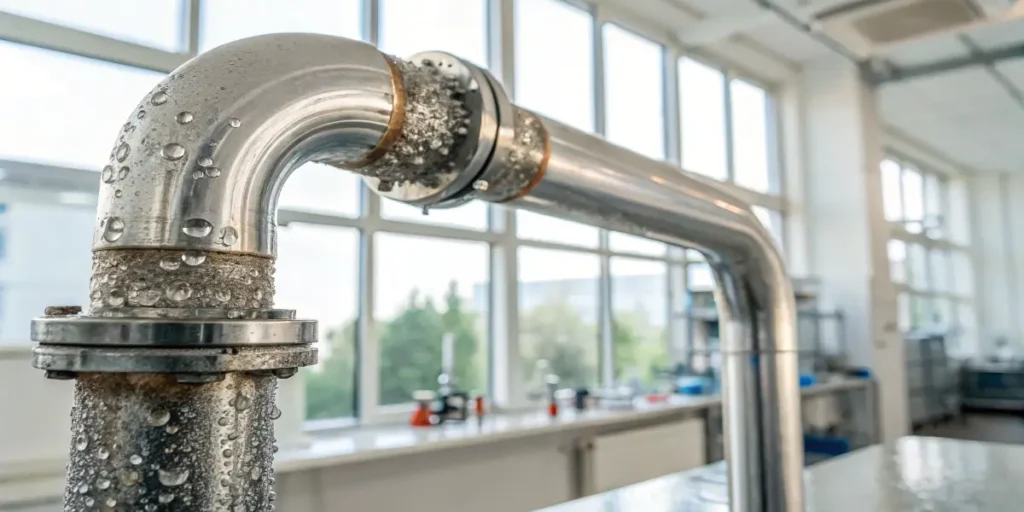
Heavy metals like lead, cadmium, and mercury can find their way into your grow operation through industrial processes or equipment. When using stainless steel tools, it’s crucial to be aware of the potential for heavy metals leaching from stainless steel equipment. This leaching can occur when metal surfaces corrode over time, releasing contaminants into the environment.
Recommended Strains

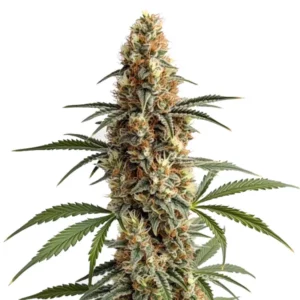
Jack Herer Auto

|
THC | 15% - 20% (Medium) |

|
Type | Autoflowering |

|
Yield | Medium |

|
Phenotype | 40% Indica / 60% Sativa |

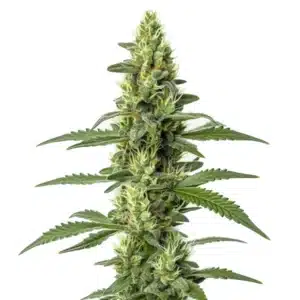
Amnesia Haze Auto
|
|
THC | 16% - 17% (Medium) |
|
|
Type | Autoflowering |
|
|
Yield | Medium |
|
|
Phenotype | 25% Indica / 75% Sativa |
Industrial equipment heavy metal contamination risks aren’t limited to older machinery. Even new stainless steel tools can contribute to contamination if not properly maintained. To mitigate these risks, growers must implement regular equipment checks and maintenance routines, reducing the likelihood of stainless steel corrosion and metal contamination.
Recognizing the Sources of Contamination
Contamination can come from various sources, each requiring specific mitigation strategies. Heavy metal residues in food processing equipment, for example, can be similar to those found in cannabis cultivation setups. The key is identifying these sources early and addressing them swiftly.
Environmental impact of heavy metals in industrial machinery can also affect the areas surrounding your grow operation. When heavy metals enter the soil or water supply, they can harm local ecosystems and, consequently, your plants. Regular testing of soil and water can help detect these contaminants before they cause significant damage.
Moreover, the presence of heavy metals contamination from equipment and stainless steel can influence the microbial activity in the soil, further exacerbating the problem. By knowing the interaction between environmental factors and metal residues, growers can develop more targeted approaches to address contamination issues.
It is also crucial to consider the potential for cross-contamination between different equipment used in various stages of the grow cycle. For example, tools used in soil preparation might inadvertently introduce heavy metals to planting equipment if not properly cleaned and maintained, highlighting the interconnectedness of contamination sources.
Promos & Deals
Effective Strategies for Reducing Contamination
Implementing effective strategies can help reduce the risk of heavy metals contamination from equipment and stainless steel. Start by selecting the right materials for your tools and machinery. Equipment made from high-quality stainless steel with proper coatings can minimize the risk of leaching.
Routine cleaning and maintenance are crucial. Regularly inspect your equipment for signs of wear and tear or corrosion. Replace any components that show signs of deterioration to prevent further contamination. Consider using cleaning agents that are specifically designed to remove heavy metals from surfaces.
Additionally, fostering a culture of awareness and education among staff can significantly enhance contamination prevention efforts. Training employees to recognize signs of stainless steel corrosion and metal contamination can lead to proactive measures being taken before issues escalate.
Investing in advanced monitoring technologies can also be beneficial. These tools can provide real-time data on environmental conditions, helping to quickly identify changes that might indicate the onset of contamination, allowing for prompt intervention and minimizing potential damage.
Choosing the Right Cannabis Strains
Choosing the right cannabis strains can also play a role in managing contamination risks. Some strains are more resilient to environmental challenges, including heavy metals. Blimburn Seeds offers a variety of strains that can thrive even in less-than-ideal conditions.
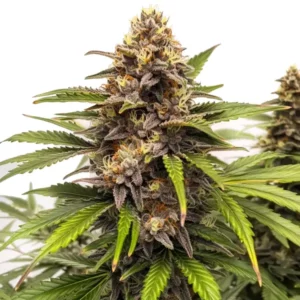
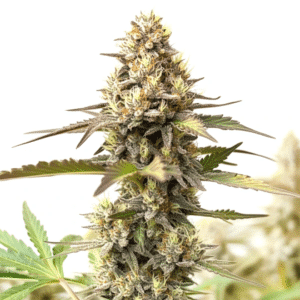
One such strain is the Jack Herer Auto from Blimburn Seeds. Known for its robust growth and high yield, this strain can withstand environmental stressors better than others. Its genetic makeup allows it to grow well even in areas with potential contamination risks.
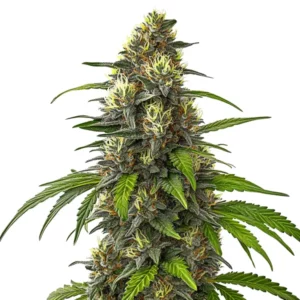
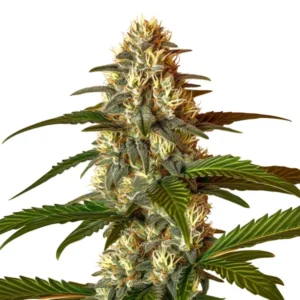
For growers looking to expand their options, the Amnesia Haze Auto strain provides another reliable choice. With its strong genetic lineage, this strain is capable of adapting to various environmental stressors, including heavy metals contamination from equipment and stainless steel.
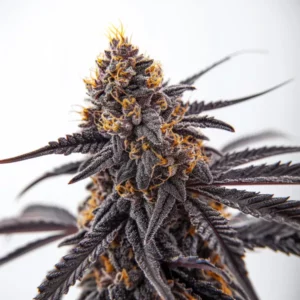
Furthermore, the Mamba Negra strain’s unique properties make it a preferred option for those dealing with challenging growing conditions. Its ability to maintain quality and yield despite potential contamination threats underscores the importance of selecting the right genetic makeup for cultivation.
Maintaining Equipment to Prevent Contamination
Proper maintenance of your equipment is essential in preventing heavy metals contamination from equipment and stainless steel. Begin with a thorough cleaning schedule, ensuring all tools and machinery are free from rust and debris. This not only extends the life of your equipment but also reduces contamination risks.
Regular inspections are necessary to spot early signs of corrosion or damage. Pay particular attention to joints and seams where moisture can accumulate, as these areas are prone to stainless steel corrosion and metal contamination. Replace any compromised parts promptly to avoid further issues.
Another effective measure is to apply protective coatings to stainless steel surfaces. These coatings act as a barrier against environmental factors that contribute to corrosion and heavy metals leaching from stainless steel equipment, thereby enhancing the longevity of your tools.
Furthermore, implementing a system for tracking and evaluating maintenance activities can provide insights into recurring issues, allowing for better resource allocation and more effective management of industrial equipment heavy metal contamination risks.
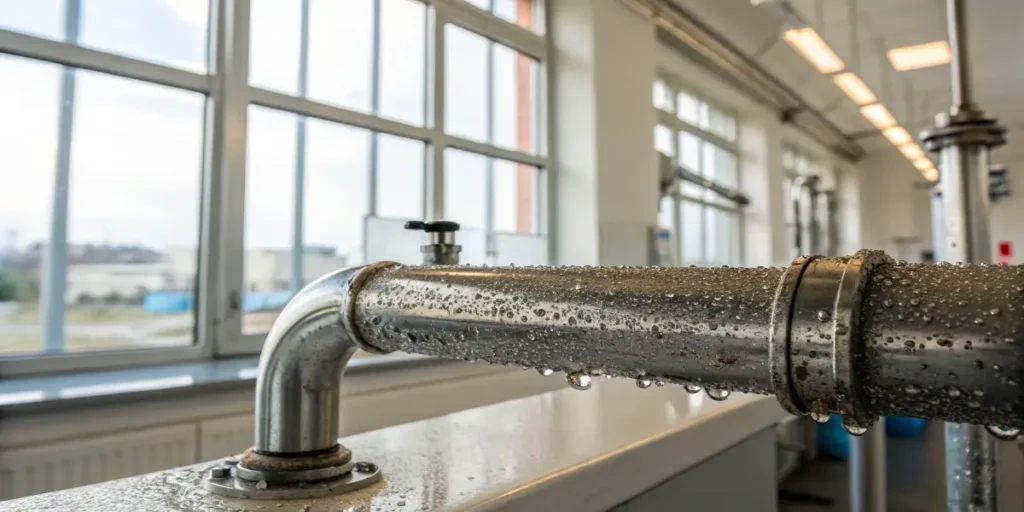
FAQs about heavy metals contamination from equipment and stainless steel
How does heavy metals contamination affect cannabis plants?
Heavy metals contamination can have detrimental effects on cannabis plants, impacting their growth and overall health. When contaminants are present in soil or water, they can be absorbed by the plants, leading to reduced yields and compromised product quality. This not only affects the potency of the cannabis but also poses potential health risks to consumers.
Plants exposed to heavy metals may show signs of stress, such as stunted growth, leaf discoloration, or wilting. In severe cases, contamination can cause plant death, resulting in significant financial losses for growers. It’s crucial to monitor for signs of contamination and take immediate action to address any issues.
The accumulation of heavy metals can also interfere with nutrient uptake, further hindering plant development. This disruption in nutrient balance can exacerbate existing stressors, making it even more challenging to cultivate healthy plants in contaminated environments.
To mitigate these impacts, it’s important to integrate soil amendments that can help immobilize heavy metals, preventing their uptake by plants. Such proactive measures can contribute to healthier growth and improved crop outcomes, even in areas with potential contamination risks.
What steps can I take to prevent heavy metals leaching from stainless steel equipment?
To prevent heavy metals leaching from stainless steel equipment, it’s essential to invest in high-quality materials and maintain them properly. Use equipment with protective coatings that resist corrosion and regularly inspect for signs of wear. Address any rust or damage promptly to prevent leaching.
Additionally, implement a strict cleaning routine using agents specifically designed to remove metal residues. This helps keep surfaces clean and reduces the potential for contamination. Ensuring proper storage of equipment when not in use can also minimize exposure to environmental factors that contribute to corrosion.
Consider utilizing advanced cleaning technologies such as ultrasonic cleaners, which can effectively remove contaminants from hard-to-reach areas of equipment, further reducing the risk of heavy metals contamination from equipment and stainless steel.
Furthermore, raising awareness about the importance of proper handling and storage practices among staff can enhance equipment longevity and minimize the risks of heavy metals leaching into your cultivation environment.
Can heavy metals contamination occur in indoor grow setups?
Yes, heavy metals contamination can occur in indoor grow setups, particularly if equipment and materials are not carefully selected and maintained. Even in controlled environments, factors such as poor ventilation, moisture buildup, and improper equipment use can lead to contamination risks.
To mitigate these risks, choose materials and equipment that are designed for indoor use and are resistant to corrosion. Regular maintenance and cleaning are crucial in preventing buildup of contaminants. Monitoring air quality and humidity levels can also help reduce the potential for contamination in indoor setups.
Adopting hydroponic systems can also help minimize soil-based contamination risks, as these setups utilize controlled nutrient solutions that can be regularly tested and adjusted to prevent heavy metals buildup.
Implementing air filtration systems and dehumidifiers can further enhance the indoor growing environment by reducing the presence of airborne particles and moisture that can contribute to stainless steel corrosion and metal contamination.
Are there cannabis strains more resistant to heavy metals contamination?
Some cannabis strains are more resilient to environmental stressors, including heavy metals contamination. These strains typically have robust growth characteristics and can tolerate challenging conditions better than others. Choosing such strains can help ensure a healthy crop even in less-than-ideal environments.
Blimburn Seeds offers strains like “Jack Herer Auto” and “Gelato,” which are known for their resilience and ability to thrive despite environmental challenges. By selecting strains with strong genetic backgrounds, growers can reduce the impact of contamination on their crops.
Furthermore, breeding programs focused on enhancing resistance to heavy metals can lead to the development of new strains with improved tolerance, providing growers with more options for successful cultivation under challenging conditions.
Collaboration with seed banks like Blimburn Seeds can also provide access to expert knowledge and resources, assisting growers in selecting the most suitable strains for their specific environmental challenges.
What impact does heavy metals contamination have on the final cannabis product?
Heavy metals contamination can significantly affect the quality of the final cannabis product. Contaminants can alter the chemical composition of the cannabis, impacting its potency, flavor, and aroma. This can result in an inferior product that fails to meet consumer expectations or safety standards.
Moreover, heavy metals pose potential health risks to consumers, making it crucial for growers to ensure their products are free from contamination. By implementing effective management and maintenance practices, growers can safeguard their crops and deliver high-quality cannabis products to the market.
The presence of heavy metals in cannabis products can also affect regulatory compliance, potentially leading to legal and financial repercussions for growers who fail to meet established safety standards.
Therefore, investing in thorough testing procedures and collaborating with certified laboratories can help verify product safety, maintaining consumer trust and protecting the reputation of the brand in a competitive market.