Essential Guide to Hydroponics Heavy Metal Contamination Risks

Hydroponics, a soilless way to grow plants, offers many benefits, including faster growth and higher yields. However, it comes with its own set of challenges. One of the most significant issues is hydroponics heavy metal contamination risks. Heavy metals can sneak into your nutrient solutions, posing health hazards to both plants and humans.
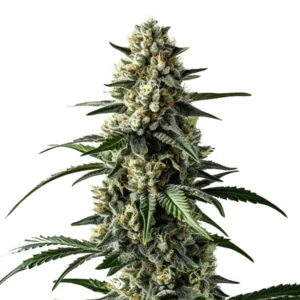
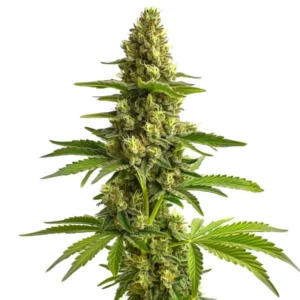
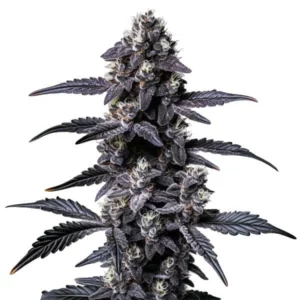
Heavy metals like lead, cadmium, and mercury can contaminate your hydroponic system through various sources. These elements can accumulate in plants, making them unsafe for consumption. If you’re growing cannabis, this can be a major concern. Strains like Gelato, Bruce Banner, and Girl Scout Cookies from Blimburn Seeds are popular among growers, but they need protection from these risks.
Recommended Strains

Gelato

|
THC | 27% (High) |

|
Type | Feminized |

|
Yield | High |

|
Phenotype | 50% Indica / 50% Sativa |
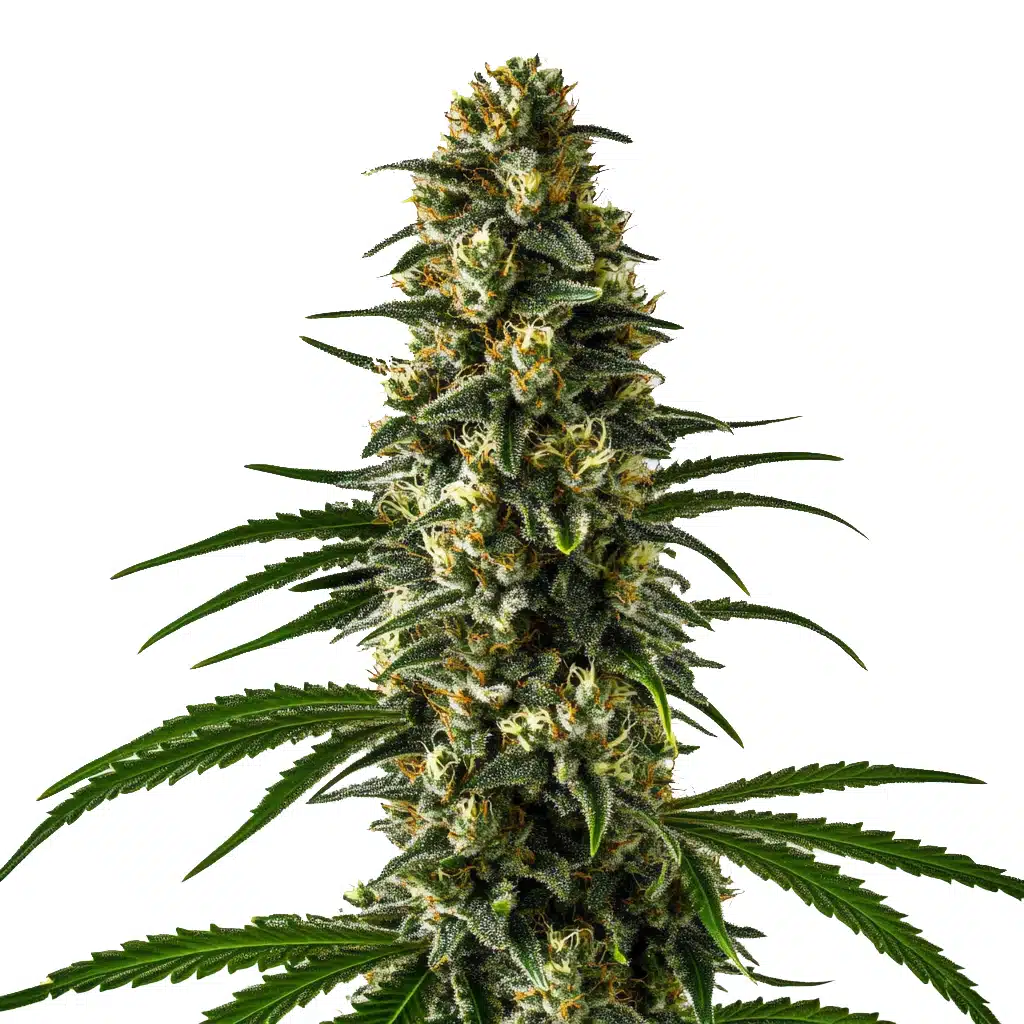
Girl Scout Cookies
|
|
THC | 18% - 25% (High) |
|
|
Type | Feminized |
|
|
Yield | High |
|
|
Phenotype | 60% Indica / 40% Sativa |
Heavy metals in hydroponic systems can come from contaminated water, fertilizers, or even the materials used in your setup. Once present, these metals are absorbed by the roots and make their way into the plant tissues. Ensuring your hydroponic garden is free from these contaminants requires diligence and proper management.
Sources of Heavy Metal Contamination in Hydroponics
Water quality is a critical factor in hydroponics. Tap water often contains trace amounts of heavy metals, which can build up over time. Using filtered or distilled water can help reduce this risk. It’s essential to test your water source regularly to ensure it’s free from harmful contaminants.
Fertilizers and nutrient solutions can also be a source of hydroponics nutrient solution contamination. Some inexpensive fertilizers contain impurities, including heavy metals. Opt for high-quality, reputable brands that offer detailed ingredient lists. This precaution helps in preventing heavy metal contamination in hydroponics.
Another potential source of heavy metal contamination in hydroponics is the equipment and containers used in the system. Materials that are prone to corrosion, such as certain metals, can leach heavy metals into the nutrient solution over time. Choosing equipment made from non-reactive materials, such as food-grade plastics, can significantly reduce this risk.
Environmental factors can also contribute to the presence of heavy metals in hydroponic systems, increasing hydroponics heavy metal contamination risks. Dust and pollutants from nearby industrial areas can settle on plants and in the water, leading to contamination. Ensuring your hydroponic garden is located in a clean area and using protective covers can help minimize these hydroponics heavy metal contamination risks and safeguard your crops from external sources of heavy metal exposure.
Promos & Deals
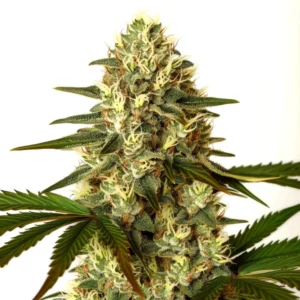
Effects of Heavy Metal Uptake in Hydroponic Plants
Heavy metal uptake in hydroponic plants can lead to several problems. Plants may exhibit stunted growth, discolored leaves, or even die. For cannabis growers, this means a poor harvest and potentially unsafe products. Using strains like Blue Dream from Blimburn Seeds, known for their resilience, can mitigate some risks, but it’s not a complete solution.
Consuming plants with high levels of heavy metals poses health risks. Metals like lead and cadmium can cause serious health issues, including kidney damage and neurological problems. This is why knowing the risk of metal toxicity in hydroponics is crucial for anyone involved in growing plants for consumption.
Heavy metal uptake in hydroponic plants can also affect the plant’s biochemical processes, leading to increased susceptibility to diseases and pests. This vulnerability can further reduce the quality and yield of your crops, making it even more critical to monitor and manage heavy metal levels diligently.
Furthermore, the presence of heavy metals in your plants can have a cascading effect on the entire ecosystem of your hydroponic setup. Beneficial microorganisms that contribute to nutrient cycling and plant health can be adversely affected, further compounding the challenges of maintaining a healthy growing environment.
Preventive Measures to Avoid Heavy Metal Contamination
Preventing heavy metal contamination in hydroponics starts with choosing the right materials. Avoid using metal containers or components that could corrode and leach into the water. Instead, opt for food-grade plastics or stainless steel for your systems.
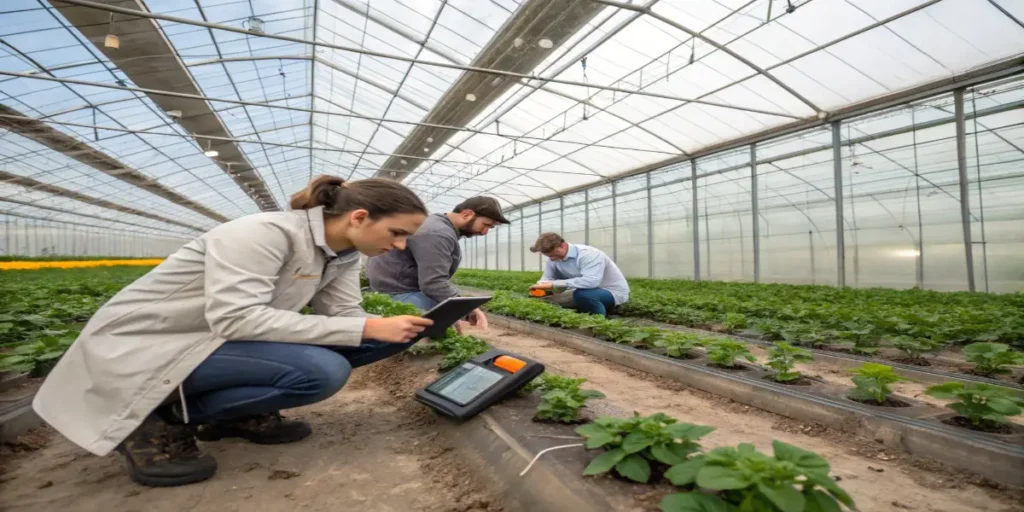
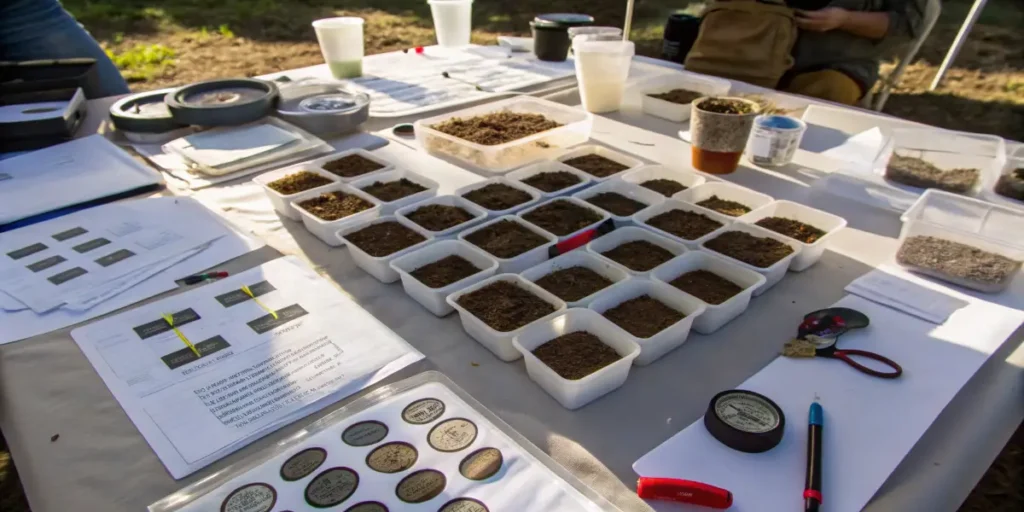
Regularly testing your nutrient solutions is another effective strategy. Test kits are available that can detect heavy metals, giving you peace of mind. If contamination is detected, replacing the nutrient solution and cleaning the system thoroughly can help resolve the issue.
Another key step in preventing heavy metal contamination is the careful selection of fertilizers and nutrient additives. Always choose products that are certified for purity and free from heavy metals. Reading labels and researching brands can help you make informed decisions to keep your hydroponic system safe.
Implementing a water management strategy is also crucial. This includes using reverse osmosis systems or deionization processes to purify water before it enters your hydroponic system. These methods can effectively remove heavy metals and other impurities, significantly reducing the risk of contamination.
FAQs About Hydroponics Heavy Metal Contamination Risks
How do heavy metals get into hydroponic systems?
Heavy metals can enter hydroponic systems through various channels. Contaminated water is a primary source, as tap water can contain trace levels of metals. Additionally, low-quality fertilizers or nutrients might introduce these metals into your system. Even the infrastructure of your system, if made from certain metals, can corrode and release harmful elements over time.
To combat this, always use filtered or distilled water. Opt for premium fertilizers that guarantee purity. Regular testing of your system’s water and nutrient solutions can help identify any contamination early, allowing you to take corrective action before it affects your plants.
It’s important to understand that even seemingly minor sources can contribute to hydroponics heavy metal contamination risks. For example, using tools and pumps made from non-food-grade materials can introduce contaminants. Always ensure that every component of your setup is designed with safety in mind.
Moreover, external environmental factors such as air pollution and dust can carry heavy metals that settle into open-water hydroponic systems. Installing covers and filters can help minimize the impact of these external contaminants, safeguarding your plants and system from unexpected sources of heavy metal exposure.
What are the symptoms of heavy metal toxicity in plants?
Plants suffering from heavy metal toxicity often show signs such as yellowing leaves, stunted growth, and poor flowering. In severe cases, plants may wilt or die unexpectedly. These symptoms occur because heavy metals interfere with essential plant processes, inhibiting nutrient absorption and photosynthesis.
For cannabis strains like Bruce Banner from Blimburn Seeds, such symptoms can drastically reduce yield and quality. Monitoring your plants regularly for these signs can help you take action promptly. Implementing preventive measures like regular system cleaning can help avert these issues.
Besides to visible symptoms, heavy metal toxicity can also lead to subtle changes in plant physiology. For instance, the plant’s ability to produce essential oils and other secondary metabolites might be impaired, affecting flavor and potency, particularly in cannabis strains.
Another often overlooked symptom of heavy metal toxicity is the alteration of root systems. Roots may become brittle, discolored, or show abnormal growth patterns. These changes can further exacerbate nutrient uptake issues, making it vital to maintain a proactive approach in managing heavy metal levels.
Can I remove heavy metals from a contaminated hydroponic system?
Yes, it is possible to remove heavy metals from a contaminated hydroponic system. Start by flushing the system with clean, filtered water to remove any lingering contaminants. Next, replace the nutrient solution with a clean batch, ensuring the new solution is free from heavy metals.
Use activated carbon filters in your system to help absorb any residual metals. Periodic testing of both water and plants will confirm the removal of contaminants. This approach will help in maintaining a healthy growing environment for strains like Girl Scout Cookies from Blimburn Seeds.
Besides to activated carbon filters, chelating agents can be used to bind heavy metals, making them easier to flush out of the system. These agents can be an effective part of your decontamination strategy, especially if used in conjunction with regular system maintenance.
For long-term success, consider implementing a comprehensive monitoring plan. This plan should include regular testing intervals, system inspections, and immediate corrective actions when heavy metal levels are detected. By staying vigilant, you can minimize the risk of metal toxicity in hydroponics and ensure a thriving grow environment.
Are there specific hydroponic setups that minimize heavy metal risks?
Certain hydroponic setups are better suited to minimize heavy metal risks. Systems that use inert growing media, such as clay pellets or perlite, reduce the chance of metal absorption compared to soil-based setups. Additionally, choosing materials that are resistant to corrosion, like food-grade plastics and stainless steel, can prevent leaching.
Design your system to allow easy cleaning and maintenance. This includes ensuring that all components are accessible and easy to dismantle. Regular maintenance will keep your system free from contaminants, providing a safer environment for your cannabis strains.
Hydroponic setups that incorporate advanced filtration systems can also significantly reduce heavy metal risks. These systems often include multiple stages of filtration, such as sediment and carbon filters, which can effectively remove potential contaminants before they reach the plants.
Another innovative approach is the use of closed-loop systems, where water is carefully monitored and reused after thorough purification. This not only minimizes the introduction of heavy metals but also conserves water, making your hydroponic practice more sustainable and efficient.
What are the best practices for preventing contamination in hydroponics?
To prevent contamination, start by sourcing clean water, using high-quality nutrients, and selecting appropriate system materials. Regular testing of water and nutrient solutions can catch potential contamination early. Implement a rigorous cleaning schedule to keep your system in top condition.
Educating yourself on the signs of contamination and how different factors affect your system can go a long way. For cannabis growers, maintaining a clean, contaminant-free environment ensures the health of your plants and the safety of your final product. Consider this guide a resource in your journey to successful hydroponic gardening.
Adopting an integrated pest management strategy can further enhance your efforts to prevent contamination. By controlling pests naturally and minimizing chemical interventions, you reduce the risk of introducing heavy metals and other pollutants into your hydroponic system.
Additionally, fostering a community of practice with other hydroponic growers can provide valuable insights and shared experiences. By exchanging tips and best practices, you can stay informed about the latest techniques and innovations in preventing heavy metal contamination in hydroponics.