Cannabis Extraction Equipment: Types, Tools, and Technological Advances

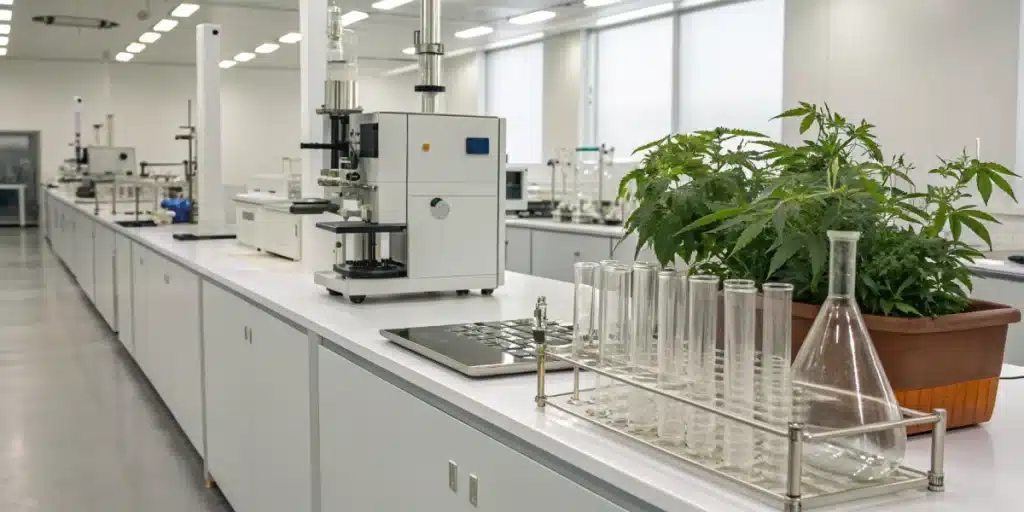
Cannabis extraction equipment is the range of machines and tools used to separate cannabinoids and terpenes from plant material into concentrates and oils. The main categories are defined by method: CO2 extraction systems (clean, tunable, capital-intensive), ethanol extraction equipment (efficient at scale), hydrocarbon (butane/propane) systems for products like shatter and wax, and solventless gear such as rosin presses and ice-water hash setups. Choosing depends on scale, target product, budget and, crucially, safety and compliance.
An important caution: hydrocarbon and other solvent extraction is a serious fire and explosion hazard and is for licensed, properly equipped professional facilities, not DIY. Below: the equipment types, how to choose, and safety considerations.
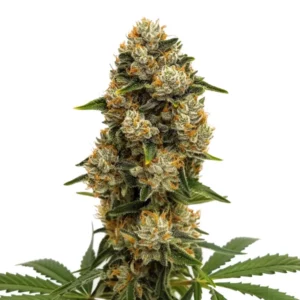
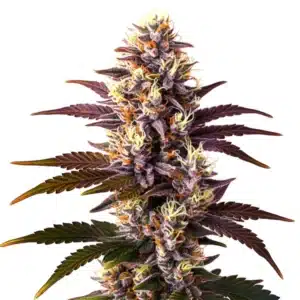
Recommended Strains
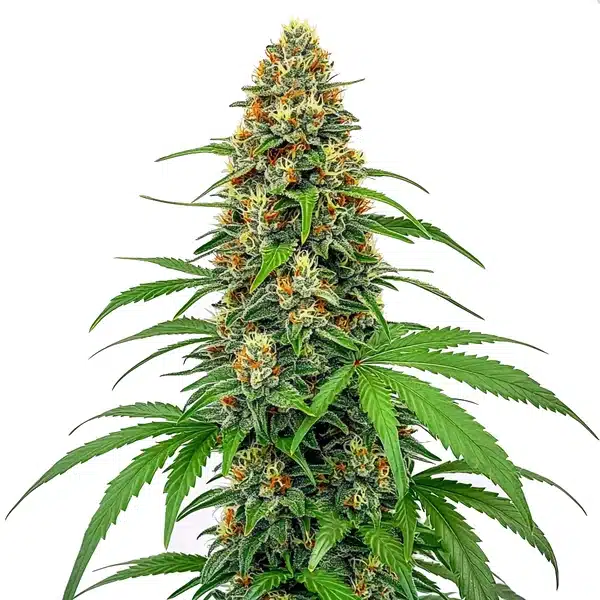
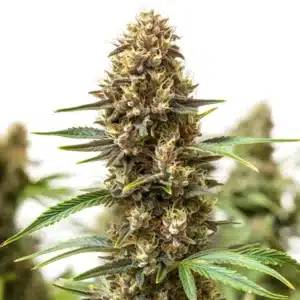
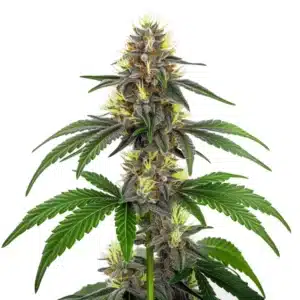
CBD Sour Tangie (1:25)

|
CBD | 6% – 8% (Low) |

|
Type | CBD Feminized |

|
Yield | Medium |

|
Phenotype | 10% Indica / 90% Sativa |

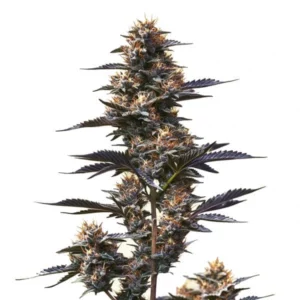
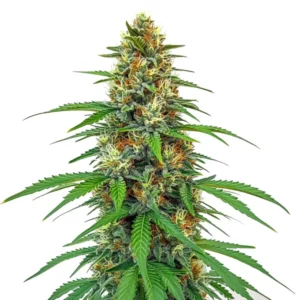
CBD Tangie (1:15)
|
|
CBD | 12% – 14% (Medium) |
|
|
Type | CBD Feminized |
|
|
Yield | Medium |
|
|
Phenotype | 50% Indica / 50% Sativa |
Types of Extraction Equipment
The main methods and their equipment:
| Method | Equipment | Notes |
|---|---|---|
| CO2 | Supercritical CO2 systems | Clean, tunable; high cost; no flammable solvent |
| Ethanol | Ethanol extractors, chillers, recovery | Efficient at scale; flammable, needs controls |
| Hydrocarbon (BHO) | Closed-loop butane/propane systems | Potent products; high hazard; licensed only |
| Solventless | Rosin press, ice-water (bubble) hash kit | No solvents; safest, popular smaller-scale |
Promos & Deals
What Extraction Equipment Does
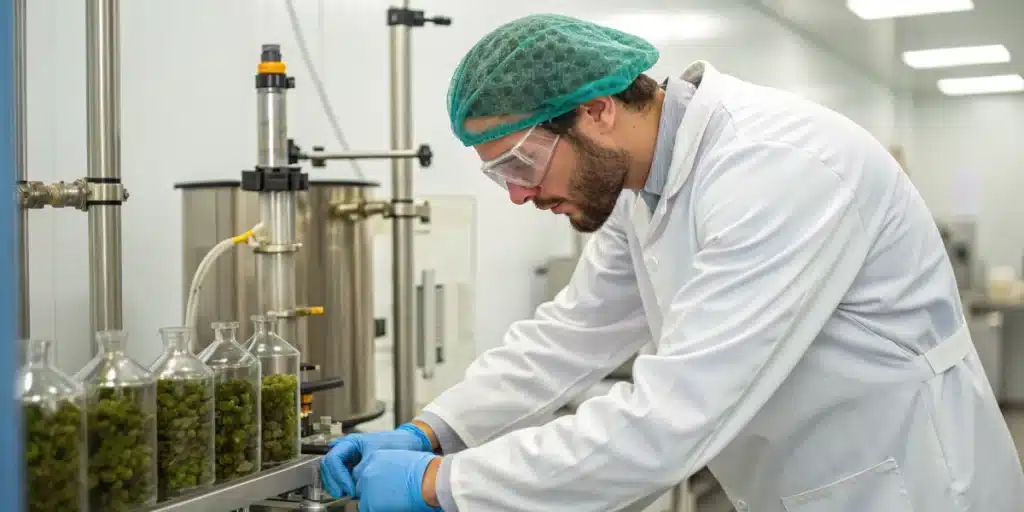
Whatever the method, extraction equipment has one core job: to efficiently and consistently separate the valuable compounds, cannabinoids like THC and CBD, plus terpenes, from the raw plant and leave the unwanted material behind, producing a concentrate. The right equipment influences yield (how much you recover), purity (how clean the result is), consistency (batch-to-batch reliability) and safety. Alongside the main extraction machine, a full setup usually includes supporting gear: material prep (grinding, sometimes freezing), post-processing equipment (purging, winterisation, distillation to refine the extract), and solvent recovery systems where solvents are used.
Industrial operations add automation and scale. The method you choose dictates the equipment, which in turn shapes the type of concentrate you can make, from full-spectrum oils to high-purity distillate or solventless rosin. Matching equipment to your goal is the foundation of good extraction.
Solvent vs Solventless Equipment
The biggest divide is whether a solvent is used. Solvent-based systems, CO2, ethanol and hydrocarbon, dissolve the resin in a solvent and then remove it. CO2 systems are prized for clean, residue-free, tunable extraction with no flammable solvent, but are expensive and complex. Ethanol equipment is efficient and scalable, widely used commercially, though ethanol is flammable and demands proper handling.
Hydrocarbon (butane/propane) closed-loop systems make potent products like shatter and live resin, but carry the highest hazard. Solventless equipment, rosin presses (heat and pressure) and ice-water hash setups, uses no chemicals at all, making it the safest route and increasingly popular, especially at smaller scale, with rosin presses available even to home users. For most non-industrial users, solventless gear is the sensible, safe choice, while solvent systems belong in professional, compliant facilities.
A Serious Safety and Compliance Note
This deserves emphasis. Solvent extraction, especially hydrocarbon (butane/propane), is genuinely dangerous: flammable solvents plus any ignition source can cause fires and explosions, and amateur ‘open blasting’ has caused many serious injuries. It is also illegal to do without proper licensing in most places. Professional solvent extraction is done in purpose-built facilities with closed-loop systems, explosion-proof rooms, ventilation, gas detection and trained operators for good reason. Do not attempt hydrocarbon or other solvent extraction at home.
If you want to make concentrates yourself, stick to solventless equipment, a rosin press or ice-water hash kit, which needs no flammable chemicals and is safe for home use. Ethanol and CO2 also require serious controls at scale. In short: match ambition to capability, hobbyists use solventless; solvent extraction is a professional, licensed, compliant activity, not a DIY project.
How to Choose (and Maintain) Equipment
Choosing extraction equipment comes down to a few factors: your scale (home/craft vs commercial/industrial), the product you want (full-spectrum oil, distillate, shatter, rosin), your budget, and the safety and regulatory requirements you must meet. Solventless presses and hash gear suit small scale and safety-first users; CO2 and ethanol systems suit compliant commercial operations; hydrocarbon suits licensed producers chasing specific products.
Build quality, throughput, ease of cleaning and after-sales support matter for any purchase. Maintenance is essential too, especially for solvent systems: follow the manufacturer’s procedures, keep equipment clean (resin build-up affects quality and safety), inspect seals and components, and never bypass safety features. For related reading on specific methods, see our guides to CO2 extraction and ethanol extraction.
The Bottom Line on Cannabis Extraction Equipment
Cannabis extraction equipment ranges from simple solventless tools to complex industrial systems, grouped by method: CO2, ethanol, hydrocarbon and solventless (rosin, ice-water hash). The right choice depends on your scale, target product, budget and, above all, safety and compliance.
For home and craft users, solventless gear like a rosin press is the safe, accessible route. Solvent extraction, especially hydrocarbon, is powerful but hazardous and belongs strictly in licensed, properly equipped professional facilities, never DIY. Match your equipment to your goal and capabilities, prioritise safety and maintenance, and you can produce quality concentrates at the appropriate scale. For the concentrates themselves, see our guide to cannabis extracts.
FAQs about cannabis extraction equipment
What are the types of extraction equipment?
Four main categories by method: CO2 systems (clean, tunable, costly), ethanol extractors (efficient at scale), hydrocarbon/butane closed-loop systems (potent products, high hazard), and solventless gear like rosin presses and ice-water hash kits (no chemicals, safest). The right type depends on your scale, target product, budget and safety or licensing requirements.
Can I do solvent extraction at home?
No. Hydrocarbon (butane/propane) and other solvent extraction is a serious fire and explosion hazard and is illegal without proper licensing in most places, it belongs in professional, purpose-built facilities. For home use, stick to solventless equipment like a rosin press or ice-water hash kit, which uses no flammable chemicals and is safe.
What’s the safest extraction method?
Solventless equipment, rosin presses (heat and pressure) and ice-water (bubble) hash kits, is the safest because it uses no flammable solvents at all. It’s increasingly popular and accessible even to home users. Solvent methods (CO2, ethanol, hydrocarbon) require serious controls and, for hydrocarbon especially, licensed professional facilities.
How do I pick the right extraction equipment?
Match it to your scale (home vs commercial), the product you want (oil, distillate, shatter, rosin), your budget, and your safety and regulatory requirements. Hobbyists should choose solventless gear; compliant commercial operations use CO2 or ethanol; hydrocarbon is for licensed producers. Also weigh build quality, throughput, cleaning and support. Safety and compliance come first.