Proven Effect of Solvent and Matrix on CBD Photodegradation Unveiled!

CBD, or cannabidiol, is a popular compound found in cannabis that brings numerous benefits. Yet, its stability under light is a concern for users and producers. The effect of solvent and matrix on CBD photodegradation is crucial for ensuring product quality. Whether you’re using oil, ethanol, or e-liquid, each solvent influences how CBD degrades when exposed to light.
Photodegradation refers to the breakdown of compounds when exposed to light. For CBD, maintaining its integrity is essential for efficacy. The type of solvent used can significantly impact this process. For instance, oil-based CBD products might behave differently from those in ethanol or e-liquid. Knowing these differences helps in choosing the right product for your needs. These results slot directly into ICH photostability testing adapted to cannabis, and they reinforce why drying in darkness helps prevent cannabinoid loss.
Recommended Strains

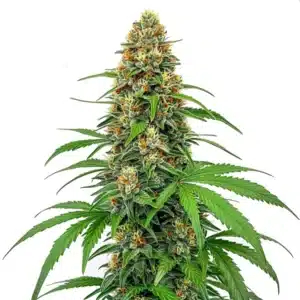
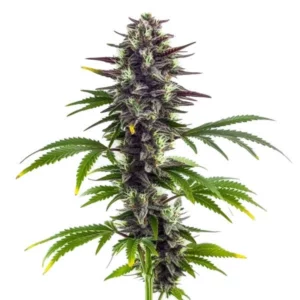
CBD Girl Scout Cookies (1:1)

|
CBD | 15% (Medium) |

|
Type | CBD Feminized |

|
Yield | High |

|
Phenotype | 80% Indica / 20% Sativa |

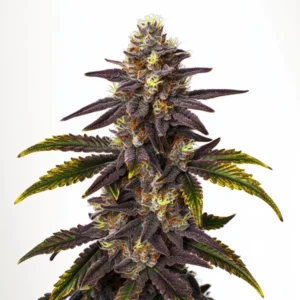
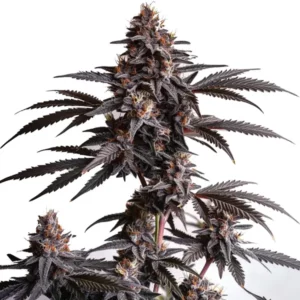
CBD Sugar 1:25
|
|
CBD | 16% – 20% (Medium) |
|
|
Type | CBD Feminized |
|
|
Yield | High |
|
|
Phenotype | 70% Indica / 30% Sativa |
Whether you’re a first-time buyer or an experienced grower, knowing how the matrix affects CBD degradation under light is valuable. Blimburn Seeds offers strains like CBD Girl Scout Cookies, which can be impacted by the solvent choice. Choosing the right solvent ensures you get the best out of your CBD products.
Effect of Oil Versus Ethanol on CBD Stability
When examining the effect of oil versus ethanol on CBD stability, it’s essential to consider how each solvent interacts with CBD under light exposure. Oil-based solutions tend to provide a protective environment for CBD. The viscous nature of oil can slow down the photodegradation process, preserving the compound’s integrity.
In contrast, ethanol, a common solvent in CBD tinctures, may not offer the same level of protection. Its lower viscosity means that CBD molecules are more exposed to light, potentially accelerating degradation. However, ethanol can be a preferred choice for those seeking rapid absorption and quick effects, despite the faster degradation rate.
Knowing the effect of solvent and matrix on CBD photodegradation (oil vs ethanol vs e-liquid) is vital for consumers who prioritize product longevity. While oil-based CBD products provide a buffer against light exposure, ethanol solutions can be advantageous for immediate relief needs. Each solvent’s unique interaction with CBD offers different benefits, demanding a thoughtful choice.
Moreover, the effect of oil versus ethanol on CBD stability extends beyond degradation rates. The sensory experience can also vary, with oil offering a smoother texture compared to the sharper taste of ethanol. For those exploring different strains from Blimburn Seeds, the solvent choice can influence not only the stability but also the overall enjoyment of the product.
Promos & Deals
Matrix Influence on CBD Degradation Under Light
The matrix, or the environment surrounding the CBD, plays a significant role in its degradation under light. For instance, the presence of other compounds in a full-spectrum product can impact how CBD reacts to light. A rich matrix might offer some level of protection, similar to how a dense forest shields undergrowth from direct sunlight.
Matrix influence on CBD degradation is evident when comparing isolates to full-spectrum products. Isolates, which contain pure CBD, are more susceptible to light-induced degradation. On the other hand, full-spectrum products, like those from Blimburn Seeds CBD Sugar 1:25 strain, contain terpenes and cannabinoids that can enhance CBD’s stability.
CBD photodegradation in different solvents can be further understood by examining the matrix’s role in product formulation. The presence of terpenes and other cannabinoids can create a buffer, reducing the impact of light on CBD molecules. This knowledge empowers users to choose products that align with their storage conditions and usage patterns.
Furthermore, the matrix influence on CBD degradation under light can direct consumers toward products that offer the entourage effect. This synergy not only boosts CBD’s stability but also enhances therapeutic benefits. For those seeking comprehensive wellness solutions, exploring full-spectrum options from Blimburn Seeds may provide added value.
Photostability of CBD in E-liquid
CBD’s photostability in e-liquid is a matter of growing interest, especially for vapers. E-liquids are designed for vaporization, but their composition can affect how CBD degrades under light. The solvents used in e-liquids, typically a mix of propylene glycol and vegetable glycerin, interact with CBD differently than oil or ethanol.
E-liquid formulations may offer moderate protection against photodegradation. The combination of solvents can create a matrix that partially shields CBD, though not as effectively as oil. Vapers should store their e-liquids away from light to maintain potency. Strains like CBD Zenergy from Blimburn Seeds can be enjoyed in e-liquid form with proper storage.
Knowing the photostability of CBD in e-liquid is key for maintaining the desired effects and flavor profile. The solvent impact on CBD photodegradation rates in e-liquids can vary based on the specific blend and additives used. Consumers should consider these factors when selecting e-liquid products to ensure they meet their expectations.
Additionally, the effect of solvent and matrix on CBD photodegradation (oil vs ethanol vs e-liquid) highlights the importance of proper storage practices for e-liquids. By minimizing light exposure and maintaining optimal conditions, users can enhance the longevity and performance of their vaping products, ensuring a satisfying experience every time.
Solvent Impact on CBD Photodegradation Rates
The solvent impact on CBD photodegradation rates cannot be overstated. Each solvent interacts uniquely with CBD, affecting how quickly the compound breaks down when exposed to light. Oil, ethanol, and e-liquid each offer different levels of protection and degradation rates.
Oil, with its thicker consistency, tends to slow CBD’s degradation, making it a preferred choice for those seeking long-term stability. Ethanol, while offering quick absorption, may lead to faster degradation, a trade-off for its rapid onset of effects. E-liquids provide a middle ground, with moderate protection against light.
For consumers interested in maximizing the efficacy of their CBD products, knowing the solvent impact on CBD photodegradation rates is essential. The choice between oil, ethanol, and e-liquid solutions should align with individual preferences and usage habits, ensuring optimal outcomes and satisfaction.
By recognizing the nuances of CBD photodegradation in different solvents, consumers can make informed decisions that enhance their experience. Whether opting for the protective properties of oil or the convenience of ethanol, each solvent offers unique advantages. Products from Blimburn Seeds can be tailored to meet various needs, providing flexibility and choice.

FAQs about effect of solvent and matrix on CBD photodegradation
How does light exposure affect CBD in oil-based products?
Light exposure can lead to the breakdown of CBD molecules in oil-based products. However, the oil’s viscous nature offers some protection. This means that while degradation still occurs, it’s often at a slower rate than in other solvents. Proper storage in a cool, dark place can further enhance the product’s shelf life.
For those using oil-based CBD products, it’s crucial to consider the type of oil used. Some oils might provide better protection, ensuring that the CBD retains its potency over time. Products like those made with the CBD Girl Scout Cookies strain from Blimburn Seeds can benefit from thoughtful storage practices.
Knowing the effect of oil versus ethanol on CBD stability can guide consumers in choosing products that align with their lifestyle. Oil-based products, when stored correctly, can maintain their efficacy over extended periods, offering a reliable option for long-term use.
Furthermore, the effect of solvent and matrix on CBD photodegradation (oil vs ethanol vs e-liquid) underscores the importance of selecting high-quality oils. By opting for products that offer superior protection against light, users can enjoy consistent potency and effectiveness, maximizing their investment.
Why is ethanol used in CBD tinctures if it promotes faster degradation?
Ethanol is popular in CBD tinctures due to its ability to quickly dissolve CBD and facilitate rapid absorption. Despite promoting faster degradation under light, its benefits include a faster onset of effects, which many users find appealing. Ethanol-based tinctures are ideal for those who prioritize quick relief over long-term storage.
For users comfortable with more frequent purchases, ethanol-based products offer a unique combination of effectiveness and convenience. Knowing the trade-offs allows consumers to make informed choices that align with their needs and preferences.
The solvent impact on CBD photodegradation rates is a crucial consideration for those who prioritize immediate effects. Ethanol’s rapid absorption makes it a valuable choice for acute relief, despite its faster degradation in light-exposed environments.
As the market for CBD products continues to evolve, the function of ethanol in tinctures remains significant. Its ability to deliver quick results ensures that it remains a staple solvent for those seeking efficient solutions. Blimburn Seeds offers versatile options that cater to this demand, balancing convenience with performance.
What factors influence the photostability of CBD in e-liquids?
The photostability of CBD in e-liquids is influenced by the solvents used and the product’s composition. The mix of propylene glycol and vegetable glycerin can provide moderate protection against light, though not as much as oil. The presence of other compounds, like flavorings or additional cannabinoids, can also impact stability.
To maximize photostability, users should store e-liquids in dark, cool environments. This practice helps maintain potency and flavor, ensuring a satisfying vaping experience. Products using strains like BD Sugar from Blimburn Seeds benefit from such storage considerations.
The effect of solvent and matrix on CBD photodegradation (oil vs ethanol vs e-liquid) is particularly relevant for vapers who seek to preserve the quality of their e-liquids. By knowing the influence of various components, users can select formulations that align with their desired outcomes.
Furthermore, the solvent impact on CBD photodegradation rates emphasizes the importance of choosing high-quality e-liquids. Ensuring that the blend is well-balanced and stored properly can significantly enhance the longevity and enjoyment of the vaping experience, providing users with confidence in their selections.
Can full-spectrum products offer better protection against CBD photodegradation?
Full-spectrum products can offer enhanced protection against CBD photodegradation due to the presence of additional cannabinoids and terpenes. These compounds can create a more complex matrix that shields CBD from light, compared to isolates which contain pure CBD.
For those interested in maximizing stability, opting for full-spectrum products like those derived from CBD Zenergy can be advantageous. This approach not only preserves CBD but also offers the benefits of the entourage effect, where the combined compounds enhance overall efficacy.
The matrix influence on CBD degradation under light is a key factor in the appeal of full-spectrum products. By leveraging the synergy of multiple cannabinoids, these products can offer superior protection and deliver a comprehensive wellness experience.
Consumers seeking to optimize their CBD usage can benefit from the enhanced photostability of full-spectrum formulations. Blimburn Seeds provides a range of options that harness the power of the entourage effect, ensuring that users receive the full spectrum of benefits while maintaining product integrity.
Are there any practical tips for storing CBD products to minimize photodegradation?
To minimize photodegradation, store CBD products in a cool, dark place. Avoid exposing them to direct sunlight or extreme temperatures. This practice is essential for all types of CBD products, whether oil, ethanol, or e-liquid based. Using opaque containers can also provide an additional layer of protection.
For those using strains like CBD Sour Tangie from Blimburn Seeds, proper storage ensures that you enjoy the full benefits of your products. By taking these simple steps, you can maintain potency and extend the shelf life of your CBD investments.
The effect of solvent and matrix on CBD photodegradation (oil vs ethanol vs e-liquid) can be mitigated through strategic storage practices. By knowing the vulnerabilities of each solvent type, users can implement effective measures to safeguard their products.
Besides to avoiding light exposure, maintaining a consistent storage environment can further enhance product longevity. Whether you’re using oil-based tinctures or e-liquids, these practical tips ensure that your CBD products maintain their intended potency and effectiveness, providing peace of mind and satisfaction.