Essential Sanitation Protocols for Cannabis Grow Rooms: Expert Guide

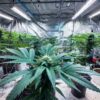
Sanitation protocols for cannabis grow rooms are crucial for maintaining a healthy environment for your plants. Whether you’re new to growing or a seasoned pro, keeping your grow room clean is essential. Mold and pests love dirty spaces, so keeping things tidy is your first line of defense. In cannabis cultivation, cleanliness helps ensure that your plants remain healthy and productive.
Effective sanitation methods for cannabis cultivation often start with a well-organized space. Think about the layout of your grow room and how you can move around easily without tripping over tools or equipment. This organization helps you clean more efficiently. When everything has its place, it’s easier to spot potential problems like mold or pests before they become serious issues.
Recommended Strains

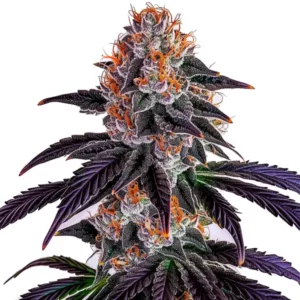
Blackberry Moonrocks

|
THC | 26% - 33% (High) |

|
Type | Feminized |

|
Yield | High |

|
Phenotype | 80% Indica / 20% Sativa |

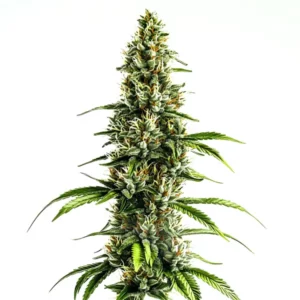
Bruce Banner 2.0
|
|
THC | 25% - 30% (High) |
|
|
Type | Feminized |
|
|
Yield | High |
|
|
Phenotype | 35% Indica / 65% Sativa |
Best cleaning practices for cannabis grow rooms include regular cleaning schedules. This means more than just sweeping the floor. You’re cleaning every surface, including walls, lights, and even your pots. Frequent cleaning can prevent the buildup of dust and debris that pests and mold thrive on. A simple routine can make a big difference in maintaining hygiene in indoor cannabis farms.
Key Areas to Focus On
When it comes to sanitation protocols for cannabis grow rooms, certain areas require more attention. Air circulation systems must be cleaned to prevent mold spores from spreading through the grow environment. Filters should be checked and replaced as needed. This ensures the air your plants breathe is as clean as possible.
Another critical area is the surfaces that come into contact with plants. Tables, shelves, and any equipment used for handling plants need to be disinfected regularly. Use appropriate disinfectant solutions for cannabis production areas to eliminate harmful bacteria and fungi. This is an essential step in maintaining a disease-free environment.
An often-overlooked area is the grow room’s entrance. This transition area can be a significant source of contaminants. Implementing a foot wash station and placing mats designed to capture dust and dirt can greatly reduce the risk of bringing unwanted elements into the grow space. These simple additions can enhance the effectiveness of your sanitation protocols for cannabis grow rooms significantly.
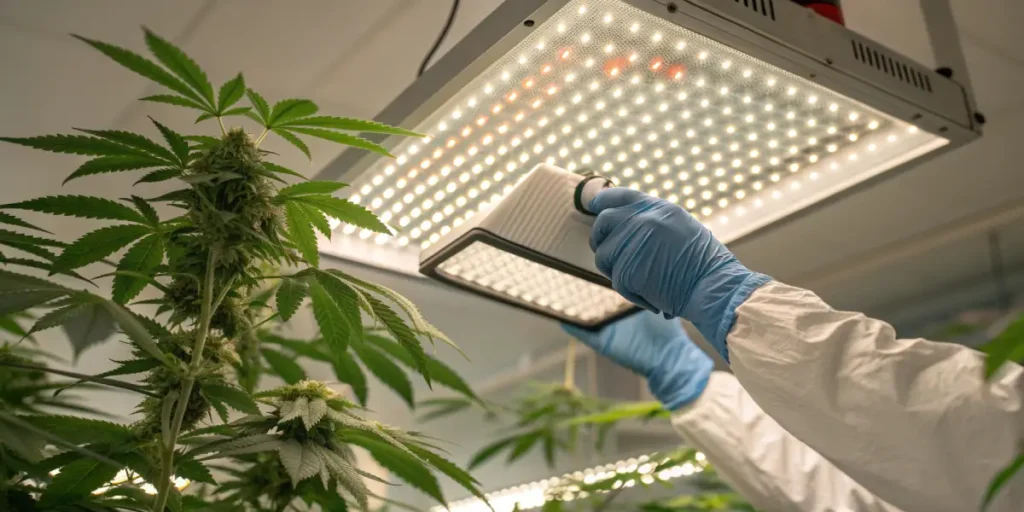
Lighting systems, often hung above the plants, can also accumulate dust and microorganisms. Regularly wiping down light fixtures ensures that they operate efficiently while minimizing microbial growth. This not only supports plant health but also maximizes the energy efficiency of your grow room, contributing to overall successful cultivation.
Preventing Mold in Cannabis Grow Environments
Mold prevention is a top priority in any grow room. Mold can devastate your cannabis crop and spread quickly if not controlled. To prevent mold, control the humidity levels in your grow room. Invest in a good hygrometer to monitor moisture levels. Aim for a humidity level below 50% to keep mold at bay.
Regular inspections are also a part of effective sanitation methods for cannabis cultivation. Check your plants and surfaces frequently for any signs of mold. Catching it early can save your entire crop. Use mold-resistant strains from Blimburn Seeds like “Blackberry Moonrocks” to further reduce the risk.
It’s also important to consider the microclimates within your grow room. Areas with poor air circulation, such as corners or spaces between closely packed plants, are prone to higher humidity levels, creating a perfect breeding ground for mold. By rearranging plants and enhancing airflow with oscillating fans, you can minimize these risk zones.
Incorporating silica supplements into your nutrient regimen can also help strengthen plant cell walls, making them more resistant to mold and other pathogens. This approach, combined with sanitation protocols for cannabis grow rooms, forms a comprehensive defense strategy against mold threats.
Best Cleaning Practices for Cannabis Grow Rooms
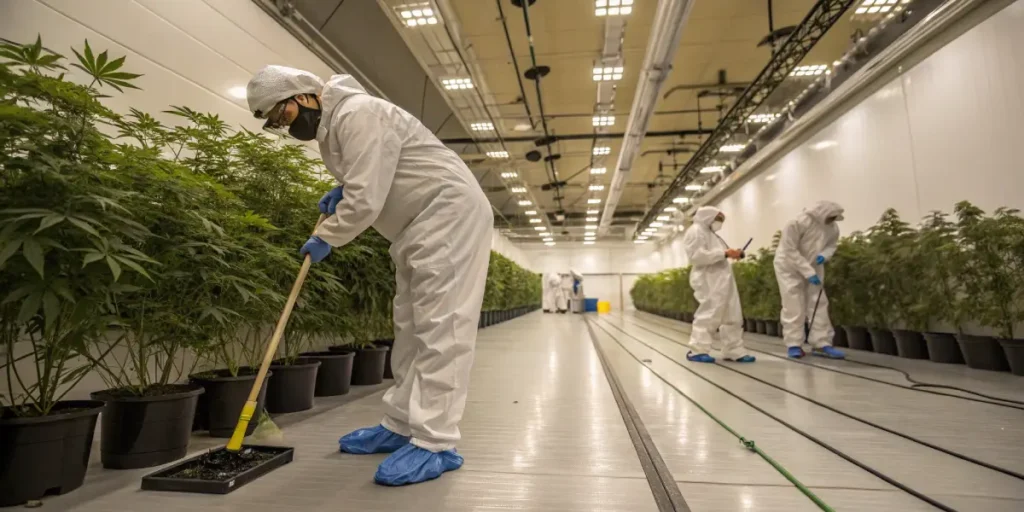
Developing a regular cleaning schedule is one of the best cleaning practices for cannabis grow rooms. This schedule should include daily, weekly, and monthly tasks. Daily tasks may involve sweeping the floors and wiping down surfaces. Weekly tasks might include deeper cleaning of equipment and ventilation systems.
Monthly, consider a more thorough cleaning. This might involve moving plants out temporarily to clean all surfaces and equipment thoroughly. During this time, inspect everything for wear and tear. Replace any broken or malfunctioning parts to keep your grow room running smoothly.
Another best practice is to use color-coded cleaning tools to prevent cross-contamination between different areas of the grow room. For example, use one color for cleaning floors and another for cleaning tables and surfaces. This method helps maintain hygiene in indoor cannabis farms by ensuring that contaminants aren’t spread inadvertently.
Besides, adopting a logbook system to track cleaning activities can be beneficial. This record-keeping allows you to monitor the effectiveness of your cleaning schedule and make adjustments as needed. It also serves as a valuable tool for diagnosing and resolving potential issues swiftly.
Promos & Deals


Tools and Products for Effective Sanitation
Having the right tools is crucial for maintaining hygiene in indoor cannabis farms. Start with basic cleaning supplies like brooms, mops, and cloths. These are your frontline weapons against dirt and debris. Invest in quality products for durability and effectiveness.
For disinfectant solutions for cannabis production areas, look for products specifically designed for use in agricultural settings. They should be safe for plants but tough on germs. A typical solution might contain hydrogen peroxide or isopropyl alcohol, known for their effectiveness in killing bacteria and fungi.
Consider upgrading to specialized tools like HEPA-filtered vacuums, which are excellent for capturing fine particles and spores that regular vacuums might miss. These vacuums can significantly enhance your ability to maintain a clean environment, which is critical for effective sanitation methods for cannabis cultivation.
Additionally, UV sterilizers can be an innovative addition to your sanitation arsenal. These devices use ultraviolet light to neutralize pathogens on surfaces and in the air, providing an extra layer of protection and reducing the reliance on chemical disinfectants.
Real-Life Examples of Sanitation Success
Consider the case of a grower who implemented strict sanitation protocols in their cannabis grow room and saw a significant decrease in pest infestations. By regularly cleaning their equipment and using natural deterrents like diatomaceous earth, they maintained a healthy, pest-free environment.
Another example involves a cultivator who struggled with mold issues until they adjusted their cleaning routine. By incorporating weekly deep cleanings and using mold-resistant strains such as Bruce Banner 2.0 from Blimburn Seeds, they managed to eliminate mold problems and improve overall plant health.
In another instance, a grower successfully reduced disease outbreaks by transitioning to eco-friendly cleaning products. This change not only maintained the health of their plants but also aligned with sustainable practices, highlighting how environmentally conscious choices can complement sanitation protocols for cannabis grow rooms.
A large-scale operation found success by investing in training programs for their staff on the best cleaning practices for cannabis grow rooms. This initiative ensured that every team member understood the importance of cleanliness and how to effectively contribute to maintaining a disease-free environment.
FAQs about sanitation protocols for cannabis grow rooms
What are the essential sanitation protocols for cannabis grow rooms?
The essential protocols include regular cleaning schedules, maintaining low humidity levels, and using appropriate disinfectant solutions. Focus on areas most likely to harbor mold or pests, like air filters and plant surfaces. Consistency in these practices will help keep your grow room clean and your plants healthy.
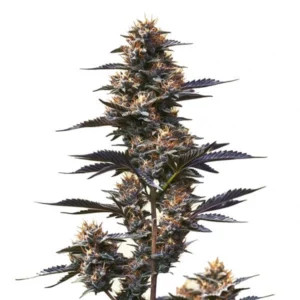
Don’t overlook personal cleanliness. Washing hands and using dedicated clothing for your grow room are simple yet effective ways to prevent introducing outside contaminants. These practices, combined with the use of mold-resistant strains like Chocolopez from Blimburn Seeds, can safeguard your growing environment.
Integrating technology into your sanitation efforts can also be beneficial. Automated systems for monitoring humidity and air quality can provide real-time alerts, enabling you to take prompt action to maintain optimal conditions. This proactive approach can prevent issues before they escalate, supporting effective sanitation methods for cannabis cultivation.
Moreover, networking with other growers can offer valuable insights and tips. Sharing experiences and strategies can lead to discovering new products and techniques that enhance your existing sanitation protocols for cannabis grow rooms.
How can I prevent mold in my cannabis grow room?
Controlling humidity is key to preventing mold. Keep levels below 50% and monitor them regularly with a hygrometer. Use mold-resistant cannabis strains and natural mold inhibitors to provide additional protection. Regular inspections for mold signs are also crucial.
Ensure good air circulation to reduce moisture. Clean air filters regularly and replace them as needed. This helps prevent mold spores from spreading throughout your grow room, keeping your plants safe from this common threat.
Avoid over-watering your plants, as excess moisture can contribute to mold growth. Instead, tailor your watering schedule to the specific needs of your plants, taking into account factors like plant size, growth stage, and environmental conditions.
Utilizing biological controls, such as beneficial microorganisms, can also help in preventing mold in cannabis grow environments. These organisms naturally combat mold and other pathogens, offering a sustainable solution that works harmoniously with your plants.
What are the best cleaning practices for cannabis grow rooms?
Develop a cleaning schedule that includes daily, weekly, and monthly tasks. Focus on areas that collect dust and debris, like floors and surfaces. Use quality cleaning tools and disinfectant solutions designed for agricultural settings to ensure thorough sanitation.
Personal hygiene is part of the best cleaning practices. Wash your hands before entering the grow room and consider wearing protective clothing. These small steps can significantly reduce the risk of introducing contaminants to your plants.
Regularly calibrate and clean your monitoring equipment, such as thermometers and hygrometers, to ensure accuracy. Precise readings are crucial for maintaining the ideal growing conditions and preventing issues related to temperature and humidity fluctuations.
Engage in periodic reviews of your cleaning protocols to identify potential areas for improvement. Gathering feedback from your team and staying updated on industry advancements can keep your practices aligned with the latest standards in maintaining hygiene in indoor cannabis farms.
Why are disinfectant solutions important in cannabis production areas?
Disinfectant solutions are crucial for eliminating harmful microbes that can damage your cannabis plants. They help maintain a disease-free environment by targeting bacteria and fungi that can thrive in grow rooms. Choose solutions safe for plants to ensure their health while cleaning your space.
Regular use of disinfectants as part of your cleaning routine can prevent outbreaks of disease and pests. This keeps your grow room healthy and productive, ultimately leading to better quality and yield from your cannabis plants.
Opt for disinfectants that have a fast-acting formula, allowing for quick application and minimal downtime. This consideration is especially important for high-traffic areas within your grow room where frequent cleaning is necessary.
Additionally, rotating between different disinfectant solutions can prevent the development of resistant strains of bacteria and fungi. This strategy ensures that your sanitation protocols for cannabis grow rooms remain effective over time, safeguarding your plants from potential threats.
How does implementing sanitation protocols benefit cannabis growers?
Implementing sanitation protocols benefits growers by reducing the risk of mold, pests, and disease, leading to healthier plants and higher yields. Clean grow rooms provide a better environment for cannabis plants to thrive, resulting in a more successful cultivation.
Moreover, maintaining a clean space can save time and money in the long run by preventing costly issues like infestations or crop loss. By adopting these protocols, growers ensure a stable, productive environment for their cannabis plants.
Incorporating these protocols also instills a sense of professionalism and reliability, which can enhance your reputation in the industry. Customers and partners are more likely to trust and support growers who demonstrate a commitment to quality and cleanliness.
Finally, a clean and organized grow room can boost morale and efficiency among staff. Employees working in a well-maintained environment are more likely to take pride in their work, resulting in increased productivity and attention to detail.