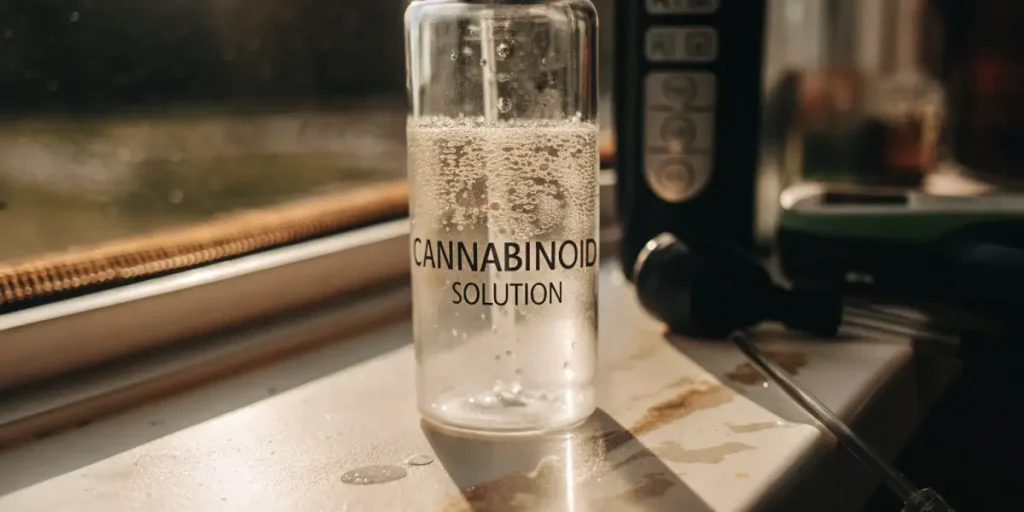
Proven Effects of Temperature on Light-Driven Cannabinoid Degradation

Cannabinoids, the active compounds found in cannabis, have a delicate relationship with environmental factors. Temperature and light play significant roles in their stability, and knowing the effect of temperature on light-driven cannabinoid degradation (interaction effects) is essential for preserving quality. When these two factors interact, they can accelerate cannabinoid degradation, directly impacting potency and overall product integrity. This interaction is crucial for both novice cannabis enthusiasts and experienced growers to understand, as it ultimately influences the quality and longevity of cannabis products.
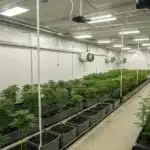
Temperature impact on cannabinoid degradation kinetics reveals that higher temperatures can accelerate the breakdown of cannabinoids when exposed to light. On the flip side, cooler temperatures may slow down this process. Growers often struggle with maintaining the right balance, especially when dealing with premium strains like those from Blimburn Seeds. This means that managing your grow room’s climate is not just about plant growth but also about preserving cannabinoid integrity.
Recommended Strains
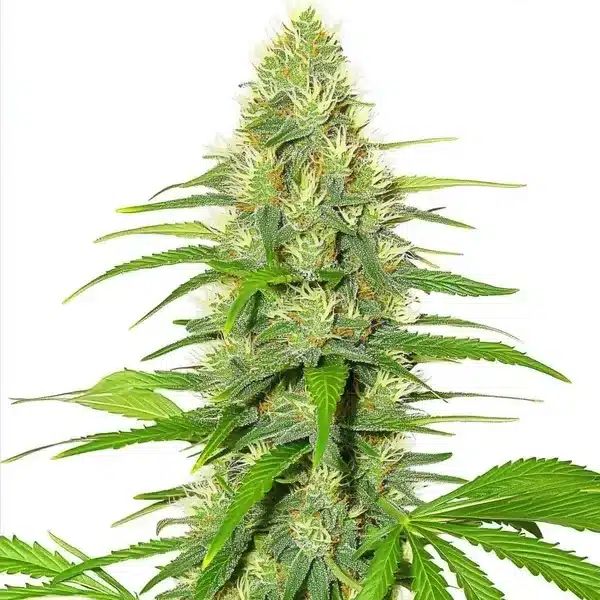
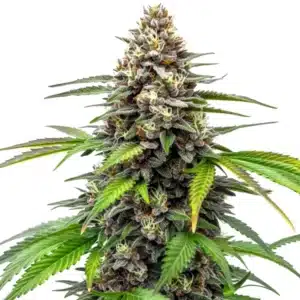
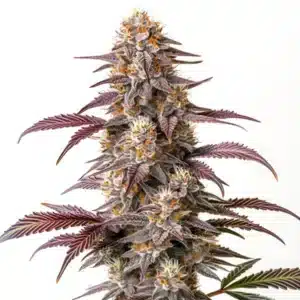
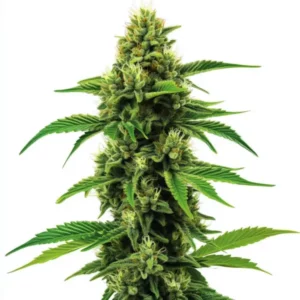
White Widow

|
THC | 18% - 25% (High) |

|
Type | Feminized |

|
Yield | High |

|
Phenotype | 45% Indica / 55% Sativa |

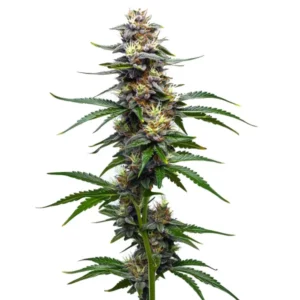
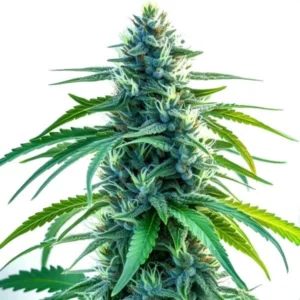
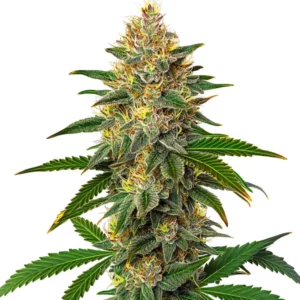
GG4
|
|
THC | 27% (High) |
|
|
Type | Feminized |
|
|
Yield | High |
|
|
Phenotype | 40% Indica / 60% Sativa |
The photodegradation of cannabinoids under varying temperatures is a dance that requires careful choreography. Light exposure can transform cannabinoids into different compounds, sometimes reducing their efficacy. For instance, THC might degrade into CBN, which offers different effects. By managing the interaction effects of heat and light on cannabinoid stability, growers can ensure their harvest retains its desired properties.
Temperature Influence on Cannabinoid Stability
Temperature-dependent light exposure effects on cannabinoids highlight the need for precision in cannabis cultivation. While ambient light can be beneficial, excessive exposure at high temperatures can lead to unwanted chemical reactions. For Blimburn Seeds strains like White Widow, keeping a close eye on temperature can help maintain its potency and medicinal benefits.
Knowing the influence of thermal conditions on light-induced cannabinoid breakdown is vital for optimizing harvest quality. This knowledge allows growers to tailor their cultivation practices to the specific needs of each strain. By doing so, they can enhance the stability of cannabinoids and maintain the therapeutic properties of cannabis.
The effect of temperature on light-driven cannabinoid degradation (interaction effects) also provides insights for researchers exploring new cultivation techniques. Advances in technology, such as automated climate control systems, enable precise adjustments to temperature and light conditions. These innovations can lead to more consistent and predictable outcomes, ensuring that growers achieve the desired cannabinoid profile in their products.
Real-Life Examples of Temperature and Light Interaction
Let’s say you’re growing Blue Dream, a popular strain from Blimburn Seeds. If your grow room gets too warm, you might notice a decrease in its psychoactive effects due to cannabinoid degradation. Blue Dream is known for its balanced high, but this balance can tilt unfavorably if the cannabinoids break down too quickly.
Outdoor growers have their own set of challenges. The natural environment is less controllable. However, choosing the right time of year to plant can minimize the effect of temperature on light-driven cannabinoid degradation. Opt for cooler months to reduce the impact of intense sunlight paired with high heat.
Temperature impact on cannabinoid degradation kinetics in outdoor settings can vary significantly based on geographical location. Knowing the effect of temperature on light-driven cannabinoid degradation (interaction effects) is essential, especially for growers in regions with extreme climates. By leveraging natural shade or building protective structures, cultivators can reduce temperature stress and minimize photodegradation under fluctuating environmental conditions, preserving cannabinoid quality and potency.
Even post-harvest, the conditions in which cannabis is stored can affect its cannabinoid profile. Storing your harvest in a cool, dark place can prevent degradation. This is especially important for strains like GG4, where maintaining its sticky, resin-filled texture is key to its appeal.
Practical Tips for Managing Temperature and Light
- Invest in a reliable thermometer and hygrometer to monitor your grow room conditions.
- Use shade cloths or adjustable blinds to control light exposure during peak sun hours.
- Consider LED lights that emit less heat compared to traditional grow lights.
- Plant during cooler seasons if you’re growing outdoors, to naturally reduce temperature impact.
When selecting strains, consider those that are more resilient to temperature swings. Blimburn Seeds offers robust options that can withstand various environmental conditions. For example, the Critical Daddy Purple strain is known for thriving in less-than-ideal conditions.
Regularly check on your plants and adjust your setup as needed. Sometimes, a simple fan can make all the difference in cooling down a hot grow room. Temperature impact on cannabinoid degradation kinetics should not be underestimated, as it plays a crucial role in the final product quality.
Beyond equipment, the interaction effects of heat and light on cannabinoid stability can be managed through strategic scheduling. Set your light cycles to mimic natural daylight patterns, adjusting for seasonal variations. This approach can reduce the stress on plants and minimize the degradation process.
Emphasizing the function of reflective surfaces in a grow room can also optimize light distribution. By maximizing the efficiency of available light, growers can achieve better results without increasing temperature levels. This tactic, combined with careful monitoring, supports the long-term stability of cannabinoids.
Promos & Deals
FAQs about effect of temperature on light-driven cannabinoid degradation (interaction effects)
How does temperature affect cannabinoid degradation?
Temperature plays a significant role in the stability of cannabinoids. High temperatures can accelerate the degradation process, especially when combined with light exposure. This means that the cannabinoids can break down into other compounds, which might not have the same effects as the original. For growers, this is a crucial aspect to manage in order to maintain the potency of their crops.
Conversely, cooler temperatures tend to slow down the degradation process. By keeping your grow room or storage area at a consistent, cool temperature, you can help preserve the integrity of the cannabinoids. This is essential for ensuring that the strain’s full spectrum of effects is maintained.
The effect of temperature on light-driven cannabinoid degradation (interaction effects) is a key consideration for both commercial and personal growers. By knowing the science behind these interactions, cultivators can make informed decisions that enhance the quality and longevity of their products.
Moreover, the temperature-dependent light exposure effects on cannabinoids provide valuable data for breeding programs. Identifying strains that naturally exhibit resistance to degradation can lead to the development of new, more stable varieties. This approach aligns with the industry’s goal of delivering high-quality cannabis to consumers.
What are the effects of light on cannabinoids at different temperatures?
Light exposure is necessary for plant growth, but it can also lead to cannabinoid degradation when coupled with high temperatures. Photodegradation occurs when cannabinoids are exposed to light, leading to a chemical change. The impact of this photodegradation is amplified when the surrounding temperature is high.
At lower temperatures, the effects of light are less pronounced, allowing cannabinoids to remain stable for longer periods. This is why many growers choose to simulate shorter daylight hours or use lower-intensity lighting during warmer seasons to protect their plants.
The interaction effects of heat and light on cannabinoid stability are complex, requiring careful management to optimize plant health. Using environmental controls, such as fans and air conditioning, can mitigate the influence of thermal conditions on light-induced cannabinoid breakdown.
Experimentation with different light spectrums and intensities can further refine the growing process. By selecting lighting solutions that minimize heat output while maximizing photosynthetic efficiency, growers can strike a balance that preserves cannabinoid integrity.
What practical steps can growers take to minimize cannabinoid degradation?
To minimize the effect of temperature on light-driven cannabinoid degradation, growers should focus on environmental control. This includes using air conditioning or ventilation systems to keep temperatures in check. Additionally, employing light filters or shades can help manage light intensity.
Using reflective materials can also help distribute light more evenly, reducing the need for high-intensity lighting. Growers should also consider the timing of their light cycles and adjust them according to the season to minimize the degradation risk.
Incorporating technology into the growing process can significantly reduce the risk of degradation. Automated systems that monitor and adjust environmental conditions in real-time provide a level of precision that manual methods cannot match. By integrating these tools, growers can maintain optimal conditions consistently.
Furthermore, the choice of substrates and fertilizers can impact the plant’s resilience to environmental stresses. Selecting products that support robust growth and stress tolerance can enhance the plant’s ability to withstand fluctuations in temperature and light exposure.
Can cannabinoid degradation be completely prevented?
While it is challenging to completely prevent cannabinoid degradation, steps can be taken to minimize it significantly. The right combination of temperature and light management can slow down the process. However, some level of degradation is natural and expected over time.
By focusing on optimal growing and storage conditions, growers can extend the shelf life and potency of their cannabis. This includes maintaining a consistent temperature, reducing unnecessary light exposure, and ensuring proper ventilation.
The photodegradation of cannabinoids under varying temperatures can be managed through a holistic approach to cultivation. By knowing the interaction effects of environmental factors, growers can implement strategies that prolong the useful life of their crops.
Ultimately, education and ongoing research are vital to advancing the field of cannabis cultivation. As new findings emerge, growers can refine their practices to further reduce the impact of degradation and deliver superior products to the market.
Are some strains more resistant to degradation than others?
Yes, some cannabis strains are more resilient to environmental stresses than others. Strains that have been bred for specific climates tend to have a natural resistance to degradation. Blimburn Seeds offers several such resilient strains, including those that can withstand temperature fluctuations.
Choosing the right strain for your growing environment is a critical decision. Strains like Gorilla Glue #4 and White Widow are known for their robustness and can offer a more forgiving experience for growers dealing with challenging conditions.
The temperature impact on cannabinoid degradation kinetics varies across strains, influencing their suitability for different climates. By selecting strains with proven resilience, growers can reduce the risk of degradation and achieve a more consistent product quality.
Collaboration with seed breeders can also yield new varieties that prioritize stability. By focusing on genetic traits that confer resistance to environmental stresses, breeders can contribute to the development of cannabis strains optimized for both potency and shelf life.