Can Activated Carbon Filters Remove Heavy Metals? Expert Insights

When it comes to growing cannabis, the quality of irrigation water is paramount. Heavy metals like lead, cadmium, and mercury can be detrimental to your plants. But can activated carbon filters remove heavy metals from irrigation water effectively? Let’s dive into the details.
Activated carbon filters are known for their ability to adsorb impurities. These filters work by trapping contaminants in their porous structure. This method is effective for many pollutants, but how do they fare against heavy metals?
Recommended Strains

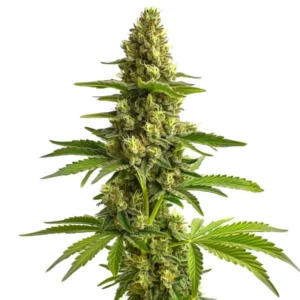
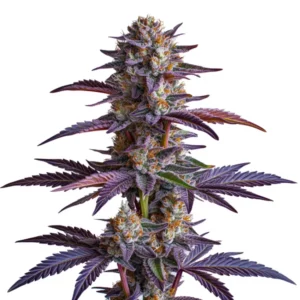
GG4

|
THC | 27% (High) |

|
Type | Feminized |

|
Yield | High |

|
Phenotype | 40% Indica / 60% Sativa |
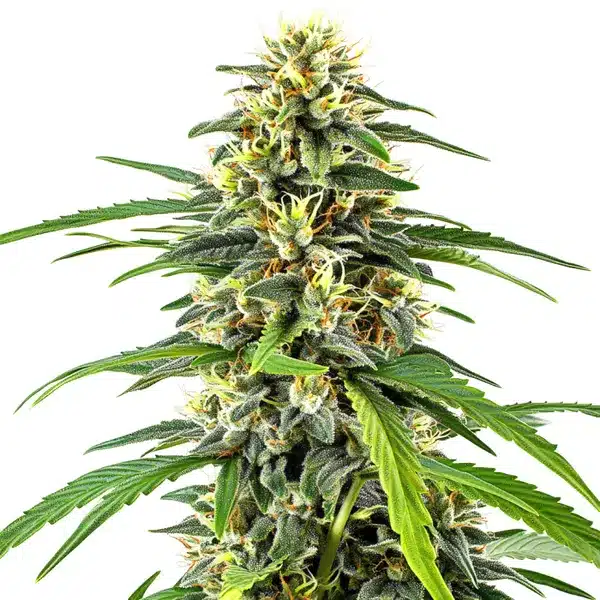
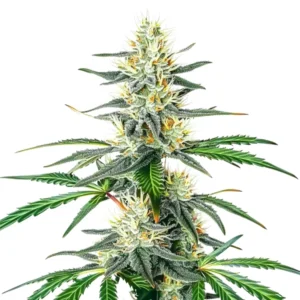
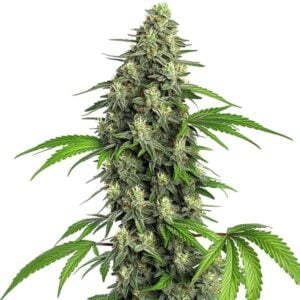
Amnesia Haze
|
|
THC | 18% - 22% (Medium) |
|
|
Type | Feminized |
|
|
Yield | High |
|
|
Phenotype | 30% Indica / 70% Sativa |
For growers, especially those cultivating cannabis strains like GG4 from Blimburn Seeds, ensuring that irrigation water is free from harmful contaminants is crucial. This variety requires pristine conditions to flourish, making the filtration of heavy metals even more essential.
How Do Activated Carbon Filters Work?
Activated carbon filters are like sponges with tiny pores. These pores are what make them effective at trapping impurities. When water flows through, contaminants stick to the surface of the carbon.
However, the size and type of contaminants matter. While these filters excel at removing organic compounds and chlorine, heavy metals present a different challenge. Heavy metals are not easily trapped in the carbon’s surface.
This challenge arises because heavy metals often occur as dissolved ions in water, which do not bind as readily to carbon as organic molecules do. Therefore, the question remains: can activated carbon filters remove heavy metals from irrigation water sufficiently on their own? The answer often leads to a combination of filtration technologies.
It’s essential to understand that while activated carbon filters are a crucial first step, their effectiveness in heavy metal removal from irrigation water can be limited. To ensure that all contaminants are addressed, incorporating complementary filtration methods is often necessary, especially for sensitive crops.
The Science Behind Activated Carbon Filtration
Activated carbon is treated to increase its adsorptive properties. This means it can hold more impurities on its surface. The process involves heating carbon-rich materials such as wood or coconut shells at high temperatures.
The outcome is a highly porous material. These pores can capture a variety of contaminants. But, their effectiveness with heavy metals depends on several factors, including the type of metal and water pH levels.
The intricate process of manufacturing activated carbon involves creating a vast network of microscopic pores. These pores increase the surface area available for adsorption, enhancing the filter’s ability to capture contaminants. However, the type of carbon source and activation process can significantly impact the filter’s performance with heavy metals.
When considering the effectiveness of activated carbon in heavy metal removal from irrigation water, growers must also account for environmental factors. Water pH, temperature, and the presence of other competing ions can influence how well heavy metals are adsorbed onto the carbon surface.
Promos & Deals

Effectiveness of Activated Carbon in Heavy Metal Removal
So, can activated carbon filters remove heavy metals from irrigation water? The answer is both yes and no. These filters can reduce some heavy metals, but not all are removed completely.
The effectiveness of activated carbon filtration for irrigation water heavy metal removal often depends on the specific setup and the presence of other filtration methods. Pairing with additional treatments like reverse osmosis might be necessary for full removal.
While activated carbon filters heavy metals from irrigation water to some extent, the results can vary widely. This variability is due to different factors, such as the specific heavy metal in question, the concentration of metals, and the water composition. Therefore, knowing these variables is key to optimizing filtration strategies.
For cannabis growers, particularly those cultivating sensitive strains from Blimburn Seeds, monitoring the effectiveness of activated carbon filtration is crucial. Regular testing and adjustments to the filtration setup may be required to ensure that heavy metals are being effectively managed and that the plants are receiving the highest quality water possible.
Combining Filtration Methods for Improved Results
To enhance the removal of heavy metals, combining activated carbon filters with other filtration systems can be beneficial. Systems like ion exchange or reverse osmosis can help remove what activated carbon misses.
For instance, growers of the Amnesia Haze strain from Blimburn Seeds, known for its sensitivity to water quality, often use multi-stage filtration systems to ensure optimal growth conditions.
Integrating multiple filtration techniques allows for a more comprehensive approach to water purification. By combining the adsorption capabilities of activated carbon with the molecular filtration of reverse osmosis, growers can achieve a more effective reduction of heavy metals in irrigation systems.
Using a tailored filtration setup not only addresses the limitations of each individual method but also provides a more robust solution to water quality issues. This approach can significantly improve the effectiveness of activated carbon in heavy metal removal from irrigation water, ensuring healthier plant growth and better yields.
- Activated carbon filters are effective for many impurities, but not all heavy metals.
- Combining filtration methods enhances the removal of heavy metals.
- Strains like GG4, Bruce Banner 3, and Amnesia Haze benefit from high-quality irrigation water.
- Water pH levels can influence the effectiveness of carbon filters.
Practical Tips for Cannabis Growers
For cannabis growers, maintaining high-quality irrigation water is crucial. Here are some practical tips:
Firstly, test your water regularly. Knowing the contaminants present can help you choose the right filtration system. If heavy metals are detected, consider a multi-stage filtration system for best results.
Growers should also be proactive about knowing the specific needs of their plants. Different cannabis strains have varying sensitivities to water quality, and tailoring your filtration system to these needs can make a significant difference in plant health and yield.
Additionally, keeping abreast of the latest advancements in water filtration technology can help growers optimize their systems. Innovations in filter materials and configurations continually enhance the effectiveness of removing heavy metals from irrigation water with activated carbon, providing more options for achieving pristine water conditions. These high water quality standards also benefit premium cultivars such as the Carbon Fiber strain.
Regular Maintenance of Filtration Systems
Maintain your filters. Regular maintenance ensures they function at their best. Replace activated carbon filters as per manufacturer guidelines to keep them effective.
Also, be mindful of water pH levels. Extreme pH can impact the filter’s ability to remove certain contaminants, including heavy metals.
Beyond regular replacement, it’s important to routinely check the condition of your filtration system. Clogs, leaks, or any signs of wear can diminish the effectiveness of activated carbon in heavy metal removal from irrigation water, leading to potential plant health issues.
Documenting a maintenance schedule and conducting periodic inspections can help catch issues early. This proactive approach ensures that filtration systems perform optimally, safeguarding the health of your cannabis plants and supporting consistent, high-quality yields.
FAQs about can activated carbon filters remove heavy metals from irrigation water
Can carbon filters eliminate heavy metals in irrigation systems?
While activated carbon filters can reduce the presence of some heavy metals, they may not eliminate them entirely. These filters work best for organic compounds and chlorine but can struggle with metals due to their molecular structure.
For complete removal of heavy metals, it’s advisable to use a combination of filtration methods. This ensures that any remaining metals are captured, providing safer water for cannabis irrigation systems.
By knowing the limitations and strengths of different filtration methods, growers can design a system that maximizes the effectiveness of activated carbon filters heavy metals irrigation water effectiveness. This strategic approach is crucial for maintaining optimal water quality.
It’s important to recognize that the effectiveness of a filtration system can vary depending on the specific conditions of each growing operation. Tailoring solutions to the unique environmental and water quality challenges faced by each grower can lead to improved outcomes.
Why are heavy metals a concern for cannabis growers?
Heavy metals can be toxic to cannabis plants, affecting growth and yield. They can accumulate in plant tissues, leading to potential health risks for consumers. Hence, monitoring and filtering irrigation water is crucial.
For strains like Bubble Gum Sherb HMC Edition or Master Kush Regular, which are sensitive to environmental conditions, ensuring water is free of heavy metals can mean the difference between a flourishing crop and a failed one.
The accumulation of heavy metals in cannabis plants can also lead to regulatory concerns, as many regions have strict guidelines regarding permissible metal levels in consumable products. This makes effective filtration an even more pressing concern for commercial growers.
By effectively removing heavy metals from irrigation water with activated carbon and other methods, growers can not only protect their plants but also ensure compliance with legal standards, safeguarding their operations and their customers’ health.
Is activated carbon filtration alone sufficient for irrigation water?
Activated carbon filtration is a good start, but it may not be sufficient alone for removing all heavy metals. Combining it with other filtration systems like reverse osmosis can enhance its effectiveness.
By doing so, you ensure that your cannabis plants receive the purest water possible, supporting healthy growth and maximizing yield potential.
For those asking if can carbon filters eliminate heavy metals in irrigation systems completely, the answer often lies in integrating multiple technologies. This approach maximizes the filtration potential and ensures a comprehensive solution to water contamination.
Ultimately, the goal is to create an environment where plants thrive, free from the harmful effects of heavy metals. This requires a thoughtful approach to water management, using advanced filtration technologies to achieve optimal results.
How often should I replace my activated carbon filter?
The frequency of replacement depends on water quality and usage. Generally, it’s recommended to change the filter every six months. However, if you notice a change in water taste or clarity, it might be time for a replacement sooner.
Regular replacement ensures that your filter continues to function effectively, maintaining optimal water quality for your cannabis plants.
Beyond just replacing filters, it’s essential to monitor their performance. By conducting regular water quality tests, growers can determine whether their filtration system is effectively reducing heavy metals and other contaminants.
This proactive monitoring allows for timely adjustments and ensures that the irrigation system continues to deliver water that supports the highest standards of plant health and productivity.
What are the benefits of using activated carbon filters?
Activated carbon filters are versatile and effective for removing a wide range of impurities. They improve water taste and odor by removing chlorine and organic compounds. These benefits make them a popular choice among cannabis growers.
However, for heavy metals, combining them with other filtration methods is recommended to achieve the highest quality irrigation water for strains like Skunk x Northern Lights and Steve’s Dream Queen from Blimburn Seeds.
Besides to improving taste and odor, activated carbon filtration can enhance the overall water quality, reducing the presence of various organic pollutants. This can lead to healthier plant growth and more robust yields.
By knowing the strengths of activated carbon filters and their role in a comprehensive water management strategy, growers can effectively address the challenges of heavy metal contamination, ensuring their crops receive the best possible care.