Best Carbon Filter for Cannabis VOC Odor Control: Top Picks

Effective VOC Odor Control: Selecting the best carbon filter for cannabis VOC odor control is essential for maintaining a discreet and healthy grow environment. Activated carbon filters are highly effective, trapping volatile organic compounds (VOCs) and eliminating odors. They can remove up to 95% of VOCs, making them indispensable in cannabis cultivation settings where odor control is critical.
When cultivating cannabis, managing terpene-rich aromas is as crucial as managing light and nutrients. The right carbon filter not only neutralizes pungent odors but also ensures a healthier environment by trapping harmful VOCs. Knowing the nuances of filter types and their applications can significantly impact your grow room’s effectiveness and discretion.
Recommended Strains

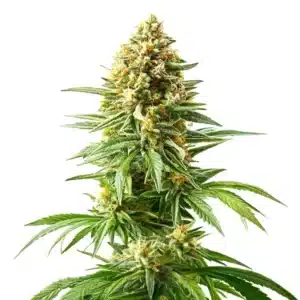
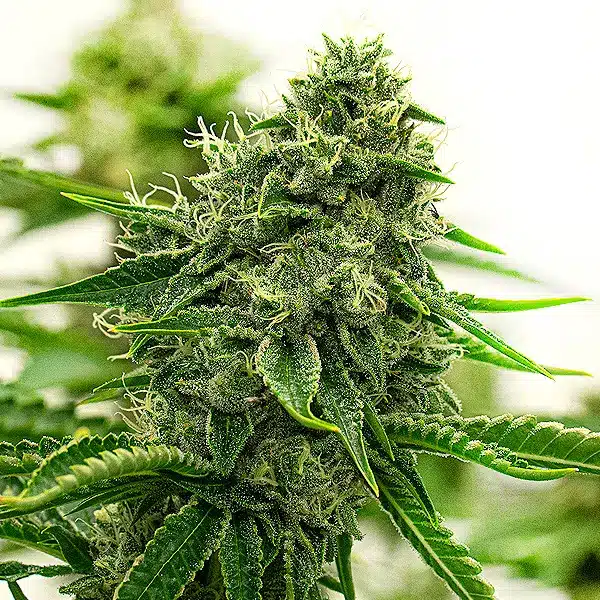
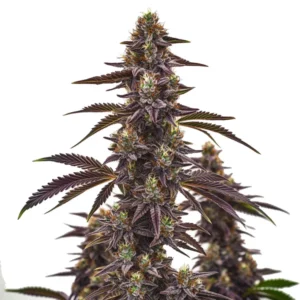
Godfather OG

|
THC | 26% - 30% (High) |

|
Type | Feminized |

|
Yield | High |

|
Phenotype | 60% Indica / 40% Sativa |
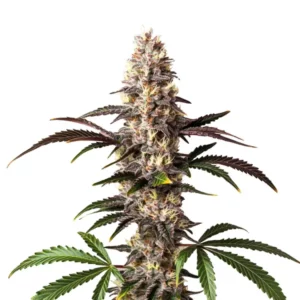
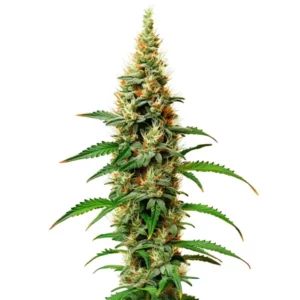
Hippo High
|
|
THC | 30% - 32% (High) |
|
|
Type | Feminized |
|
|
Yield | High |
|
|
Phenotype | 30% Indica / 70% Sativa |
VOCs in Cannabis Cultivation
What are VOCs and Why Control Them?
Volatile Organic Compounds (VOCs) are emitted during cannabis growth, contributing to the plant’s distinctive aroma. These compounds, while natural, can be overwhelming and potentially harmful at high concentrations. Controlling VOCs is essential not just for odor management but also for maintaining air quality within your grow space. High levels of VOCs can lead to respiratory issues and discomfort.
In cannabis cultivation, VOCs consist of terpenes and other organic compounds. Managing these emissions is vital, especially in indoor environments where air circulation is limited. Using a carbon filter helps to capture these compounds, reducing their presence by up to 95%, thus ensuring a safer and more pleasant growing environment.
Promos & Deals
Best Carbon Filter for Cannabis VOC Odor Control
Top Features to Consider
When selecting the best carbon filter for cannabis VOC odor control, focus on features such as filter size, carbon quality, and airflow capacity. A high-quality activated carbon filter is crucial for effective odor management. Look for filters with a high CFM (cubic feet per minute) rating to ensure adequate air exchange in your grow room.
Experienced growers recommend filters with a minimum of 2.5 inches of carbon bed depth for optimal VOC absorption. This depth allows for maximum contact time between the air and the carbon, enhancing the filter’s ability to trap odors and VOCs effectively.
How Carbon Filters Work
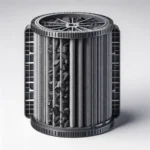
An activated carbon filter for odor removal functions by adsorbing VOCs and other particles onto its surface. The activated carbon is highly porous, providing a large surface area for trapping odors. This process is efficient, with filters capable of removing up to 95% of VOCs from the air, ensuring your grow room remains discreet and odor-free.
Proper installation and maintenance are key to maximizing the lifespan and effectiveness of your carbon filter. Regularly check for signs of wear and replace the filter as needed, typically every 12 to 18 months, depending on usage and environmental factors.
Comparing Top Carbon Filters
Best Carbon Filter for Grow Room
When selecting the best carbon filter for a grow room, consider the size of your space and the filter’s airflow capacity. A filter with a high CFM rating is essential for larger grow rooms to ensure sufficient air exchange. According to user reviews on Reddit, the best carbon filter for cannabis VOC odor control often features a robust design and high-quality activated carbon.
Growers frequently recommend brands that offer durable construction and reliable performance. Look for filters that are easy to install and maintain, with replaceable carbon cartridges for long-term use.
Activated Carbon Smoking Filter Options
Activated carbon smoking filters are specifically designed to reduce smoke odor and VOCs in smaller spaces. The Carbon Filter Smoke Buddy is a popular choice for personal use, offering a compact and portable solution for odor control. These filters are ideal for use in small grow tents or personal spaces where discretion is paramount.
While these filters are effective for small-scale applications, they may not provide the same level of odor control as larger, industrial-grade filters used in commercial grow operations.
Tips for Effective Odor Control
Carbon Filter Tips and Maintenance
Some essential carbon filter tips include ensuring your filter is correctly sized for your grow room. A filter that is too small will not effectively manage odors, while an oversized filter can lead to unnecessary energy consumption. Regularly inspect your filter for signs of wear and replace it as needed to maintain optimal performance. Strong-smelling strains like Godfather OG especially benefit from effective odor control systems due to their intense terpene profile during flowering.
Many cultivators share that maintaining a clean environment around your carbon filter can prolong its life. Dust and debris can clog the filter, reducing its effectiveness and lifespan. Use a pre-filter to capture larger particles and extend the life of your carbon filter.
Choosing the Right Carbon Filter Fan for Smoking
Selecting the appropriate carbon filter fan for smoking involves considering the size of the space and the volume of smoke produced. A fan with adjustable speed settings allows for better control over air circulation and odor management. This is especially useful when enjoying aromatic strains like Hippo High, known for their intense terpene profile. Ensure the fan is compatible with your filter to maximize efficiency.
Master growers have pointed out that using a fan with a high CFM rating ensures adequate air exchange, reducing the risk of odor buildup. This is especially important in enclosed spaces where air circulation is limited.
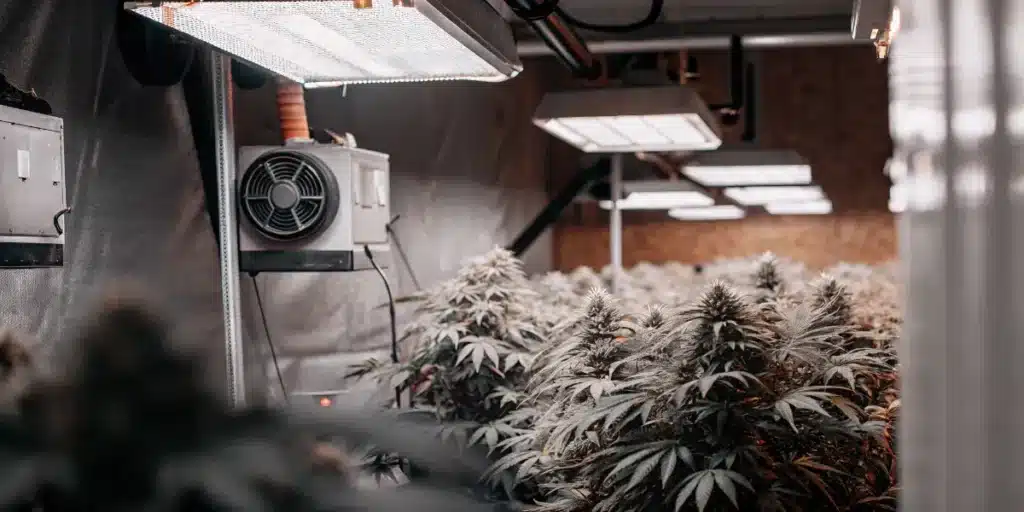
Professional Tips for Carbon Filter Use
- Maintain 58-62% RH in your grow room to prevent mold and mildew, which can clog filters and reduce effectiveness.
- Position your carbon filter at the highest point in the grow room where hot air accumulates, ensuring maximum odor capture.
- Use a pre-filter to capture larger particles, extending the life of your carbon filter by up to 30%.
- Replace your carbon filter every 12-18 months to maintain optimal VOC removal efficiency.
- Ensure your filter is at least 2.5 inches thick for effective VOC absorption and odor control.
- Regularly clean the surrounding area to prevent dust buildup, which can reduce filter efficiency by 20%.
FAQs about best carbon filter for cannabis VOC odor control
Do carbon filters get rid of VOCs?
Yes, carbon filters are highly effective at removing VOCs from the air. They can capture up to 95% of VOCs, significantly improving air quality in your grow room. The activated carbon adsorbs these compounds, reducing odors and potential health risks associated with prolonged VOC exposure.
What is the best odor control for cannabis?
The best odor control for cannabis involves using a high-quality carbon filter with a robust fan system. This combination ensures efficient air circulation and odor removal. Filters with a minimum 2.5-inch carbon bed depth and a high CFM rating are recommended for optimal performance.
What kind of air filter removes VOCs?
Activated carbon filters are the best type of air filter for VOC removal. They utilize a porous carbon structure to adsorb VOCs and other odors, making them ideal for cannabis cultivation. Ensure the filter is appropriately sized for your grow space for maximum efficiency.
What filter works for VOC?
For effective VOC control, use a carbon filter with a high CFM rating and a thick carbon bed. These filters are designed to adsorb VOCs efficiently, ensuring your grow room remains odor-free. Regular maintenance and timely replacement are crucial for sustained performance.
How to maintain a carbon filter for cannabis cultivation?
To maintain a carbon filter, regularly check for signs of wear and replace it every 12-18 months. Use a pre-filter to capture larger particles and clean the surrounding area to prevent dust buildup. Proper maintenance ensures the filter remains effective in removing VOCs and odors.