Carbon Filter Effectiveness for Cannabis VOCs

Carbon filter efficiency: Carbon filters are highly effective at removing cannabis VOCs, which contribute to strong odors. Knowing carbon filter effectiveness for cannabis VOCs is essential for growers looking to maintain a discreet cultivation space. By capturing volatile compounds in activated carbon, these filters are favored for reliable odor control. Experienced cultivators note that a properly maintained carbon filter can cut VOC emissions by up to 90%, ensuring a discreet and odor-free grow environment.
In cannabis cultivation, managing terpenes and maintaining optimal flowering time are crucial. Terpenes, responsible for the plant’s aroma, can be controlled using carbon filters, which are vital for odor management. With flowering times ranging from 8 to 10 weeks, ensuring a clean environment is essential for high-quality yields. This guide explores how carbon filters contribute to this process.
Recommended Strains

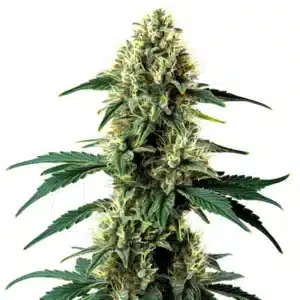
Bubba Kush Autoflower

|
THC | 15% - 20% (Medium) |

|
Type | Autoflowering |

|
Yield | Medium |

|
Phenotype | 90% Indica / 10% Sativa |

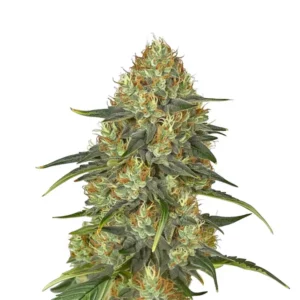
Forbidden Runtz Auto
|
|
THC | 26% - 28% (High) |
|
|
Type | Autoflowering |
|
|
Yield | High |
|
|
Phenotype | 70% Indica / 30% Sativa |
VOCs in Cannabis Cultivation
What Are VOCs and Why Are They Important?
Volatile Organic Compounds (VOCs) are compounds that easily become vapors or gases. In cannabis cultivation, VOCs include terpenes and other aromatic compounds that contribute to the plant’s distinct smell. These compounds not only define the sensory profile of cannabis but also play a role in the plant’s interaction with pests and environmental stressors. Knowing carbon filter effectiveness for cannabis VOCs is essential for growers looking to manage strong odors while maintaining proper airflow and environmental control inside the grow space.
VOCs are crucial in cannabis as they influence both the plant’s aroma and its therapeutic effects. For instance, myrcene, a common terpene, enhances THC uptake and provides anti-inflammatory benefits. Managing VOCs is essential for growers aiming to maintain a balance between aroma and potency.
The Impact of VOCs on Indoor Cultivation
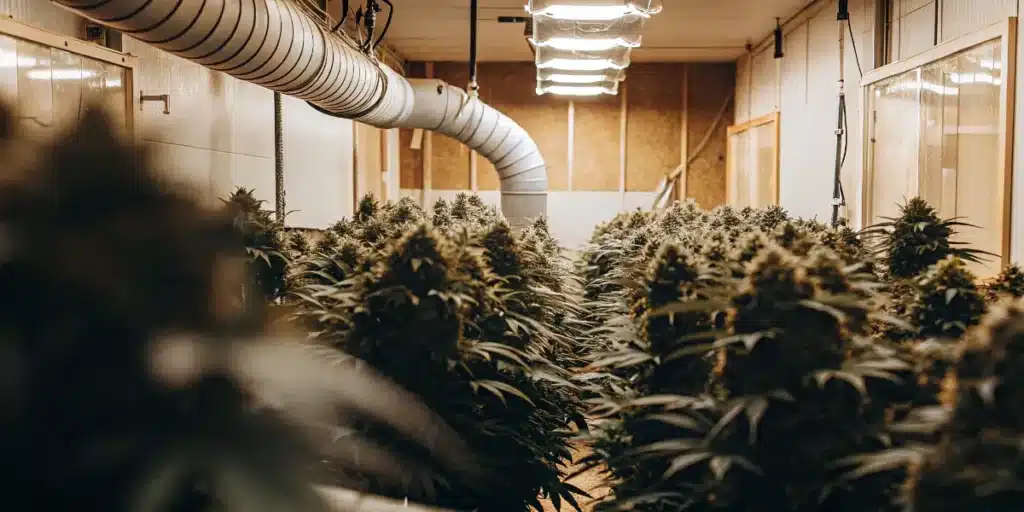
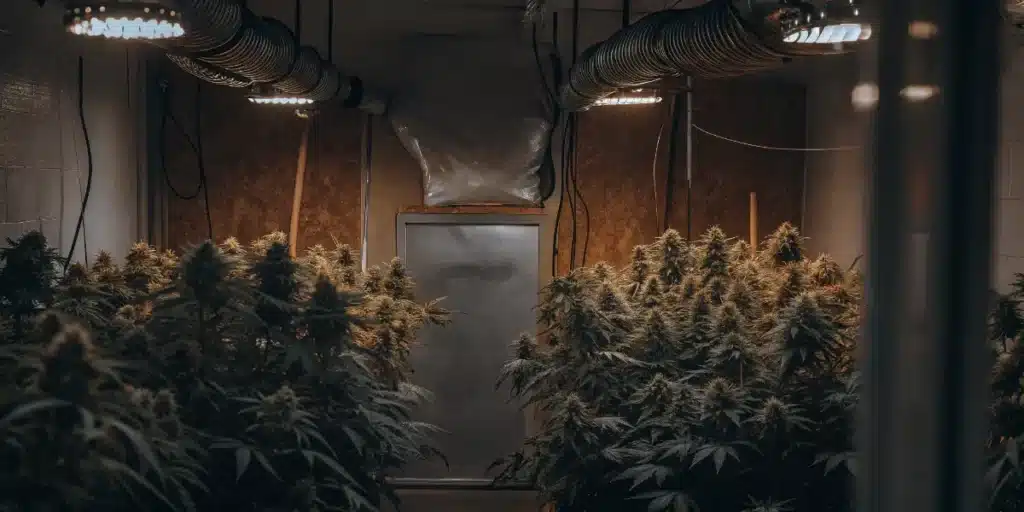
In indoor grow rooms, VOCs can accumulate, leading to strong odors that may attract unwanted attention. This makes carbon filters indispensable for growers. These filters trap VOCs, reducing odor emissions by up to 90%. By maintaining a controlled environment, growers can focus on optimizing other factors like light intensity and nutrient delivery.
Experienced growers report that using carbon filters not only helps in odor management but also improves air quality, which can enhance plant health and yield. Ensuring proper ventilation and filter maintenance is key to maximizing these benefits.
Promos & Deals
How Carbon Filters Work
The Science Behind Activated Carbon
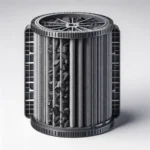
Activated carbon is a form of carbon processed to have small, low-volume pores that increase the surface area available for adsorption. This property makes it ideal for trapping VOCs and other pollutants. Activated carbon is commonly used in smoking filters due to its ability to trap harmful substances, ensuring a cleaner inhalation experience.
Carbon filters remove various pollutants from the air, including VOCs, by adsorbing them onto the surface of the activated carbon. This process is efficient, with a single gram of activated carbon offering a surface area of over 32,000 square feet (3,000 square meters). This extensive surface area allows for effective capture of VOCs and other contaminants.
Real-World Applications
Devices like the Carbon Filter Smoke Buddy are popular for personal use, demonstrating the effectiveness of carbon filters in small-scale applications. These devices utilize activated carbon to neutralize odors, making them ideal for discreet smoking sessions, especially when enjoying aromatic strains like Bubba Kush Auto, known for their rich earthy and sweet terpene profile.
Using a carbon filter fan for smoking can significantly reduce odors, showcasing the versatility of carbon filters in various contexts. In larger grow operations, carbon filters are integrated with ventilation systems to maintain air quality and control odors effectively.
A carbon filter bong can provide a cleaner smoking experience by filtering out impurities and reducing the harshness of the smoke. This highlights the adaptability of carbon filters in both cultivation and consumption settings. Flavorful strains like Forbidden Runtz Auto can particularly benefit from smoother filtration, helping users better appreciate their sweet terpene profile and aromatic complexity.
Choosing the Right Carbon Filter for Your Grow Room
Factors to Consider
When selecting a carbon filter for your grow room, consider the size of your space and the volume of air that needs to be filtered. Knowing carbon filter effectiveness for cannabis VOCs is essential for maintaining proper odor control and air quality. A carbon filter with a fan can enhance air circulation and filtration efficiency, ensuring that VOCs are effectively removed.
It’s important to match the filter’s capacity with the grow room’s size. For instance, a room measuring 10×10 feet (3×3 meters) requires a filter capable of handling at least 200 cubic feet per minute (CFM) to ensure adequate air exchange.
Installation and Integration
Proper installation of carbon filters is crucial for optimal performance. Ensure that the filter is securely attached to the ventilation system and that there are no air leaks. This will maximize the filter’s ability to capture VOCs and other pollutants.
Experienced growers recommend regularly checking the filter for signs of wear and tear, such as reduced airflow or increased odors. Replacing the filter every 12 to 18 months can prevent these issues and maintain air quality.
Tips for Maximizing Carbon Filter Performance
Maintenance and Replacement Guidelines
Here are some essential carbon filter tips to ensure optimal performance. Regularly inspect the filter for clogs or damage, and replace it every 12 to 18 months. This prevents reduced airflow and ensures the filter continues to effectively capture VOCs.
Maintain a clean environment around the filter to prevent dust buildup, which can reduce its efficiency. Use a pre-filter to catch larger particles, extending the life of the carbon filter.
FAQs about carbon filter effectiveness for cannabis VOCs
Do carbon filters get rid of VOCs?
Yes, carbon filters effectively remove VOCs by adsorbing these compounds onto activated carbon. This process significantly reduces odors and improves air quality in grow rooms. A well-maintained carbon filter can decrease VOC levels by up to 90%, ensuring a cleaner and more discreet cultivation environment.
How effective are carbon filters in smell?
Carbon filters are highly effective in controlling odors, capturing up to 90% of VOCs responsible for cannabis smells. By using activated carbon, these filters trap volatile compounds, making them essential for maintaining discretion in indoor grow operations.
What filter gets rid of VOCs?
Activated carbon filters are the most effective at removing VOCs. They work by adsorbing volatile compounds onto the carbon’s surface, reducing odors and improving air quality. For optimal results, choose a filter with a capacity that matches your grow room’s size.
How often should I replace my carbon filter?
Replace your carbon filter every 12 to 18 months to maintain its effectiveness. Regular replacement ensures that the filter continues to capture VOCs efficiently, preventing odors and maintaining air quality in your grow room.
Can carbon filters be used with other air purification methods?
Yes, carbon filters can be combined with other air purification methods, such as HEPA filters, to enhance air quality. This combination captures a wider range of pollutants, including particles that carbon filters alone may not remove, ensuring a cleaner environment.