Cannabis Ruderalis: Traits, Autoflowering and Benefits

Quick answer: Cannabis ruderalis is a third type of cannabis (alongside sativa and indica), a small, hardy, wild variety from cold northern regions. Its defining trait is autoflowering: it flowers automatically with age rather than by light cycle, and completes its life in about 70-80 days. Ruderalis itself is low in THC, but crossing it with sativa or indica is exactly how modern autoflowering seeds were created, combining its auto trait and resilience with potent genetics.
Cannabis ruderalis is the lesser-known third type of cannabis, overshadowed by sativa and indica but hugely important behind the scenes. It evolved in harsh, cold regions like Russia and Central/Eastern Europe, which made it small, tough and fast, and, crucially, autoflowering: it starts to flower based on age rather than the light cycle, finishing its whole life in roughly 70-80 days.
Recommended Strains
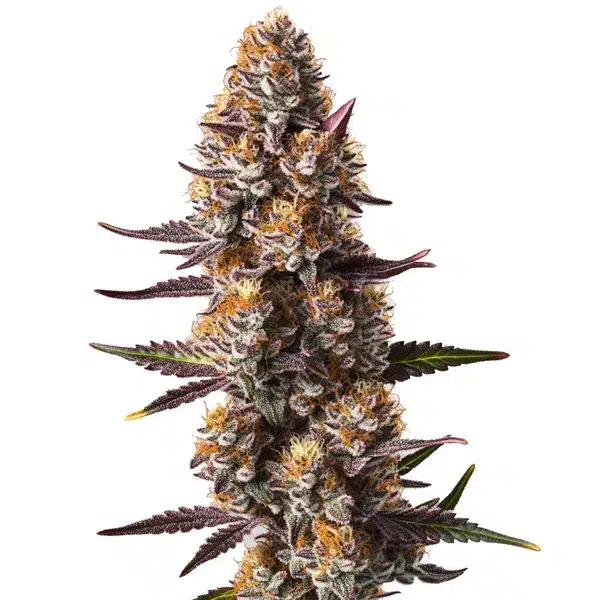
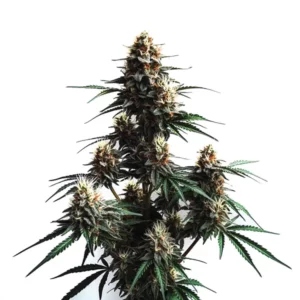
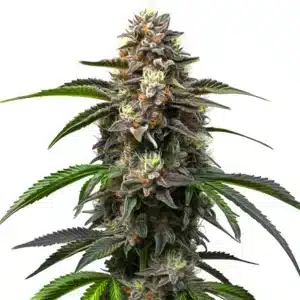
Rude Boy OG

|
THC | 25% - 28% (High) |

|
Type | Feminized |

|
Yield | High |

|
Phenotype | 70% Indica / 30% Sativa |
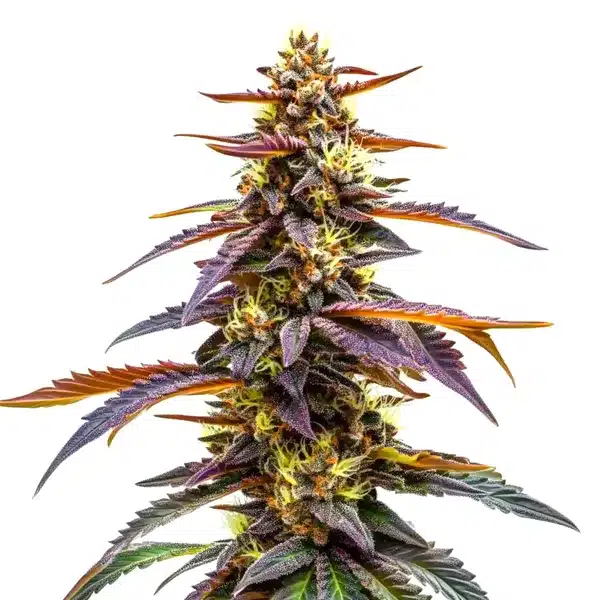
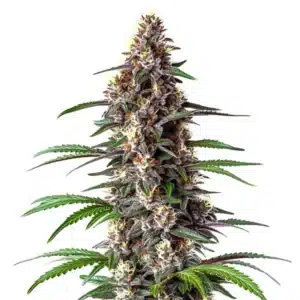
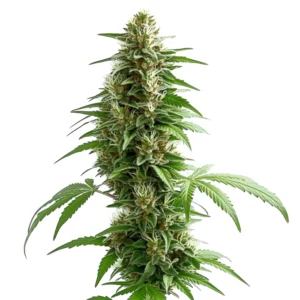
RudeBoi OG F1
|
|
THC | 19% - 23% (Medium) |
|
|
Type | Feminized F1 |
|
|
Yield | High |
|
|
Phenotype | 50% Indica / 50% Sativa |
On its own, ruderalis is not impressive to smoke, it is low in THC and modest in yield, but its genetics are gold for breeders. By crossing ruderalis with potent sativa and indica strains, breeders created the modern autoflowering seeds that let growers harvest fast, compact plants regardless of the light cycle. This guide covers what ruderalis is, how it compares to sativa and indica, its benefits, and how it is grown.
| Ruderalis | Sativa | Indica | |
|---|---|---|---|
| Flowering trigger | Age (autoflowering) | Light cycle | Light cycle |
| Size | Small, short | Tall | Short-medium, bushy |
| THC | Naturally low | Varies, often high | Varies, often high |
| Main value | Autoflowering + hardy genetics | Cerebral effect | Relaxing effect |
Ruderalis vs Sativa and Indica
The biggest difference is how each flowers. Sativa and indica are photoperiod plants, they flower only when the light cycle shortens (or you switch an indoor light schedule), whereas ruderalis flowers automatically with age, no light change needed. That autoflowering trait is ruderalis’s signature contribution. Physically, ruderalis is the smallest and shortest of the three, bred by nature for speed and survival rather than size or potency.
Sativa tends to be tall with uplifting, cerebral effects; indica is shorter, bushier and more relaxing; ruderalis is small, fast and naturally low in THC. On their own, sativa and indica win on effect and yield, but ruderalis wins on resilience and its automatic, light-independent flowering, which is why it is so valuable crossed into modern hybrids rather than grown pure.
Promos & Deals


Benefits of Ruderalis (and Autoflowers)
Ruderalis’s benefits are all about convenience and resilience. Its autoflowering gene lets plants flower on a fixed schedule regardless of daylight, so growers can harvest fast (often 8-10 weeks seed to harvest), fit multiple grows into one season, and grow in places with short summers or awkward light. Ruderalis is also hardy, tolerating cold and stress better than many pampered hybrids, and stays compact, ideal for discreet or small-space grows.
These traits live on in autoflowering seeds, which cross ruderalis with potent strains to get the auto trait and toughness plus real THC and flavour. If those benefits appeal, the practical route is to grow autoflowers rather than pure ruderalis, see our autoflowering seeds. For how ruderalis fits among other original, wild cannabis types, see our guide on landrace strains.
Growing Ruderalis and Autoflowers
Growing ruderalis genetics, almost always as autoflowers, is beginner-friendly precisely because of the autoflowering trait: you do not need to control the light schedule to trigger flowering, and the short, fixed life cycle means a quick, forgiving grow. Give autoflowers 18-24 hours of light a day throughout if indoors, or just plant them outdoors and let them run.
A few tips help: because the life cycle is short and fixed, avoid heavy training or transplanting that could stress the plant and cost time, autoflowers do not have long to recover. Use gentle low-stress training rather than topping, feed lightly, and get the grow right from the start. For light intensity on young plants, see our guide on the best PPFD for seedlings.
Is Ruderalis a Separate Species?
Botanists debate whether ruderalis is a separate species (Cannabis ruderalis) or a subspecies of Cannabis sativa adapted to harsh northern climates. Either way, growers treat it as a distinct type alongside sativa and indica because it behaves so differently, staying small, flowering automatically by age, and tolerating cold and stress. The name ‘ruderalis’ comes from ‘ruderal’, meaning a plant that thrives in disturbed or marginal ground, which fits its wild, weedy nature.
What matters in practice is not the taxonomy but the traits. Ruderalis evolved without the long, warm summers that let sativa and indica flower on a light cycle, so it adapted to flower on a timer instead, an evolutionary quirk that became its most valuable feature. That single adaptation is why a humble, low-potency wild plant reshaped modern cannabis breeding through autoflowering hybrids.
FAQs about Cannabis Ruderalis
What is cannabis ruderalis?
Cannabis ruderalis is a third type of cannabis alongside sativa and indica, a small, hardy, wild variety from cold northern regions. Its defining trait is autoflowering, flowering by age rather than light cycle, finishing in about 70-80 days. It is naturally low in THC but is the genetic basis of modern autoflowering seeds.
Does ruderalis get you high?
On its own, barely, pure ruderalis is naturally very low in THC, so it is not grown to smoke. Its value is genetic: crossing ruderalis with potent sativa or indica strains creates autoflowering seeds that keep its automatic flowering and resilience while adding real THC, flavour and yield from the other parent.
Why is ruderalis important for autoflowers?
Because autoflowering comes from ruderalis. It is the only cannabis type that flowers automatically with age instead of by light cycle, so breeders cross it with sativa and indica to create autoflowering seeds, fast, compact, light-independent plants that still carry the potency and flavour of their photoperiod parent.
What does ruderalis mean?
‘Ruderalis’ comes from ‘ruderal’, a term for plants that thrive in disturbed or marginal ground. It describes cannabis’s wild, hardy, weedy type from cold northern regions. Whether classed as its own species or a sativa subspecies, ruderalis is treated as a distinct type because it stays small, tolerates cold, and flowers automatically by age rather than light cycle.