How Many Landrace Strains Exist Globally?

Global Landrace Strains: There are estimated to be over 30 to 40 distinct landrace cannabis strains worldwide. These strains have naturally evolved in their native regions, forming the genetic backbone of most contemporary hybrids. Due to the lack of historical botanical documentation, pinpointing the exact number is challenging. Modern strains typically trace their lineage back to these foundational varieties.
Landrace strains are the purest form of cannabis, having adapted to their native environments over centuries. These strains are often characterized by unique terpene profiles, such as myrcene and caryophyllene, which contribute to their distinctive aromas and effects. Flowering times for landrace strains can vary significantly, often influenced by their geographic origins and climate conditions.
Recommended Strains
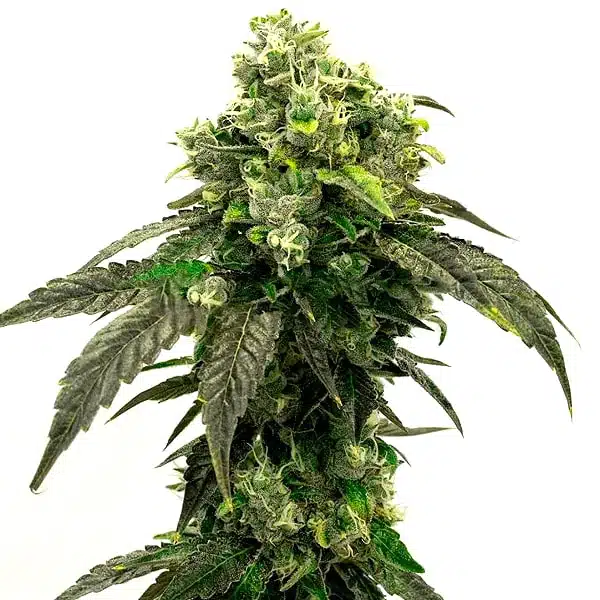
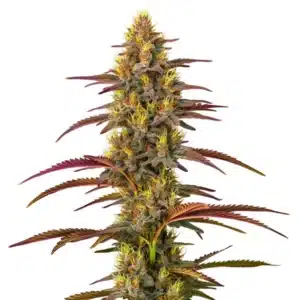
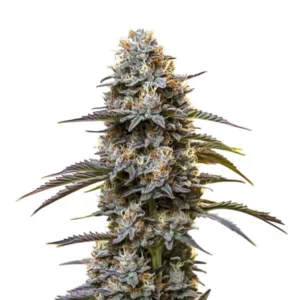
Hindu Kush

|
THC | 15% - 19% (Medium) |

|
Type | Feminized |

|
Yield | High |

|
Phenotype | 75% Indica / 25% Sativa |
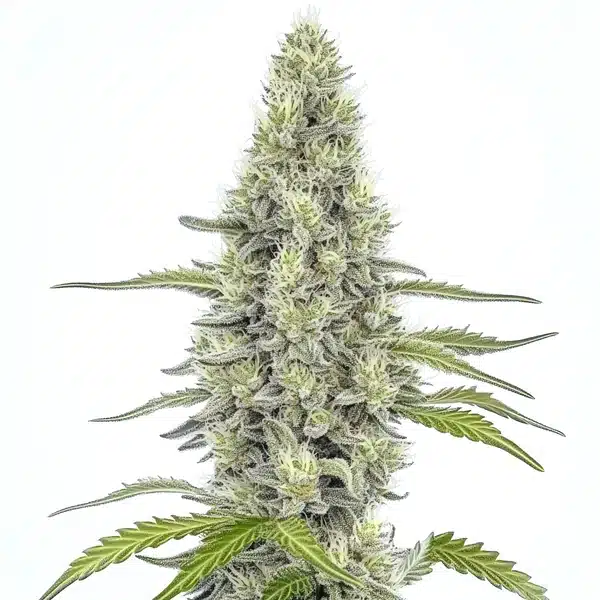
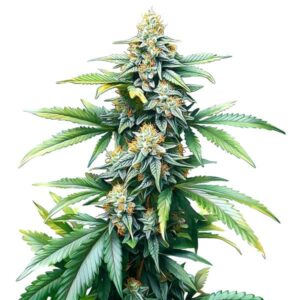
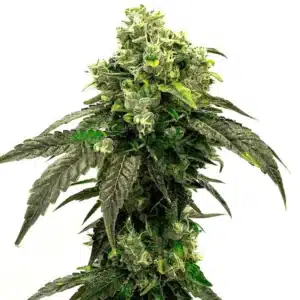
Mazar
|
|
THC | 20% (Medium) |
|
|
Type | Feminized |
|
|
Yield | Medium |
|
|
Phenotype | 90% Indica / 10% Sativa |
Characteristics of Landrace Strains
What Defines a Landrace Strain?
Landrace strains are cannabis varieties that have naturally evolved in specific geographic regions without human intervention. These strains have adapted to their environment over centuries, resulting in unique genetic profiles. Typically, landrace strains are either pure sativa or pure indica, reflecting the climatic conditions of their native regions.
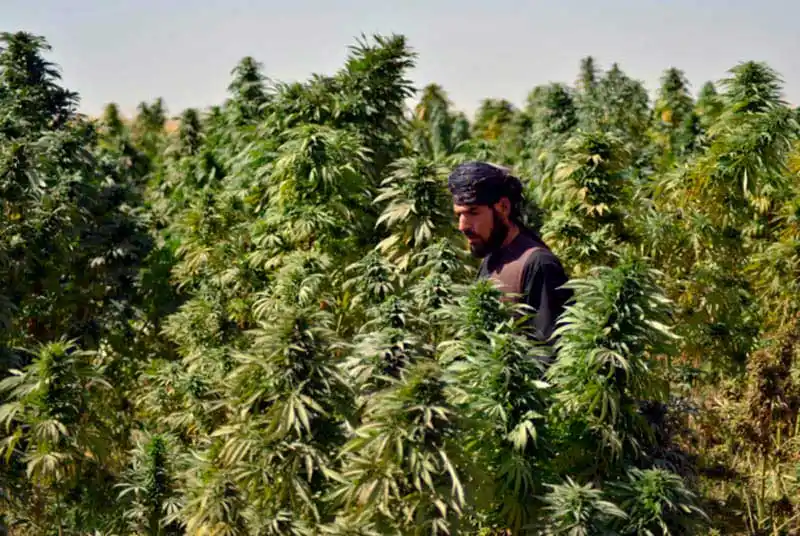
For instance, landrace indica strains like Hindu Kush originate from mountainous regions with cooler climates, leading to shorter, bushier plants. In contrast, landrace sativa strains from tropical areas tend to be taller with longer flowering periods. These adaptations are crucial for survival and reproduction in their respective environments.
Landrace cannabis seeds are highly sought after for their genetic purity and stability. Unlike modern hybrids, these seeds offer a glimpse into the original cannabis gene pool, making them valuable for breeding programs and preservation efforts. However, growing landrace strains can be challenging due to their specific environmental requirements.
Known Landrace Strains List
While the exact number of landrace strains is hard to determine, some well-known varieties include Hindu Kush, originating from the Hindu Kush mountain range, and Mazar-i-Sharif from Afghanistan. These strains are renowned for their resilience and unique terpene profiles, which contribute to their distinct aromas and effects.
Hindu Kush, for example, is known for its earthy and sweet flavors with a hint of spice. It typically contains 0.5-1% myrcene, which enhances relaxation by increasing the permeability of cell membranes to cannabinoids. Mazar-i-Sharif, on the other hand, offers fruity and peppery notes, with caryophyllene levels around 0.4-0.7% that provide anti-inflammatory effects.
Preservation of these strains is crucial for maintaining cannabis genetic diversity. Efforts are underway globally to protect these strains from extinction, ensuring they remain a part of cannabis history and future breeding projects. Seed banks like Blimburn Seeds play a vital role in this preservation by offering authentic landrace strain seeds.
Promos & Deals

The Importance of Landrace Strains
Genetic Diversity and Preservation
Landrace strains are vital for maintaining the genetic diversity of cannabis. These strains have unique genetic profiles that are crucial for breeding programs. By preserving landrace strains, we ensure a diverse gene pool that can be used to develop new hybrids with desirable traits such as increased yield, potency, or disease resistance.
Preservation efforts include storing landrace cannabis seeds in seed banks and cultivating these strains in their native regions. This not only maintains their genetic integrity but also allows for the study of their unique characteristics. Seed banks like Blimburn Seeds are instrumental in these efforts, offering a wide range of landrace strain seeds for cultivation.
However, preserving landrace strains is challenging due to environmental changes and the spread of modern hybrids. It requires coordinated efforts from growers, researchers, and seed banks to ensure these strains remain available for future generations. The importance of preserving landrace strains cannot be overstated, as they are the foundation of cannabis biodiversity.
| Feature | Hindu Kush | Mazar | Afghan Kush |
|---|---|---|---|
| THC Content | Up to 19% | Up to 20% | 16-21% |
| Dominant Terpene | Myrcene | Caryophyllene | Limonene |
| Yield (Outdoor) | 21 oz/plant | 24 oz/plant | 15-22 oz/plant |
| Flowering Time | 8-10 weeks | 65 days | 8-10 weeks |
| Flavor Profile | Earthy, Sweet, Spicy | Earthy, Fruity, Spicy | Earthy, Spicy, Pine |
Buying Landrace Strain Seeds
When purchasing landrace strain seeds, it’s essential to choose a reputable seed bank to ensure genetic authenticity. Blimburn Seeds offers a selection of landrace indica seeds, providing growers with the opportunity to cultivate these unique strains. Each seed is carefully selected to maintain the genetic purity of the original landrace strain.
When growing landrace strains, understanding their specific environmental needs is crucial. These strains often require conditions similar to their native regions, such as specific temperature and humidity levels. For example, Afghan Kush thrives in cooler, drier climates, making it ideal for growers in similar environments.
Professional Tips for Growing Landrace Strains
- Maintain 68-77°F (20-25°C) for optimal growth. Landrace strains like Afghan Kush prefer cooler temperatures. Avoid exceeding 80°F (27°C) to prevent stress.
- Use 58-62% RH during curing. This range preserves terpene profiles like myrcene and caryophyllene. Avoid higher humidity to prevent mold.
- Implement LST techniques for strains like Mazar to maximize yield. This encourages even canopy development and improves light penetration.
- Choose soil with a pH of 6.0-7.0 for landrace indicas. This range supports nutrient uptake. Avoid pH fluctuations to prevent nutrient lockout.
- Monitor light intensity at 800-1000 µmol/m²/s for flowering. Adequate light ensures robust bud development. Avoid light burn by keeping lights at the recommended distance.
- Store seeds at 41-50°F (5-10°C) in a dark, dry place. Proper storage maintains seed viability. Avoid exposure to light and humidity.
Frequently Asked QFrequently Asked Questionsuestions
What is the oldest landrace strain?
The oldest known landrace strain is believed to be Hindu Kush, originating from the Hindu Kush mountain range. This pure indica strain has been cultivated for centuries, with THC levels reaching up to 19%. Its unique genetic profile and resilience make it a cornerstone of cannabis breeding.
What are all the landrace strains?
Landrace strains include varieties like Hindu Kush, Mazar-i-Sharif, and Afghan Kush. Each strain is native to specific regions, offering unique terpene profiles and effects. For example, Hindu Kush features earthy and sweet flavors, while Mazar-i-Sharif presents fruity and spicy notes.
What is Snoop Dogg’s strain called?
Snoop Dogg’s preferred strain is known as “Snoop’s Dream,” a hybrid of Blue Dream and Master Kush. With THC levels ranging from 18-22%, this strain offers a balanced effect profile, combining cerebral stimulation with physical relaxation. Its flavor profile includes berry and pine notes.
How do landrace strains differ from hybrids?
Landrace strains are pure cannabis varieties that evolved naturally in specific regions, while hybrids are crossbred strains combining genetics from different landraces. Landrace strains offer unique terpene profiles and effects, with THC levels varying by strain. Hybrids often aim to enhance specific traits like yield or potency.
Can landrace strains be grown indoors?
Yes, landrace strains can be grown indoors with the right conditions. Control temperature at 68-77°F (20-25°C) and maintain humidity at 40-50% during flowering. Use soil with a pH of 6.0-7.0 for optimal nutrient uptake. Proper lighting and ventilation are crucial for successful indoor cultivation.