The Unique Effects of Cannabis Ruderalis

Cannabis ruderalis is the third type of cannabis, alongside indica and sativa, a small, hardy, fast-growing plant originally from harsh climates like Russia and Central Asia. Its defining effect is actually a lack of strong effect: ruderalis is very low in THC (often well under 1%), so on its own it produces little to no classic ‘high’, typically just a mild, clear-headed calm, and it tends to carry relatively more CBD than THC. So why does it matter? Because of one trait: ruderalis flowers automatically with age rather than by light cycle. That autoflowering genetic is its real value, breeders cross ruderalis with potent indica and sativa strains to create modern autoflower seeds that keep the parent’s potency and flavor but flower fast and automatically.
So ruderalis itself is mild, but its genetics quietly power a huge part of today’s cannabis. Below: what ruderalis is, its real effects, and how it compares to indica and sativa.
Recommended Strains

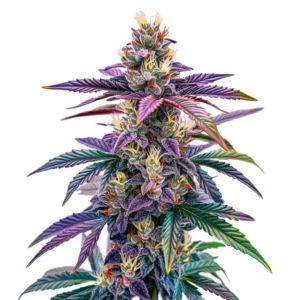
Black Runtz

|
Type | Feminized |

|
THC | 30% - 32% (High) |

|
Phenotype | 55% Indica / 45% Sativa |

|
Yield | Medium |
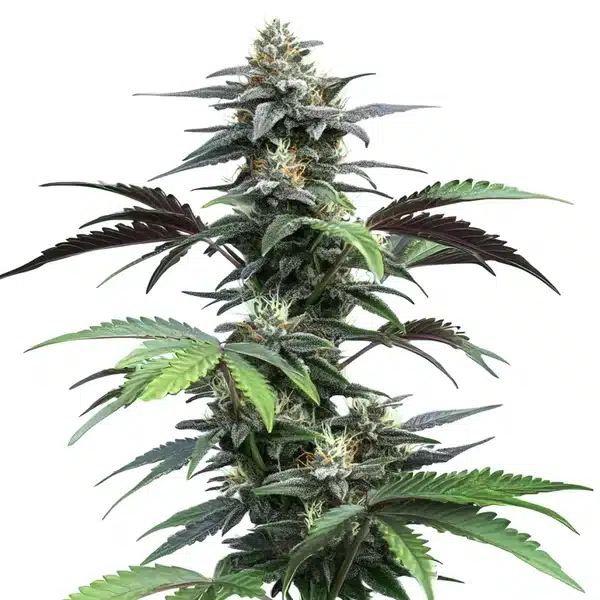
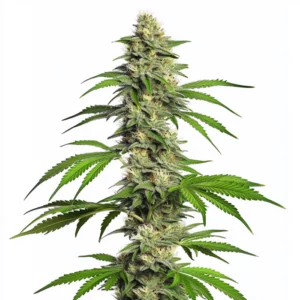
Blue Fruit Auto
|
|
Type | Autoflowering |
|
|
THC | 12% - 16% (Medium) |
|
|
Phenotype | 70% Indica / 30% Sativa |
|
|
Yield | Medium |
Ruderalis vs Indica vs Sativa
How the three cannabis types compare:
| Type | THC | Size / growth | Flowering |
|---|---|---|---|
| Ruderalis | Very low | Small, hardy, fast | Automatic (by age) |
| Indica | Can be high | Short, bushy | By light cycle |
| Sativa | Can be high | Tall, lanky | By light cycle (long) |
Promos & Deals
What Ruderalis Actually Feels Like
Let’s be honest about ruderalis effects, because it’s where expectations often miss. Pure ruderalis is not a strain you grow to get high: its THC content is very low, so instead of a strong psychoactive experience it offers, at most, a mild, gentle, clear-headed calm. Many users feel little noticeable intoxication from ruderalis alone.
Because it tends to have a higher CBD-to-THC balance than typical drug-type cannabis, people sometimes associate it with relaxation and everyday calm rather than a ‘stoned’ feeling. It’s important to frame this as general, anecdotal impressions, not proven medical effects, ruderalis is not a treatment for any condition, and this isn’t medical advice. The takeaway is simple: if you’re after potency, pure ruderalis will disappoint, but if you value a mild, functional, low-THC profile, or, far more commonly, the autoflowering genetics it passes to hybrids, that’s where ruderalis shines.
It also helps to set expectations if you ever come across pure ruderalis seeds or wild-growing ruderalis: you are looking at a plant prized by breeders and survivalists, not by someone chasing a strong high, and judging it by potency alone misses the entire point of why it is so useful. For most consumers the takeaway is simply this: enjoy the fast, easy autoflowers that ruderalis made possible, and look to their indica or sativa parentage, not the ruderalis itself, for the potency and flavor you actually experience.
What the Ruderalis Plant Is
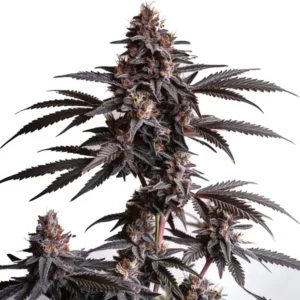
Cannabis ruderalis is a distinct type (some classify it as a subspecies) of cannabis that evolved in cold, harsh northern climates with short summers. To survive there, it developed two signature traits: it’s small, tough and fast-growing, and, crucially, it flowers based on age rather than daylight hours (the autoflowering trait), because in its native range it couldn’t wait for seasonal light changes to reproduce. Its leaves are typically smaller with fewer, broader leaflets than sativa, and plants stay compact. On its own, ruderalis yields modestly and isn’t potent, which is why it was long overlooked.
Everything changed when breeders realised they could cross ruderalis with high-THC indica and sativa strains to transfer that autoflowering ability, producing plants that flower automatically and fast while inheriting real potency and flavor from the other parent. That cross is the foundation of the entire autoflower seed category. In practical terms, almost every autoflowering strain you can buy today owes its automatic flowering to ruderalis somewhere in its family tree, even when the finished plant looks and smokes nothing like its humble ancestor.
Why Ruderalis Matters: Autoflowering Genetics
Ruderalis’s biggest contribution isn’t what you smoke, it’s what it enables. By breeding its autoflowering trait into other strains, cultivators created autoflower seeds, plants that flower on their own timetable regardless of light schedule, finish quickly (often around 8-10 weeks from seed), stay compact, and are forgiving for beginners and great for short seasons or stealth grows. That’s a huge practical benefit, and it’s pure ruderalis heritage. Its hardiness and fast life cycle also make it valuable breeding material for resilient, quick strains.
Separately, its naturally low-THC, higher-CBD tendency means ruderalis genetics occasionally feature where a milder, CBD-leaning profile is wanted. So while you won’t find many pure ruderalis strains on shelves, its DNA is everywhere in modern autoflowers. If that appeals, explore our autoflower seeds, which pair ruderalis’s auto trait with the potency of indica and sativa genetics.

FAQs About Ruderalis Weed
Does cannabis ruderalis get you high?
Barely, if at all, on its own. Ruderalis is very low in THC (often under 1%), so pure ruderalis produces little to no classic high, at most a mild, clear-headed calm, and tends to lean more toward CBD. It isn’t grown for potency. Its real value is the autoflowering genetics it passes to hybrid autoflower strains.
What does ruderalis feel like?
Mild. Because of its very low THC, ruderalis offers gentle, clear-headed calm rather than strong intoxication, and many feel little noticeable effect from it alone. People associate its higher CBD-to-THC balance with everyday relaxation. These are general, anecdotal impressions, not proven medical effects, ruderalis is not a treatment, and this isn’t medical advice.
Why is ruderalis useful?
Mainly for breeding. Its autoflowering trait, flowering by age instead of light cycle, is crossed into potent indica and sativa strains to create modern autoflower seeds that finish fast, stay compact and are beginner-friendly. Its hardiness and quick life cycle also make it valuable breeding stock. Pure ruderalis itself is rarely grown for consumption.
How does ruderalis differ from indica and sativa?
It’s the third cannabis type. Ruderalis is small, hardy, fast and very low in THC, and it flowers automatically by age. Indica (short, bushy) and sativa (tall, lanky) can be high in THC and flower by light cycle. Ruderalis’s standout feature is that autoflowering trait, which is why it’s bred into autoflower hybrids.