Blue Weed: Why Cannabis Turns Blue and the Best Strains

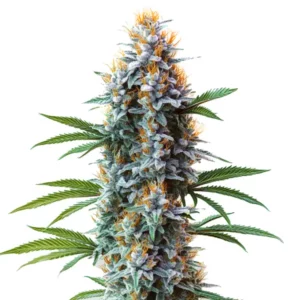
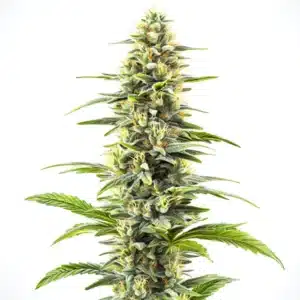
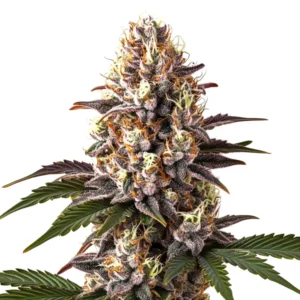
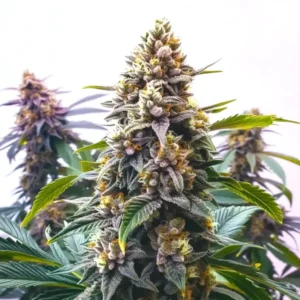
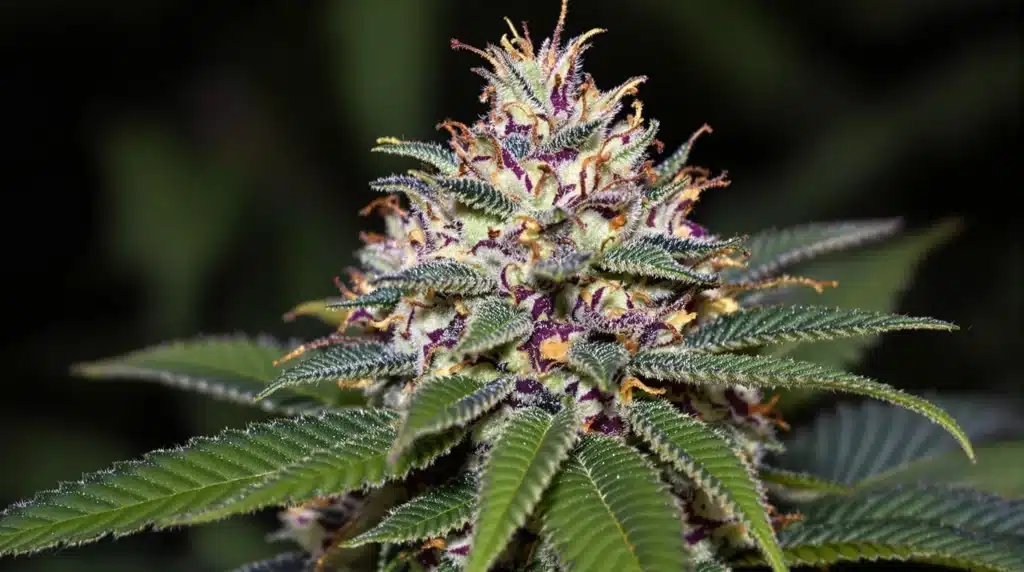
Blue weed covers the strains that turn vivid blue or purple as they flower, like Blue Dream and Blueberry. The color comes from anthocyanins, natural pigments that develop in cooler temperatures, the same ones that redden autumn leaves. Most blue strains sit in a comfortable 15-24% THC range and are prized as much for their looks and flavor as their effect.
Blue weed covers the strains that turn vivid blue or purple as they flower, like Blue Dream and Blueberry. The color comes from anthocyanins, natural pigments that develop in cooler temperatures, the same ones that redden autumn leaves. Most blue strains sit in a comfortable 15-24% THC range and are prized as much for their looks and flavor as their effect.
Recommended Strains

Blue Cheese

|
THC | 16% - 20% (Medium) |

|
Type | Feminized |

|
Yield | High |

|
Phenotype | 80% Indica / 20% Sativa |
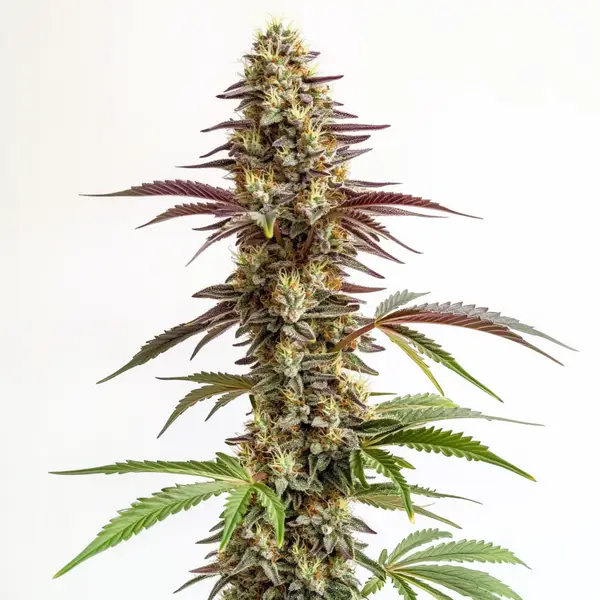
Blue Cookies
|
|
THC | 18% - 21% (Medium) |
|
|
Type | Feminized |
|
|
Yield | Medium |
|
|
Phenotype | 90% Indica / 10% Sativa |
Why Does Cannabis Turn Blue?
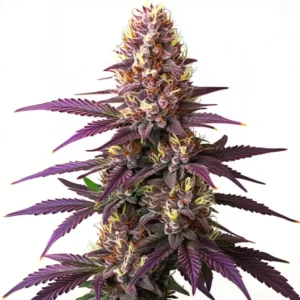
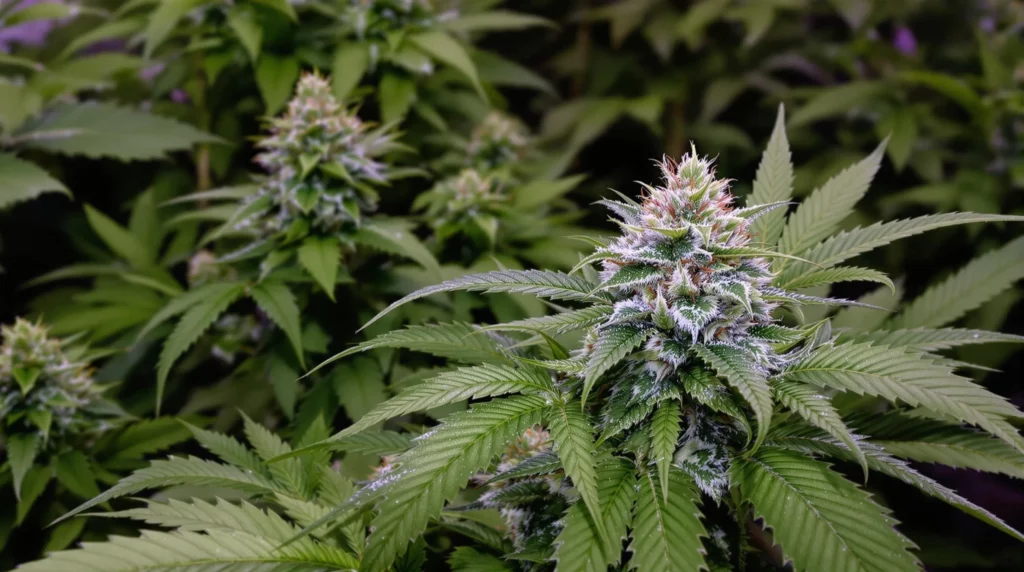
Blue and purple cannabis gets its color from anthocyanins, the same family of pigments found in blueberries and red cabbage. They become visible when temperatures drop, especially cool nights late in flowering. It is a genetic trait triggered by the environment, so a strain has to be predisposed to it; you cannot turn just any plant blue.
Cooler temperatures can also help preserve aromatic terpenes like myrcene, which gives many blue strains their earthy, relaxing character. You may read that myrcene boosts how THC crosses the blood-brain barrier; that is a popular idea rather than a proven one, so enjoy the relaxing reputation without treating it as established fact.
In flowering, a strict 12/12 photoperiod (12 hours of light, 12 of uninterrupted darkness) triggers the plant’s flowering hormones. Holding that schedule steady, alongside the cool nights, is what lets a predisposed plant develop its full color and potency.
Aim for daytime temperatures of 68-77F (20-25C), then let nights fall to roughly 50-60F (10-15C) in late bloom. That day-to-night swing is the single biggest trigger for anthocyanin color, and it also supports the plant’s normal metabolism. The bigger the healthy drop, the more striking the blue tends to be.
Promos & Deals
Best Blue Weed Strains
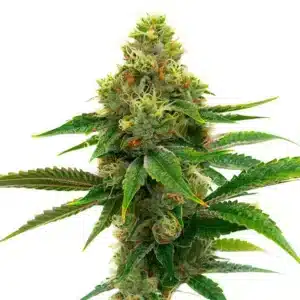
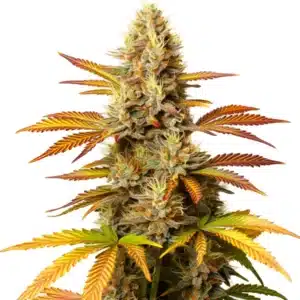
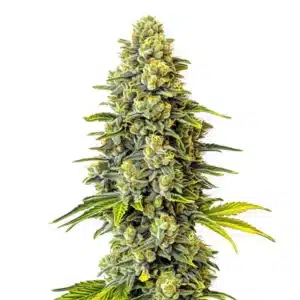
Blue Dream is the icon: a balanced hybrid at 18-24% THC with a sweet berry aroma and a euphoric, creative lift that is not overly sedating. Blueberry, the indica-leaning classic, leans the other way, with a sweet, fruity flavor and a calming effect that suits the evening.
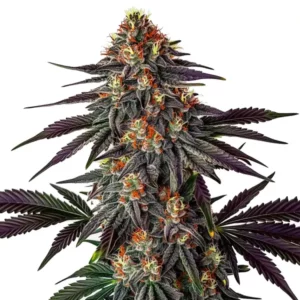
Blue Cheese blends Blueberry’s sweetness with a savory, pungent cheese note and leans indica, for a deeply relaxing body high with a euphoric edge. For something brighter, Blue Cookies brings a sweeter, more uplifting character while keeping that blue-purple coloring.
Terpenes shape each one’s character: myrcene gives Blue Dream its earthy, relaxing base, caryophyllene adds a peppery note to Blueberry, and limonene brings Blue Cheese a citrus lift. These terpenes are studied for possible calming and mood effects, but the research is still early, so think of them as flavor and character markers rather than guaranteed benefits.
How to Grow Blue Weed
Achieving Blue Hues in Cannabis
The key to blue color is cool nights: drop nighttime temperatures to 50-60F (10-15C) during flowering to activate anthocyanin production. That same cool finish also helps preserve terpenes, so you get richer aroma along with the color. Remember the plant still has to be genetically predisposed to turn blue.
Keep pH at 6.0-6.5 in soil (5.5-6.0 in hydro) for clean nutrient uptake, and feed a bloom-focused N:P:K around 1:3:2. Go easy on nitrogen in flower: too much keeps the plant green and actually suppresses the anthocyanins you are trying to bring out.
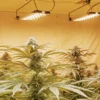
Lighting matters too: a strong, full-spectrum light in veg builds a vigorous plant, and a strict 12/12 photoperiod in flower, with a genuinely uninterrupted dark period, keeps flowering on track. Light leaks during the dark hours are a common reason colors and buds disappoint.
Finally, manage humidity: 60-70% in veg, dropping to 40-50% in flower to prevent mold and bud rot on those dense, colorful buds. Here is how the main blue strains compare:
| Strain | THC | Dominant terpene | Flowering | Effect |
|---|---|---|---|---|
| Blue Dream | 18-24% | Myrcene | 9-10 weeks | Euphoric, creative |
| Blueberry | 16-20% | Caryophyllene | 8-9 weeks | Relaxing, calming |
| Blue Cheese | 15-20% | Limonene | 8-9 weeks | Relaxing, euphoric |
Professional Tips for Growing Blue Weed
- Drop night temperatures to 50-60F (10-15C) in late flowering to trigger the anthocyanins that turn buds blue or purple.
- Keep soil pH at 6.0-6.5 (5.5-6.0 in hydro) so the plant takes up nutrients and develops color cleanly.
- Run a strict 12/12 photoperiod with 12 hours of uninterrupted darkness to drive flowering.
- Feed a bloom-focused N:P:K (around 1:3:2) and avoid excess nitrogen, which suppresses color.
- Cure in airtight jars at 58-62% RH to protect both the color and the terpene-rich aroma.
FAQs About Blue Weed
What does it mean if your weed is blue?
Blue or purple color comes from anthocyanins, natural pigments that develop when a genetically predisposed plant is finished in cool temperatures. It is a sign of genetics plus a cold finish, not of extra potency. The color is mostly about looks and does not, by itself, change how strong the weed is.
What strains of weed are blue?
The best-known blue strains are Blue Dream, Blueberry, Blue Cheese and Blue Cookies. All carry genetics prone to anthocyanins, so they develop vivid blue-purple hues when finished in cool temperatures, and they range from the uplifting Blue Dream to the deeply relaxing Blueberry.
Is blue weed stronger?
No. The blue color comes from pigments, not from THC, so it does not make a strain more potent. Strength depends entirely on the specific strain’s cannabinoid profile. Blue Dream, for instance, runs 18-24% THC, but that is down to its genetics, not its color.
How do you grow blue weed?
Start with a strain predisposed to it, then drop night temperatures to 50-60F (10-15C) in late flowering to trigger the anthocyanins. Keep soil pH at 6.0-6.5, feed a bloom-focused N:P:K around 1:3:2, and avoid excess nitrogen, which keeps plants green.
Can blue weed be used medically?
Blue strains like Blue Cheese and Blueberry are popular with users looking to relax or unwind in the evening, thanks to their calming, body-heavy effects. Any wellness benefit depends on the strain, not the color, and the evidence is anecdotal, so this is not medical advice; consult a professional for health concerns.