Step-by-Step Guides for Growing Cannabis

Growing cannabis successfully: This guide provides a step-by-step approach to cultivating cannabis, covering each stage from seedling to harvest. With the right equipment and knowing of the process, yields can be optimized. Master growers have noted that indoor cannabis yields can increase by up to 30% with a well-optimized setup, making efficient use of space and resources crucial.
Embarking on cannabis cultivation involves knwoing terpenes and their impact on flavor and aroma. The flowering time of strains like Purple Haze Auto and Critical X Cheese Candy ranges from 8 to 10 weeks, offering a spectrum of experiences. This guide will explore these elements, ensuring you maximize your growing potential.
Recommended Strains
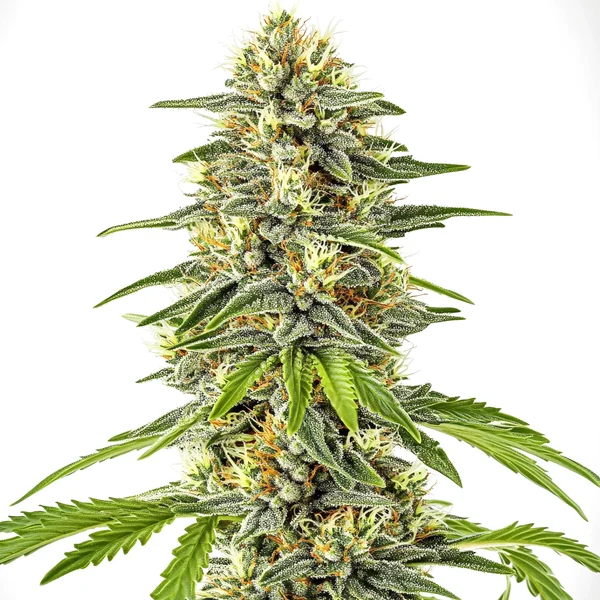
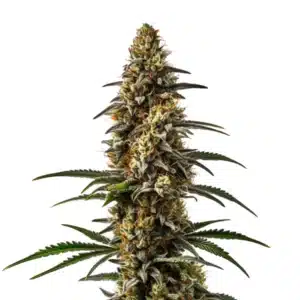
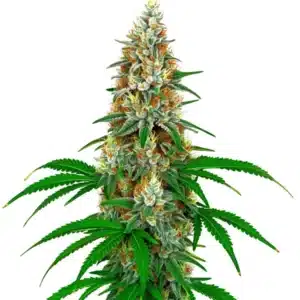
Critical x Cheese Candy

|
THC | 22% - 25% (High) |

|
Type | Feminized |

|
Yield | High |

|
Phenotype | 65% Indica / 35% Sativa |

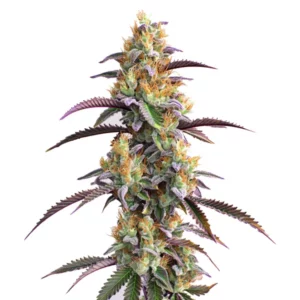
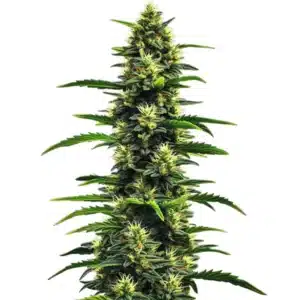
Purple Haze Autoflower
|
|
THC | 14% - 16% (Medium) |
|
|
Type | Autoflowering |
|
|
Yield | High |
|
|
Phenotype | 20% Indica / 80% Sativa |
Starting Your Cannabis Growing Journey
The Basics of Cannabis Cultivation
Starting with cannabis cultivation requires a fundamental grasp of plant biology and environmental conditions. Cannabis plants thrive with a balanced light schedule, typically 18/6 during the vegetative stage and 12/12 during flowering. Maintaining a temperature range of 68°F – 77°F (20°C – 25°C) and humidity between 40-60% RH is crucial for healthy growth.
Knowing the plant’s nutrient needs is essential. During the vegetative phase, a nutrient ratio of N:P:K 3:1:2 supports robust growth, while a shift to 1:3:2 during flowering enhances bud development. Monitoring pH levels, ideally between 6.0 and 7.0, ensures nutrient uptake and prevents deficiencies.
Practical Application & Impact
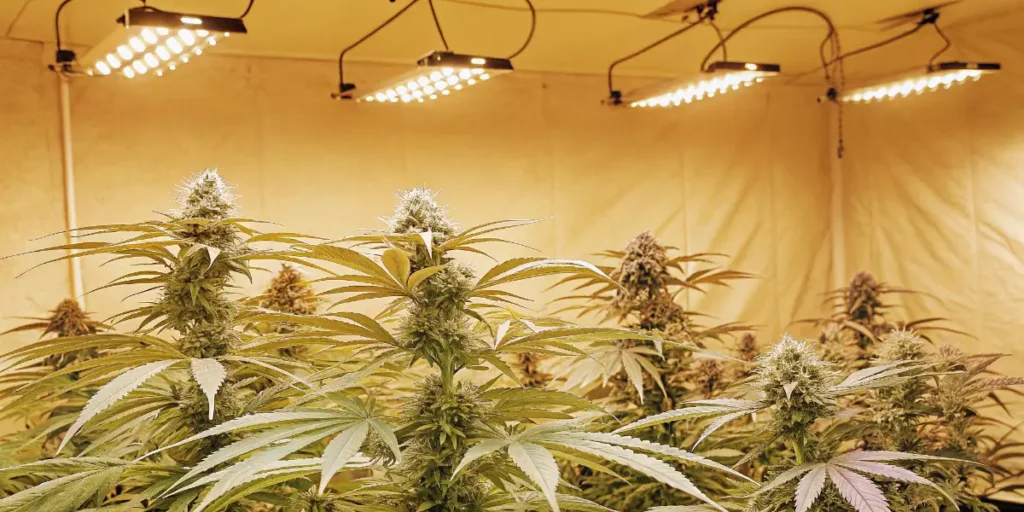
Setting up an indoor grow space involves selecting the right equipment, such as LED lights that provide 800-1000 µmol/m²/s of light intensity. Ventilation systems are vital for air circulation, preventing mold and pests. A cannabis growing kit can simplify the process for beginners, offering all necessary components.
Experienced growers recommend using a Cannabis Grow Guide PDF to navigate the complexities of cultivation. This downloadable resource provides detailed instructions and troubleshooting tips, ensuring a successful harvest. Avoid common pitfalls like overwatering or nutrient burn by adhering to the guide’s recommendations.
Promos & Deals
Step-by-Step Guides for Growing Cannabis
Preparing Your Grow Space
Creating an optimal grow space involves careful planning and execution. Start by selecting a location with controlled temperature and humidity. Insulate the area to maintain a stable environment, and use reflective materials to maximize light efficiency. A well-prepared grow space can significantly impact plant health and yield.
Download our 7 steps to Grow Cannabis PDF for a comprehensive guide on setting up your grow space. This resource includes an indoor grow setup list, detailing essential equipment like lights, fans, and pots. Proper preparation reduces stress on plants and promotes vigorous growth.
Choosing the Right Cannabis Strains
Selecting the right strain is crucial for achieving desired effects and yields. Consider factors like THC content, terpene profile, and growth characteristics. Strains like GG4 and Purple Haze Auto offer unique benefits, from high potency to ease of cultivation. Blimburn Seeds offers a diverse selection of feminized and autoflowering seeds.
Access our detailed Cannabis Grow Guide PDF for offline use, which includes strain recommendations tailored to your growing conditions. This guide helps you match strains to your environment, maximizing both yield and quality. Avoid strains that are unsuitable for your setup to prevent unnecessary challenges.
| Feature | Purple Haze Auto | GG4 | Critical X Cheese Candy |
|---|---|---|---|
| THC Content | 14-16% | 27% | 22-25% |
| Dominant Terpene | Myrcene | Humulene | Limonene |
| Flowering Time | 8-10 weeks | 8-10 weeks | 8-10 weeks |
| Yield Indoor | 1.15 – 1.64 oz/ft² | 350 – 500 g/m² | 1.64 – 1.97 oz/ft² | 500 – 600 g/m² | 1.47 – 1.8 oz/ft² | 450 – 550 g/m² |
| Effect | Creative, Energetic, Happy | Happy, Relaxed, Talkative | Happy, Relaxed, Talkative |
Week-by-Week Cannabis Grow Guide
Seedling Stage
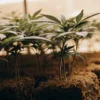
The seedling stage is critical for establishing a strong foundation. During this phase, maintain a temperature of 70°F – 75°F (21°C – 24°C) and humidity around 70% RH. Ensure seedlings receive gentle light, ideally 200-400 µmol/m²/s, to prevent stretching and promote healthy development.
Water seedlings sparingly, using a spray bottle to avoid overwatering. The growing community emphasizes the importance of a light, airy soil mix to encourage root growth. Many cultivators share that this stage lasts about 2-3 weeks, setting the stage for robust vegetative growth.
Vegetative Stage
In the vegetative stage, plants focus on foliage and root development. Increase light intensity to 400-600 µmol/m²/s and maintain a temperature of 70°F – 85°F (21°C – 29°C). Keep humidity between 50-70% RH to support vigorous growth and prevent stress.
Experienced growers report using a nutrient ratio of N:P:K 3:1:2 during this phase. Regular pruning and training techniques like topping and LST (Low-Stress Training) can maximize canopy exposure and enhance yield potential. Avoid nutrient burn by monitoring EC levels, ideally between 1.2-2.0 mS/cm.
Essential Cannabis Growing Equipment
Lighting and Ventilation
Lighting is a cornerstone of successful cannabis cultivation. LED lights are favored for their efficiency and spectrum control, providing 800-1000 µmol/m²/s during flowering. Proper ventilation is equally important, ensuring CO2 levels remain optimal and preventing mold and mildew.
Knowing cannabis growing equipment is crucial for success. Invest in quality fans and carbon filters to manage odor and air quality. Many cultivators share that neglecting ventilation can lead to poor plant health and reduced yields, emphasizing the need for a balanced environment.
Nutrients and Watering Systems
Nutrient management is vital for plant health and productivity. Use a balanced nutrient solution, adjusting ratios as plants transition from vegetative to flowering stages. Automated watering systems can help maintain consistency and prevent overwatering.
Master growers have pointed out that monitoring pH and EC levels is essential for nutrient uptake. Aim for a pH of 6.5 in soil and EC levels of 1.2-2.0 mS/cm. Avoid common mistakes like nutrient lockout by regularly flushing the medium to remove salt buildup.
Best Indoor Grow Setup
Setting Up Your Indoor Grow Kit
Consider investing in a complete cannabis growing kit for beginners, which simplifies the setup process. These kits typically include lights, fans, pots, and nutrients, providing a comprehensive solution for new growers. Ensuring all components work harmoniously is key to a successful grow.
Learn how to optimize your cannabis grow setup for efficiency by arranging equipment to maximize space and airflow. Check our indoor grow setup list for all necessary components, ensuring you have everything needed for a productive grow cycle.
Managing Indoor Climate
Managing indoor climate involves controlling temperature, humidity, and CO2 levels. Use thermostats and hygrometers to monitor conditions, maintaining a stable environment. A well-managed climate promotes healthy growth and maximizes yield potential.
Many cultivators share that consistent climate control prevents stress and enhances plant health. Avoid fluctuations that can lead to hermaphroditism or reduced potency.
Professional Tips for Growing Cannabis
- Maintain 58-62% RH during cure. Below 55% arrests terpene development; above 65% promotes Botrytis within 48h. Check with a calibrated digital hygrometer, never analog.
- Use a 20/4 light schedule for autoflowers to maximize growth. Deviating can stress plants, reducing yield and potency.
- Monitor EC levels of 1.2-2.0 mS/cm during vegetative growth to prevent nutrient burn. Fluctuations can lead to deficiencies or toxicities.
- Keep temperatures between 68°F – 77°F (20°C – 25°C) during flowering. Higher temps can degrade terpenes and cannabinoids, affecting quality.
- Prune lower branches to improve airflow and light penetration. Crowded canopies can harbor mold and pests, reducing overall yield.
- Flush plants 1-2 weeks before harvest to enhance flavor. Residual nutrients can impart harshness, affecting the final product’s taste.
Frequently Asked Questions
What is the ideal light schedule for cannabis?
For photoperiod strains, use an 18/6 light schedule during vegetative growth and switch to 12/12 for flowering. Autoflowering strains thrive on a 20/4 schedule throughout their lifecycle. This balance promotes healthy growth and maximizes yield, ensuring plants receive sufficient light without stress.
What equipment is necessary for indoor cannabis cultivation?
Essential equipment includes LED lights, fans, carbon filters, and a grow tent. You’ll also need pots, a nutrient solution, and a pH meter. A complete cannabis growing kit can simplify setup, providing all necessary components. Proper equipment ensures optimal growth conditions, enhancing plant health and yield.
What is the best way to manage indoor grow climate?
Use thermostats and hygrometers to monitor temperature and humidity, maintaining 68°F – 77°F (20°C – 25°C) and 40-60% RH. Ensure proper ventilation to control CO2 levels and prevent mold. Consistent climate management promotes healthy growth and maximizes yield potential, avoiding stress-related issues.
How do I handle nutrient lockout in cannabis plants?
Nutrient lockout occurs when plants can’t absorb nutrients due to pH imbalances or salt buildup. Flush the medium with pH-balanced water to remove excess salts. Monitor pH levels, keeping them between 6.0 and 7.0, and adjust nutrient ratios to prevent future issues, ensuring healthy growth.