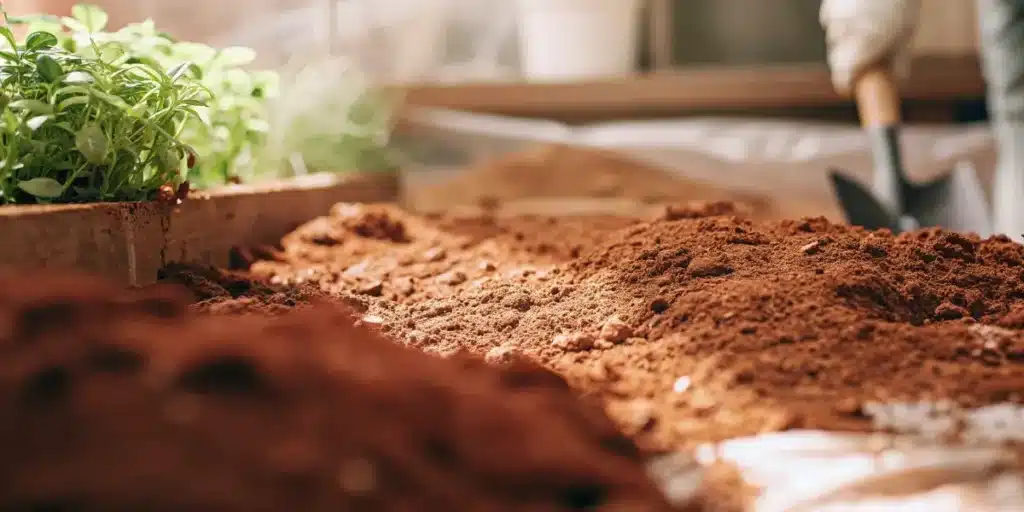
How to Use Coffee Grounds in Soil Effectively

Organic enrichment: Utilizing used coffee grounds in soil enhances its quality by incorporating organic matter and key nutrients such as nitrogen and potassium. These grounds are nearly pH-neutral due to the removal of caffeine and acidity during brewing. To avoid water-repellent layers, thoroughly mix them into the soil or compost. Avoid thick surface applications to ensure optimal soil integration.
Enhancing your garden’s vitality can be as simple as incorporating coffee grounds. These grounds contribute to soil structure and nutrient availability, offering a sustainable way to enrich your garden. By focusing on their unique properties, you can improve soil aeration and water retention, leading to healthier plant growth.
Recommended Strains
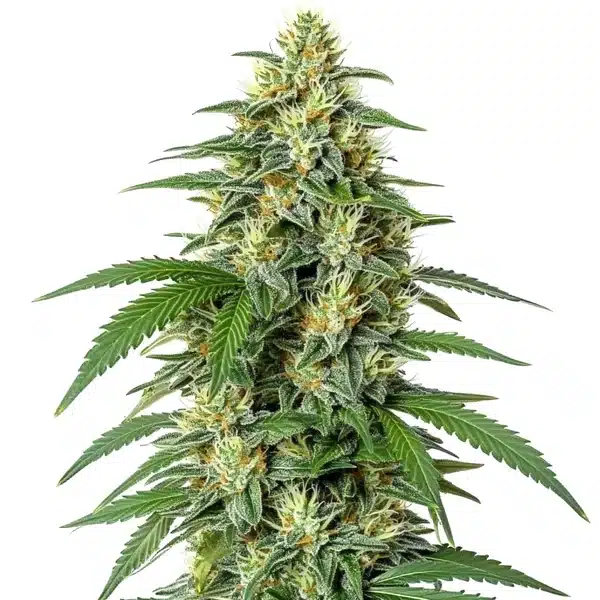
White Widow F1

|
THC | 20% - 21% (Medium) |

|
Type | Feminized F1 |

|
Yield | High |

|
Phenotype | 50% Indica / 50% Sativa |

Afghan Kush
|
|
THC | 16% - 21% (Medium) |
|
|
Type | Feminized |
|
|
Yield | High |
|
|
Phenotype | 90% Indica / 10% Sativa |
Benefits of Using Coffee Grounds in Soil
Nutrient Contributions
Incorporating coffee grounds into your soil can significantly boost its nutrient profile. These grounds provide nitrogen, potassium, and magnesium, essential for plant growth. With nitrogen levels around 2%, they serve as a slow-release fertilizer, enhancing plant vigor over time. This nutrient boost supports robust root development and improves overall plant health.
Experienced growers report that coffee grounds can improve soil pH balance. With a nearly neutral pH of 6.5 to 6.8, they are suitable for a wide range of plants. This balance is crucial for nutrient uptake, ensuring plants receive the necessary elements for optimal growth. Proper pH levels also help prevent nutrient lockout.
Soil Structure Improvement
Adding coffee grounds to your soil can enhance its structure by improving aeration and drainage. The grounds create small air pockets, promoting root growth and preventing compaction. This is particularly beneficial for heavy clay soils, where compaction can impede root expansion and water infiltration.
Many cultivators share that coffee grounds can help retain soil moisture. By increasing organic matter content, they enhance water-holding capacity, reducing the need for frequent watering. This is especially advantageous in sandy soils, where moisture retention is often a challenge.
Promos & Deals



How to Use Coffee Grounds in Soil
Mixing with Compost
To maximize the benefits of coffee grounds, mix them with compost. This combination accelerates decomposition, enriching the compost with nitrogen. Aim for a ratio of 1 part coffee grounds to 3 parts compost. This balance ensures that the compost remains aerated and prevents the grounds from forming a water-repellent crust.
Master growers have pointed out that mixing coffee grounds with compost can enhance microbial activity. The grounds provide a carbon source, stimulating beneficial microorganisms. These microbes break down organic matter, releasing nutrients that are readily available to plants, promoting healthier growth.
Direct Application Techniques
For direct application, sprinkle coffee grounds lightly over the soil surface and work them into the top 6 inches. This method prevents the formation of a crust and ensures even distribution. Apply no more than 0.5 inches of grounds to avoid potential nitrogen immobilization.
Ensure you avoid applying thick layers of coffee grounds directly to the soil. This can lead to water-repellent conditions, hindering plant growth. Instead, incorporate them into the soil or mulch to maintain soil health and prevent any adverse effects.
| Feature | Afghan Kush | Bruce Banner 3 | White Widow F1 |
|---|---|---|---|
| THC Content | 16-21% | 20-29% | 20-21% |
| Dominant Terpene | Myrcene | Myrcene | Humulene |
| Yield Indoor (oz/ft²) | 1.47 – 1.64 oz/ft² | 1.31 – 1.64 oz/ft² | 2.29 – 2.62 oz/ft² |
| Flowering Time | 6-8 weeks | 8-10 weeks | 8-9 weeks |
| Effect | Energetic, Relaxed, Sedative | Happy, Relaxed, Talkative | Euphoric, Creative, Focused |
What Plants Don’t Like Coffee Grounds
Certain plants, particularly those preferring alkaline soils, may not thrive with coffee grounds. These include lavender, rosemary, and some succulents. The acidity of coffee grounds can disrupt the pH balance necessary for these plants, leading to nutrient deficiencies and stunted growth.
In artisanal cultivation circles, it’s noted that plants sensitive to excessive nitrogen, such as tomatoes, can experience leaf burn if coffee grounds are over-applied. Moderation is key to avoiding potential harm and ensuring plant health.
Disadvantages of Coffee Grounds as Fertilizer
While coffee grounds offer numerous benefits, they also have drawbacks. One major disadvantage is their potential to form a crust when applied in thick layers. This crust can repel water, inhibiting soil moisture absorption and affecting plant hydration.
Additionally, the high nitrogen content in coffee grounds can lead to nitrogen immobilization if not balanced with carbon-rich materials. This can temporarily reduce nitrogen availability for plants, impacting growth and development.
Community Insights: Coffee Grounds in Soil Reddit
Reddit users often discuss the benefits and challenges of using coffee grounds in soil. Many highlight the improved soil structure and nutrient availability as key advantages. However, they also caution against overuse, which can lead to soil acidity issues.
In these discussions, users frequently share personal experiences, noting that while coffee grounds can enhance soil health, they should be used judiciously. Balancing with other organic materials is recommended to prevent potential negative effects.
How Often to Apply Coffee Grounds on Plants
Applying coffee grounds to plants should be done sparingly. A monthly application is generally sufficient, providing a steady nutrient supply without overwhelming the soil. This frequency helps maintain soil health and prevents potential nitrogen overload.
Master growers recommend monitoring plant response to coffee grounds. If signs of nutrient imbalance appear, such as yellowing leaves, reduce application frequency and assess soil pH to ensure optimal growing conditions.
Applying Coffee Grounds to Lawn
To apply coffee grounds to your lawn, evenly distribute them using a spreader, aiming for a thin layer of about 0.5 inches. This promotes even nutrient distribution and prevents clumping, which can hinder grass growth.
Ensure that coffee grounds are thoroughly watered in after application. This helps integrate the grounds into the soil, enhancing nutrient availability and supporting healthy lawn development.

Professional Tips for Using Coffee Grounds in Soil
- Maintain a 1:3 ratio of coffee grounds to compost to prevent nitrogen immobilization and enhance microbial activity.
- Avoid applying more than 0.5 inches of coffee grounds directly to soil to prevent water-repellent crust formation.
- Monitor soil pH regularly to ensure it remains between 6.5 and 6.8, ideal for most plants.
- Use coffee grounds as a mulch alternative to improve soil moisture retention and reduce the need for frequent watering.
- Incorporate coffee grounds into sandy soils to enhance water-holding capacity and prevent nutrient leaching.
- Balance coffee grounds with carbon-rich materials to maintain soil nutrient balance and prevent nitrogen lockout.
FAQs About Coffee Grounds in Soil
Can I add coffee grounds directly to the soil?
Yes, you can add coffee grounds directly to the soil, but it’s best to mix them into the top 6 inches. This prevents crust formation and ensures even nutrient distribution. Apply no more than 0.5 inches thick to avoid nitrogen immobilization and maintain soil health.
Which plants do not like coffee grounds?
Plants that prefer alkaline soils, such as lavender and rosemary, do not thrive with coffee grounds. The acidity can disrupt pH balance, leading to nutrient deficiencies. Monitor soil pH and adjust accordingly to ensure optimal plant health.
Which plants do not like coffee?
Plants sensitive to high nitrogen levels, like tomatoes, may not respond well to coffee grounds. Excessive nitrogen can cause leaf burn and nutrient imbalances. Use coffee grounds sparingly and balance with other organic materials to prevent adverse effects.
What animals will coffee grounds keep away?
Coffee grounds can help deter pests like slugs and snails due to their abrasive texture and caffeine content. Scatter grounds around plants as a natural barrier. However, they are not a foolproof solution and should be part of an integrated pest management strategy.
How to store coffee grounds for gardening?
Store coffee grounds in an airtight container to prevent mold growth. Keep them in a cool, dry place, ideally at 60-70°F (15-21°C). Use within a month to ensure freshness and nutrient availability. Proper storage maintains their effectiveness as a soil amendment.