Coco Coir Growing Medium: Benefits and Uses

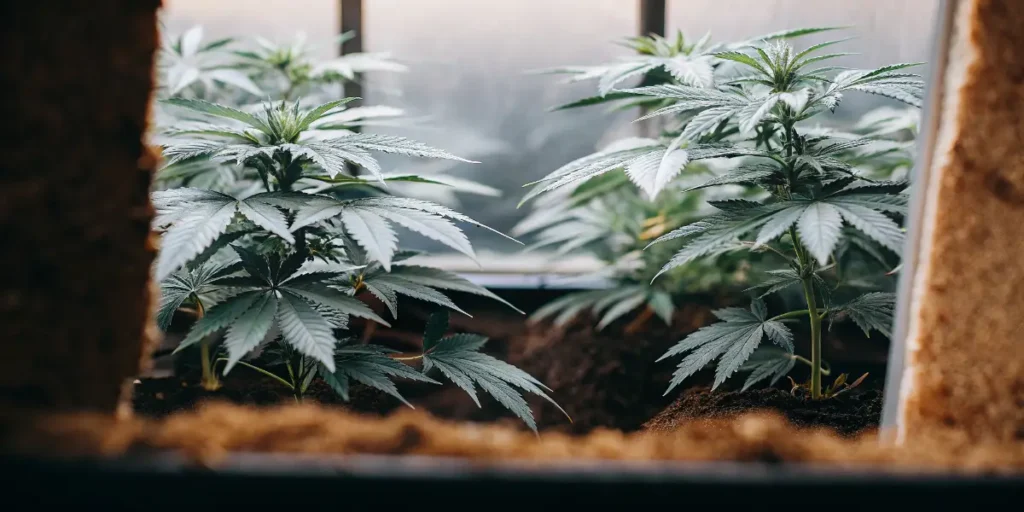
Coco Coir’s Key Benefits: Coco coir is an eco-friendly, organic growing medium derived from coconut husks. It boasts high water retention, excellent aeration, and a near-neutral pH, making it an ideal alternative to peat moss. This sustainable medium supports robust plant growth in both soil mixes and hydroponic systems, providing a versatile option for gardeners seeking an environmentally conscious solution.
Coco coir is gaining popularity among growers for its unique properties. Unlike traditional soil, it offers enhanced oxygenation and moisture retention, key for optimal plant health. With a typical pH range of 5.5 to 6.5, coco coir is perfect for cannabis cultivation, ensuring nutrient availability. Its natural antifungal properties also reduce the risk of root diseases, making it a preferred choice for many cultivators.
Recommended Strains
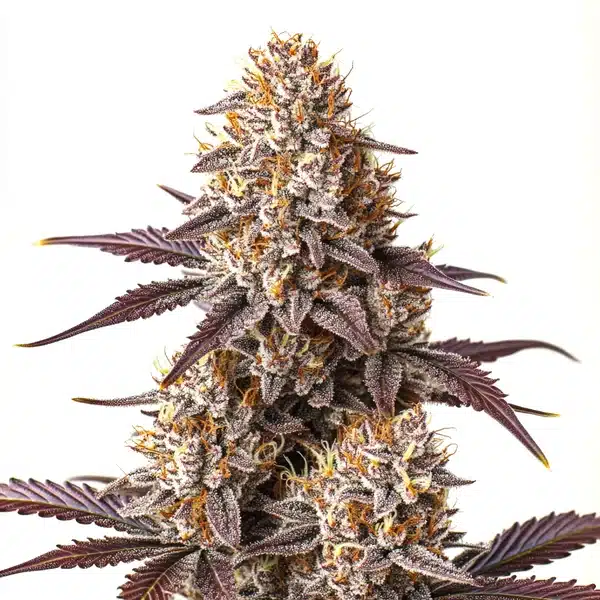
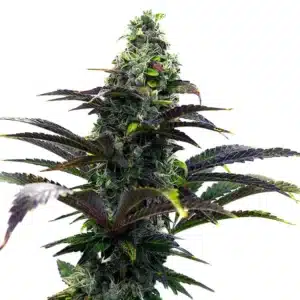
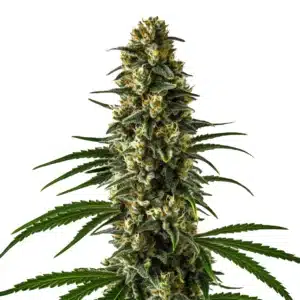
Critical Bilbo Auto

|
THC | 12% - 14% (Low) |

|
Type | Autoflowering |

|
Yield | High |

|
Phenotype | 75% Indica / 25% Sativa |

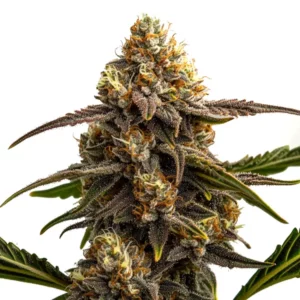
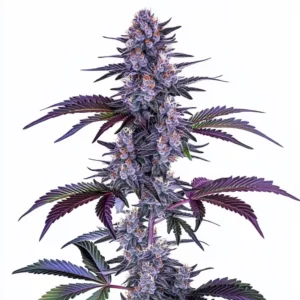
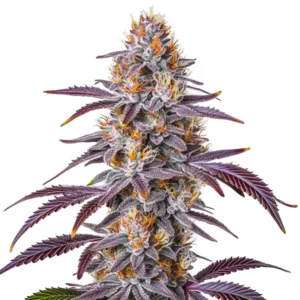
Tropicana Cookies Purple
|
|
THC | 21% - 22% (Medium) |
|
|
Type | Feminized |
|
|
Yield | High |
|
|
Phenotype | 55% Indica / 45% Sativa |
What is Coco Coir?
Composition and Properties
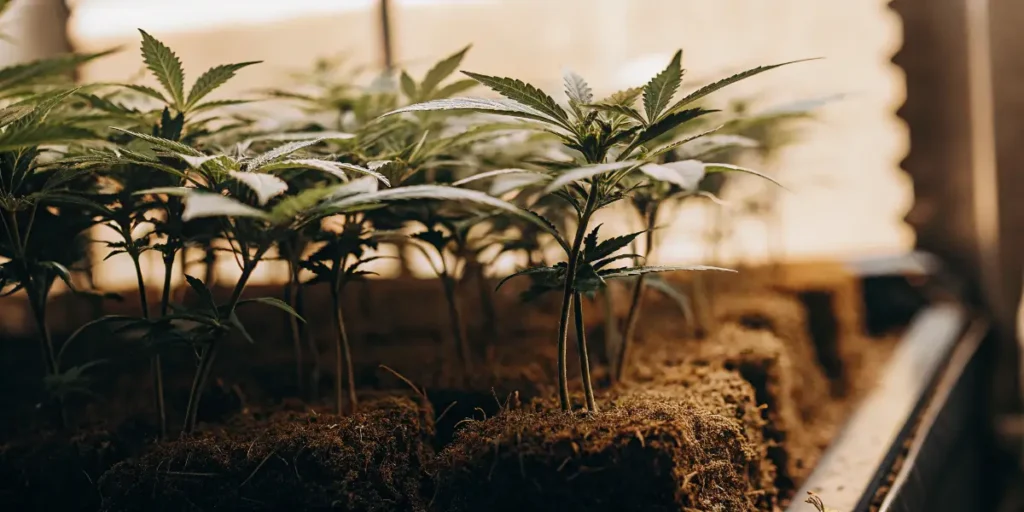
Coco coir is composed of fibrous coconut husks, which are processed to create a lightweight, porous growing medium. This material is known for its ability to retain water while providing excellent drainage and aeration. The structure of coco coir allows roots to access oxygen more efficiently, promoting vigorous growth and healthier plants.
The pH level of coco coir typically ranges from 5.5 to 6.5, which is ideal for most plants, including cannabis. This near-neutral pH ensures that nutrients remain available for uptake, preventing nutrient lockout. Additionally, coco coir’s natural antifungal properties help protect roots from pathogens, reducing the risk of root rot and other diseases.
Practical Application & Impact
When using coco coir, it’s essential to prepare it correctly to maximize its benefits. Start by soaking coco coir bricks in water to expand them before use. This process ensures the medium is fully hydrated and ready for planting. Coco coir is available for sale in various forms, including bricks and loose bags, from retailers like Home Depot.
Experienced growers often recommend mixing coco coir with perlite or vermiculite to enhance its aeration properties further. This combination improves drainage, preventing waterlogging and promoting healthy root development. Many users on platforms like Reddit discuss their experiences with coco coir, highlighting its effectiveness in various growing setups.
Promos & Deals


Benefits of Using Coco Coir as a Growing Medium
Environmental and Cultivation Advantages
Coco coir is a sustainable choice for growers looking to reduce their environmental impact. Unlike peat moss, which is harvested from non-renewable sources, coco coir is a byproduct of the coconut industry, making it a renewable resource. This eco-friendly aspect is a significant selling point for environmentally conscious gardeners.
Reviews often highlight the sustainability and effectiveness of coco coir, noting its ability to improve plant health and yield. The medium’s high cation exchange capacity (CEC) allows it to hold and release nutrients efficiently, ensuring plants receive the necessary nutrients over time. This property is particularly beneficial in hydroponic systems, where nutrient management is crucial.
Hydroponic Applications
In hydroponics, coco coir is a preferred medium due to its ability to retain moisture while providing excellent drainage. This balance is critical in hydroponic systems, where overwatering can lead to root issues. Coco coir’s structure supports root aeration, promoting healthy growth and reducing the risk of diseases.
Coco grow medium hydroponics setups benefit from coco coir’s natural properties, which help maintain a stable root environment. This medium is often used in conjunction with other hydroponic substrates to enhance performance. Growers appreciate coco coir for its versatility and ease of use in various hydroponic configurations.
| Feature | Tropicana Cookies Purple | Purple Gelato Auto | Critical Bilbo Auto |
|---|---|---|---|
| THC % | 21-22% | 20-25% | 12-14% |
| Dominant Terpene | Limonene | Linalool | Caryophyllene |
| Flavor Profile | Fruity, Hashish, Incense, Sweet | Earthy, Floral, Spicy, Sweet | Fruity, Skunk, Sweet |
| Yield Indoor | 1.31 – 1.8 oz/ft² | 400 – 550 g/m² | 1.15 – 1.47 oz/ft² | 350 – 450 g/m² | 1.8 – 1.97 oz/ft² | 550 – 600 g/m² |
| Flowering Time (weeks) | 9-10 | 8-10 | 8-10 |
How to Use Coco Coir Growing Medium
Preparing Coco Coir for Planting
To use coconut coir for plants, start by soaking the coir bricks in water until they expand fully. This process rehydrates the coir, making it ready for planting. Coco coir bricks are a convenient form for storage and transport, allowing growers to prepare only the amount needed for their specific cultivation setup.
When purchasing coco coir for sale, ensure it is pre-washed and pH balanced. This preparation step is crucial to remove salts and other impurities that can affect plant growth. Many retailers, including Home Depot, offer coco coir products suitable for various gardening applications.
Coco Coir in Hydroponics
Coco coir is widely used in hydroponic systems due to its water retention and aeration properties. It provides a stable environment for roots, preventing overwatering and promoting healthy growth. In hydroponics, coco coir can be used alone or mixed with other substrates to enhance its performance.
Growers using coco grow medium hydroponics setups benefit from its ability to maintain consistent moisture levels. This property is essential for preventing root rot and other water-related issues. Coco coir’s versatility makes it a popular choice for both novice and experienced hydroponic growers.
Coco Coir vs Other Growing Mediums
Comparative Analysis
When comparing coco coir to other growing mediums like peat moss and rock wool, several factors stand out. Coco coir is more sustainable than peat moss, as it is a byproduct of the coconut industry. Additionally, its pH stability and water retention capabilities make it superior in hydroponic applications compared to rock wool.
While coco coir offers numerous benefits, it’s essential to consider its specific use case. For instance, coco coir is ideal for cannabis cultivation due to its pH range and nutrient retention. However, in some cases, growers might prefer rock wool for its inert properties, especially in sterile environments.
Practical Considerations
When selecting a growing medium, consider the specific needs of your plants and growing environment. Coco coir is an excellent choice for those seeking an eco-friendly option with superior water retention and aeration. However, it’s crucial to monitor nutrient levels closely, as coco coir can retain salts that may affect plant health if not managed properly.
Many cultivators share that coco coir’s ability to support robust root development makes it a preferred choice for both soil and hydroponic systems. Its versatility allows it to be used in various growing setups, providing flexibility for growers to adapt their methods as needed.
Common Questions About Coco Coir
Is Coco Coir a Good Growing Medium?
Coco coir is an excellent growing medium due to its sustainability and versatility. It offers high water retention and aeration, making it ideal for various plants, including cannabis. With a typical pH range of 5.5 to 6.5, coco coir supports nutrient uptake, promoting healthy plant growth. Its natural antifungal properties further enhance its appeal.
What Are the Downsides of Using Coco Coir?
While coco coir is beneficial, it can retain salts, potentially affecting plant health if not properly managed. Regular flushing is recommended to prevent salt buildup. Additionally, coco coir requires initial preparation, such as soaking and pH adjustment, to ensure optimal performance. Despite these challenges, its benefits often outweigh the downsides.
Can You Grow in Straight Coco Coir?
Yes, you can grow plants directly in coco coir. However, it’s often mixed with perlite or vermiculite to improve aeration and drainage. This combination enhances root development and prevents waterlogging. When using straight coco coir, ensure it’s well-prepared and regularly flushed to maintain nutrient balance and prevent salt buildup.
What Plants Don’t Like Coco Coir?
While coco coir suits many plants, those preferring alkaline conditions, such as lavender, may not thrive. Coco coir’s pH range of 5.5 to 6.5 is slightly acidic, which can hinder growth in plants that require more alkaline soil. It’s crucial to monitor pH levels and adjust as necessary for optimal plant health.
How to Store Coco Coir Properly?
Store coco coir in a cool, dry place to prevent mold and degradation. Keep it in airtight containers or sealed bags to maintain its quality. Proper storage ensures coco coir retains its beneficial properties, such as water retention and aeration. Avoid exposure to moisture, which can lead to premature expansion and reduced effectiveness.