Unlocking the Best Ways to Use THCA

Best ways to use THCA: THCA is a versatile compound offering non-psychoactive benefits and potential conversion to THC through heat. It is known for its anti-inflammatory properties, with studies indicating up to 25% effectiveness in reducing inflammation. Users can smoke, vape, or consume it in edibles for varied effects. Understanding these methods allows for tailored cannabis experiences.
THCA, or tetrahydrocannabinolic acid, is a non-psychoactive cannabinoid found in raw cannabis, known for its therapeutic benefits like anti-inflammatory effects. Unlike THC, THCA doesn’t cause a high unless heated. For those seeking medicinal benefits, THCA can be consumed raw or infused into oils. Understanding its consumption methods enhances both recreational and medicinal cannabis use.
Recommended Strains

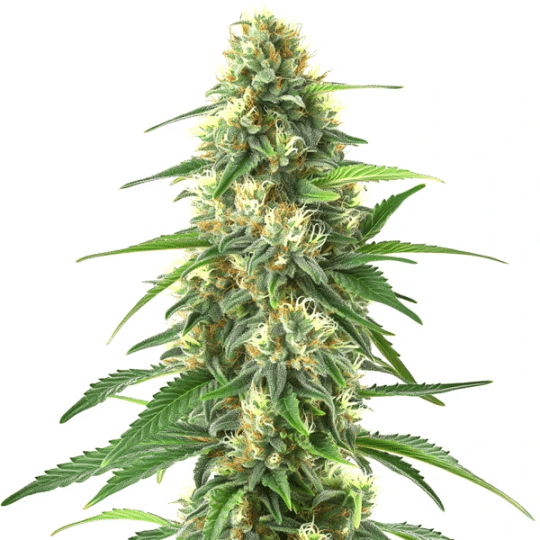
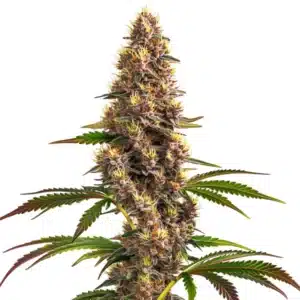
Colombian Gold

|
THC | 16% - 19% (Medium) |

|
Type | Feminized |

|
Yield | Medium |

|
Phenotype | 25% Indica / 75% Sativa |
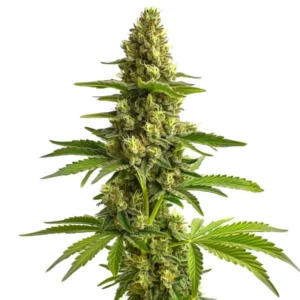
Colombian Gold Auto
|
|
THC | 21% - 25% (High) |
|
|
Type | Autoflowering |
|
|
Yield | High |
|
|
Phenotype | 25% Indica / 75% Sativa |
THCA and THC: A Closer Look
THCA vs. THC: Key Differences
THCA and THC are chemically similar but differ significantly in their effects. THCA, found in raw cannabis, remains non-psychoactive until decarboxylated. This process converts THCA into THC, the compound responsible for the cannabis high. THCA offers therapeutic benefits without psychoactivity, making it ideal for those seeking relief without intoxication.
Decarboxylation occurs at temperatures around 220°F (105°C), transforming THCA into THC. This conversion is crucial for those looking to experience the psychoactive effects of cannabis. Without this process, THCA remains inactive in terms of causing a high.
Practical Applications of THCA
THCA’s non-psychoactive nature makes it suitable for use in smoothies and juices, providing health benefits without a high. Its anti-inflammatory properties are beneficial for conditions like arthritis. For psychoactive effects, users must heat THCA through smoking or cooking, converting it to THC.
To maximize THCA’s benefits, consider its form and intended use. Raw consumption provides therapeutic effects, while heating activates its psychoactive properties. This versatility allows users to tailor their cannabis experience to their needs.
Promos & Deals
Best Methods to Use THCA
Smoking and Vaping THCA
Smoking THCA flower is a popular method for those seeking immediate effects. The heat from combustion converts THCA to THC, delivering a rapid onset of effects. For best results, use strains with high THCA content, such as Gorilla Glue X Do Si Dos, which offers a potent experience.
Vaping provides a smoother alternative, allowing precise temperature control to optimize THCA conversion. Devices like dry herb vaporizers preserve terpenes, enhancing flavor while minimizing harshness. This method is ideal for health-conscious users seeking a cleaner experience.
Using THCA in Edibles
To incorporate THCA into edibles, decarboxylate the flower by heating it at 220°F (105°C) for 30-40 minutes. This process activates THCA, making it psychoactive. Infuse decarboxylated cannabis into oils or butters for versatile use in recipes.
THCA-infused oils can be used in a variety of dishes, from baked goods to savory meals. This method allows for discreet consumption, providing long-lasting effects. Be cautious with dosage, as edibles can be potent and take time to onset.
THCA Oils and Tinctures
THCA oils and tinctures offer a convenient way to consume THCA without smoking. These products can be used sublingually or added to foods and drinks. They provide precise dosing and are ideal for those who prefer not to inhale cannabis. THCA oil can also be used topically for localized relief.
THCA Topicals
For those seeking localized relief without psychoactive effects, THCA-infused topicals are an excellent choice. These products can be applied directly to the skin, providing anti-inflammatory benefits for conditions like arthritis or muscle pain. Combining THCA with carrier oils like coconut oil enhances absorption and efficacy.
| Feature / Merkmal | Smoking THCA | Vaping THCA | THCA Edibles |
|---|---|---|---|
| Onset Time | 1-5 minutes | 5-10 minutes | 30-90 minutes |
| Duration | 2-3 hours | 2-4 hours | 4-8 hours |
| Potency Control | Moderate | High | Variable |
| Flavor Preservation | Low | High | Medium |
| Discretion | Low | Medium | High |
Top Strains for THCA Consumption
Choosing the right strain enhances your THCA experience. Here are some top picks from Blimburn Seeds:
- Gorilla Glue X Do Si Dos: With 22-26% THC, this strain is rich in caryophyllene, offering a spicy, peppery aroma. Its balanced effects are perfect for relaxation and stress relief.
- Bruce Banner X Mochalope: This hybrid boasts 20-24% THC and myrcene, providing earthy, musky undertones. Known for its uplifting effects, it’s ideal for creative endeavors.
- Amnesia X Nicole Kush: Featuring 18-22% THC, it contains limonene, delivering citrusy, refreshing notes. Its energizing effects make it suitable for daytime use.
- Alien Gorilla Glue: With 24-28% THC, this strain is high in pinene, offering piney, fresh aromas. It provides a potent, cerebral high, perfect for evening relaxation.
- Blue Cookies: This strain offers 20-24% THC and linalool, giving floral, lavender scents. Known for its calming effects, it’s great for unwinding after a long day.
Expert Tips for Using THCA
- Start with a low dose of 5-10mg THCA in edibles to gauge effects. Overconsumption can lead to prolonged psychoactive experiences.
- Maintain storage at 59-70°F (15-21°C) to preserve THCA potency. Avoid exposure to light and air to prevent degradation.
- Use a vaporizer set between 315-430°F (157-221°C) for optimal THCA conversion without burning terpenes.
- Check for high caryophyllene content if seeking anti-inflammatory benefits. This terpene works synergistically with THCA.
- Consume THCA-infused oils within 6-12 months for best potency. Store in amber glass to extend shelf life.
- For topical applications, blend THCA with coconut oil to enhance skin absorption and therapeutic effects.
FAQs About THCA
What is the best way to use THCA?
The best way to use THCA depends on your goals. For non-psychoactive benefits, consume raw THCA in juices or smoothies. For psychoactive effects, decarboxylate and use in edibles or smoke. Each method offers different onset times and effects, with edibles lasting up to 8 hours.
What is the best way to activate THCA?
To activate THCA, decarboxylate it by heating at 220°F (105°C) for 30-40 minutes. This process converts THCA to THC, enabling psychoactive effects. Proper activation ensures potency in edibles and maximizes therapeutic benefits. Avoid overheating, which can degrade cannabinoids.
How to get the most out of THCA flower?
To maximize THCA flower, use a vaporizer to preserve terpenes and control temperature. This method ensures efficient conversion to THC while maintaining flavor. Store flower at 59-70°F (15-21°C) in airtight containers to prevent degradation and maintain potency.
Should I heat THCA before smoking?
Yes, heating THCA before smoking is essential to convert it to THC and experience psychoactive effects. Smoking provides immediate onset, with effects lasting 2-3 hours. Ensure proper decarboxylation by maintaining adequate heat during combustion.
Can THCA be used in topicals?
THCA can be used in topicals for localized relief without psychoactive effects. Its anti-inflammatory properties make it effective for joint pain and skin conditions. Combine THCA with carrier oils like coconut oil for enhanced absorption and therapeutic benefits.