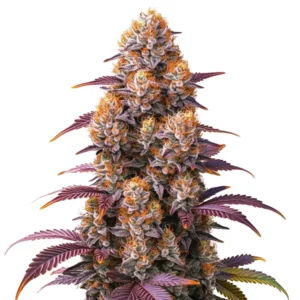
Top Organic Nutrients for Flowering Cannabis

Optimal Organic Nutrients for Cannabis Flowering: Selecting the best organic nutrients for flowering cannabis can significantly enhance plant health and yield. During this stage, nutrients like phosphorus and potassium are crucial for robust flower development. Organic options such as bone meal and fish emulsion provide these essential nutrients while promoting sustainable growing practices. These choices ensure a bountiful harvest with improved flavor and aroma.
Choosing the right organic nutrients during the flowering stage is crucial for the development of potent, flavorful buds. Terpenes, which contribute to aroma and flavor, are influenced by nutrient availability. Ensuring a balanced nutrient profile can enhance terpene production and overall plant health, leading to a more rewarding harvest. Understanding these dynamics is key to successful cannabis cultivation.
Recommended Strains

Blue Cheese

|
THC | 16% - 20% (Medium) |

|
Type | Feminized |

|
Yield | High |

|
Phenotype | 80% Indica / 20% Sativa |

Blue Cheese Autoflower
|
|
THC | 14% - 16% (Medium) |
|
|
Type | Autoflowering |
|
|
Yield | High |
|
|
Phenotype | 80% Indica / 20% Sativa |
Key Nutrients for Flowering Stage
The Role of Phosphorus and Potassium
Phosphorus and potassium are vital during the flowering stage, promoting root development and flower formation. Phosphorus aids in energy transfer and genetic material synthesis, while potassium enhances water regulation and enzyme activation. Optimal levels of these nutrients ensure robust flowering, leading to increased yields and improved bud quality.
For effective nutrient absorption, maintain soil pH between 6.5 and 7.0 and ensure irrigation water is at pH 6.0. This range optimizes nutrient uptake, preventing deficiencies that can stunt growth. Regularly monitor pH levels using a reliable meter to avoid nutrient lockout, which can occur if pH deviates from this range.
Balancing Nitrogen in Flowering
While nitrogen is essential for vegetative growth, its role diminishes during flowering. Excess nitrogen can delay flowering and reduce bud density. Transition to a nutrient mix with lower nitrogen levels and higher phosphorus and potassium concentrations, such as a 1:3:2 NPK ratio, to support flowering.
Monitor leaf color for signs of nitrogen deficiency, such as yellowing lower leaves, indicating nutrient translocation to new growth. Adjust nutrient applications accordingly to maintain plant health and maximize bud development. Avoid excessive nitrogen, which can lead to nutrient burn and reduced yields.
Promos & Deals




Top Organic Fertilizers for Cannabis
Liquid vs. Solid Fertilizers
Liquid fertilizers provide immediate nutrient availability, ideal for addressing deficiencies quickly. They are mixed with irrigation water and applied directly to the soil, ensuring rapid uptake. However, overuse can lead to nutrient excess, so allow two to three days between applications to prevent buildup.
Solid fertilizers, like bat guano, release nutrients slowly, integrating into the soil over approximately 30 days. This gradual release supports sustained nutrient availability, reducing the risk of over-fertilization. Mix solid fertilizers into the soil at planting to establish a nutrient-rich environment from the start.
Enhancing Soil Health with Organic Options
Organic fertilizers, such as bone meal and fish emulsion, improve soil structure and microbial activity. Bone meal, rich in phosphorus, is particularly effective during flowering, enhancing root and flower development. Fish emulsion provides a broad nutrient spectrum, supporting overall plant health.
Incorporate earthworm castings and kelp meal to boost soil fertility and nutrient uptake. Earthworm castings introduce beneficial microbes, while kelp meal enhances root growth and stress resilience. These organic amendments create a thriving soil ecosystem, promoting healthy, vigorous plants.
Optimizing Cannabis Flowering with Organic Nutrients
Organic nutrients for cannabis flowering not only improve plant health but also contribute to environmental sustainability. Using organic fertilizers like compost tea, which is rich in beneficial bacteria and fungi, can significantly enhance nutrient availability and plant resilience. This method supports the natural cycles of the soil ecosystem, promoting a balanced and healthy growing environment.
Additionally, organic cannabis nutrients such as alfalfa meal and neem cake provide essential micronutrients and pest resistance, respectively. Alfalfa meal contains triacontanol, a natural growth stimulant, while neem cake acts as a natural pesticide, protecting plants from harmful insects without the use of synthetic chemicals.
| Feature | Bone Meal | Fish Emulsion | Earthworm Castings |
|---|---|---|---|
| Phosphorus Content | 15% | 5% | 2% |
| Nutrient Release Time | 30 days | Immediate | 30 days |
| Microbial Activity Boost | Moderate | High | Very High |
| Application Method | Soil Mix | Water Soluble | Soil Mix |
| Environmental Impact | Low | Moderate | Low |
Enhancing Flowering with Natural Additives
Importance of pH Levels
Maintaining optimal pH levels is crucial for nutrient absorption. Soil pH should remain between 6.5 and 7.0, while irrigation water should be at pH 6.0. Deviations can lead to nutrient lockout, where plants cannot access essential nutrients despite their presence in the soil.
Regularly test soil and water pH using a digital meter for accuracy. Adjust pH levels with lime to raise or sulfur to lower soil pH. Ensure liquid fertilizers do not alter water pH significantly, which could disrupt nutrient uptake and affect plant health.
Natural Additives for Enhanced Growth
Incorporate natural additives like molasses and mycorrhizal fungi to boost flowering. Molasses provides sugars that fuel beneficial microbes, enhancing soil fertility and nutrient availability. Mycorrhizal fungi form symbiotic relationships with roots, improving nutrient and water uptake.
Use neem cake to deter pests naturally while enriching soil with nutrients. Green manure, when tilled into the soil, adds organic matter and improves structure, supporting healthy root development. These additives create a balanced ecosystem, promoting vigorous flowering and robust plant growth.
Professional Tips for Optimal Flowering
- Maintain soil pH between 6.5 and 7.0 to optimize nutrient uptake. Deviations can lead to nutrient lockout, reducing plant health and yield.
- Use liquid fertilizers sparingly, allowing two to three days between applications to prevent nutrient buildup and potential plant stress.
- Monitor leaf color for signs of nutrient deficiencies, such as yellowing lower leaves, indicating the need for nutrient adjustments.
- Incorporate earthworm castings to boost microbial activity, enhancing soil fertility and plant resilience.
- Adjust nitrogen levels during flowering to prevent excess, which can delay flowering and reduce bud density.
- Regularly test irrigation water pH after adding liquid fertilizers to ensure it remains at pH 6.0 for effective nutrient delivery.

FAQs on Organic Nutrients for Flowering
What is the best natural fertilizer for flowering plants?
Bone meal is highly regarded for flowering plants due to its high phosphorus content, around 15%. This nutrient is crucial for root and flower development. Incorporating bone meal into your soil mix can significantly enhance flowering, leading to larger, more robust buds.
What is the best flowering nutrient?
Phosphorus is the best nutrient for flowering, essential for energy transfer and genetic material synthesis. Ensuring adequate phosphorus levels, typically in a 1:3:2 NPK ratio, supports robust flower development and increased yields.
What nutrient helps flowers bloom more?
Potassium is vital for enhancing flower bloom, aiding in water regulation and enzyme activation. Maintaining a balanced nutrient profile with sufficient potassium, around 2% in your mix, ensures healthy, vibrant blooms.
How to fatten up buds during flowering?
To fatten buds, ensure optimal phosphorus and potassium levels, maintain soil pH between 6.5 and 7.0, and use natural additives like molasses to boost microbial activity. These practices enhance nutrient uptake and support robust bud development.
Can organic nutrients affect cannabis flavor?
Yes, organic nutrients can enhance cannabis flavor by improving soil health and terpene production. Organic matter in fertilizers boosts microbial activity, leading to richer, more aromatic buds with improved taste profiles.