Hydrogen Peroxide for Cannabis: Safe Usage Explained

Quick answer: hydrogen peroxide (H2O2) is a useful, affordable tool for cannabis growers. Diluted, it adds oxygen to the root zone, helps fight root rot and some pathogens, aids seed germination and sterilizes tools. It must always be diluted and used carefully, since too strong a solution can harm roots, leaves and beneficial microbes.
Below we cover what it does, how much to use, how to apply it safely and its risks and alternatives.
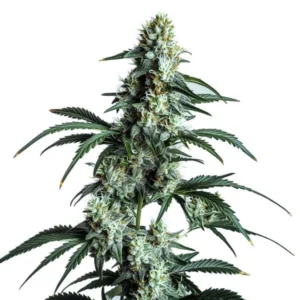
Recommended Strains

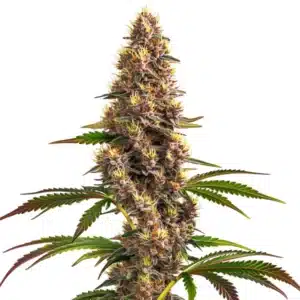
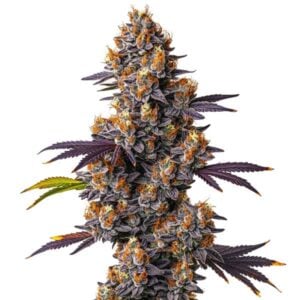
Permanent Marker

|
Type | Feminized |

|
THC | 32% - 34% (High) |

|
Phenotype | 50% Indica / 50% Sativa |

|
Yield | High |

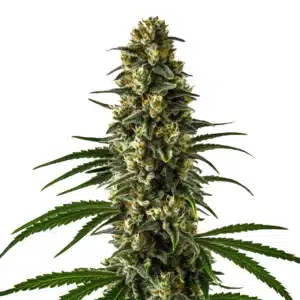
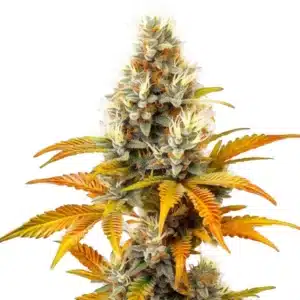
Permanent Marker Auto
|
|
Type | Autoflowering |
|
|
THC | 32% - 34% (High) |
|
|
Phenotype | 50% Indica / 50% Sativa |
|
|
Yield | High |
What Is Hydrogen Peroxide and Why Use It?
Hydrogen peroxide is water with an extra oxygen atom (H2O2). That extra oxygen makes it a mild oxidizer: it breaks down into water and oxygen, releasing oxygen that can benefit roots and kill some pathogens on contact. Growers use the common 3% household strength, always diluted, for a range of garden tasks.
Benefits for Cannabis
Used correctly, H2O2 can oxygenate the root zone and discourage root rot, help clean and sterilize tools and surfaces, assist seed germination by softening the shell and reducing pathogens, and tackle some fungal or pest issues. It is cheap, breaks down into harmless water and oxygen, and leaves no lasting residue when used properly.
Promos & Deals
How Much Hydrogen Peroxide to Use
Always dilute. The figures below are common starting guidelines using 3% hydrogen peroxide. Start weaker, test on a few plants, and never apply concentrated peroxide directly to plants.
For Soil and Root Health
A common ratio is around one teaspoon of 3% hydrogen peroxide per cup of water (roughly 5 ml per 240 ml) as an occasional root drench to add oxygen and discourage rot. Use it sparingly, not with every watering, since overuse can harm beneficial soil life.
For Pest and Disease Control
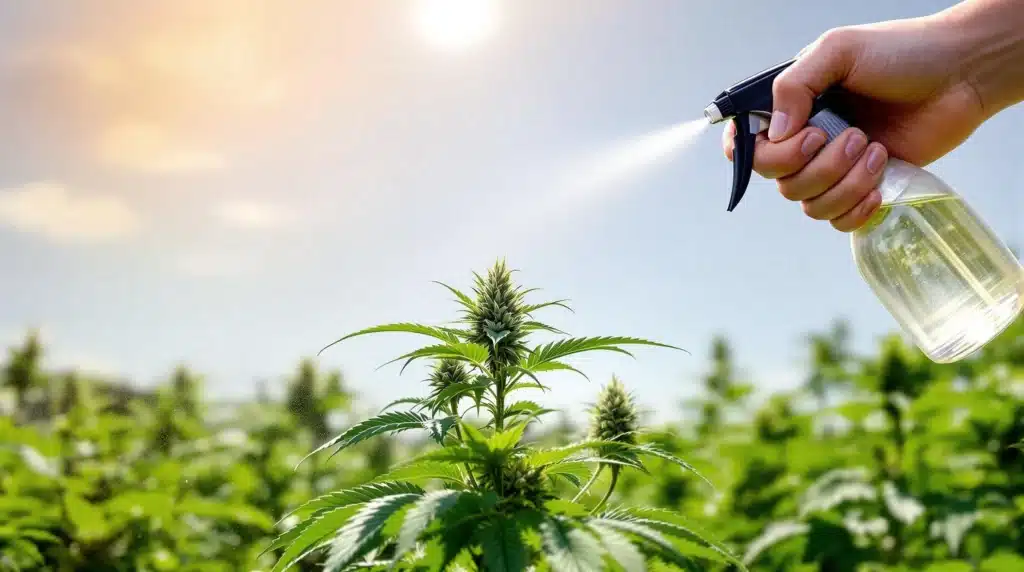
A mild diluted spray can help with some surface pests and fungal spots, but test on a small area first, since peroxide can burn leaves. Avoid spraying in strong light or heat, and never use it near harvest on buds you plan to smoke without good reason.
For Seed Germination
A very dilute solution can help germination by softening the seed coat and reducing pathogens. A brief soak in heavily diluted peroxide, followed by your normal germination method, is the usual approach. Keep concentrations low to avoid damaging the seed.
For Tools and Surfaces
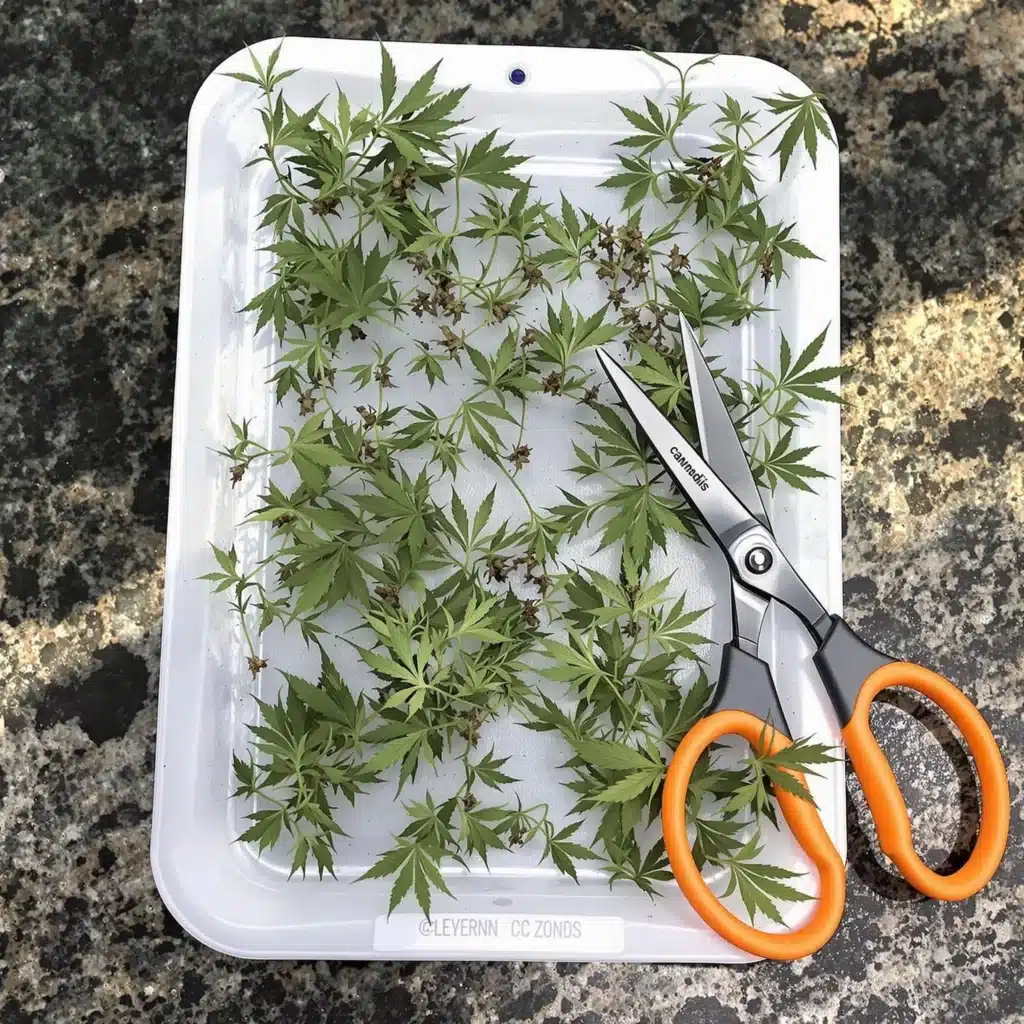
Hydrogen peroxide is excellent for sterilizing scissors, trays, pots and grow-room surfaces between uses. Wipe or soak clean tools in a diluted solution to kill lingering pathogens and reduce the spread of disease. This is one of its safest, most reliable uses.
How to Use Hydrogen Peroxide Safely
Always dilute, always test first on a small area, and increase strength only if needed. Wear gloves and eye protection when handling it, keep it away from children and pets, and store it cool and dark, since light degrades it. Do not mix it with nutrients that contain beneficial microbes, and avoid heavy use that can harm soil life. When in doubt, use less.
Common Uses at a Glance
The most popular grower uses are: root-zone oxygenation and rot prevention, tool and surface sterilization, seed germination support, and occasional pest or fungus spot-treatment. Each uses a different dilution, so match the strength to the task rather than using one mix for everything.
Using Hydrogen Peroxide for Foliar Sprays
As a foliar spray, a well-diluted solution can address some surface mold or pests. Spray lightly, in low light, and test first, since peroxide can scorch leaves. Avoid spraying flowering buds where possible, as it can affect trichomes and taste. Rinse is not needed if very dilute, but less is safer.
Hydrogen Peroxide for Cloning
In cloning and especially hydroponic or water-based setups, a little diluted peroxide can keep water oxygenated and reduce pathogens that cause stem rot. Use a low concentration and monitor your cuttings, since too much can stress tender new roots. Clean equipment plus mild peroxide gives cuttings a healthier start.
Hydrogen Peroxide Outdoors
Outdoors, peroxide is handy after heavy rain or overwatering to re-oxygenate soggy soil and discourage root rot, and for cleaning tools between plants. Because outdoor conditions vary, use it as an occasional corrective rather than a routine, and always dilute. It is a useful part of a wider healthy-soil approach, not a cure-all.
Hydrogen Peroxide and Harvest Preparation
Some growers use a very dilute peroxide rinse to clean harvested buds of dust, mold spores or residue, often as a bud wash followed by careful drying. This is optional and must be done gently and then dried thoroughly to avoid trapping moisture. Many prefer a plain water wash; if you use peroxide, keep it very dilute.
Potential Risks
The main risks come from using it too strong or too often: leaf burn, root damage, and harm to the beneficial microbes that living soil depends on. Concentrated peroxide is also an irritant to skin and eyes. Treat it as a targeted tool, not a daily additive, and always dilute to protect both your plants and your soil life.
Alternatives to Hydrogen Peroxide
Alternatives include beneficial microbe products that outcompete pathogens, proper watering and drainage to prevent root rot in the first place, good airflow to limit mold, and gentle organic pest controls. For many growers, prevention and healthy soil biology reduce the need for peroxide to occasional, targeted use.
Cleaning Grow Mediums
Diluted hydrogen peroxide can help clean and reset reusable media like clay pebbles between grows, killing leftover pathogens. Rinse thoroughly afterward before reusing. For soil, avoid routine peroxide, since it harms the living biology you want to keep; reserve it for correcting problems.
| Use | Guideline (3% H2O2) | Notes |
|---|---|---|
| Root drench | ~1 tsp per cup of water | Occasional, not every watering |
| Seed germination | Very dilute soak | Brief; then normal method |
| Foliar/pest spot-spray | Heavily diluted | Test first; avoid buds |
| Tools/surfaces | Diluted wipe or soak | Safest use |

FAQs About Hydrogen Peroxide for Cannabis
Can I use hydrogen peroxide for hydroponic cannabis systems?
Yes. In hydroponics, a small amount of diluted hydrogen peroxide can oxygenate the reservoir and reduce root pathogens. Use a low concentration and monitor roots, since too much harms beneficial microbes and tender roots. Many growers prefer dedicated beneficial-microbe products for ongoing use and reserve peroxide for resetting a problem system.
Is it safe to spray hydrogen peroxide on cannabis buds?
It is possible but risky. A very dilute spray can tackle surface mold, but peroxide can damage trichomes and affect flavor, and spraying buds late in flower is best avoided. Fix the underlying humidity and airflow instead. If you must, keep it very dilute, test first, and dry thoroughly.
How often should I use hydrogen peroxide on my cannabis plants?
Sparingly. Hydrogen peroxide is a targeted tool, not a routine additive. Use it to correct a specific problem, such as soggy soil or an outbreak, rather than with every watering. Frequent use harms beneficial soil microbes. For healthy plants, prevention and good watering usually matter more than regular peroxide.
Can hydrogen peroxide harm beneficial microbes?
Yes, it can. Hydrogen peroxide oxidizes pathogens but also the beneficial microbes that living soil relies on, so overuse can disrupt soil biology. In sterile or hydroponic systems this matters less, but in organic soil, use peroxide only when needed and let the soil food web recover between applications.
Is hydrogen peroxide organic?
Hydrogen peroxide breaks down into just water and oxygen, so it leaves no synthetic residue, and some growers consider it acceptable in a broadly natural approach. However, it is not selective and can harm beneficial soil life, which conflicts with organic, living-soil growing. Use it carefully and sparingly if soil biology matters to you.
Can I use hydrogen peroxide during flowering?
You can use diluted hydrogen peroxide at the roots during flowering to manage rot, but avoid spraying it on developing buds, since it can damage trichomes and affect flavor and aroma. If mold appears on flowers, address humidity and airflow first. Keep any solution very dilute and use it only when needed.