Best Organic Fertilizer for Cannabis: Outdoor and Indoor Guide

The best organic fertilizer for cannabis works by feeding the soil and its microbes rather than the plant directly, which supports steady growth, richer terpenes and healthy yields. For granular amendments, Down to Earth, Dr. Earth and Espoma are popular; for liquids, Advanced Nutrients’ Organic OIM line and BioBizz are go-to choices. This guide covers what to use, when, and how, indoors and outdoors.
Switching to organic feeding can noticeably improve plant health and the flavor of the final flower. Organic products like Down to Earth and BioBizz build soil structure and feed the living microbes that, in turn, feed your plants, which is why organically grown cannabis is so often praised for its aroma and smoothness.
Recommended Strains
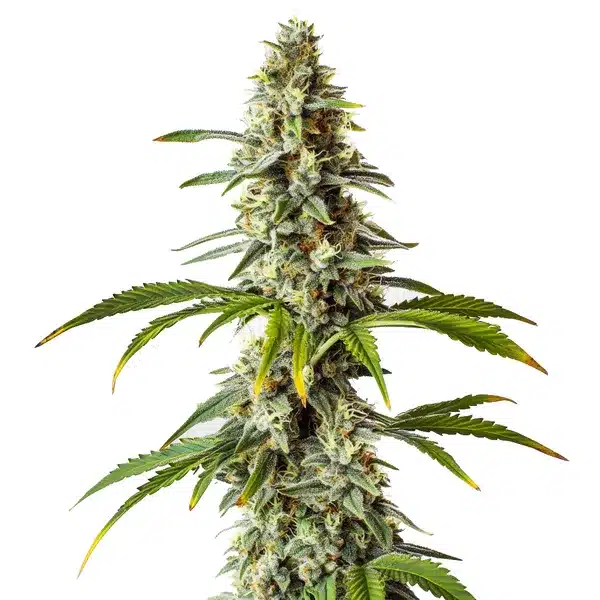
Diesel

|
THC | 12% - 21% (Medium) |

|
Type | Feminized |

|
Yield | High |

|
Phenotype | 30% Indica / 70% Sativa |

Diesel Autoflower
|
|
THC | 10% - 15% (Medium) |
|
|
Type | Autoflowering |
|
|
Yield | Medium |
|
|
Phenotype | 40% Indica / 60% Sativa |
Why Choose Organic Fertilizer for Cannabis?
Benefits of Organic Fertilizers
Organic fertilizers are made from natural sources, so they have a low environmental footprint and build long-term soil health. They add nutrients and, crucially, beneficial microbes that make those nutrients available to the roots. Over time this living soil makes plants more resilient and less prone to the nutrient swings you get with synthetic feeds.
Many growers also find that organically grown plants develop richer terpene profiles, which means better flavor and aroma. Terpenes like myrcene and limonene shape a strain’s smell and character, and a healthy, well-fed soil helps the plant express them fully at harvest.
There is also a practical advantage: forgiveness. Because organic nutrients release slowly through the soil rather than hitting the roots all at once, it is much harder to overfeed and burn your plants than it is with fast-acting synthetic salts. That makes organic feeding a great fit for beginners, and for anyone growing for flavor, since the only real trade-off, slightly slower results, is usually worth the smoother, tastier smoke.
Applying Organic Fertilizer Outdoors
Outdoors, the best organic fertilizer for cannabis is usually a living soil built on compost and worm castings, which release nutrients slowly and steadily as the plant grows. A nitrogen-forward mix (around a 3:1:2 NPK) suits the vegetative stage and drives lush, healthy foliage. Amend the soil before planting and top-dress through the season.
Grower tip: feed every 2-4 weeks depending on plant size and soil condition, and resist the urge to overdo it. In organic soil, too much fertilizer causes nutrient lockout, where the plant cannot absorb what is there, and growth stalls.
Organic vs Synthetic Fertilizer
It is worth being honest about the trade-off. Synthetic (mineral salt) fertilizers act fast and let you dial in an exact NPK, which is why many commercial and hydro growers use them, but they do nothing for the soil and are easy to overdo, causing nutrient burn. Organic fertilizers feed the soil life instead of the plant directly, so they work more slowly and forgivingly, build fertility year after year, and tend to produce more aromatic flower. For most home and outdoor growers, organic is the lower-stress choice; the main reason to reach for synthetics is speed and precision in a tightly controlled indoor or hydro setup.
Promos & Deals

Key Nutrients for Cannabis Growth (NPK)
Essential NPK and Trace Elements
Cannabis needs three main nutrients: nitrogen (N) for leafy vegetative growth, phosphorus (P) for flowering and roots, and potassium (K) for overall vigor and bud quality. Organic fertilizers supply these plus trace elements like calcium and magnesium, which drive photosynthesis and healthy enzyme activity.
In veg, lean nitrogen-heavy (around 3:1:2). As the plant flips to flower, switch to a phosphorus-heavy mix (around 1:3:2) to build dense buds, then favor potassium late in flower. Micronutrients like zinc and iron matter too, supporting chlorophyll and energy transfer. The table below sums it up.
| Growth stage | Nutrient focus | Typical organic NPK | Good organic sources |
|---|---|---|---|
| Seedling | Very light feeding | Low, balanced | Worm castings, light compost |
| Vegetative | Nitrogen-heavy | ~3:1:2 | Fish emulsion, blood meal, alfalfa |
| Early flower | Shift to phosphorus | ~1:3:2 | Bat guano, bone meal |
| Late flower | Potassium + finish | ~1:2:3 | Wood ash, kelp, langbeinite |
Feeding by Growth Stage
Matching feeding to the growth stage is what separates a good harvest from a great one. In flower, raise phosphorus and potassium to build dense, resinous buds, using organic sources like bone meal (phosphorus and calcium) and bat guano (nitrogen or phosphorus depending on the type). Whatever the stage, keep soil pH between 6.0 and 7.0: even the best organic fertilizer is wasted if the pH is off, because the roots simply cannot take the nutrients up, which shows as deficiencies that stall growth.
The earlier stages need a different balance. Seedlings want almost nothing, since rich soil usually carries them for the first couple of weeks, while the vegetative phase calls for nitrogen-forward feeding to build strong stems and leaves. Ease the transition into flower over a week or so rather than switching overnight, and always water-in organic amendments so the soil microbes can actually break them down into something the roots can use.
Types of Organic Fertilizers
Compost, Worm Castings and More
Compost is the backbone of organic growing: decomposed organic matter packed with nutrients and microbes that improves soil structure, holds moisture and feeds plants slowly. Worm castings (vermicompost) are just as valuable, gentle enough for any stage and great for aeration and microbial life.
Beyond those, bat guano is a potent source of N or P (depending on the type) for veg and flower; bone meal delivers phosphorus and calcium for roots and buds; and fish emulsion is a fast-acting liquid nitrogen source perfect for vegetative growth. Kelp meal rounds things out with potassium and trace elements. The table below shows when to reach for each.
| Amendment | Main contribution | Best used in |
|---|---|---|
| Compost | Balanced nutrients + microbes + structure | All stages, base mix |
| Worm castings | Gentle nutrients + microbes + aeration | All stages, top-dress |
| Bat guano | High N (some high-P types) | Veg (high-N) / flower (high-P) |
| Bone meal | Phosphorus + calcium | Flowering, root/flower development |
| Fish emulsion | Fast nitrogen + micronutrients | Vegetative growth |
| Kelp meal | Potassium + trace elements + hormones | All stages, stress resistance |
Choosing the Right Amendment
Which amendment to use depends on your medium and stage. Compost and worm castings are all-rounders for any stage and soil type. Save the heavier hitters like bat guano and bone meal for flowering, when the plant is building buds and demands more phosphorus.
Grower tip: combine solid and liquid feeds. Solids like compost and castings release slowly for a steady base, while liquids like fish emulsion or compost tea give a quick boost when the plant needs it fast.
Advanced Tips and Environment
Getting the Most From Organic Feeding
Organic feeding works best as part of a healthy environment. Aim for daytime temperatures of 20-25°C (68-77°F) with a cooler night drop of 8-11°C to mimic nature. Keep humidity at 60-70% in veg and drop it to 40-50% in flower to feed vigorously while avoiding bud rot.
Good airflow and, for indoor grows, adequate CO2 also support photosynthesis and let the plant actually use the nutrients you feed it. Pair the best organic fertilizer for cannabis with a stable environment and you give your garden every chance to thrive.
A few low-cost habits stretch organic feeding even further. Brewing a simple compost or worm-casting tea gives the roots a fast, gentle boost of nutrients and microbes between top-dresses. A layer of mulch, straw or dried leaves, keeps the soil moist, steadies its temperature and slowly breaks down into more food for the soil life. Neither costs much, and together they keep a living soil active without any extra bottled products.
Quick Tips for Organic Cannabis Feeding
- Keep soil pH at 6.0-7.0: this is the sweet spot for nutrient uptake in organic soil and prevents lockout.
- Feed every 2-4 weeks: adjust to plant size and how your soil looks and drains, rather than a fixed schedule.
- Combine solid and liquid: solids (compost, castings) release slowly; liquids (fish emulsion, teas) act fast.
- Feed the soil, not just the plant: healthy microbes turn organic matter into food, so protect them (no harsh chemicals).
- Do not over-fertilize: more is not better; excess causes nutrient lockout and burnt tips.
- Ensure good drainage: waterlogged roots rot and cannot take up nutrients, organic or not.
Common Organic Feeding Mistakes
Even with gentle organic inputs, a few mistakes trip up new growers. Most come down to doing too much, too fast:
- Overfeeding: more fertilizer is not more yield. Excess salts and nutrients cause lockout and burnt leaf tips, even with organics.
- Ignoring pH: outside 6.0-7.0 the roots cannot absorb what is in the soil, so you see deficiencies despite feeding.
- Using raw manure or unfinished compost: it can burn roots and carry pathogens; only use fully composted material.
- Forgetting calcium and magnesium: a common gap in coco and some soil mixes; add a cal-mag source if leaves show it.
- Feeding a sick plant more: if a plant looks off, check pH, watering and drainage first; piling on nutrients usually makes it worse.

FAQs About Organic Cannabis Fertilizer
What are the top organic cannabis nutrient lines?
Well-regarded organic nutrient lines include Down to Earth and Dr. Earth (granular amendments), BioBizz and Advanced Nutrients’ Organic OIM (liquids), and Espoma. Each offers stage-specific formulas, so many growers mix a solid base amendment with a liquid feed to cover both slow-release and fast-acting needs.
What nutrients are best for cannabis?
Cannabis needs nitrogen, phosphorus and potassium (NPK) above all: nitrogen for veg, phosphorus for flowering, potassium for overall vigor. It also needs secondary and trace elements like calcium, magnesium and iron for photosynthesis and enzymes. Organic fertilizers supply all of these in a slow, balanced way through living soil.
What is the best organic fertilizer for cannabis on the market?
There is no single best organic fertilizer for cannabis; it depends on your setup. Down to Earth’s granular amendments and BioBizz’s liquid line are reliable all-rounders. For a fully homemade approach, a living soil of compost and worm castings, top-dressed with guano or kelp by stage, is hard to beat.
What is the best bio fertilizer for cannabis plants?
Worm castings and compost tea are among the best bio fertilizers for cannabis. Castings enrich soil with nutrients and microbes, while a well-brewed compost tea delivers a fast microbial and nutrient boost to the root zone. Used together they build the living, biologically active soil that organic cannabis thrives in.
How often should I apply organic fertilizer?
Apply organic fertilizer roughly every 2-4 weeks, adjusting to plant size, stage and how your soil looks. With a rich living soil you often feed less, since the microbes release nutrients continuously. Watch the plant: pale leaves suggest it needs more, while burnt tips mean you are overdoing it.