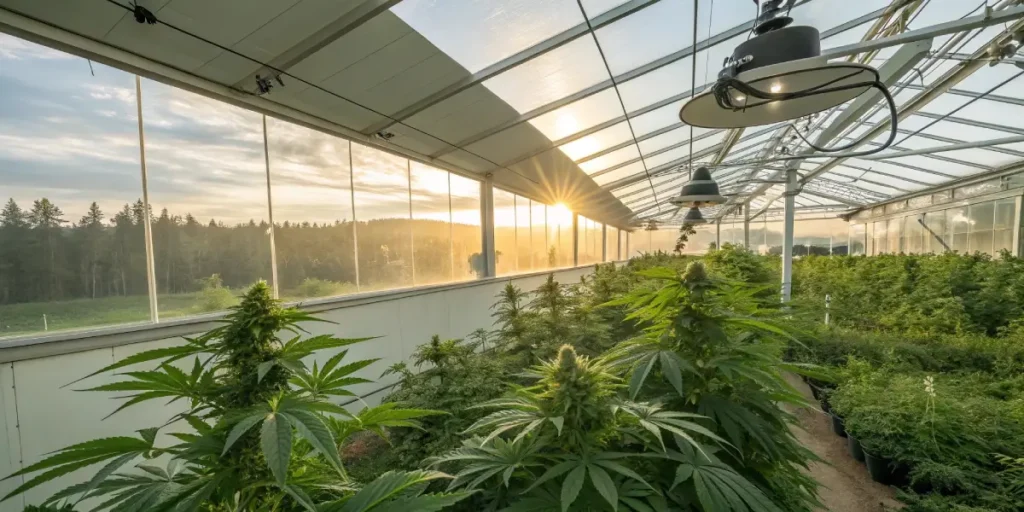
The Best Cannabis Greenhouse for Big, Clean Yields

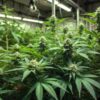
A cannabis greenhouse combines free natural sunlight with a controlled, protected environment, which is why it sits between fully indoor and fully outdoor growing. Because you lean on the sun instead of HID or LED panels, a well-run greenhouse can cut electricity costs substantially compared with an indoor room, while still giving you control over climate, pests, and weather.
The payoff is both yield and quality. Full-spectrum sunlight drives strong photosynthesis, and a stable climate under glass or polycarbonate protects resin and aroma from the temperature swings that stress outdoor plants. This guide covers the greenhouse types worth considering, the climate targets that matter, and how to keep humidity and pests under control.
Recommended Strains
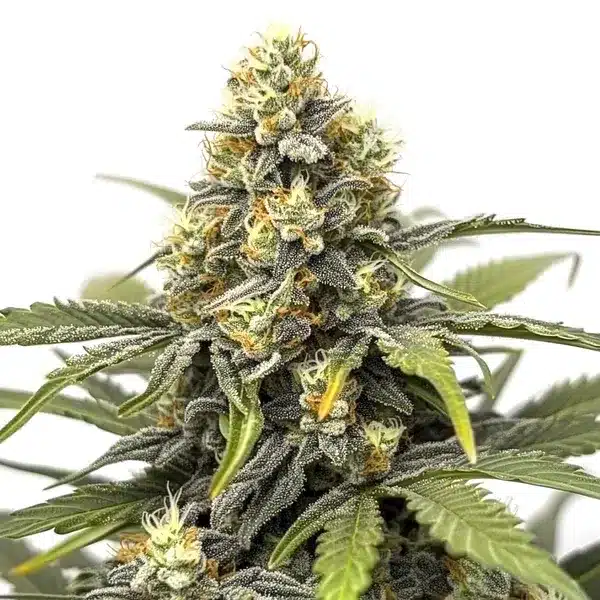
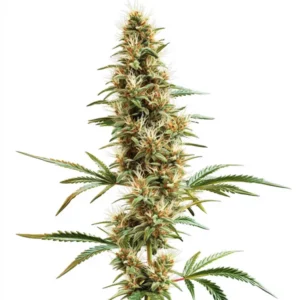
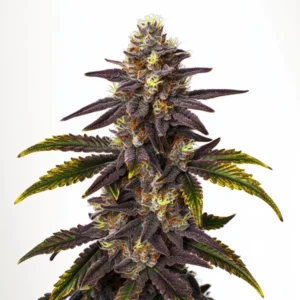
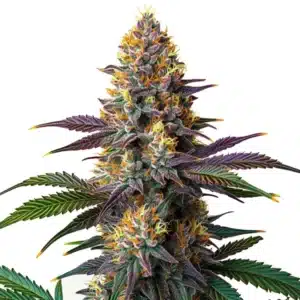
Amnesia

|
THC | 15% - 20% (Medium) |

|
Type | Feminized |

|
Yield | High |

|
Phenotype | 30% Indica / 70% Sativa |
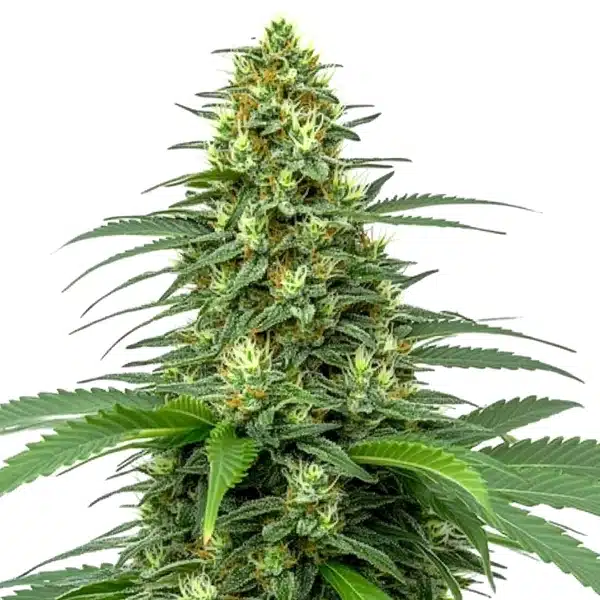
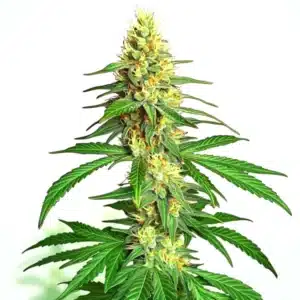
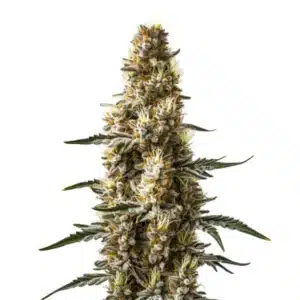
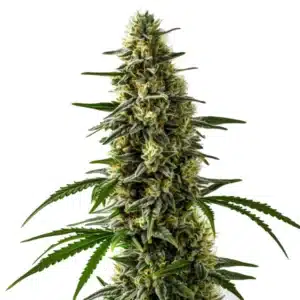
Amnesia Auto
|
|
THC | 10% - 19% (Medium) |
|
|
Type | Autoflowering |
|
|
Yield | High |
|
|
Phenotype | 30% Indica / 70% Sativa |
Can you grow weed in a greenhouse? Yes, and it is one of the most efficient ways to grow. A greenhouse gives you outdoor sunlight with indoor-style control over temperature, humidity, and pests. The keys are the right structure for your climate, humidity between 40% and 50% in flowering, and steady airflow.
Benefits of Growing Cannabis in a Greenhouse
The biggest draw is cost. Running on sunlight rather than full indoor lighting cuts a large share of your electricity bill, and the full spectrum of natural light tends to produce robust growth and strong cannabinoid development. You get much of the quality of an indoor grow without the running costs of a room full of lamps.
Yields vary with strain and plot size, but large greenhouse plants grown in generous containers or soil can reach several hundred grams each when conditions are dialed in. The targets that get you there are a daytime temperature of roughly 68-77F (20-25C) and steady ventilation to keep mold and mildew off the buds.
Environmental Control and Plant Health
A greenhouse shields plants from storms, cold snaps, and heatwaves, which keeps growth steady and reduces stress problems like hermaphroditism. Keep humidity around 60-70% in the vegetative stage and bring it down in flowering; staying on top of humidity is the single best defence against powdery mildew and bud rot.
If you enrich with CO2, aim for roughly 1200-1500 ppm during lights-on to get the most from photosynthesis, and avoid pushing far beyond that. Dialing in temperature, humidity, and airflow together is covered in more depth in our guide to cannabis climate control basics.
Promos & Deals

Types of Cannabis Greenhouse
Not every greenhouse suits cannabis equally. The right structure depends on your climate, budget, and whether you want one big harvest or several. Here is how the main options compare:
| Greenhouse type | Best for | Strengths | Trade-offs |
|---|---|---|---|
| Polytunnel / hoop house | Budget grows and larger plots | Cheap, quick to build, easy to expand | Less insulation, mostly manual venting |
| Freestanding polycarbonate greenhouse | Year-round, stable control | Strong insulation and even light diffusion, no hotspots | Higher upfront cost |
| Glass greenhouse | Maximum light and durability | Long lifespan, excellent light transmission | Can create hotspots, heavier and pricier |
| Light-deprivation greenhouse | Multiple harvests per year | Blackout covers control the photoperiod for extra cycles | Needs a blackout system and more labor |
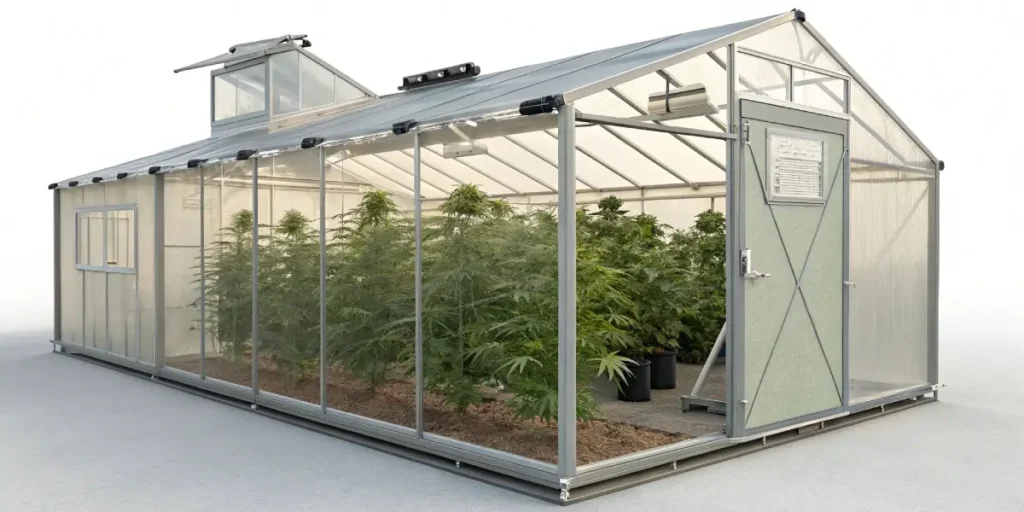
For most home and small-commercial growers, a freestanding polycarbonate greenhouse is the sweet spot: solid insulation, diffused light, and enough room to add fans and a dehumidifier.
Challenges and Solutions
Humidity is the hardest part of greenhouse growing. Warm, damp air condenses on leaves and buds and feeds mold and mildew. The fix is airflow plus a target: exhaust fans and open vents to move air, and relative humidity held at 40-50% during flowering. In humid climates a dehumidifier is well worth the investment.
Airflow matters just as much. Stagnant air creates hot spots and uneven growth, so run oscillating fans and give plants room to breathe. Good circulation stops moisture pooling around dense buds and keeps the temperature even from one end of the greenhouse to the other.
Pest Control Strategies
Pests love the warm shelter of a greenhouse, but they are manageable. Screen vents and doors with fine mesh to keep out aphids and spider mites, inspect plants often, and bring in natural predators like ladybugs to hold the population down without chemicals.
Back that up with organic insecticides when needed and, above all, healthy plants: a balanced feed (around an N-heavy ratio such as 3:1:2 in veg) keeps plants vigorous enough to shrug off minor pest pressure. Pairing the greenhouse with naturally tough, mold-resistant strains makes the whole system far more forgiving.
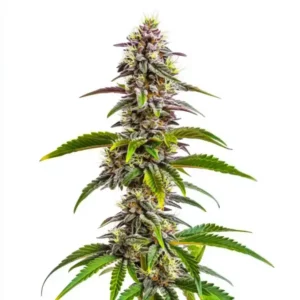
A few greenhouse-friendly strains and how they stack up:
| Feature | Carmen 2.0 | Northern Critical | Gruntz |
|---|---|---|---|
| THC content | 22-26% | 20-24% | 25-30% |
| Dominant terpene | Myrcene | Caryophyllene | Limonene |
| Yield (oz/plant) | 21-25 | 18-22 | 24-28 |
| Flowering time | 8-9 weeks | 7-8 weeks | 9-10 weeks |
| Effect | Relaxing | Euphoric | Uplifting |
Choosing the Best Greenhouse for Cannabis
When you choose a greenhouse, weigh three things: size, material, and climate-control options. Make sure there is room for 2-3 feet (0.6-0.9 m) between plants so air can move, and think ahead to where fans, a dehumidifier, and any CO2 kit will go.
Polycarbonate is the go-to material: it insulates well and diffuses light evenly, which keeps temperatures stable and avoids the hotspots that bare glass can cause. If your budget allows, automated climate control takes the guesswork out of holding temperature and humidity steady year-round.
What to Look For in a Greenhouse
The best greenhouses for cannabis are durable and adaptable. Look for a reinforced frame, UV-resistant covering, adjustable vents, and ideally automated watering, all of which cut maintenance and help plants stay healthy through rough weather.
Professional Tips for Greenhouse Cultivation
- Hold 50-60% relative humidity during vegetative growth to keep mildew at bay. A digital hygrometer makes this easy.
- Keep CO2 around 1200-1500 ppm to push photosynthesis, and stay under 2000 ppm to avoid stressing the plants.
- Space plants 2-3 feet apart so air moves freely. Crowding traps moisture and invites mold.
- Choose polycarbonate panels for insulation and even light. Bare glass tends to create hotspots.
- Add automated climate control for steady temperature and humidity; manual tweaking leads to swings.
- Screen every vent with fine mesh to keep insects and birds out.
FAQs
Can you grow weed in a greenhouse?
Yes. A greenhouse lets you grow cannabis with natural sunlight while controlling temperature, humidity, and pests like an indoor grow. It usually costs less to run than a fully indoor room and protects plants from bad weather. Hold humidity at 40-50% in flowering and keep air moving.
What is the best greenhouse for cannabis?
For most growers, a freestanding polycarbonate greenhouse is the best choice: it insulates well, diffuses light evenly, and has room for fans and a dehumidifier. Prioritize a durable frame, adjustable vents, and climate control, which together protect yield quality and shield plants from weather stress.
How often should I water cannabis in a greenhouse?
Roughly every 2-3 days, but let the top of the soil dry slightly between waterings rather than following a fixed schedule. A moisture meter takes out the guesswork. Overwatering invites root rot, while letting plants dry out too far stresses them and costs yield.
What are the advantages of a cannabis greenhouse?
A greenhouse combines natural sunlight with climate control, so you get lower electricity costs than indoor growing plus protection from storms, heat, and cold. That stability tends to improve bud quality and consistency compared with a fully exposed outdoor grow, and it can extend your growing season.
How do I control pests in a cannabis greenhouse?
Screen all vents and doors with fine mesh, inspect plants regularly, and introduce natural predators like ladybugs before reaching for sprays. When you do treat, use organic insecticides. Healthy, well-fed plants resist pests far better, so good nutrition is part of pest control too.
What are the most common greenhouse growing mistakes?
The big three are poor humidity control, weak airflow, and neglected pest management, which together cause most mold, mildew, and infestations. Avoid them by ventilating well, holding humidity at 40-50% in flowering, spacing plants out, and checking them often so small problems never become big ones.