Cannabis Climate Control: The Basics for Quality Buds

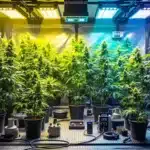
Cannabis climate control is simply managing the four things your plants react to most: temperature, humidity, airflow and CO2. Get them right and you unlock faster growth, bigger yields and cleaner flavor; get them wrong and you invite mold, stress and lost potency. As a quick reference: aim for 70-85F (20-29C) with lights on, 40-60% humidity in veg dropping to 40-50% in flower, and 1000-1500 ppm CO2 only in a sealed, optimized room.
Here are the climate targets by stage:
Recommended Strains
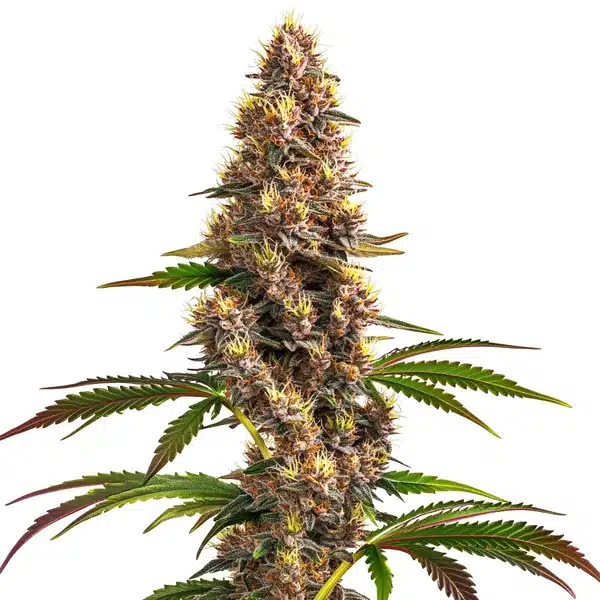
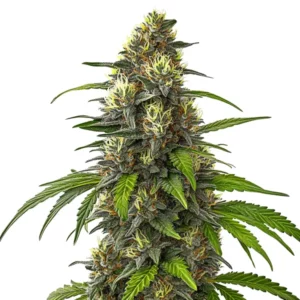
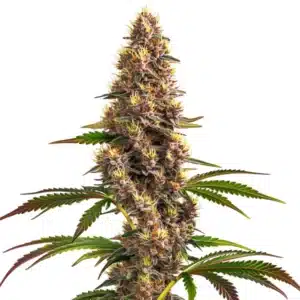
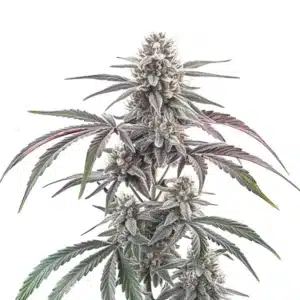
Super Boof

|
THC | 25% - 28% (High) |

|
Type | Feminized |

|
Yield | Low |

|
Phenotype | 60% Indica / 40% Sativa |
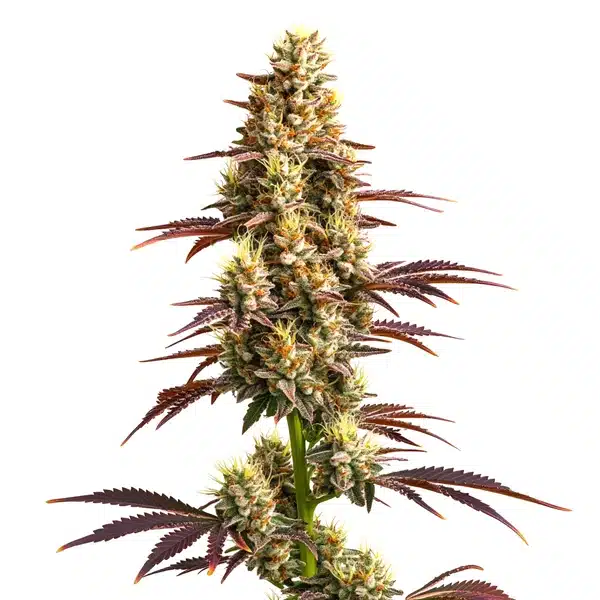
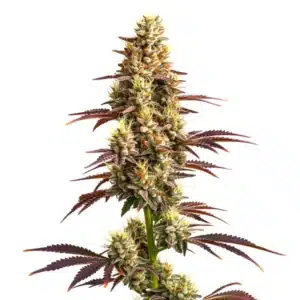
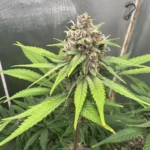
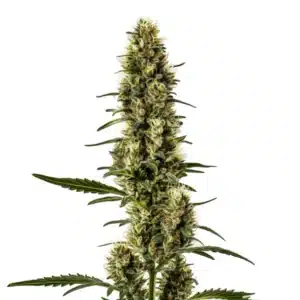
Super Boof Auto
|
|
THC | 25% - 28% (High) |
|
|
Type | Autoflowering |
|
|
Yield | Low |
|
|
Phenotype | 60% Indica / 40% Sativa |
| Stage | Temp (lights on) | Humidity (RH) | Notes |
|---|---|---|---|
| Seedling | 68-77F (20-25C) | 65-70% | Gentle warmth, higher humidity for young roots |
| Vegetative | 70-85F (20-29C) | 40-60% | Stable temps drive strong growth |
| Flowering | Slightly cooler, ~68-79F (20-26C) | 40-50% | Lower RH prevents bud rot; cooler nights boost resin and color |
| Late flower | Cooler still | 40-45% | Keep humidity low to protect dense buds from mold |
Temperature Regulation
Temperature is the first lever of climate control. It drives photosynthesis, nutrient uptake and overall plant health, so getting it right matters at every stage. Indoors, aim for 70-85F (20-29C) while the lights are on and let it drop slightly during the dark period.
A key tip: keep the day-to-night swing under about 10C. Big fluctuations stress plants and slow their metabolism, which costs you potency and yield. A steady rhythm encourages healthy development through every stage.
In veg, a stable temperature promotes robust growth. In flower, slightly cooler temperatures encourage resin production and bring out color and aroma. Learning how your plants react to those shifts is what lets you fine-tune the room for the best results.
Promos & Deals
Humidity Management
Humidity is just as important as temperature. Cannabis does best at 40-60% RH in veg and lower, around 40-50%, in flower. Too much humidity invites mold and mildew on dense buds, while air that is too dry stresses plants and slows growth.
The leaves are your best early warning. Healthy ones look upright, vibrant and green; droopy, curled or discolored leaves are often the first sign that temperature or humidity is off.
A hygrometer takes the guesswork out of it. If the air is too damp, a dehumidifier and better airflow bring it down; if it is too dry, a humidifier adds moisture. For a more precise approach that combines temperature and humidity, see our VPD chart guide.
CO2 Enrichment
Carbon dioxide (CO2) can be a game-changer in a controlled room. Higher CO2 speeds up photosynthesis, which can mean faster growth and bigger yields, but only add it once everything else (light, temperature and nutrients) is already dialed in. Aim for 1000-1500 ppm during the light cycle.
CO2 tanks, generators and natural fermentation systems are the common ways to add it. Always use a CO2 monitor, since too much is harmful to both plants and people, and reserve enrichment for a sealed room with proper environmental controls.
Ventilation and Airflow
Airflow ties the whole system together. Good ventilation helps regulate both temperature and humidity and keeps fresh air moving over the plants. Stagnant air, by contrast, breeds mold and leaves pockets where problems start.
A simple rule: your exhaust fan should be about twice as powerful as your intake, which creates slight negative pressure and efficient air exchange. Place oscillating fans to keep air moving through the whole space, breaking up hotspots so every plant sits in the same climate.
One caveat: strong, constant airflow dries out the substrate faster, so if you run fans heavily, an automated or more frequent watering schedule helps prevent plants from drying out.
Equipment Choices
Match your equipment to the scale of your grow: compact fans, dehumidifiers and heaters are fine for a small tent, while larger rooms may need industrial-grade gear. Factor in energy efficiency too, since efficient tools cut both your footprint and your running costs over time. Favor proven, well-reviewed products.
The key is sizing: gear that is too small cannot keep up, while oversized equipment short-cycles and wastes money. Judge by your room’s heat and moisture load, not just its floor area, and spend first on the things that fail quietest, accurate meters and reliable fans, before splurging on extras.
Sealed vs Open Grow Rooms
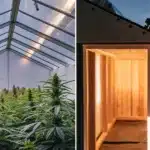
A sealed room gives you complete control and is the only sensible way to run CO2, but it costs more in cooling, dehumidification and air purification. An open-loop system exchanges air with the outside: cheaper to set up, but at the mercy of your local climate. A greenhouse sits between the two. Pick based on your goals, budget and climate.
For most home growers, an open or vented setup is simpler and cheaper, pulling in filtered outside air, which works well as long as your local climate and air quality cooperate. Choose a sealed room only if you plan to run CO2 or your outside air is too hot, humid or dirty to rely on, since it brings real added cost and complexity.
Light and Heat
Your lights are usually the biggest heat source in the room. HID lamps like HPS and MH throw off a lot of heat and can cause temperature spikes, and even cooler-running LEDs add up when you run many of them.
Air-cooled reflectors, ballasts kept outside the room and adjustable-height fixtures all help tame the heat. It also helps to run your lights-on period during the cooler parts of the day, especially in summer, since that eases the load on your cooling and keeps the environment stable.
Troubleshooting Common Problems
Even experienced growers hit climate snags. The usual suspects are temperature spikes, humidity swings and poor airflow, often caused by equipment failures, weak planning or shifting outdoor weather. An unexpected heat rise usually points to a failing AC or weak ventilation; humidity swings often trace back to a struggling dehumidifier or excess moisture in the space. Catching these early is what keeps them small.
The usual flashpoints are a humidity spike when the lights go off, hot pockets where airflow is weak, and stale air from an undersized exhaust. A cheap data-logging thermometer-hygrometer is invaluable here, because it catches the overnight drifts you would otherwise sleep through and never see on a single daytime glance.
Effective Solutions
The fix is to be proactive. Inspect equipment regularly and keep a maintenance schedule for cleaning filters, checking fans and calibrating your temperature and humidity sensors. Keep an eye on the outdoor forecast too, since big swings outside bleed into your room, and have a backup plan (supplemental heating or cooling) ready to respond quickly.
Build in a little redundancy so one failure does not cook a crop, for example a backup fan or a second sensor, and always place your meters at canopy height where the plants actually live. Most importantly, fix the root cause rather than the symptom: chasing a humidity reading with a bigger dehumidifier is pointless if the real problem is poor airflow.
Automation and Monitoring
Modern tech makes all of this far easier. Smart grow-room controllers automate temperature, humidity and even CO2 using real-time data, so you are not constantly checking by hand. Controllers that link to your phone add alerts and logs, and remote monitoring lets you check in from anywhere and spot trends over time, so you can adjust before a small drift becomes a problem.
The biggest practical win from automation is early warning: a controller that texts you when temperature or humidity leaves range can save a grow while you are away. Start by automating your single most troublesome variable, then expand, and never let the dashboard replace a daily look at the plants, which still reveal things no sensor measures.

FAQs About Cannabis Climate Control
What is the ideal temperature range for cannabis?
Aim for 70-85F (20-29C) while the lights are on, and let it drop a little during the dark period. Keep the day-to-night swing under about 10C, since large fluctuations stress plants and cut potency. Slightly cooler flowering temperatures also help bring out resin, color and aroma.
How do I manage humidity in my grow room?
Start with a hygrometer so you actually know your numbers, then target 40-60% in veg and 40-50% in flower. If the air is too damp, run a dehumidifier and improve airflow; if it is too dry, add a humidifier. Lower humidity in flower is key to preventing bud rot.
What are the signs of poor ventilation?
Watch for stagnant, stuffy air, heat building up in the canopy, mold or mildew appearing, and a general decline in plant health. Any of these means air is not exchanging well. Check that your exhaust outpaces your intake and add oscillating fans to break up dead spots.
Should I use CO2 in my grow room?
Only once everything else (light, nutrients and temperature) is already dialed in, and only in a sealed room. In that setup CO2 at 1000-1500 ppm can boost growth and yield. Without control it is wasted and can be harmful to people, so always use a CO2 monitor.
Is automation worth it for small grows?
Yes. Even in a single tent, simple tools like smart plugs, timers and a basic controller cut manual work and keep conditions consistent, which plants reward. They also reduce costly mistakes and wasted energy, so they tend to pay for themselves over a few harvests.