Growing Outdoor Autoflowers: A Complete Guide

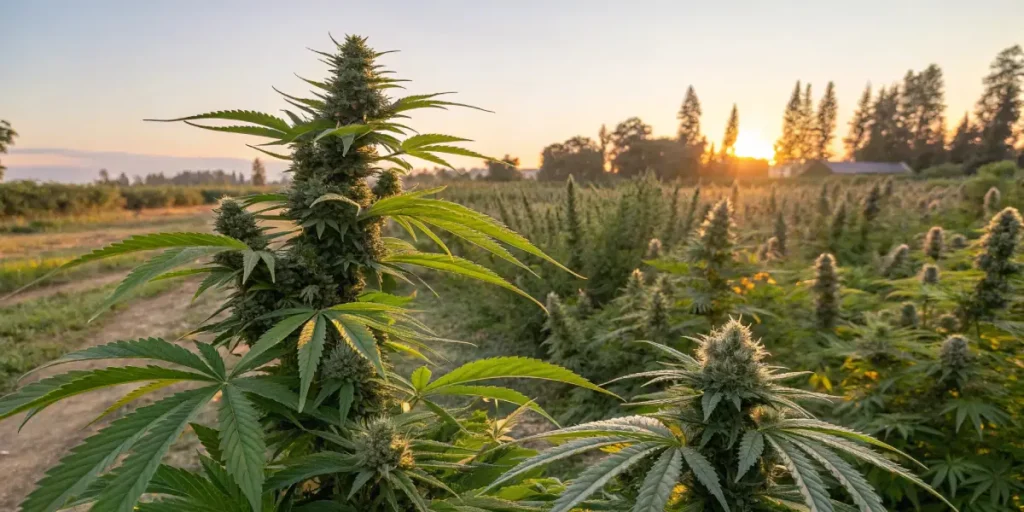
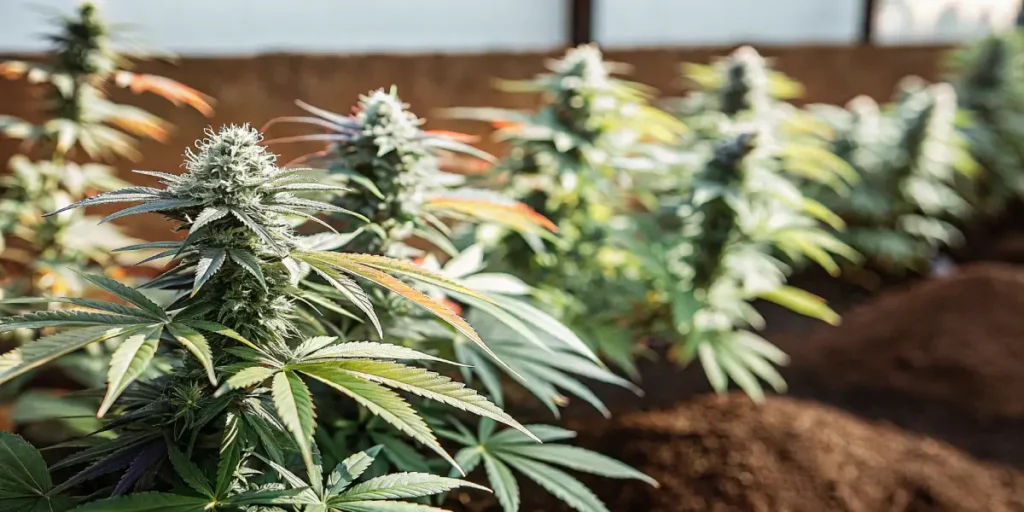
Outdoor autoflowers offer a resilient and efficient cultivation option: These plants thrive in diverse climates due to their ruderalis genetics, providing multiple harvests per season with a cycle of just 8–12 weeks. Planting directly in soil enhances root development, boosting resilience and yield. This makes them ideal for growers seeking cost-effective and high-yield outdoor cannabis cultivation.
Outdoor autoflowers excel in adaptability and rapid growth, making them a top choice for many growers. These plants flower based on age, not light, allowing for multiple harvests in a single season. With robust genetics and compact size, outdoor autoflowers are perfect for maximizing space and yield in various climates.
Recommended Strains

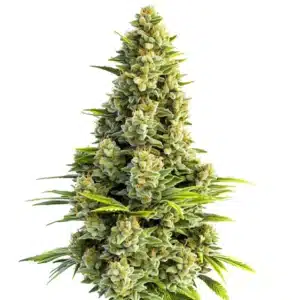
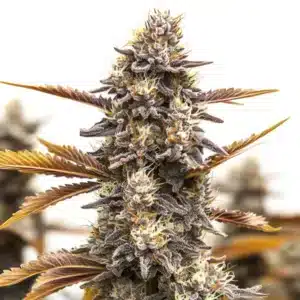
Jack Herer

|
THC | 20% (Medium) |

|
Type | Feminized |

|
Yield | High |

|
Phenotype | 40% Indica / 60% Sativa |

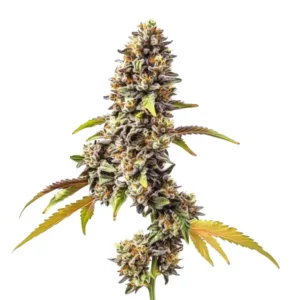
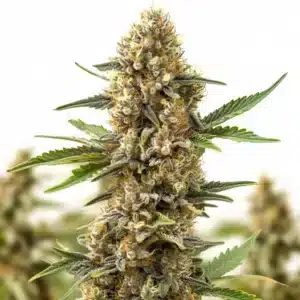
Jack Herer Auto
|
|
THC | 15% - 20% (Medium) |
|
|
Type | Autoflowering |
|
|
Yield | Medium |
|
|
Phenotype | 40% Indica / 60% Sativa |
Autoflowering Cannabis: Unique Characteristics
What Makes Autoflowers Unique?
Autoflowering cannabis plants are distinct due to their ability to flower automatically after a set period, typically 3–4 weeks, regardless of light cycles. This trait originates from their ruderalis genetics, which evolved in northern latitudes with short summers. This adaptation results in a plant that is highly resilient to pests and mold, making it ideal for outdoor cultivation.
The resilience of autoflowers is a direct result of their genetic makeup. Ruderalis genetics confer a natural resistance to environmental stressors, allowing these plants to thrive in diverse conditions. This resilience is evident in their ability to withstand temperature fluctuations and humidity changes, which are common challenges in outdoor growing environments.
Moreover, the metabolic processes in autoflowers are optimized for rapid growth. The stomata, responsible for gas exchange, efficiently manage CO2 intake and water release, enhancing photosynthesis and growth. This efficient metabolism enables autoflowers to complete their life cycle quickly, making them suitable for regions with shorter growing seasons.
Benefits of Growing Autoflowers Outdoors
Growing autoflowers outdoors offers several advantages, including reduced costs and increased yields. By utilizing natural sunlight, growers can eliminate the need for artificial lighting, significantly cutting down on energy expenses. Moreover, the full spectrum of sunlight enhances photosynthesis, promoting healthier growth and maximizing resin production.
Autoflowers’ short life cycle enables multiple harvests within a single growing season. For instance, planting in early spring can lead to a harvest by early summer, allowing for a second or even third crop. This characteristic is particularly beneficial in regions with long growing seasons, but their adaptability ensures they perform well even in shorter seasons.
Additionally, outdoor autoflowers benefit from the natural fluctuation of day and night temperatures. A drop of 8°C – 11°C (15°F – 20°F) at night encourages robust metabolic activity and enhances terpene profiles, contributing to richer flavors and aromas. This natural temperature variation is crucial for optimizing the plant’s overall health and potency.
Promos & Deals




Preparing Your Outdoor Space for Autoflowers
Soil Preparation and Plant Spacing
For optimal growth, autoflowers should be planted directly in the ground rather than in pots. This allows for extensive root development, particularly the taproot, which enhances nutrient uptake and stability. A well-prepared soil mix of peat moss, compost, and perlite provides the ideal environment for root growth.
Proper plant spacing is crucial for maximizing yields. Autoflowers require less space than photoperiod plants, allowing you to plant more closely together. Typically, spacing them 1-2 feet apart (30-60 cm) ensures adequate airflow and light penetration, reducing the risk of mold and pest infestations.
The soil’s pH should be meticulously maintained at 6.5 for soil-based cultivation. This pH level ensures optimal nutrient availability, preventing deficiencies that could impair growth. Regular soil testing can help maintain this balance, ensuring your plants receive the nutrients they need for vigorous growth.
Direct Planting vs. Germination Methods
Planting autoflower seeds directly into the soil is often more effective than starting them in pots. This method minimizes transplant shock and allows the plant to establish a strong root system from the outset. If you choose to germinate seeds first, ensure they are transferred to their final location as soon as possible.
When planting directly, ensure the soil temperature is consistently between 68°F and 77°F (20°C – 25°C) to promote germination. Using a soil thermometer can help monitor this. Avoid planting in overly wet conditions, as this can lead to seed rot and poor germination rates.
Direct planting also capitalizes on the natural soil microbiome, which supports root health and nutrient uptake. Beneficial microbes in the soil assist in breaking down organic matter, releasing essential nutrients that are readily absorbed by the plant’s roots, enhancing growth and yield potential.
| Feature | Gorilla Purple Auto | Amnesia Haze Auto | Critical X Ak47 Auto |
|---|---|---|---|
| THC Content | 20-24% | 18-22% | 19-23% |
| Flowering Time | 8-9 weeks | 9-10 weeks | 8-9 weeks |
| Yield | 1.5-2 oz/ft² (450-600 g/m²) | 1.2-1.6 oz/ft² (350-500 g/m²) | 1.4-1.8 oz/ft² (400-550 g/m²) |
| Resistance | High | High | Moderate |
| Terpene Profile | Myrcene, Limonene | Limonene, Pinene | Caryophyllene, Myrcene |
Professional Tips for Growing Outdoor Autoflowers
- Maintain soil pH between 6.0 and 6.5. This range optimizes nutrient uptake. Deviations can lead to nutrient lockout, stunting growth.
- Water when the top inch of soil is dry. Overwatering can suffocate roots, while underwatering stresses plants, reducing yield.
- Use a nitrogen-rich fertilizer during the vegetative stage. Excess nitrogen in flowering can inhibit bud development.
- Implement Low-Stress Training (LST) to maximize light exposure. Avoid high-stress techniques as they can shock autoflowers.
- Monitor temperature, keeping it between 68°F and 77°F (20°C – 25°C). Extreme temperatures can slow growth and affect potency.
- Apply neem oil as a preventative measure against pests. Overuse can burn leaves, so apply in the evening when temperatures are cooler.
- Consider growing autoflowers outdoors in regions with consistent sunlight. This ensures optimal photosynthesis and robust growth.
FAQs About Growing Outdoor Autoflowers
Do autoflowers do well outside?
Yes, autoflowers thrive outdoors due to their ruderalis genetics, which provide resilience against pests and mold. They flourish in various climates and can yield 1.5-2 oz/ft² (450-600 g/m²) when conditions are optimal. Planting directly in soil enhances root growth, further improving their adaptability and yield.
What is the best autoflower to grow outside?
Gorilla Purple Auto is an excellent choice for outdoor growth. It offers high resistance to environmental stressors and produces 20-24% THC. Its robust genetics make it suitable for diverse climates, ensuring a successful harvest with minimal intervention.
How much does an outdoor autoflower yield?
Outdoor autoflowers typically yield between 1.5-2 oz/ft² (450-600 g/m²). Factors such as soil quality, sunlight exposure, and climate conditions significantly influence the final yield. Proper care and optimal conditions can maximize production, ensuring a bountiful harvest.
When’s the best time to start outdoor autoflower seeds?
The best time to plant outdoor autoflower seeds is early spring when temperatures consistently range between 68°F and 77°F (20°C – 25°C). This timing allows for a harvest by early summer, with the potential for multiple cycles in regions with longer growing seasons.
Can you grow autoflowers outside in cold climates?
Yes, autoflowers can grow in cold climates due to their ruderalis genetics. Select strains like Critical X Ak47 Auto, which are bred for resilience. Plant during warmer months and consider using greenhouses or cloches to protect against frost and temperature fluctuations.