When to Harvest Autoflower: A Complete Guide

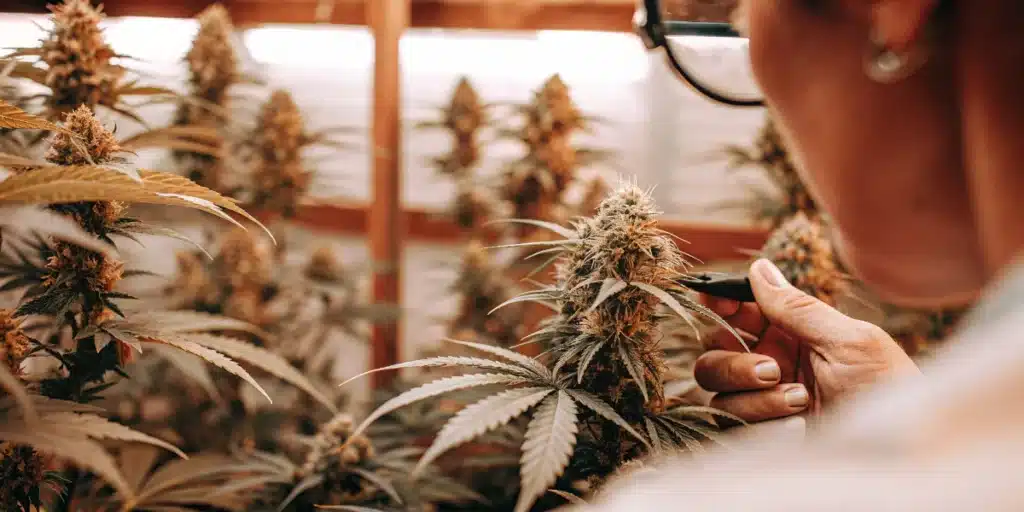
Optimal Harvest Timing: Harvesting autoflower cannabis plants is best done between 8 to 14 weeks from seed, depending on the strain. Use a magnifier to inspect trichomes; cloudy trichomes indicate energetic effects, while some amber trichomes suggest a more sedative experience. This timing ensures optimal potency and yield.
Autoflower cannabis strains offer a unique advantage with their rapid growth cycle, often flowering in just 70-80 days. These strains typically exhibit a terpene profile rich in myrcene, enhancing relaxation and flavor depth. Timing your harvest precisely is crucial to maximizing both the aromatic profile and the overall potency of your yield. It all starts with the right genetics, so it helps to understand autoflower weed seeds and how to select them.
Recommended Strains
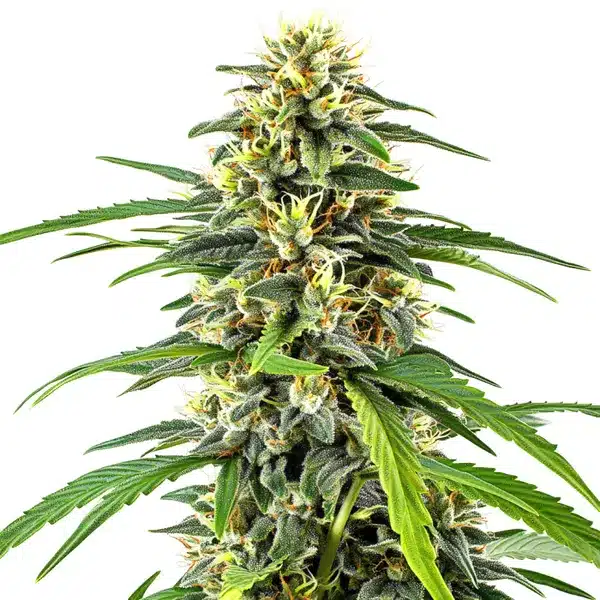
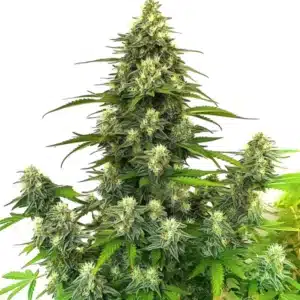
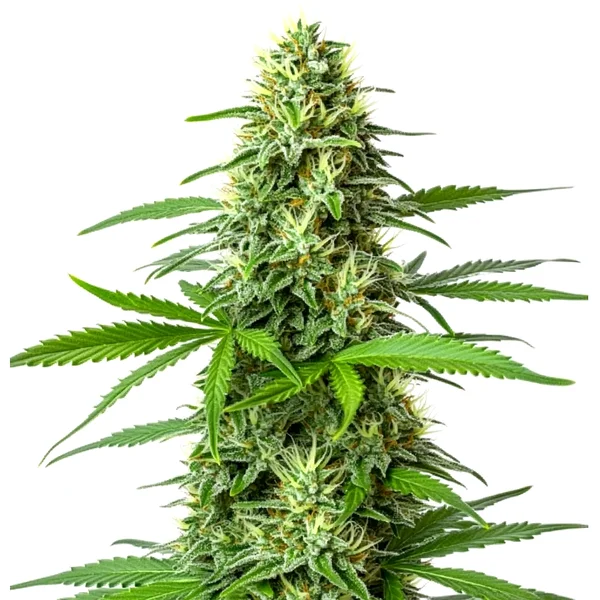
Amnesia Haze

|
THC | 18% - 22% (Medium) |

|
Type | Feminized |

|
Yield | High |

|
Phenotype | 30% Indica / 70% Sativa |
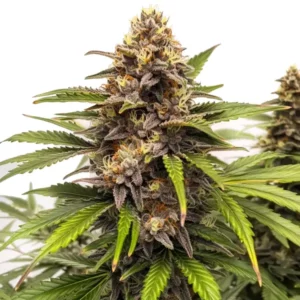
Blueberry x Big Bud Auto
|
|
THC | 17% - 20% (Medium) |
|
|
Type | Autoflowering |
|
|
Yield | High |
|
|
Phenotype | 70% Indica / 30% Sativa |
When to Harvest Autoflower: Key Considerations
Key Indicators for Harvest
Identifying the right time to harvest your autoflowers involves observing several key indicators. Experienced growers recommend using a magnifying glass to examine trichomes closely. When the trichomes are mostly cloudy, it indicates a peak in THC levels, ideal for those seeking energetic effects. If you’re aiming for a more sedative experience, wait until some trichomes turn amber.
Another critical factor is the pistils’ color. These hair-like structures should change from white to a darker orange or brown, covering about 70-90% of the bud. This color shift signals the plant’s maturity. Additionally, the leaves may start to yellow as the plant diverts energy from photosynthesis to bud development. Week by week pictures provide insight into the plant’s development, helping you track these changes.
Visual Signs of Readiness
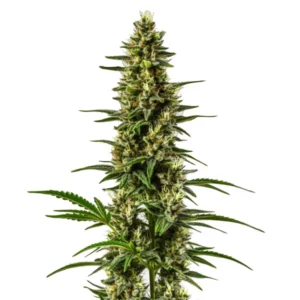
Visual cues play an essential role in determining when to harvest autoflower plants. Pictures of autoflowers ready to harvest often show dense buds with a frosty appearance due to abundant trichomes. The leaves surrounding the buds should be vibrant but may show slight yellowing as the plant nears the end of its life cycle. This yellowing is a natural part of the plant’s maturation process.
Timing directly impacts autoflower harvest yield. Harvesting too early can result in lower potency and yield, while waiting too long might degrade THC into CBN, reducing the psychoactive effects. Therefore, balancing these visual indicators with the plant’s overall health is crucial for a successful harvest.
Promos & Deals
When to Harvest Autoflower for Optimal Yield
Visual Signs of Readiness
To maximize your autoflower harvest yield, it’s essential to monitor the plant’s visual signs closely. The buds should be dense and sticky, with trichomes appearing milky white under magnification. This stage indicates that the plant has reached its peak potency. Leaves may start to yellow, which is a natural sign of the plant redirecting energy to the buds.
Explore pictures of autoflowers ready to harvest to identify the right moment. These images can guide you in recognizing the perfect time to cut down your plants. Remember, harvesting too early can result in less potent buds, while waiting too long can lead to a decrease in THC levels as they convert to CBN.
Techniques for Harvesting Autoflowers
Harvesting techniques can significantly influence the final product’s quality. Many cultivators choose to harvest in stages, beginning with the top colas where the buds receive the most light and are often the most mature. This technique allows the lower buds to continue developing for a few more days, potentially increasing the overall yield.
Consider harvesting autoflowers in stages for better results. This approach can maximize the potency and yield by allowing the lower buds to mature further. Additionally, an early harvest autoflower may affect potency, so timing is crucial for achieving the desired effects.
Special Considerations Before Harvest
Darkness Before Harvest
Implementing a period of darkness before harvest can enhance the potency and flavor of your autoflowers. Many growers report that keeping plants in complete darkness for 24 to 48 hours before cutting can increase resin production. This practice stresses the plant slightly, prompting it to produce more trichomes as a defense mechanism.
Darkness before harvest can influence potency and flavor, making it a popular technique among experienced cultivators. However, it’s essential to monitor the plant closely during this period to avoid any adverse effects, such as mold development due to excess humidity.
Watering Practices Pre-Harvest
Adjusting watering practices before harvest is another critical step. Reducing water intake a few days before cutting can help concentrate the plant’s flavors and aromas. This reduction forces the plant to use up its remaining nutrients, enhancing the final product’s taste.
Should watering be reduced before harvesting autoflowers? Yes, but it’s important to avoid letting the plant dry out completely, as this can stress it excessively and lead to reduced yields. Aim for a balance that allows the plant to finish its life cycle naturally.
| Feature | GG4 Auto | Blueberry X Big Bud Auto | Amnesia Haze |
|---|---|---|---|
| THC Content | 18-24% | 17-20% | 18-22% |
| Dominant Terpene | Caryophyllene | Myrcene | Limonene |
| Flowering Time | 8-10 weeks | 8-10 weeks | 8-10 weeks |
| Yield Outdoor | 17.64 – 26.46 oz/plant | 500 – 750 g/plant | 1.47 – 1.64 oz/ft² | 450 – 500 g/m² | 1.64 – 1.97 oz/ft² | 500 – 600 g/m² |
| Effect | Happy, Relaxed, Talkative | Calming, Happy, Relaxed | Creative, Focused, Hungry |
Professional Tips for Harvesting Autoflowers
- Maintain a 20/4 light schedule during the vegetative phase to promote robust growth and prevent stress.
- Use a magnifying glass to inspect trichomes; aim for 70% cloudy trichomes for optimal THC levels.
- Ensure a stable environment with temperatures between 68°F – 77°F (20°C – 25°C) to prevent mold.
- Reduce watering 3 days before harvest to enhance flavor without stressing the plant excessively.
- Implement a 48-hour dark period before harvest to boost resin production and potency.
- Monitor humidity levels, keeping them at 40-50% RH to avoid bud rot during the final weeks.

Frequently Asked Questions
How to fatten up autoflower buds?
To fatten up autoflower buds, ensure your plants receive adequate nutrients, particularly phosphorus and potassium, during the flowering stage. Maintain a consistent light schedule of 20 hours on and 4 hours off. Keep temperatures between 68°F and 77°F (20°C – 25°C) and humidity at 40-50% for optimal bud development.
What do buds look like 2 weeks before harvest?
Two weeks before harvest, autoflower buds should appear dense and covered in a thick layer of trichomes. The pistils will begin to darken, shifting from white to orange or brown. Leaves may start to yellow as the plant directs energy to bud maturation. This stage is critical for finalizing bud potency and aroma.
Can you partially harvest autoflowers?
Yes, you can partially harvest autoflowers. Start by cutting the top colas, allowing lower buds to receive more light and mature. This technique can enhance overall yield and potency. Ensure that environmental conditions remain stable during this period to prevent stress and maximize the remaining buds’ development.
Should I stop watering my autoflower before harvest?
It’s advisable to reduce watering a few days before harvest to concentrate the plant’s flavors and aromas. However, avoid letting the plant dry out completely, as this can cause stress and reduce yield. Aim for a balance that allows the plant to complete its life cycle naturally without excessive dehydration.
When do you harvest autoflower plants for best results?
Harvest autoflower plants when trichomes are mostly cloudy with some turning amber, typically 8-14 weeks from seed. This timing ensures optimal potency and yield. Monitor environmental factors, such as temperature and humidity, to maintain plant health and maximize the quality of your harvest.