The 3-Hole Hash Pipe: A Guide

A 3-hole hash pipe is a traditional smoking pipe designed specifically for hashish, named for the three small holes in its bowl that control airflow and help cool and filter the smoke. Unlike a regular bowl, where loose flower can fall through a single large hole, the trio of smaller holes acts as a built-in screen: it holds a small piece of hash in place while letting air draw through evenly, giving a smoother, cooler, more controlled hit, which suits hash’s dense, sticky nature. These pipes (often called traditional or three-hole hash pipes) are a classic, no-frills way to enjoy hash and concentrates like it.
To use one: break off a small piece of hash, place it over the three holes, apply a gentle flame while drawing slowly, and take modest puffs, hash is potent, so a little goes a long way. Below: what a 3-hole hash pipe is, how it works and how to use it, how it compares to a regular pipe, and a quick word on DIY and choosing one.
Recommended Strains

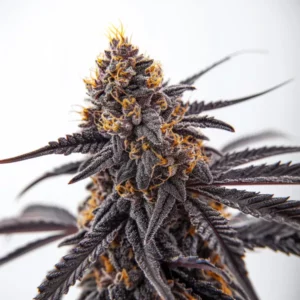
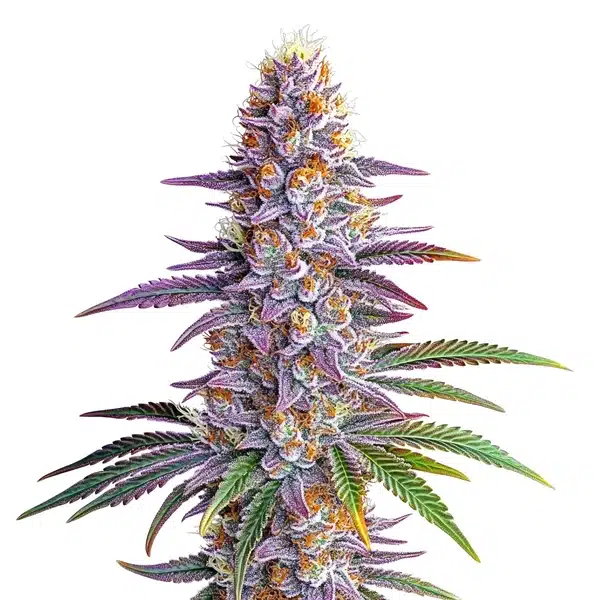
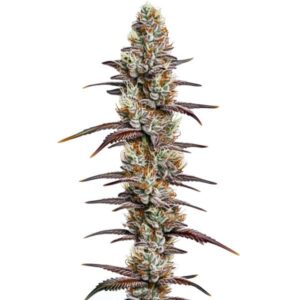
Somango

|
THC | 16% - 21% (Medium) |

|
Type | Feminized |

|
Yield | Medium |

|
Phenotype | 75% Indica / 25% Sativa |
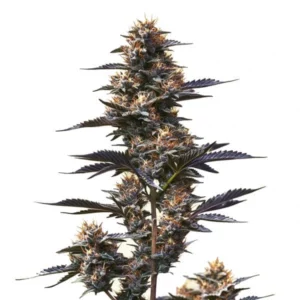
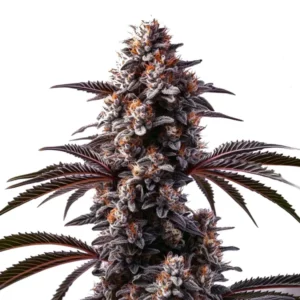
Somango Auto
|
|
THC | 12% - 14% (Low) |
|
|
Type | Autoflowering |
|
|
Yield | Medium |
|
|
Phenotype | 75% Indica / 25% Sativa |
How a 3-Hole Hash Pipe Works
The design and how to use it:
| Element | Role |
|---|---|
| Three holes in the bowl | Hold the hash, act as a screen, control airflow |
| Bowl | Holds a small piece of hash |
| Airflow / cooling | Multiple holes = smoother, cooler draw |
| Best for | Hashish and similar dense material |
| How to use | Small piece over holes, gentle flame, slow modest puffs |
Promos & Deals
What a 3-Hole Hash Pipe Is
A hash pipe is a pipe made for smoking hashish (and similar pressed or sticky cannabis products), and the ‘3-hole’ (or ‘three-hole’) version is a traditional, time-tested design defined by the three small holes at the base of its bowl. Why three holes instead of one? Hash isn’t loose like ground flower, it’s a small, dense, often sticky piece, so it doesn’t need a bowl with a single large hole and a separate screen. Instead, the three small holes cradle the hash, stop it falling through, and let air pull through from multiple points, which both holds the material in place and gives a smoother, more even draw.
The multiple airflow points also help cool the smoke slightly compared with a single channel. These pipes are often simple, durable and portable, part of a long tradition of hash smoking, which is why people search for ‘traditional’ or ‘three-hole’ hash pipes specifically. In short, it’s a purpose-built, classic tool for getting the most out of hash.
How to Use One
Using a 3-hole hash pipe is simple, but a few tips help. Prepare the hash: break or pinch off a small piece, hash is far more potent than flower, so start tiny; if your hash is very soft/sticky you can shape it into a small ball, if it’s hard, you may warm it slightly or crumble it. Load it: place the piece over the three holes in the bowl so it sits securely, covering them enough to hold but not completely blocking airflow. Light and draw: apply a gentle flame (or just hold the flame near, hash lights easily) while taking a slow, steady draw, you don’t need a big harsh pull. Take modest puffs and go slow, given the potency. Maintain it: clean the pipe regularly, since hash residue and tar build up and affect flavor and airflow.
Because hash burns differently from flower (it can smoulder), relight as needed and don’t overload the bowl. Start with a small amount, see how it affects you, and add more only if needed, the same low-and-slow principle that applies to any potent cannabis product.
Vs a Regular Pipe, DIY and Buying
How does it compare to an ordinary pipe? A regular bowl is built for loose ground flower and usually has one larger hole plus a mesh screen; it works for hash too but can let small bits fall through or clog. The 3-hole design is optimised for hash’s dense, sticky form, holding it neatly and giving controlled airflow, so it’s the better dedicated tool if you smoke a lot of hash (though any clean pipe can work in a pinch). On DIY: people do search ‘how to make a hash pipe’, and simple homemade versions exist, but the key rule is the same as for any homemade smoking device, use only non-toxic, heat-safe materials (glass or metal where heat and smoke pass), never plastics, foil or anything that releases fumes when heated (see our DIY bong guide for safe-material principles).
When choosing one to buy, look for durable materials (metal, stone or glass), a comfortable size, and easy cleaning. If you’re newer to smoking devices generally, our guide to what a bong is and how to use it covers the basics. Pick a well-made 3-hole pipe, keep it clean, and use hash sparingly.

FAQs for the 3 Hole Hash Pipe
What makes it a ‘hash’ pipe?
It’s a traditional pipe designed for smoking hashish, with three small holes in the bowl instead of one. The holes cradle a small piece of hash (stopping it falling through), act as a built-in screen, and let air draw from multiple points for a smoother, cooler hit, ideal for hash’s dense, sticky form. Hence ‘three-hole’ or ‘traditional’ hash pipe.
How do I smoke hash in it?
Break off a small piece of hash (it’s potent, start tiny), place it over the three holes so it sits securely without fully blocking airflow, then apply a gentle flame while taking a slow, steady draw. Take modest puffs and go low and slow. Relight as needed since hash smoulders, and clean the pipe regularly to maintain flavor and airflow.
3-hole hash pipe vs normal pipe?
Yes. A regular bowl is made for loose ground flower (one larger hole plus a screen), while a 3-hole hash pipe is optimised for hash’s dense, sticky form, the three small holes hold it in place and control airflow for a smoother draw. A regular pipe can smoke hash in a pinch, but the 3-hole design is the better dedicated tool.
Is a DIY hash pipe okay?
Simple homemade versions exist, but the key rule is safety: use only non-toxic, heat-safe materials, glass or metal where heat and smoke pass, and never plastic, foil or anything that releases fumes when heated. A cheap, well-made pipe is often safer and better than improvising. See our DIY bong guide for safe-material principles if you do build one.