Wooden Pipe for Weed: How to Make and Use One

Quick answer: Yes, you can smoke weed from a wooden pipe, and you can make one yourself. The key is using a dense hardwood like maple, cherry or oak, avoiding resinous softwoods, and sealing it only with a food-safe finish so you are not inhaling anything harmful. Done right, a wooden pipe gives a smooth, characterful smoke.
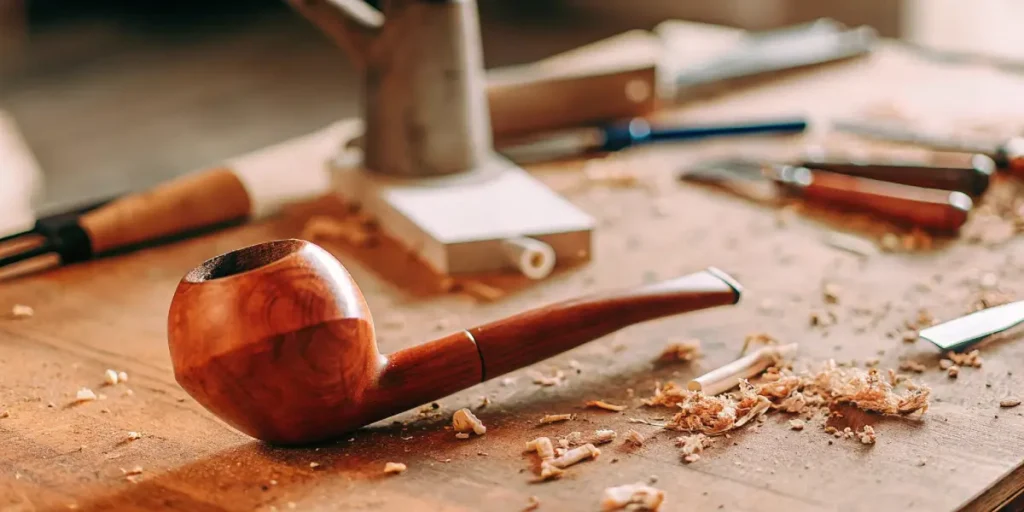
A handmade wooden pipe is one of the most satisfying smoking tools you can own: personal, natural and, if you build it well, genuinely pleasant to use. The craft comes down to three things, choosing the right wood, shaping clean airflow, and finishing it safely, and this guide covers each in turn.
Recommended Strains

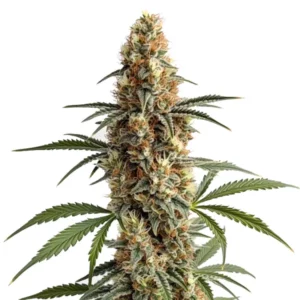
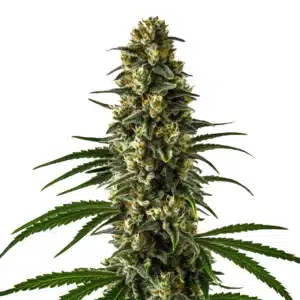
Chemdog #4

|
THC | 18% - 26% (High) |

|
Type | Feminized |

|
Yield | High |

|
Phenotype | 60% Indica / 40% Sativa |
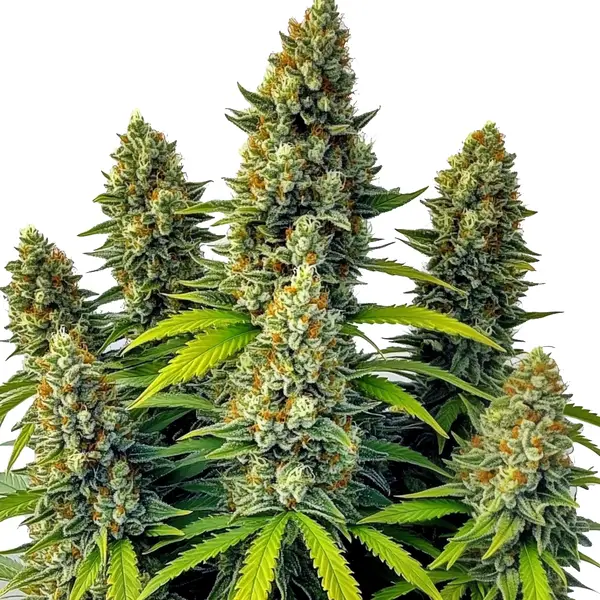
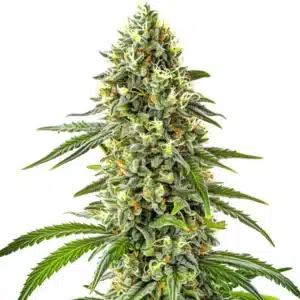
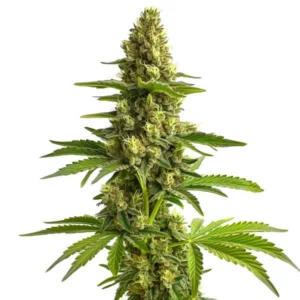
Chemdog Auto
|
|
THC | 18% - 20% (Medium) |
|
|
Type | Autoflowering |
|
|
Yield | Medium |
|
|
Phenotype | 60% Indica / 40% Sativa |
Before the build, it is worth answering the question most people actually search for: is it safe to smoke from wood at all? It is, as long as you pick the right material and avoid toxic finishes, which is exactly what the next section covers.
Can You Smoke Weed in a Wooden Pipe?
Yes, wooden pipes are a traditional, perfectly usable way to smoke cannabis, but the wood matters. Dense hardwoods handle repeated heat without cracking or giving off nasty flavors, while resinous softwoods like pine and cedar can taste awful and release compounds you do not want to inhale. The table below sums up the safe choices:
| Wood | Good for a pipe? | Notes |
|---|---|---|
| Maple | Yes | Smooth grain, easy to carve, light neutral flavor |
| Cherry | Yes | Attractive reddish wood, durable |
| Oak | Yes | Strong and dense, earthy flavor |
| Pine / cedar (softwoods) | No | Resinous, unpleasant taste, crack with heat |
Just as important is the finish: only ever seal the smoking areas with a food-safe oil or wax, never a standard varnish or lacquer, since those can release toxic fumes when heated.
Promos & Deals
Choosing the Right Wood
Hardwoods are the foundation of a good pipe because they are dense, heat-resistant and durable enough to survive repeated use without cracking. Maple is a favorite for its smooth grain and clean, neutral flavor; cherry adds a handsome reddish color and toughness; and oak brings strength with a richer, earthy taste.
Steer clear of softwoods such as pine and cedar. They are resinous, prone to cracking under heat, and impart a harsh, unpleasant flavor, so even though they are easy to find and cheap to work, they make a poor and potentially unsafe smoking pipe.”
Tools You Will Need
You do not need a workshop, just a handful of basics:
- A saw (hand or electric) to cut the wood block to size.
- A drill with assorted bits for the bowl and the airway.
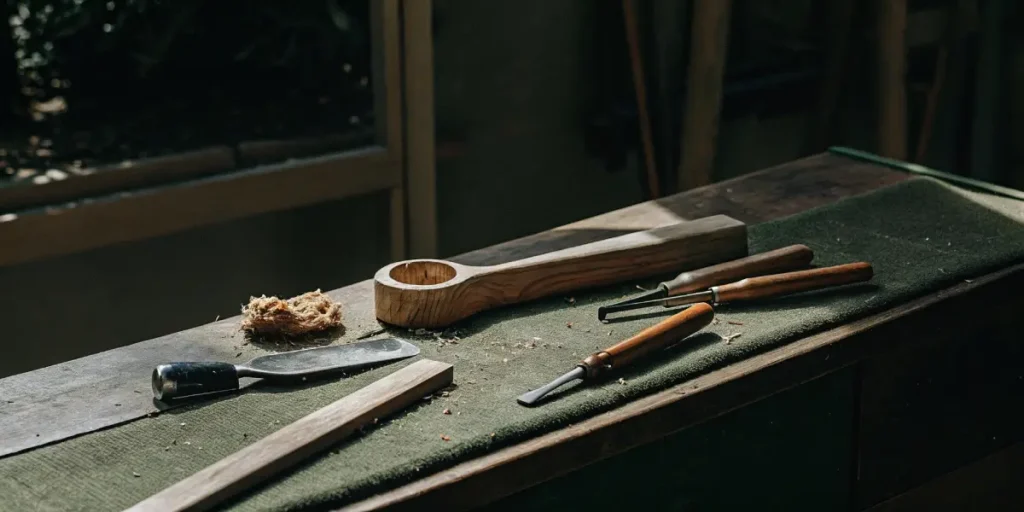
- Carving tools or a whittling knife to shape the bowl and stem.
- Sandpaper in a few grits for a smooth, comfortable finish.
- Food-safe finishing oil or wax to seal the wood.
Good tools make precise airflow far easier, which is the difference between a pipe that draws smoothly and one that fights you on every pull.
How to Make a Wooden Pipe, Step by Step
With wood and tools ready, the build follows a simple sequence:
- Cut the block to roughly 4-5 inches long and 2 inches wide.
- Drill the bowl with a wide bit into the top, about three-quarters to one inch deep.
- Drill the airway with a smaller bit from the side through to the base of the bowl, keeping it straight and smooth.
- Shape the bowl and stem with your carving tools, making it comfortable to hold and draw from.
- Sand it smooth, working from coarse to fine grit.
Take your time on the airway in particular, since a clean, straight channel is what gives you an even, clog-free draw.
Finishing and Caring for Your Pipe
Finish only with a food-safe product such as beeswax or a food-grade oil, and keep it away from the inside of the bowl where it meets direct flame. This is the single most important safety step, because standard varnishes and lacquers can release toxic fumes when heated.
To keep the pipe smoking cleanly, let it cool between sessions, empty the ash, and give it an occasional gentle clean with isopropyl alcohol on the stem and airway. Pair a well-made pipe with properly cured flower (see our guide to curing and storage humidity) and you get the smoothest possible smoke.
FAQs
Can you smoke weed out of a wooden pipe?
Yes. Wooden pipes are a traditional way to smoke cannabis and work well, provided you use a dense hardwood like maple, cherry or oak and seal it with a food-safe finish. Avoid resinous softwoods and standard varnishes, which can taste bad and release harmful fumes when heated.
What is the best wood for a weed pipe?
Dense hardwoods are best: maple for a clean, neutral flavor, cherry for looks and durability, and oak for a stronger, earthy taste. All three resist heat and carving well. Avoid pine, cedar and other softwoods, which are resinous, crack easily and give a harsh, unpleasant smoke.
Is it safe to make your own wooden pipe?
Yes, if you follow two rules: use a non-resinous hardwood, and seal only with a food-safe oil or wax, never ordinary varnish or lacquer. Keep finishes away from the bowl where flame hits the wood. Done this way, a homemade wooden pipe is a safe, enjoyable smoking tool.
How long does a wooden pipe last?
A well-made hardwood pipe, sealed with a food-safe finish and cleaned regularly, can last for years. Letting it cool between sessions, emptying the ash and occasionally cleaning the airway with isopropyl alcohol all extend its life. Softwood pipes, by contrast, crack and degrade quickly under repeated heat.
Does a wooden pipe change the taste of weed?
Yes, subtly. Neutral hardwoods like maple add little, while oak or cherry can lend a faint earthy or sweet note that many smokers enjoy. A new pipe may taste a touch woody until it is broken in. Resinous softwoods, which you should avoid, give a harsh, unpleasant flavor.
How do you break in a new wooden pipe?
Smoke a few small bowls at first and let the pipe cool fully between them, which helps the wood cure to the heat and mellows any faint woody taste. Avoid overpacking or scorching it early on, and give the airway a gentle clean after the first few uses so it draws smoothly from then on.