Best Cannabis Strains for Rheumatoid Arthritis Relief

Key Insight: For managing rheumatoid arthritis, cannabis strains with high CBD content and anti-inflammatory terpenes like beta-caryophyllene are optimal. These components target autoimmune inflammation and joint pain effectively. Strains such as Harlequin and ACDC offer pain relief with minimal psychoactive effects, making them ideal for daily arthritis management without significant intoxication.
When selecting cannabis for rheumatoid arthritis, focus on strains with significant CBD levels and terpenes like myrcene. These compounds are known for their anti-inflammatory properties, crucial for alleviating joint discomfort. Strains such as Harlequin and ACDC are particularly effective, offering a balance of symptom relief without heavy psychoactive effects, suitable for daily use.
Recommended Strains
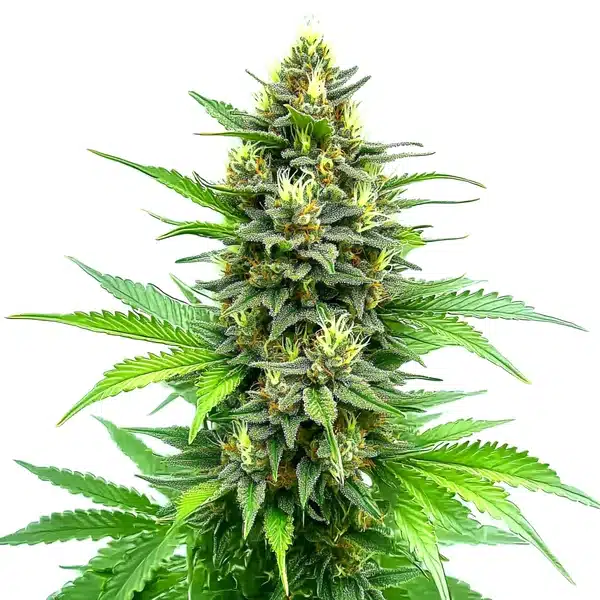
Carmagnola CBD

|
CBD | 9% – 12% (Medium) |

|
Type | CBD Feminized |

|
Yield | Medium |

|
Phenotype | 20% Indica / 80% Sativa |

Cannatonic

|
THC | 4% - 6% (Low) |
|
|
Type | Feminized |
|
|
Yield | High |
|
|
Phenotype | 50% Indica / 50% Sativa |
Overview of Cannabis for Rheumatoid Arthritis
Historical Use and Modern Applications
Throughout history, cannabis has been utilized for its therapeutic properties, particularly in alleviating joint pain and inflammation. Ancient cultures often employed cannabis in infusions and tinctures, recognizing its potential to ease symptoms akin to rheumatoid arthritis. These traditional practices laid the groundwork for contemporary research into cannabis as a natural remedy for chronic conditions.
Modern medicine has embraced these historical insights, with researchers focusing on specific cannabinoid profiles that target inflammation. The integration of advanced genetics and lab testing allows for the development of strains with high CBD and balanced THC, ensuring consistent therapeutic effects for arthritis sufferers.
Top Cannabis Strains for Arthritis Relief
Strains such as Harlequin, ACDC, and Cannatonic are renowned for their efficacy in managing arthritis symptoms. Harlequin, with its high CBD content, offers anti-inflammatory benefits without significant intoxication. ACDC provides a balanced CBD to THC ratio, delivering effective pain relief. Cannatonic is prized for its anti-inflammatory properties, making it a preferred choice for those seeking natural alternatives.
These strains are selected based on their cannabinoid profiles and have undergone rigorous testing to ensure consistency. Patients report significant reductions in pain and improved mobility, highlighting the potential of these strains in managing arthritis symptoms.
Emerging Strains and Research
Recent studies have focused on new strains that might offer improved benefits for arthritis sufferers. Strains like Charlotte’s Web and Ringo’s Gift are gaining attention for their high CBD content and minimal THC levels, providing potent anti-inflammatory effects without psychoactive consequences. These strains are being studied for their potential to offer relief from rheumatoid arthritis symptoms, with some patients reporting enhanced mobility and reduced pain.
Research is also exploring the role of minor cannabinoids like CBG and CBC in inflammation management. These cannabinoids, although present in smaller quantities, may work synergistically with CBD to enhance its effects. As research progresses, these new insights could lead to even more effective cannabis-based treatments for arthritis.
Promos & Deals
How Cannabinoids Help with Inflammation
CBD vs. THC: Effects on Arthritis
Cannabinoids like CBD and THC interact with the body’s endocannabinoid system, modulating inflammation and pain. CBD, in particular, is known for its anti-inflammatory properties, making it a crucial component in arthritis treatment. It helps reduce inflammatory cytokines, thereby alleviating joint pain and stiffness.
THC, while psychoactive, also contributes to pain relief. However, strains with a balanced CBD to THC ratio are preferred for their ability to provide relief without significant intoxication. This balance is essential for daily management of arthritis symptoms.
| Feature / Merkmal | Harlequin | ACDC | Cannatonic |
|---|---|---|---|
| CBD Content | 15-20% | 16-20% | 12-15% |
| THC Content | 5-10% | 1-6% | 6-9% |
| Dominant Terpene | Myrcene | Pinene | Caryophyllene |
| Anti-inflammatory Effect | High | Moderate | High |
| Psychoactive Effect | Low | Very Low | Low |
Integrative Approaches in Treatment
Combining cannabis with conventional medications offers a comprehensive approach to arthritis management. Many patients find that integrating cannabis enhances the effects of traditional treatments, leading to improved symptom relief and reduced side effects. This synergy can be particularly beneficial for those with chronic pain.
Healthcare providers often recommend starting with low doses and gradually adjusting based on individual response. This tailored approach ensures that patients receive the maximum benefit from both cannabis and conventional treatments, enhancing overall quality of life.
Terpenes and Their Role in Arthritis Relief
Terpenes, the aromatic compounds found in cannabis, also play a significant role in managing arthritis symptoms. Beta-caryophyllene, for instance, is known for its ability to bind to CB2 receptors, providing anti-inflammatory effects. Myrcene, another common terpene, may enhance the permeability of cell membranes, increasing the absorption of cannabinoids.
Understanding the terpene profile of a strain can help in selecting the best cannabis for arthritis. Strains with a high concentration of these beneficial terpenes may offer enhanced relief from pain and inflammation, making them a valuable addition to any arthritis treatment plan.
Professional Tips for Using Cannabis for Arthritis
- Start with strains high in CBD, such as Harlequin, to minimize psychoactive effects while maximizing anti-inflammatory benefits.
- Maintain a dosage of 10-15mg of CBD per day to manage inflammation effectively without overconsumption.
- Store cannabis products at 59-70°F (15-21°C) in a dark, dry place to preserve potency.
- Use a vaporizer for immediate relief, as it allows for precise dosing and rapid onset of effects.
- Combine cannabis with other anti-inflammatory supplements like omega-3 fatty acids for enhanced benefits.
- Avoid strains with high THC content if you are sensitive to psychoactive effects, as they may exacerbate anxiety or discomfort.

FAQs about Cannabis for Rheumatoid Arthritis
What cannabis is good for rheumatoid arthritis?
Strains high in CBD, like Harlequin and ACDC, are effective for rheumatoid arthritis. They offer anti-inflammatory benefits without significant psychoactive effects. Harlequin contains 15-20% CBD, while ACDC has 16-20% CBD, making them ideal for managing pain and inflammation.
What is the most successful drug for rheumatoid arthritis?
Methotrexate is often considered the most successful conventional drug for rheumatoid arthritis, used in doses of 7.5-25 mg weekly. It reduces inflammation and slows disease progression. However, integrating cannabis can enhance symptom relief and reduce methotrexate’s side effects.
What kind of edibles are good for arthritis?
Edibles high in CBD, such as gummies or tinctures, are beneficial for arthritis. A typical dose ranges from 10-25 mg of CBD per serving. These edibles provide long-lasting relief from inflammation and pain, making them suitable for chronic symptom management.
What is the most anti-inflammatory cannabinoid?
CBD is the most anti-inflammatory cannabinoid, effectively reducing cytokine production. It is often used in concentrations of 10-20% in therapeutic strains. Its ability to alleviate inflammation without psychoactive effects makes it a preferred choice for arthritis sufferers.
Can cannabis be used alongside conventional arthritis treatments?
Yes, cannabis can complement conventional arthritis treatments. It enhances pain relief and reduces inflammation when used with medications like NSAIDs. Always consult with a healthcare provider to tailor the dosage and ensure safe integration.