Is CBD a Muscle Relaxer? What the Evidence Says

Quick answer: Some people use CBD to help with muscle tension and soreness, and early research is exploring its anti-inflammatory and soothing potential, but CBD is not a proven or classic muscle relaxant. It is non-intoxicating, which is why many prefer it over THC for daytime use, but evidence specific to muscle relaxation is limited and it can interact with medications. If you have ongoing muscle problems, talk to a healthcare professional.
CBD (cannabidiol) is widely used for relaxation and recovery, so it is natural to ask whether it works as a muscle relaxer. Unlike THC, CBD is non-intoxicating, which makes it appealing for people who want to ease tension without feeling high, and it is popular in oils, topicals and capsules marketed for post-exercise and everyday comfort.
Recommended Strains

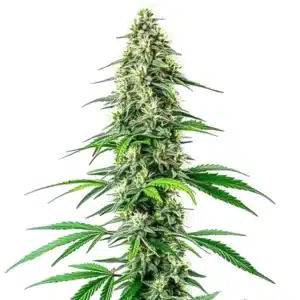
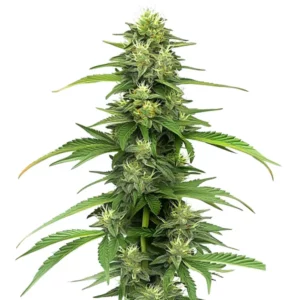
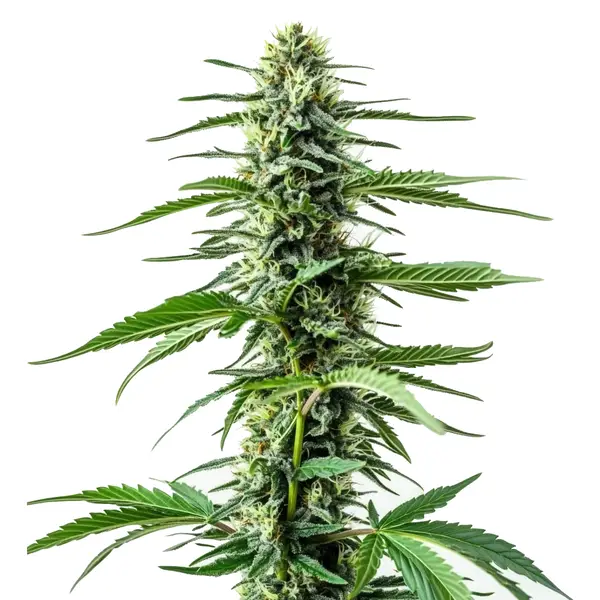
CBD Harle-Tsu

|
CBD | 18% – 20% (Medium) |

|
Type | CBD Feminized |

|
Yield | Medium |

|
Phenotype | 45% Indica / 55% Sativa |
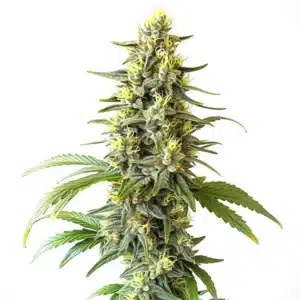
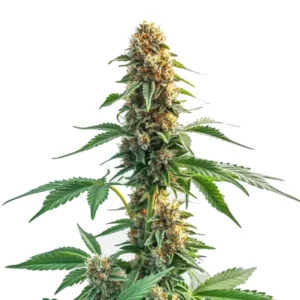
Auto Northern Lights CBD
|
|
CBD | 12% – 15% (Medium) |
|
|
Type | CBD Autoflowering |
|
|
Yield | Medium |
|
|
Phenotype | 85% Indica / 15% Sativa |
The honest position is that CBD shows promise in early research for anti-inflammatory and calming effects that could help with muscle discomfort, but it is not an established, clinically proven muscle relaxant, and it is not the same as a prescription muscle relaxer. This article explains what is known, how CBD compares with THC, and the cautions, as general information, not medical advice.
| CBD | THC | |
|---|---|---|
| Intoxicating? | No | Yes |
| Studied for muscle relaxation via | Possible anti-inflammatory/soothing effects; indirect ECS activity | CB1 receptor activity; some evidence for spasticity |
| Typical appeal | Calmer, clearer; daytime-friendly | Stronger physical relaxation, but a high |
| Proven muscle relaxant? | No, evidence limited | No, not a classic prescription relaxant |
How CBD Might Affect Muscle Tension
CBD interacts with the body’s endocannabinoid system and other pathways in complex ways, and researchers are interested in its anti-inflammatory and anti-anxiety potential, both of which could, in theory, help the experience of tight or sore muscles. Some people use CBD topicals on specific areas or take it orally for a general calming effect, and report feeling more relaxed.
However, ‘may help some people feel more relaxed’ is very different from a proven muscle relaxant. The clinical evidence specific to muscle relaxation is limited, responses vary, and much of the marketing runs ahead of the science. So treat CBD as a wellness option some people find useful, not a guaranteed solution, and keep expectations realistic.
Promos & Deals
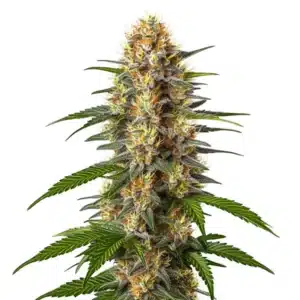
CBD vs THC for Muscle Relaxation
The big difference is intoxication. THC can produce a stronger sense of physical relaxation but comes with a high and, for some, anxiety at higher doses, while CBD is non-intoxicating and chosen for a calmer, clearer experience, which suits daytime use or people who do not want to feel impaired. Some prefer a balanced THC:CBD product to get a middle ground.
Neither is a classic prescription muscle relaxant, and both are areas of ongoing research rather than proven treatments. The right choice depends on the person, the goal and local legality. For the THC side specifically, see our guide on THC as a muscle relaxant, and for the aromatic compounds often discussed alongside them, our guide on terpenes for muscle and nerve pain.
Using CBD Sensibly and Safely
If you want to try CBD for muscle comfort, a few basics help. Start with a low dose and build up slowly, choose reputable products with third-party lab certificates (so you know the CBD content and that THC is within legal limits), and pick a format that fits, topicals for a specific area, oils or capsules for a general effect. Give it time and consistency rather than expecting instant results.
Importantly, CBD can interact with certain medications (it affects how the liver processes some drugs), so talk to a healthcare professional before using it, especially if you take other medicines or have a health condition. CBD is not a substitute for diagnosing and treating the cause of ongoing muscle problems. This is general information, not medical advice; for related reading see our guide on CBD basics.
CBD Topicals vs Oral CBD for Muscles
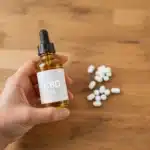
People use CBD for muscles in two main ways. Topicals (creams, balms, roll-ons) are applied directly to a specific area and act locally without entering the bloodstream much, which is why they are popular for targeted, non-intoxicating use after exercise. Oral CBD (oils, capsules) gives a more general, whole-body effect and takes longer to be felt.
Neither is a proven muscle relaxant, and which suits you depends on whether you want localised or general effects. Whatever the format, start low, be consistent, and choose lab-tested products. Remember oral CBD in particular can interact with some medications by affecting how the liver processes them, so a quick conversation with a pharmacist or doctor is wise before combining it with other drugs. This is general information, not medical advice.

FAQs
Is CBD a muscle relaxer?
Not in the proven, clinical sense. Some people use CBD for muscle tension and soreness, and early research is exploring its anti-inflammatory and calming potential, but CBD is not an established muscle relaxant or a replacement for prescription ones. It is non-intoxicating, but evidence is limited and it can interact with medications. Ask a healthcare professional.
CBD or THC for muscle relaxation?
It depends on your preference. THC can give stronger physical relaxation but is intoxicating; CBD is non-intoxicating and chosen for a calmer, clearer effect, suiting daytime use. Some prefer a balanced THC:CBD product. Neither is a proven muscle relaxant, and both are research areas, so discuss options with a professional. This is general information, not medical advice.
How do you use CBD for sore muscles?
People commonly use a CBD topical on the specific area, or take CBD oil or capsules for a general calming effect. Start with a low dose, choose lab-tested products, and be consistent rather than expecting instant results. CBD can interact with some medications, so check with a healthcare professional first. Not medical advice.
Does CBD relax muscles like a prescription muscle relaxer?
No. CBD is not a classic prescription muscle relaxant and should not be treated as a substitute for one. Some people find it helps them feel more relaxed, and research into its anti-inflammatory and calming effects is ongoing, but the evidence for muscle relaxation specifically is limited. Talk to a healthcare professional about muscle problems. Not medical advice.