Best Terpenes for Nerve Pain: Effective Relief Options

Key Terpenes for Nerve Pain: Research identifies five essential terpenes Beta-caryophyllene, Alpha-humulene, Linalool, Geraniol, and Beta-pinene as highly effective for neuropathic pain. These compounds interact with spinal cord receptors and the endocannabinoid system, potentially matching morphine’s efficacy in alleviating chronic nerve pain. This natural approach offers promising alternatives for pain management without the side effects of traditional medications.
Explore the top terpenes for nerve pain, focusing on their unique properties and how they aid in pain relief. Terpenes like Limonene and Beta-Caryophyllene are renowned for their mood-enhancing and anti-inflammatory effects. Discover how these compounds can be integrated into your routine for optimal nerve pain management, offering a natural alternative to conventional treatments.
Recommended Strains

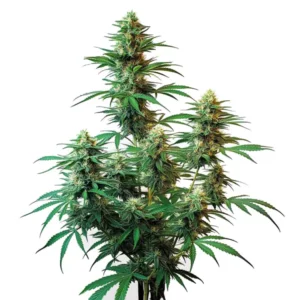
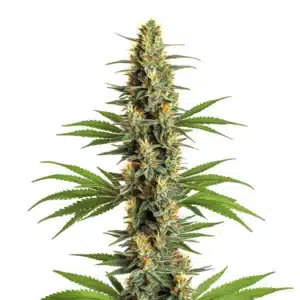
Sour Diesel

|
THC | 22% - 25% (High) |

|
Type | Feminized |

|
Yield | High |

|
Phenotype | 30% Indica / 70% Sativa |

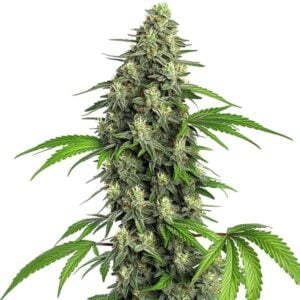
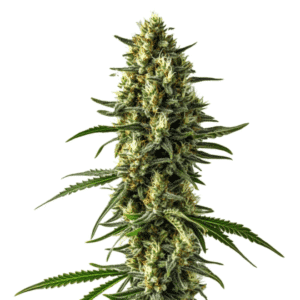
Jack Herer
|
|
THC | 20% (Medium) |
|
|
Type | Feminized |
|
|
Yield | High |
|
|
Phenotype | 40% Indica / 60% Sativa |
Nerve Pain and Terpenes: A Closer Look
How Terpenes Work for Pain Relief
Terpenes are aromatic compounds found in cannabis that interact with the body’s endocannabinoid system. This interaction can modulate pain perception by binding to receptors in the central nervous system. For instance, Beta-caryophyllene directly engages with CB2 receptors, providing anti-inflammatory effects, while Linalool influences GABA receptors to produce calming effects.
Specific terpenes, such as Limonene and Pinene, also exhibit neuroprotective properties. Limonene, found in citrus fruits, enhances serotonin levels, potentially uplifting mood and reducing pain perception. Pinene, abundant in pine trees, aids memory retention and reduces inflammation, making it beneficial for nerve pain relief.
Top Terpenes for Nerve Pain
Beta-Caryophyllene, often found in black pepper, is a potent anti-inflammatory agent. It binds selectively to CB2 receptors, reducing inflammation and pain without psychoactive effects. Limonene, with its citrus aroma, not only elevates mood but also enhances the absorption of other terpenes, amplifying their effects.
Pinene, known for its fresh pine scent, improves airflow and respiratory function, which can be beneficial in reducing inflammation. These terpenes work synergistically, offering a comprehensive approach to managing nerve pain naturally.
The Science Behind Terpene Efficacy
Research indicates that terpenes like Beta-caryophyllene can influence pain pathways. By binding to CB2 receptors, they modulate immune response and inflammation. This is crucial for nerve pain, where inflammation often exacerbates symptoms. Linalool’s interaction with GABA receptors can reduce the heightened nerve activity associated with pain.
Moreover, terpenes like Geraniol and Alpha-humulene have shown potential in reducing oxidative stress, which is a contributing factor in chronic pain conditions. Their antioxidant properties help protect nerve cells from damage, providing a dual approach to pain management by addressing both inflammation and cellular health.
Promos & Deals
Best Strains for Nerve Pain Relief
Sour Diesel: Limonene and Pinene Rich
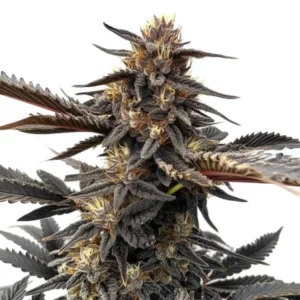
Sour Diesel is celebrated for its invigorating effects and high Limonene content, ranging from 0.5-0.8%. This terpene enhances mood and reduces stress. Pinene, present at 0.1-0.3%, provides anti-inflammatory benefits and supports cognitive function, making Sour Diesel a top choice for nerve pain relief.
The combination of these terpenes in Sour Diesel offers a balanced approach to managing nerve pain. Its uplifting and energizing effects make it ideal for daytime use, promoting mental clarity while alleviating discomfort.
| Feature | Beta-Caryophyllene | Limonene | Pinene |
|---|---|---|---|
| Receptor Target | CB2 | Serotonin | GABA |
| Primary Effect | Anti-inflammatory | Mood enhancement | Memory retention |
| Aroma Profile | Peppery, spicy | Citrus, fresh | Pine, earthy |
| Concentration Range | 0.4-0.7% | 0.5-1.0% | 0.1-0.5% |
| Synergistic Effects | Enhances THC effects | Boosts absorption | Reduces inflammation |
Jack Herer: Beta-Caryophyllene Benefits
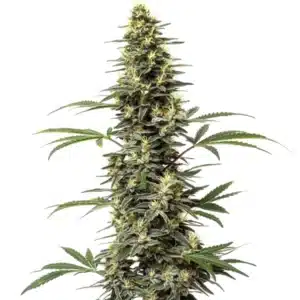
Jack Herer stands out with its Beta-Caryophyllene content, typically between 0.3-0.6%. This terpene’s anti-inflammatory properties are complemented by Limonene, which enhances mood and reduces anxiety. Together, they provide a comprehensive approach to nerve pain management.
Jack Herer’s unique terpene profile not only alleviates pain but also promotes focus and creativity. It’s a versatile strain suitable for various activities, ensuring pain relief without sedation.
Maximizing Terpene Benefits
Integrating Terpenes into Your Routine
Incorporating terpenes into your daily routine can enhance their benefits. Start with small doses of terpene-rich strains and gradually increase as needed. Consistency is key, so consider using oils or tinctures for precise dosing. Track your progress to identify the most effective terpenes for your needs.
Maintaining a journal can help you monitor changes in pain levels and overall wellness. Adjust your routine based on your findings, and always adhere to product guidelines for dosing. This methodical approach ensures optimal results and minimizes potential side effects.
Combining with Other Natural Remedies
Combining terpene therapy with other natural remedies can amplify its effects. A balanced diet, regular exercise, and stress management techniques complement the anti-inflammatory properties of terpenes. Herbal teas and essential oils can further enhance their benefits.
Experiment with different combinations to find what works best for you. Pairing your terpene regimen with these practices supports overall health and improves pain management. This holistic approach ensures a comprehensive strategy for nerve pain relief.
Professional Tips for Terpene Use
- Consume 10-15mg of terpene-rich cannabis for nerve pain relief. Start low to assess tolerance and avoid overconsumption, which can lead to unwanted side effects.
- Maintain a consistent schedule for terpene use. Regularity enhances the body’s adaptation and optimizes pain relief.
- Pair terpenes with a balanced diet to support their anti-inflammatory effects. Avoid high sugar intake, which can exacerbate inflammation.
- Incorporate stress management techniques, like meditation, to enhance terpene efficacy. Stress can heighten pain perception, reducing terpene effectiveness.
- Track the 2.5-ounce possession limit in Virginia. Exceeding this can result in legal consequences, impacting your ability to access terpene-rich products.
- Avoid analog hygrometers for storage. Use digital ones to ensure 58-62% RH, preserving terpene integrity and preventing mold.

FAQs on Terpenes and Nerve Pain
Which strain is best for nerve pain?
Sour Diesel is highly recommended for nerve pain due to its high Limonene and Pinene content. These terpenes provide mood enhancement and anti-inflammatory benefits. With THC levels ranging from 18-26%, it offers effective pain relief while maintaining mental clarity. Its energizing effects make it suitable for daytime use.
What works immediately for nerve pain?
Inhalation methods, such as vaping or smoking, provide the fastest relief for nerve pain, often within minutes. Strains high in Limonene, like Sour Diesel, are effective due to their quick absorption and mood-enhancing properties. Always start with small doses to gauge your body’s response and avoid overconsumption.
What is the strongest herb for nerve pain?
GG4, also known as GG, is renowned for its potent pain-relieving properties. Its high THC content, between 25-30%, combined with Beta-Caryophyllene and Limonene, offers strong analgesic and anti-inflammatory effects. This makes GG4 a top choice for managing severe nerve pain, providing relief without heavy sedation.
Which terpene is anti-inflammatory?
Beta-Caryophyllene is a prominent anti-inflammatory terpene found in cannabis. It binds to CB2 receptors in the endocannabinoid system, reducing inflammation and pain. Typically present in concentrations of 0.4-0.7%, it offers therapeutic benefits without psychoactive effects, making it ideal for pain management.
How to store terpene-rich cannabis?
Store terpene-rich cannabis at 58-62% RH and 59-70°F (15-21°C) to preserve its potency and aroma. Use airtight containers and keep them in a dark place to prevent terpene degradation. Avoid exposure to light and air, which can diminish the therapeutic effects of the terpenes over time.