How to Grow Pineapple Kush Strain

Summary: Want to grow Pineapple Kush strain? This Indica-dominant hybrid (OG Kush x Pineapple) flowers in 8–10 weeks. It offers a tropical 18% THC experience. Ideal for beginners, it thrives in temperate climates but requires strict humidity control to protect its dense, resinous buds from mold.
Pineapple Kush Weed Strain Description
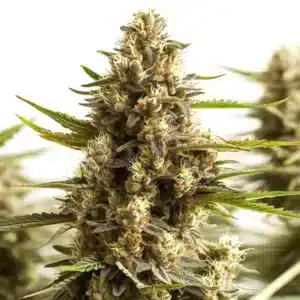
The Pineapple Kush weed strain is a world-class hybrid that perfectly bridges the gap between tropical flavor and classic “Kush” power. Born from the legendary OG Kush and a sweet Pineapple parent, this plant is mostly Indica. It is famous for a “heady” soaring start followed by a deep, relaxing body high. Cultivators choose it because it is resilient, but achieving the maximum pineapple kush effects requires precise environmental management.
Recommended Strains

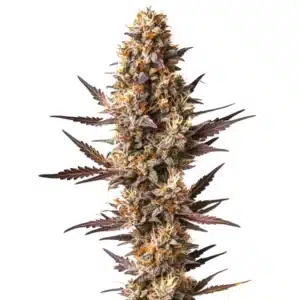
Pineapple Kush

|
THC | 16% - 18% (Medium) |

|
Type | Feminized |

|
Yield | High |

|
Phenotype | 70% Indica / 30% Sativa |

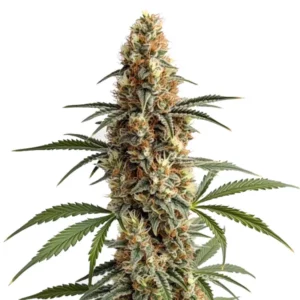
Pineapple Autoflower
|
|
THC | 12% - 15% (Medium) |
|
|
Type | Autoflowering |
|
|
Yield | High |
|
|
Phenotype | 55% Indica / 45% Sativa |
Biologically, this strain is an efficient producer. It doesn’t stretch as aggressively as pure Sativas, making it a “Seed Hero” for indoor growers with height limits. Its chemical profile is heavy in Myrcene and Limonene. This creates the “Entourage Effect,” where terpenes work with THC to reduce stress and physical pain without instant “couch-lock,” unless consumed in high amounts.
Pineapple Kush Sativa or Indica? The Genetics
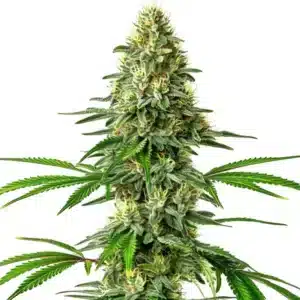
When asking if Pineapple Kush is Sativa or Indica, the answer lies in its 70/30 Indica-dominant split. The Indica side provides the squat structure and dense floral clusters. The Sativa side manifests in the thin-fingered fan leaves and the cerebral clarity users feel initially. This genetic balance makes it a top choice for those who need medicine that doesn’t completely drain their energy during the day.
Promos & Deals



Optimal Growth Environment and Technical Requirements
To successfully grow Pineapple Kush strain, you must focus on the “big five”: light, air, water, nutrients, and temperature. Indoors, your lighting must provide a strong Photosynthetic Photon Flux Density (PPFD). During flowering, aim for 600–900 µmol/m²/s. If you use CO2 supplementation, you can push these levels higher to increase bud density and resin production. Proper PAR (Photosynthetically Active Radiation) levels ensure the plant manufactures enough sugars for those thick pineapple kush weed buds.
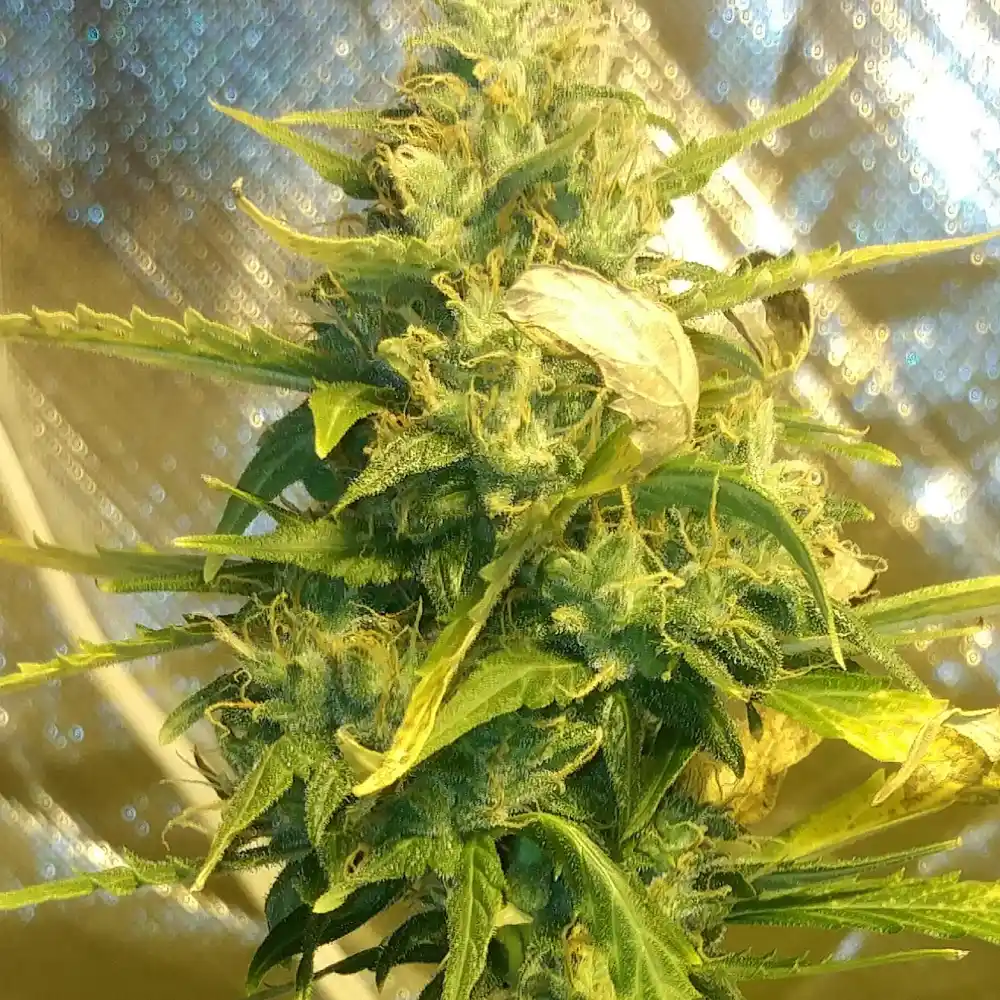
Humidity is the most dangerous factor for this strain. Because the buds are very dense, they trap moisture easily. During the vegetative stage, keep Relative Humidity (RH) at 60%. However, once you hit the flowering stage, you must drop this to 40–45%. High humidity after week 6 of bloom is a recipe for Botrytis (grey mold). Always use oscillating fans to ensure air reaches the center of the plant canopy.
| Feature | Pineapple Kush | OG Kush | Pineapple Express |
|---|---|---|---|
| Type | Indica Dominant | Balanced Hybrid | Sativa Dominant |
| THC Content | 16% – 18% | 20% – 24% | 18% – 22% |
| Flower Time | 8 – 10 Weeks | 8 – 9 Weeks | 9 – 10 Weeks |
| Terpene Profile | Pinene, Caryophyllene | Myrcene, Limonene | Caryophyllene, Limonene |
| Ease of Growth | Easy/Beginner | Moderate | Easy |
| Primary Effect | Mellow Relaxation | Heavy Sedation | Energetic Buzz |
Advanced Nutrition and Pest Protocol
Nutrition for the pineapple kush strain should be handled with a “less is more” approach initially. During the vegetative stage, use a NPK ratio of 3-1-1. This supports the Nitrogen needed for leaf production. As you enter the flowering stage, transition to a 1-3-2 ratio. High Phosphorus (P) and Potassium (K) are vital for ATP production and building the weight of the flower. Always maintain a pH of 6.0–6.5 in soil or 5.5–6.0 in hydroponics to prevent nutrient lockout.
For pest control, we recommend a strict “Integrated Pest Management” (IPM) program. Since Pineapple Kush is susceptible to spider mites due to its dense foliage, apply Neem oil once a week during the vegetative phase. Never spray anything on the buds during flowering. To combat mold, use Bacillus amyloliquefaciens as a root drench to boost the plant’s natural systemic immunity against fungus.
Professional Tips for Elite Quality
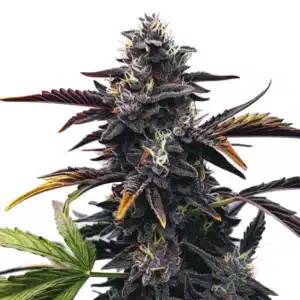
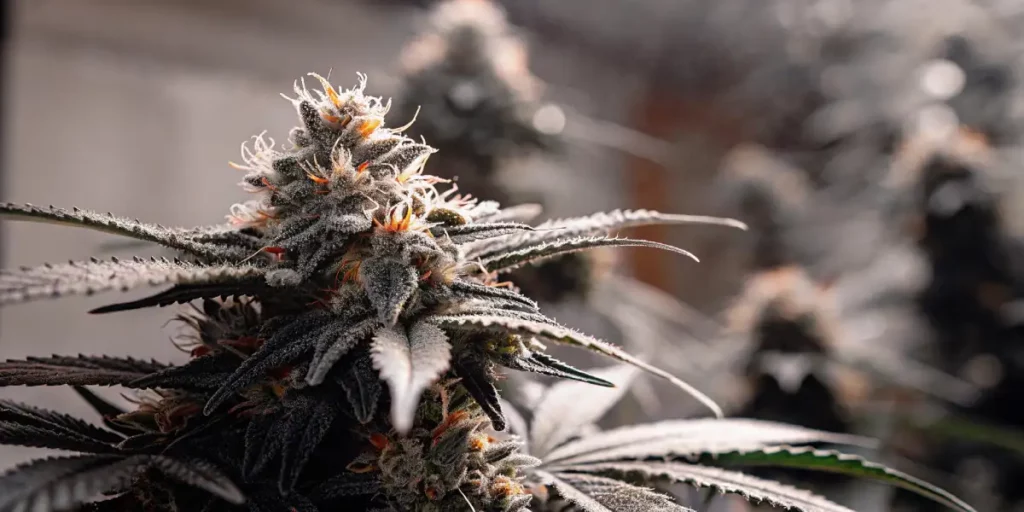
- Cold Shocking: Drop your night temperatures to 55°F (13°C) during the last two weeks of bloom. This often triggers the pineapple kush weed to show beautiful purple and blue hues.
- Stem Scraping: When taking clones, lightly scrape the bottom inch of the stem to expose the cambium layer. This creates more surface area for roots and speeds up the process.
- LST Mastery: Use Low-Stress Training to pull the main branches outward. This creates a flat “sea of green” where every bud site gets the same light intensity.
- The 48-Hour Dark Trick: Some pros keep the plants in total darkness for 48 hours before harvest. This can lead to a final “sap surge” of resin glands.
Pineapple Kush Strain Effects and Benefits
The pineapple kush strain effects are highly valued in the medical community. Because it contains Beta-Caryophyllene, it interacts directly with the CB2 receptors in the body to help with inflammation. It provides a peaceful mental state that is perfect for those dealing with anxiety or chronic stress. For recreational users, the pineapple kush effects offer a happy, creative window that eventually settles into a comfortable physical relaxation that doesn’t feel overly heavy.
FAQs
What is the THC content of Pineapple Kush Weed Strain?
The THC level of the Pineapple Kush strain usually sits between 16% and 18%. This makes it a perfect “session” weed. It is strong enough to feel the effects immediately, but not so overwhelming that beginners will feel uncomfortable. It is known for its smooth, consistent potency that works well for both day and evening use.
How long does Pineapple Kush Weed Strain take to flower?
Pineapple Kush has a flowering window of 8 to 10 weeks. If you are growing outdoors, you will likely harvest in late September or early October. For indoor growers, most phenotypes are ready at the 63-day mark. Always check the trichomes with a 30x microscope to ensure they are milky white before cutting the plant down.
What flavors and terpenes are found in Pineapple Kush Weed Strain?
This strain features a rich profile of Limonene (citrus), Myrcene (earthy), and Pinene (pine). This creates a flavor that tastes like fresh pineapple mixed with a classic earthy Kush spice. Some users even report a creamy, cheesy finish. These terpenes are responsible for the uplifting yet calming pineapple kush effects that fans love.
Is Pineapple Kush Weed Strain easy to grow for beginners?
Yes, it is considered very beginner-friendly. It is a hardy plant that handles small mistakes with nutrients or water better than most pure Sativas. However, beginners must be careful with humidity. As long as you have good airflow and keep the room dry during the last month of flowering, you will be rewarded with a bountiful, sweet-smelling harvest.