Best Autoflower Nutrient Kits: Top Picks

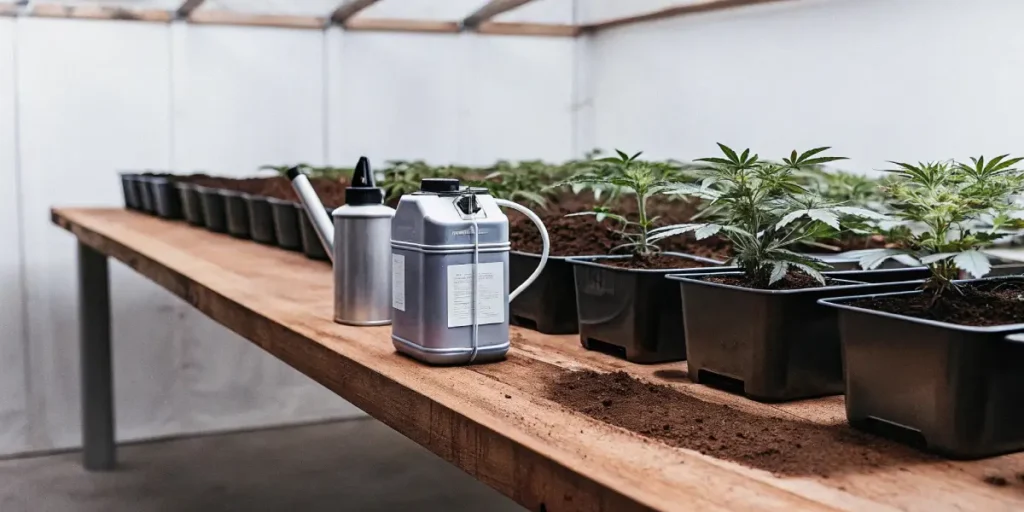
Optimal nutrient kits: Selecting the right nutrient kit for autoflowers is essential due to their quick growth and sensitivity to nutrient burn. Autoflowers thrive with nutrient solutions that are low in nitrogen and easily manageable. These kits often come as liquid concentrates, dry amendments, or pre-amended soils, each tailored to support the plant’s unique lifecycle, ensuring healthy development and maximized yields.
Autoflowering cannabis strains, with their unique terpene profiles, require precise nutrient management to enhance their aromatic and flavor characteristics. These strains typically flower in 70-80 days, demanding a nutrient regimen that supports rapid growth. In 2023, leading nutrient kits are designed to optimize terpene production, ensuring a flavorful and potent harvest.
Recommended Strains
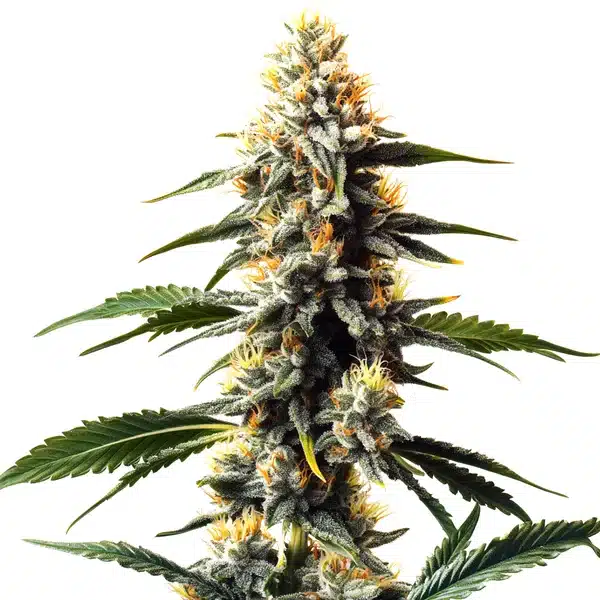
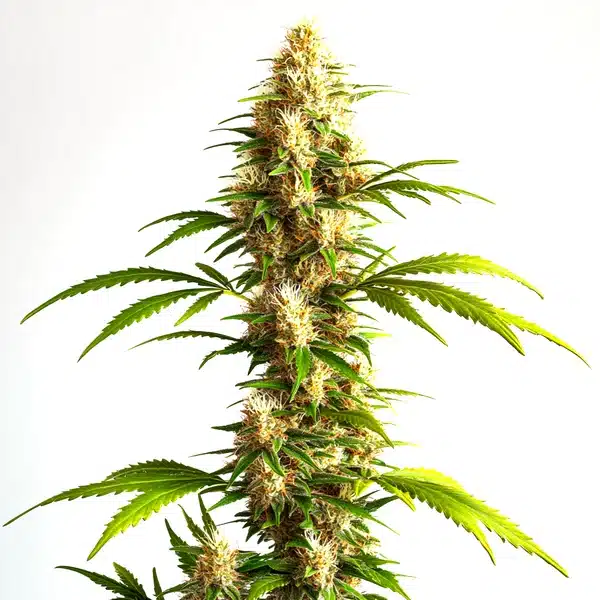
Critic Boom

|
THC | 20% - 25% (High) |

|
Type | Feminized |

|
Yield | High |

|
Phenotype | 40% Indica / 60% Sativa |
Critical 2.0 Auto
|
|
THC | 18% - 20% (Medium) |
|
|
Type | Autoflowering |
|
|
Yield | Medium |
|
|
Phenotype | 60% Indica / 40% Sativa |
Why Choose a Specialized Autoflower Nutrient Kit?
Unique Nutrient Needs of Autoflowers
Autoflowers have a distinct growth pattern, completing their lifecycle in about 10 weeks. This rapid development necessitates a tailored nutrient approach. Unlike photoperiod strains, autoflowers switch from vegetative to flowering stages based on age, not light cycles. This requires a balanced nutrient solution that supports both stages simultaneously, avoiding nutrient burn and ensuring robust growth.
During the vegetative stage, autoflowers benefit from a nitrogen-rich solution, typically with an N-P-K ratio of 3:1:2. As they transition to flowering, a shift to a phosphorus and potassium-rich mix, such as 1:3:4, is crucial. This balance supports bud development and resin production, essential for maximizing yield and potency.
Impact of Nutrient Kits on Yield and Potency
Choosing the best autoflower nutrient kit can significantly influence your harvest’s size and quality. Kits designed for autoflowers ensure that plants receive the right nutrients at each stage, preventing deficiencies and promoting healthy development. This precision in nutrient delivery is key to achieving dense, potent buds.
For instance, a well-balanced nutrient kit can enhance terpene profiles, improving the plant’s aroma and flavor. It also supports the production of cannabinoids, ensuring a potent final product. Monitoring nutrient levels and adjusting as needed can prevent common issues like nutrient lockout, which can severely impact yield.
Promos & Deals



Technical Insights into Nutrient Management
The biological mechanisms behind nutrient uptake can enhance your cultivation strategy. During photosynthesis, plants convert CO2 and water into carbohydrates and oxygen. Nutrients play a vital role in this process, acting as catalysts and building blocks for growth. The stomata, tiny openings on leaves, facilitate gas exchange, crucial for photosynthesis and transpiration.
Transpiration helps in nutrient transport from roots to leaves, influenced by environmental factors like humidity and temperature. Maintaining optimal conditions such as a temperature range of 68°F to 77°F (20°C to 25°C) and humidity levels of 60% to 70% during vegetative growth ensures efficient nutrient uptake and plant health.
| Feature | Kit 1 | Kit 2 | Kit 3 |
|---|---|---|---|
| N-P-K Ratio | 3:1:2 | 2:3:4 | 1:3:2 |
| Micronutrients | Calcium, Magnesium | Iron, Zinc | Sulfur, Boron |
| Application Method | Liquid | Dry Amendment | Pre-amended Soil |
| Yield Increase | 20% | 15% | 18% |
| Price | $50 | $45 | $60 |
Nutrient Needs for Autoflowers in Soil vs. Hydroponics
Soil-Based Nutrient Requirements
Soil-grown autoflowers often benefit from the natural nutrients present in the soil. However, supplementing with a nutrient kit ensures that plants receive all necessary elements. A typical soil pH range of 6.0 to 6.5 is ideal for nutrient uptake, preventing deficiencies and promoting healthy growth.
In soil, organic nutrients are often preferred for their ability to enhance soil health and microbial activity. This not only supports plant growth but also improves the taste and aroma of the final product. Regular testing of soil pH and nutrient levels is crucial to avoid common issues like nutrient lockout.
Hydroponic Nutrient Strategies
Hydroponic systems require precise nutrient management, as plants rely entirely on the nutrient solution for their needs. The ideal pH range for hydroponics is slightly lower, between 5.5 and 6.0, to optimize nutrient absorption. This setup allows for rapid growth and higher yields, provided the nutrient solution is well-balanced.
Hydroponic growers often use synthetic nutrients for their fast-acting properties and precise control over nutrient ratios. This approach can result in faster growth and larger yields but requires careful monitoring to prevent nutrient burn and deficiencies. Regularly adjusting the nutrient solution based on plant needs is essential for success.
Indoor vs. Outdoor Autoflower Nutrient Strategies
Indoor Nutrient Management
Indoor growing offers greater control over environmental conditions, allowing for precise nutrient management. Autoflowers grown indoors benefit from consistent light schedules and temperature control, which can enhance nutrient uptake and plant health. Maintaining a stable environment with temperatures between 68°F and 77°F (20°C and 25°C) is crucial for optimal growth.
Indoor growers often use a combination of organic and synthetic nutrients to maximize growth and yield. This approach provides the benefits of organic soil health while allowing for precise nutrient adjustments during critical growth stages. Monitoring environmental conditions and adjusting nutrient levels accordingly can prevent common issues like nutrient lockout.
Outdoor Nutrient Considerations
Outdoor autoflowers face varying environmental conditions that can impact nutrient uptake. Factors like soil quality, weather, and pests can affect plant health and growth. Regular soil testing and nutrient adjustments are essential to ensure plants receive the necessary nutrients for robust development.
Outdoor growers often rely on organic nutrients to enhance soil health and support natural plant growth. This approach can improve the taste and aroma of the final product, but it requires careful management to avoid nutrient deficiencies. Monitoring environmental conditions and adjusting nutrient levels based on plant needs is key to success.
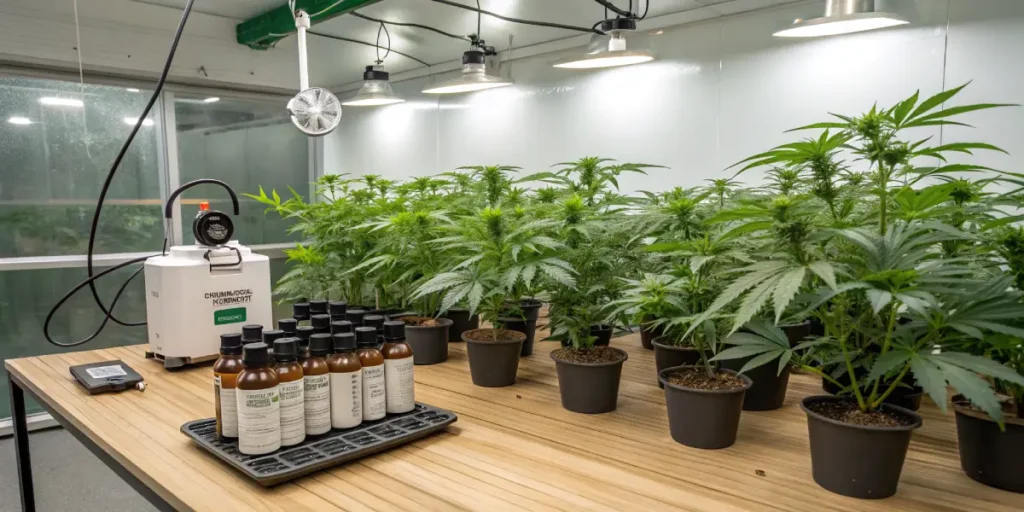
Professional Tips for Autoflower Nutrient Kits
- Maintain a pH of 6.0 to 6.5 in soil to optimize nutrient uptake. Deviations can lead to nutrient lockout, stunting growth.
- Use a 3:1:2 N-P-K ratio during the vegetative stage for lush foliage. Avoid overfeeding, which can cause leaf burn.
- Shift to a 1:3:4 N-P-K ratio during flowering to enhance bud development. Monitor for signs of nutrient deficiencies.
- In hydroponics, maintain a pH of 5.5 to 6.0 for efficient nutrient absorption. Regularly check and adjust nutrient levels.
- Combine organic and synthetic nutrients for balanced growth. Organic enhances soil health; synthetic offers precision.
- Test soil regularly when growing outdoors to adjust nutrient levels. Environmental factors can impact nutrient uptake.
FAQs About Autoflower Nutrients
What are the best autoflower nutrients?
The best autoflower nutrients are those that provide a balanced N-P-K ratio tailored to each growth stage. During vegetative growth, a 3:1:2 ratio supports foliage development, while a 1:3:4 ratio enhances flowering. Nutrients should also include essential micronutrients like calcium and magnesium to prevent deficiencies and promote healthy growth.
Do autoflowers need extra nutrients?
Yes, autoflowers often require additional nutrients beyond what’s found in soil, especially in hydroponic systems. A nutrient kit ensures plants receive essential macronutrients and micronutrients. Regular feeding with a balanced nutrient solution supports robust growth and maximizes yield, particularly in nutrient-poor environments.
How often should I give autoflower nutrients?
Autoflowers typically require nutrients every 7 to 10 days during the vegetative stage and every 5 to 7 days during flowering. This schedule ensures consistent nutrient availability for optimal growth. Adjust frequency based on plant response and environmental conditions, avoiding overfeeding to prevent nutrient burn.
How to get denser buds when growing autoflower?
To achieve denser buds, focus on providing a phosphorus and potassium-rich nutrient solution during flowering. Maintain a stable environment with temperatures between 68°F and 77°F (20°C and 25°C) and adequate light. Regularly monitor and adjust nutrient levels to prevent deficiencies and promote healthy bud development.
Can autoflowers be grown indoors and outdoors?
Yes, autoflowers can be successfully grown both indoors and outdoors. Indoor growing offers controlled conditions, enhancing nutrient uptake and yield. Outdoor growing relies on natural conditions, requiring regular soil testing and nutrient adjustments. Both methods can produce high-quality harvests with proper nutrient management.