Week 3 Autoflower: Growth and Optimization Tips

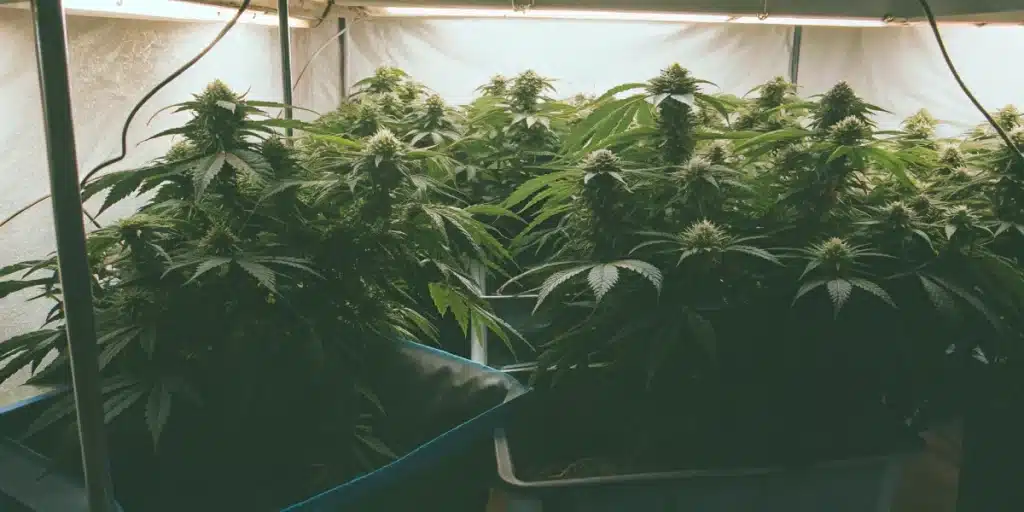
Week 3 Autoflower Growth: By the third week, autoflowering cannabis plants undergo rapid vegetative growth, characterized by increased leaf production and stem strengthening. Maintaining a consistent 18/6 light cycle is crucial, as it supports photosynthesis and energy accumulation. Nutrient levels should be adjusted to promote robust vegetative development, with a focus on nitrogen. This stage sets the foundation for pre-flowering, ensuring a healthy transition into the next growth phase.
In the third week of autoflower growth, your plants enter a phase of vigorous leaf and stem development, crucial for pre-flowering preparation. Terpenes like Myrcene and Limonene begin to develop, influencing the plant’s aroma and potential effects. Ensuring optimal flowering time and environmental conditions can significantly impact the plant’s overall health and yield.
Recommended Strains
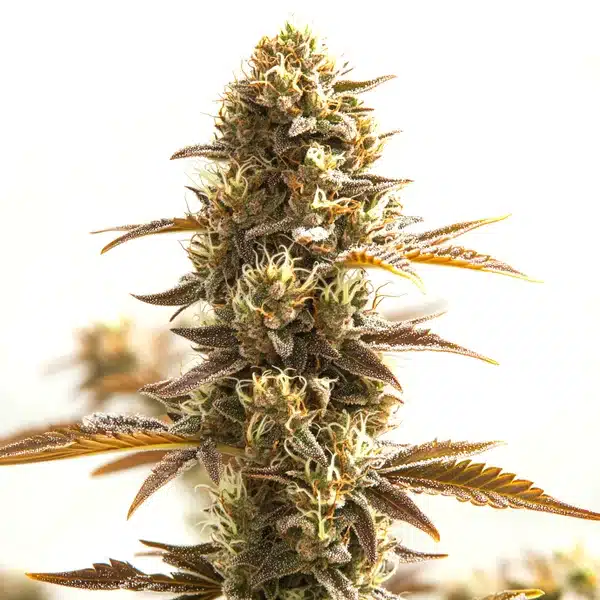
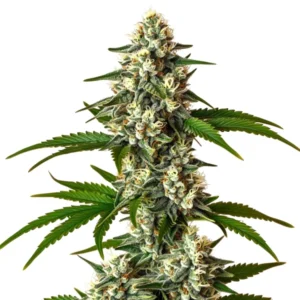
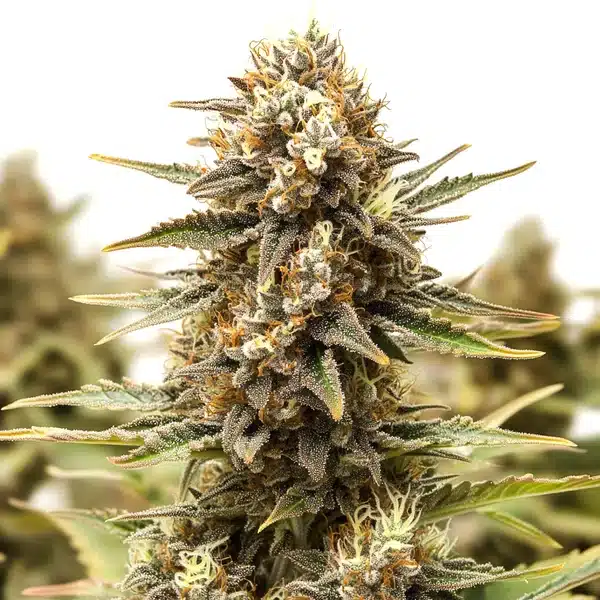
Orange Bud

|
THC | 16% - 23% (Medium) |

|
Type | Feminized |

|
Yield | Medium |

|
Phenotype | 45% Indica / 55% Sativa |
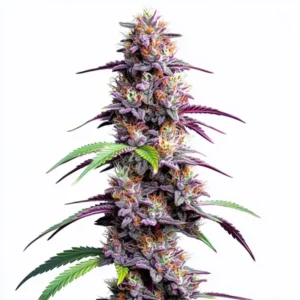
Orange Cake
|
|
THC | 18% - 23% (Medium) |
|
|
Type | Feminized |
|
|
Yield | High |
|
|
Phenotype | 50% Indica / 50% Sativa |
Overview of Week 3 Development
Key Growth Indicators
During Week 3, autoflowers show noticeable changes as they transition into the early vegetative stage. The plant’s structure becomes more robust, with a marked increase in leaf production and stem strength. This growth is driven by enhanced photosynthesis, which is critical for energy accumulation and future bud development.
Photosynthesis efficiency increases as light exposure is optimized, typically with an 18/6 light cycle. This cycle supports the plant’s metabolic processes, ensuring that energy is directed towards leaf and stem growth. The emergence of pre-flowers at the nodes signals the plant’s readiness for the next growth phase.
Optimizing Your Autoflower in Week 3
To optimize growth during Week 3, focus on maintaining a stable environment. Light intensity should be around 600-800 µmol/m²/s to support photosynthesis without overwhelming the plant. Nutrient solutions should be adjusted to a ratio of N:P:K 3:1:2, promoting healthy leaf and stem development.
Ensure that the environment is conducive to growth by maintaining temperatures between 70°F and 80°F (21°C to 27°C) and humidity levels at 50-60%. These conditions minimize stress and support the plant’s metabolic activities, crucial for robust development.
Promos & Deals

Common Challenges in Week 3
Stunted Growth Solutions
Stunted growth during Week 3 can result from nutrient imbalances, inadequate lighting, or environmental stress. Regularly assess your nutrient regimen to ensure the plant receives adequate nitrogen, which is vital for leaf expansion. Adjust lighting to ensure sufficient intensity, preventing slow growth.
Monitor environmental conditions closely. Fluctuations in temperature or humidity can divert the plant’s energy towards stress responses rather than growth. Maintain stable conditions to support continuous development and prevent stunted growth.
Watering Best Practices
Proper watering is crucial during Week 3, as the plant’s root system is still developing. Overwatering can lead to root rot, while underwatering can cause dehydration. Water only when the top inch of the soil feels dry, ensuring that the plant receives adequate moisture without excess.
Using well-draining soil or a hydroponic setup can help regulate water levels. This prevents common pitfalls associated with improper watering, ensuring that your autoflowers receive consistent care and support during this critical growth phase.
| Feature / Merkmal | Blue Dream | GG4 Fast Version | Bruce Banner Auto |
|---|---|---|---|
| THC Percentage | 19-24% | 25-30% | 20-25% |
| Dominant Terpene | Myrcene | Caryophyllene | Limonene |
| Flowering Time | 8-9 weeks | 7-8 weeks | 9-10 weeks |
| Yield (Indoor) | 1.5-2 oz/ft² (450-600 g/m²) | 2-2.5 oz/ft² (600-750 g/m²) | 1.8-2.2 oz/ft² (500-650 g/m²) |
| Effect | Euphoric, Relaxing | Relaxed, Uplifted | Energizing, Happy |
Deep Dive into Environmental Factors
Temperature and Humidity Control
Maintaining the correct temperature and humidity is vital for a 3-week old autoflower plant. Daytime temperatures should remain between 20°C and 25°C (68°F – 77°F), with a drop of 8°C – 11°C (15°F – 20°F) at night. This fluctuation mimics natural conditions, promoting healthy growth. Humidity should be kept at 60% – 70% during the vegetative stage, ensuring optimal transpiration and respiration processes.
CO2 Enrichment
CO2 is essential for photosynthesis in a 3 week old autoflower. Increasing CO2 levels can enhance growth by improving the plant’s ability to convert light into energy. Aim for a CO2 concentration of 1200-1500 ppm, which can significantly boost photosynthetic rates and lead to more vigorous growth. Ensure proper ventilation to prevent CO2 buildup, which can be detrimental.
Preparing for Pre-flowering
Signs of Pre-flowering
As Week 3 concludes, look for signs of pre-flowering, such as the development of tiny pistils at the nodes. These indicators suggest that the plant is transitioning toward the flowering stage. Each strain may exhibit these signs at different times, so close observation is essential for timely adjustments.
Ensure that your nutrient regimen supports this transition by gradually increasing phosphorus and potassium levels. This shift aids in bud development, preparing the plant for the energy-intensive flowering phase.
Nutrient Shifts for Bud Development
Adjusting nutrient solutions to include higher phosphorus and potassium levels is crucial as the plant approaches pre-flowering. This change supports the formation of buds, enhancing the plant’s ability to produce high-quality flowers. Gradual adjustments prevent nutrient shock, ensuring a smooth transition.
Monitoring the plant’s response to these changes is vital. Look for signs of nutrient deficiencies or excesses, such as leaf discoloration or curling, and adjust your regimen accordingly. This proactive approach supports robust bud development and overall plant health.
Professional Tips for Week 3 Autoflower Growth
- Maintain 18/6 light cycle to optimize photosynthesis. Deviating can disrupt growth, reducing yield potential.
- Ensure temperatures stay between 70°F and 80°F (21°C to 27°C). Fluctuations can stress plants, hindering development.
- Use a nutrient ratio of N:P:K 3:1:2. Incorrect ratios can lead to nutrient deficiencies, affecting growth.
- Water only when the top inch of soil is dry. Overwatering can cause root rot, stunting growth.
- Monitor humidity levels at 50-60%. High humidity can promote mold, while low levels can stress plants.
- Observe for pre-flowering signs. Late detection can delay nutrient adjustments, impacting bud quality.
FAQs
Should I remove fan leaves during flowering?
Removing fan leaves during flowering can improve light penetration and air circulation. However, excessive removal can stress the plant. Aim to remove only the leaves that block light to bud sites, ensuring a balance. Keep in mind that removing more than 20% of foliage at once can hinder growth.
How much water autoflower in week 3?
During Week 3, autoflowers typically require moderate watering. Ensure the top inch of soil is dry before watering again. Overwatering can lead to root issues, while underwatering can cause wilting. Adjust based on environmental conditions, ensuring the plant receives consistent moisture for optimal growth.
What to expect in week 3 of flowering?
In Week 3 of flowering, expect increased bud development and the formation of trichomes. Plants may also begin to exhibit distinct aromas. Maintain consistent light cycles and nutrient levels to support this phase. Deviations can impact bud quality and yield, so careful monitoring is essential.
What week do autoflowers start to smell?
Autoflowers typically begin to emit noticeable aromas around Week 3 to 4. This is when terpenes develop, contributing to the plant’s scent profile. Ensure proper ventilation to manage odors, as poor airflow can lead to mold. Adjusting environmental conditions can help control the intensity of the smell.
What makes autoflowering cannabis unique?
Autoflowering cannabis is unique due to its ability to flower based on age rather than light cycles. This trait allows for faster harvests, typically within 8-10 weeks from seed. Autoflowers are ideal for growers seeking quick turnaround times and discreet cultivation, as they remain compact in size.