Why Some Cannabis Strains Smell Skunky: The Function of VOCs

Cannabis strains can develop a skunky aroma due to the presence of specific terpenes and volatile organic compounds, which helps explain why some cannabis strains smell skunky VOCs are so important in cannabis cultivation and aroma profiles. These compounds, including myrcene and limonene, are known for their pungent scent. Strains like GG4 are particularly noted for this distinctive smell, which can be affected by factors such as cultivation environment and genetic makeup. Knowing these elements can enhance both your growing and consumption experience.
Skunky Smells in Cannabis
The Science Behind Skunky Odors
The skunky smell often associated with cannabis is closely related to why some cannabis strains smell skunky VOCs are responsible for these powerful aromas. These compounds, primarily terpenes like myrcene and sulfur-based volatile organic compounds, mimic the odor of a skunk and create the pungent scent many cannabis strains are known for. When someone smells like skunk, it may be due to exposure to cannabis varieties with high concentrations of these skunky VOCs. This distinctive odor is not random but the result of complex chemical interactions within the plant.
Recommended Strains

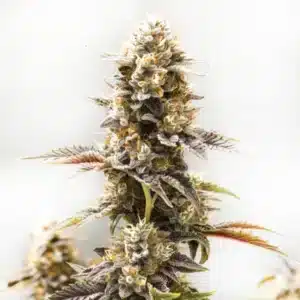
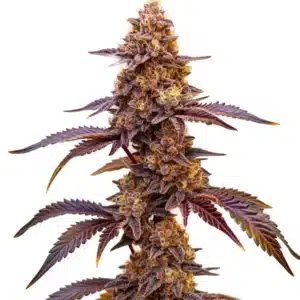
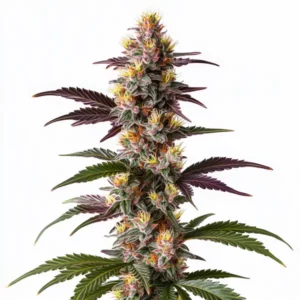
Blue Dream Autoflower

|
THC | 10% - 13% (Low) |

|
Type | Autoflowering |

|
Yield | Medium |

|
Phenotype | 30% Indica / 70% Sativa |

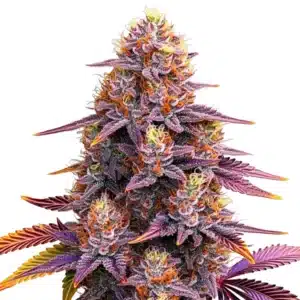
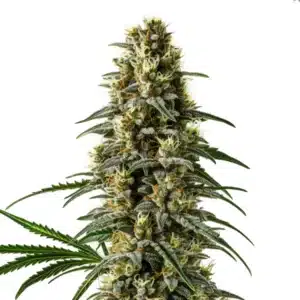
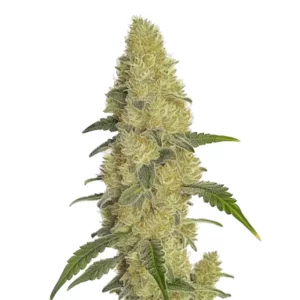
Glookies
|
|
THC | 22% - 25% (High) |
|
|
Type | Feminized |
|
|
Yield | High |
|
|
Phenotype | 70% Indica / 30% Sativa |
Myrcene, for example, is a terpene that can contribute to a skunky aroma in cannabis. Found in concentrations of 0.8-1.2%, myrcene not only adds to the scent but also enhances THC uptake, making the effects of cannabis more potent. The skunky smell meaning goes beyond just being an odor; it’s a signal of the plant’s chemical richness.
Practical Implications of Skunky Smells
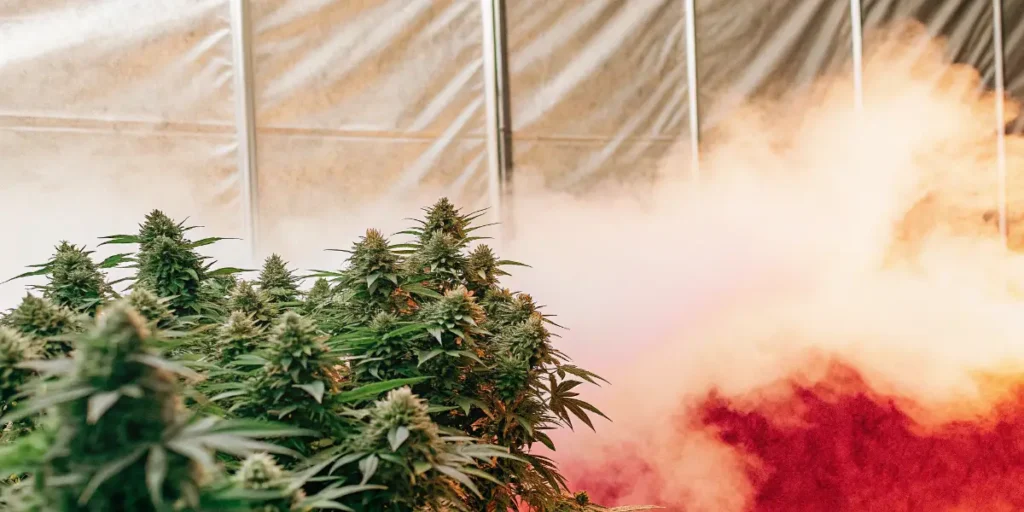
In some neighborhoods, the strong skunky smell of cannabis can be prevalent, especially when outdoor cultivation is common. This is because VOCs are released into the air, leading to the pervasive smell of cannabis in some areas. The strong and often unpleasant skunk smell is a natural defense mechanism in both skunks and certain cannabis strains.
Maintaining proper ventilation and odor control measures, such as carbon filters, can help manage this issue. Growers should monitor VOC levels to ensure that they do not contribute excessively to neighborhood odors, which can lead to complaints and potential legal issues.
Promos & Deals
What Are VOCs and How Do They Affect Cannabis?
Key VOCs Responsible for Skunky Smells
Volatile organic compounds (VOCs) are crucial in determining the aroma profile of cannabis. These compounds, including terpenes like myrcene and limonene, are responsible for the skunky smell. Myrcene, in particular, is known for its earthy and musky scent, contributing significantly to the skunky aroma of strains like GG4.
Myrcene levels in cannabis can range from 0.8% to 1.2%. This terpene not only influences the aroma but also impacts the physiological effects of cannabis, enhancing the psychoactive properties of THC. Knowing which VOCs are present in a strain can help predict its aroma and effects.
Impact of VOCs on Cannabis Aroma
VOCs play a significant role in the overall aroma profile of cannabis. They interact with terpenes to create complex scent profiles that can range from sweet and fruity to pungent and skunky. The presence of VOCs like limonene, which offers a citrusy aroma, can alter the perceived skunkiness of a strain.
Growers can manipulate VOC levels through environmental controls such as temperature and humidity. For instance, maintaining a temperature of 68°F – 77°F (20°C – 25°C) and humidity of 60% – 70% RH during the vegetative stage can optimize terpene production, enhancing the desired aroma while minimizing unwanted odors.
Terpenes and Their Influence on Cannabis Aroma
What Terpene Smells Like Skunk?
Myrcene is one of the terpenes that can contribute to a skunky aroma in cannabis. This terpene is commonly found in strains like Glookies, where it enhances the earthy and musky scent profile. Besides cannabis, other plants like certain types of hops also produce skunky aromas, indicating the broad presence of myrcene in nature.
In cannabis, myrcene not only affects the aroma but also plays a role in the entourage effect, enhancing the psychoactive properties of THC. This makes strains with high myrcene content particularly potent, offering a more intense experience for users.
Influence of Terpenes on Aroma and Effects
Terpenes are responsible for the diverse aroma profiles found in cannabis. They interact with cannabinoids to create unique effects. For instance, limonene, which provides a citrusy scent, can uplift mood and relieve stress. Knowing the terpene profile of a strain can help users select the right cannabis for their needs.
For growers, optimizing terpene production involves controlling environmental factors such as light and temperature. By maintaining a light intensity of 800-1000 µmol/m²/s during peak flowering, growers can enhance terpene synthesis, resulting in a richer aroma and more potent effects.
Popular Skunky Cannabis Strains
Notable Examples Like GG4
GG4, known for its potent skunky aroma, is a favorite among cannabis enthusiasts. With a THC content ranging from 25-30%, this strain offers a powerful experience. The dominant terpene, myrcene, contributes to its earthy scent and enhances its psychoactive effects, making it a popular choice for those seeking a strong high.
Another notable strain is Blue Dream Auto, which offers a balanced aroma with hints of berry and skunk. Its THC levels range from 18-22%, providing a milder experience compared to GG4. The presence of limonene adds a citrusy note, complementing the skunky undertones.
Environmental Factors Affecting Cannabis Smell
Does Cannabis Smell Outside?
Outdoor cannabis cultivation can lead to the smell being noticeable in surrounding areas. This is due to the release of VOCs, which can travel significant distances. The pervasive smell of cannabis in some areas is often due to widespread cultivation and the release of VOCs into the environment.
To mitigate odor issues, growers can implement strategies such as planting odor-neutralizing plants or using air filtration systems. These measures can help reduce the impact of cannabis odors on nearby communities, ensuring a more harmonious relationship with neighbors.
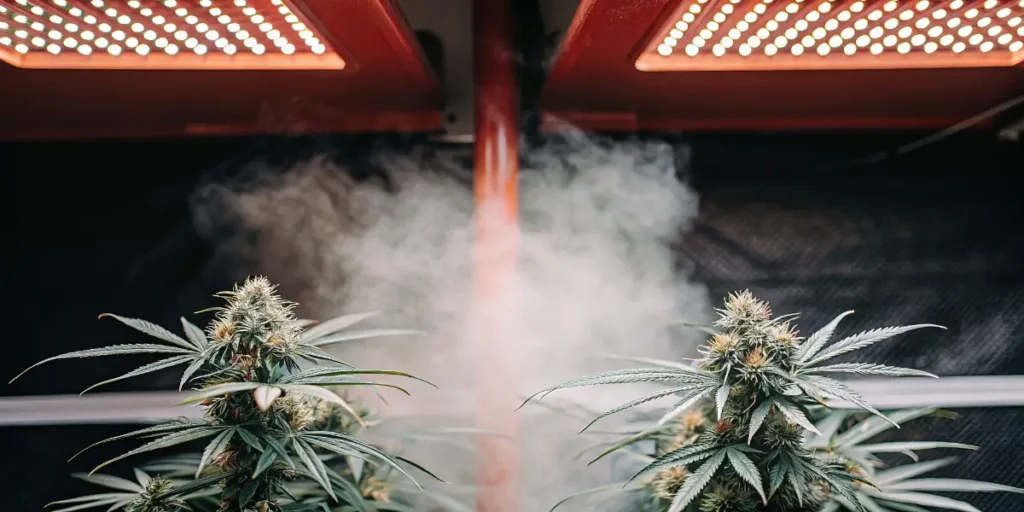
Professional Tips for Managing Skunky Cannabis Smells
- Maintain 60-70% RH during vegetative growth to support terpene profiles. Below 55% can arrest terpene development, while above 70% promotes mold growth.
- Use carbon filters in indoor grows to control skunky odors. Regularly replace filters to ensure optimal performance and avoid odor leaks.
- Implement a 20/4 light schedule for autoflowers to enhance terpene production. Consistent light exposure supports robust terpene synthesis.
- Choose strains with lower myrcene content to minimize skunky aromas if discretion is a priority.
- Monitor VOC levels with a digital sensor to prevent excessive odor emissions in outdoor grows.
- Consider planting odor-neutralizing flora like lavender around outdoor grows to mask cannabis odors naturally.
FAQs About why some cannabis strains smell skunky VOCs
Does cannabis emit VOCs?
Yes, cannabis emits volatile organic compounds (VOCs) that contribute to its distinct aroma. These compounds include terpenes like myrcene and limonene, which are responsible for the skunky smell. VOC emissions can vary based on strain and environmental conditions, influencing the overall scent profile.
What are some skunky strains?
Strains like GG4, Blue Dream Auto, and Amnesia Haze Autoflower F1 are known for their skunky aromas. These strains have high myrcene content, contributing to their pungent scent. The skunky aroma is often a result of the interplay between various VOCs and terpenes in these strains.
What terpene makes cannabis smell skunky?
Myrcene is the terpene primarily responsible for the skunky smell in cannabis. Found in concentrations of 0.8-1.2%, it contributes to the earthy and musky aroma. Myrcene also enhances the psychoactive effects of THC, making strains with high myrcene content particularly potent.
How can I reduce cannabis odor in my grow room?
To reduce cannabis odor in a grow room, use carbon filters and maintain proper ventilation. Regularly replace filters to ensure effectiveness. Additionally, controlling temperature and humidity can help manage terpene and VOC emissions, minimizing skunky aromas.
Can outdoor cannabis cultivation affect neighborhood odors?
Yes, outdoor cannabis cultivation can affect neighborhood odors due to VOC emissions. Implementing odor control measures, such as planting odor-neutralizing plants or using air filtration systems, can help reduce the impact on surrounding areas.