Why is Water Activity More Important than Moisture Content?

Water activity’s significance: Water activity is crucial for product stability and safety, surpassing moisture content in importance. While moisture content measures total water, water activity indicates water available for microbial growth. A level below 0.6 inhibits microbial growth, ensuring extended shelf life and safety. This distinction is vital for industries like food and cannabis, where product integrity is paramount.
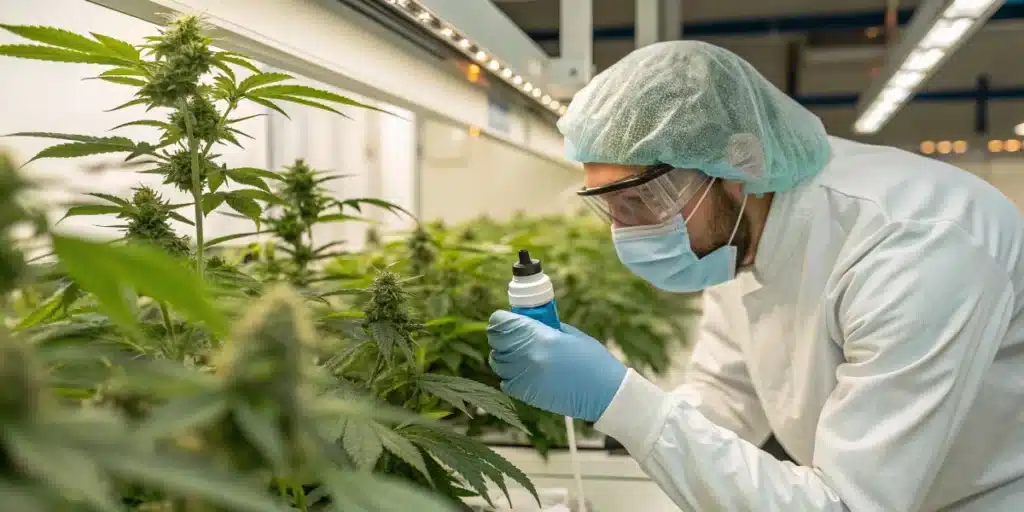
In cannabis cultivation, water activity plays a pivotal role in maintaining product quality. Unlike moisture content, which measures total water, water activity focuses on water available for microbial growth. This impacts the preservation of terpenes and cannabinoids, crucial for flavor and potency. Experienced growers emphasize knowing these differences to ensure optimal product stability and consumer safety.
Recommended Strains

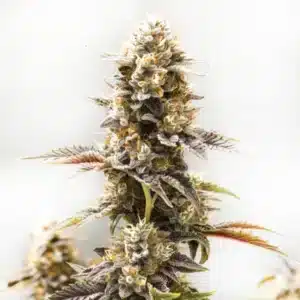
Blue Cheese

|
THC | 16% - 20% (Medium) |

|
Type | Feminized |

|
Yield | High |

|
Phenotype | 80% Indica / 20% Sativa |
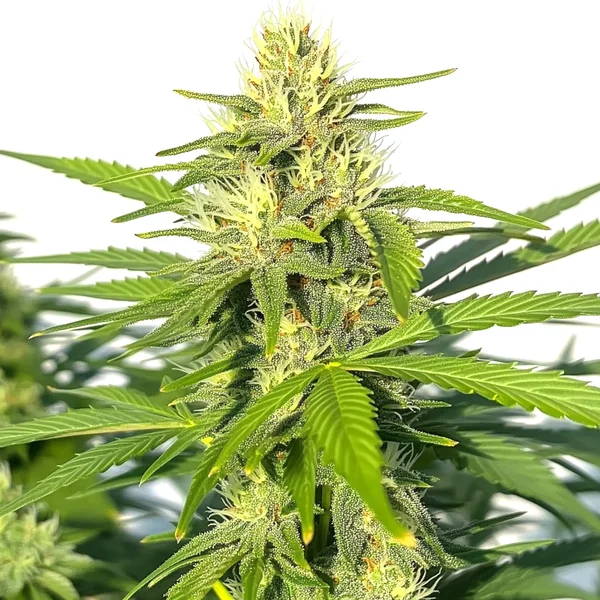
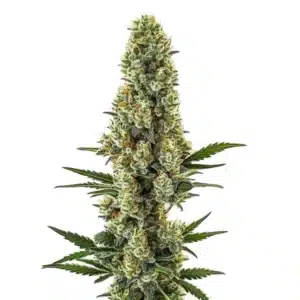
Critical Widow
|
|
THC | 20% (Medium) |
|
|
Type | Feminized |
|
|
Yield | High |
|
|
Phenotype | 40% Indica / 60% Sativa |
Why is Water Activity More Important than Moisture Content?
Definitions and Key Differences
Water activity (aw) and moisture content are often confused but serve different purposes. Moisture content refers to the total amount of water in a substance, measured as a percentage of the total weight. In contrast, water activity measures the free water available for microbial growth, expressed as a ratio from 0 to 1.
For instance, a product with high moisture content might not necessarily have high water activity. This is because bound water, which is part of the moisture content, does not contribute to microbial growth. The difference between moisture content and water activity is crucial in determining the shelf life and safety of products.
Microbial Growth and Preservation
Water activity is a critical factor in microbial growth. Microorganisms require a certain level of free water to thrive. By maintaining a water activity level below 0.6, you can effectively prevent microbial growth, thus extending the shelf life of products. This is why water activity is more important than moisture content in ensuring product safety.
In cannabis, this means preserving the integrity of cannabinoids and terpenes. Experienced growers report that controlling water activity is essential for maintaining the desired effects and flavors of strains. This microbial growth and preservation aspect is crucial for product stability.
Practical Applications in Various Industries
The significance of water activity extends beyond cannabis. In the food industry, the relationship between moisture content and water activity in food products determines spoilage rates. Low water activity, below 0.6, inhibits microbial growth, crucial for preserving foods like jerky and dried fruits.
In pharmaceuticals, controlling water activity ensures the stability of active ingredients. It directly impacts the product’s efficacy and safety. This relationship is vital for maintaining product quality across industries.
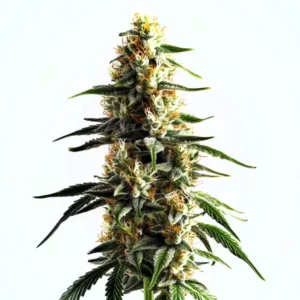
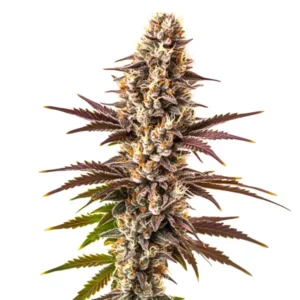
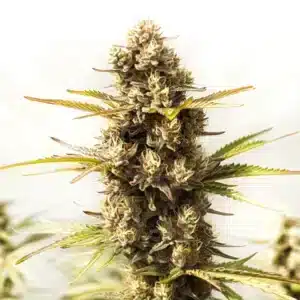
| Feature | GG4 | Blue Cheese | Critical Widow |
|---|---|---|---|
| THC% | 27% | 16-20% | 20% |
| Dominant Terpene | Humulene | Myrcene | Limonene |
| Water Activity Level | 0.55-0.60 | 0.50-0.55 | 0.58-0.62 |
| Flavor Profile | Fruity, Pine, Spicy | Cheese, Fruity, Spicy, Sweet | Berry, Fruity, Sweet, Tropical |
| Effect | Happy, Relaxed, Talkative | Calming, Happy, Relaxed | Creative, Energetic, Euphoric |
Promos & Deals

The Science Behind Water Activity
Microbial Growth and Preservation
Water activity is a critical factor in preventing microbial growth. Microorganisms such as bacteria, yeast, and mold require a certain level of free water to proliferate. By maintaining a water activity level below 0.6, microbial growth is inhibited, ensuring the product’s safety and extending its shelf life.
This principle is particularly important in cannabis cultivation, where preserving the integrity of cannabinoids and terpenes is crucial. A water activity level that is too high can lead to mold growth, while too low can result in the loss of essential oils that contribute to the plant’s aroma and effects.
Measuring Water Activity vs. Moisture Content
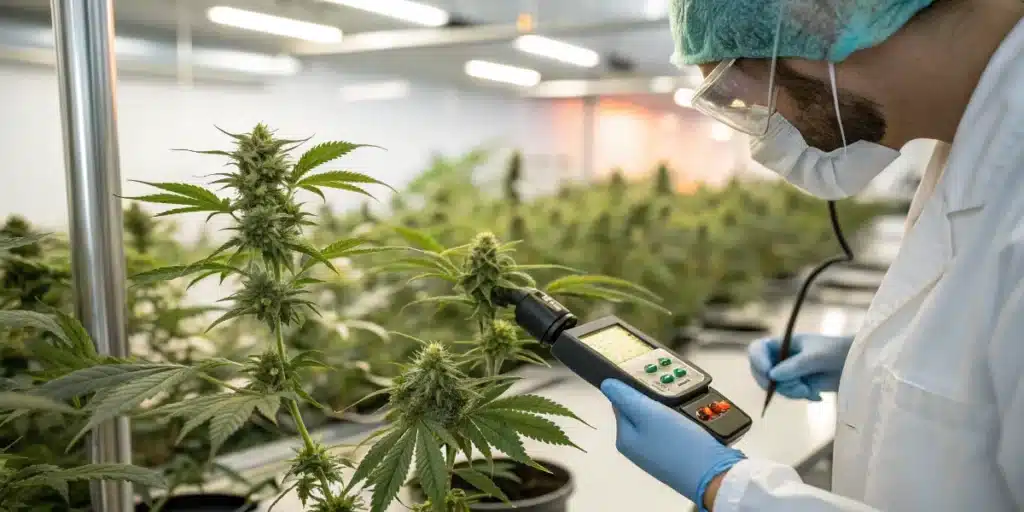
Various tools and techniques are used to measure water activity and moisture content. Hygrometers and water activity meters are common in the industry. These tools provide accurate readings, allowing cultivators to maintain optimal conditions for their products.
For those looking to delve deeper, water activity and moisture content pdf resources are available for download. These documents offer comprehensive insights into the measurement techniques and their applications in different industries.
Professional Tips for Managing Water Activity
- Maintain 58-62% RH during curing. This range prevents mold while preserving terpenes. Avoid going below 55% as it can dry out the buds, leading to a harsh smoke.
- Use a digital hygrometer for accuracy. Analog devices can be unreliable, leading to incorrect readings and potential product spoilage.
- Monitor water activity levels regularly. Fluctuations can occur due to environmental changes, impacting product quality.
- Ensure proper storage conditions. Use airtight containers to maintain consistent water activity levels and prevent contamination.
- Understand the difference between moisture content to water activity conversion. This knowledge helps in adjusting conditions to maintain product quality.
- Consult water activity vs moisture content graph for visual guidance. These graphs are valuable tools for knowing the relationship between the two metrics.
FAQs on Water Activity and Moisture Content
Why is water activity important?
Water activity is crucial for determining product safety and stability. It measures the free water available for microbial growth, which is essential for preventing spoilage. A water activity level below 0.6 inhibits microbial growth, ensuring longer shelf life and maintaining the quality of products like cannabis and food.
What’s the difference between moisture and water activity?
Moisture content measures the total water in a product, expressed as a percentage. Water activity, however, measures the free water available for microbial growth, expressed as a ratio. Knowing these differences is vital for industries focused on product preservation and safety.
Why is water activity 0.6 important?
A water activity level of 0.6 is significant because it inhibits the growth of most microorganisms, including bacteria and mold. This threshold is crucial for preserving the quality and safety of products, extending their shelf life, and ensuring consumer safety in industries like food and cannabis.
What is the difference between water content and water activity?
Water content refers to the total amount of water in a substance, while water activity measures the availability of that water for microbial growth. This distinction is essential for industries where product safety and shelf life are priorities, such as food and cannabis cultivation.
How does water activity affect cannabis quality?
Water activity directly impacts the preservation of cannabinoids and terpenes in cannabis. Maintaining optimal water activity levels prevents mold growth and preserves the plant’s aroma and effects. This ensures a high-quality product with a desirable flavor profile and potency.